
21 attractions incontournables de Paris pour les nouveaux visiteurs
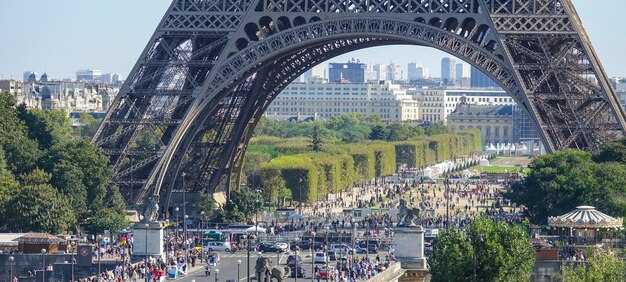
Buy passes in advance to skip lines at major sights and enter when the city wakes. In france, start your four days with a plan that keeps your feet moving efficiently. An early start at the Louvre or Orsay helps you beat crowds and leaves room for a front-row moment at your favorite masterpieces.
Three neighborhoods anchor your route: the Louvre–Tuileries Park axis, the Marais with Place des Vosges, and Montmartre with Sacré‑Cœur. Each area has a distinct ambiance, and each walk is designed for comfort–mostly strolls that reveal architecture and street life. In these zones you’ll hit the Louvre, Orsay, Centre Pompidou, Montmartre/Sacré‑Cœur, Eiffel Tower, and Seine cruises, plus Arc de Triomphe and the Champs-Élysées for a classic daytime-to-night arc.
Art and history unfold in layered settings: start with painting riches at the Louvre and the Orsay, then wander to the painting-filled rooms of the impressive Musée de l’Orangerie and to Centre Pompidou for bold modern works. In Montmartre, the view from Sacré‑Cœur is worth the climb, and a short cafe break adds balance. For a macabre contrast, the Catacombs offer a cool, contemplative counterpoint to the city's bright boulevards.
Four more highlights remain: Panthéon, Luxembourg Gardens, Place des Vosges, Picasso Museum, Rodin Museum, Musée de l’Orangerie, Sainte-Chapelle, Notre-Dame exterior on Île de la Cité, and Montparnasse Tower. Each adds a different tempo. End with a stroll through Shakespeare and Company and Saint‑Germain-des‑Prés, plus a Seine cruise at sunset. The city’s avenues and parks line every day with a feeling Paris is a living gallery; a gigi bakery detour near the river adds playful charm to the plan.
Prioritize Iconic Point de repères for a 2–3 Day Paris Visit
Lock in three iconic landmarks per day and walk the distance between them to maximize time. For a 2–3 day visit, base near the Grand Palais and Petit Palais to enjoy Beaux-Arts façades, tall pillars, and easy access to the Seine esplanade; use the underground when needed to trim transit between neighborhoods.
Day 1 centers on central opulence: Louvre building, Tuileries Esplanade, grand palais and petit palais. In the evening, the façades glow with magic as dusk settles, creating a spectacular show of light. Follow the riverbank for a relaxed walking path and end at Pont Alexandre III for grand reflections on the water; if you looked for a striking angle, try a long exposure with filters.
Classic Point de repères for a 2–3 Day Plan
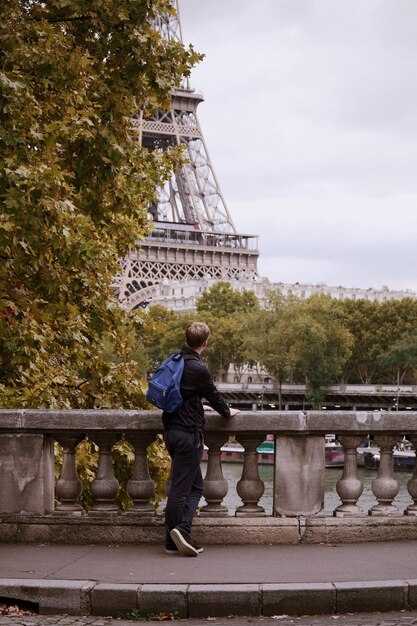
Begin at Louvre building, then stroll through the Tuileries Esplanade toward grand palais and petit palais. The Beaux-Arts pair shows tall pillars and a grand stone floor, and the exterior often looked striking in late afternoon light. From there, cross to the Île de la Cité to admire Notre-Dame’s exterior and end at Victor Hugo’s house near Place des Vosges. In the evening, consider a phantom show at Palais Garnier for a touch of Paris magic.
Efficient routes keep your pace steady: include a stop at the épicerie-friendly corners of the river, and plan a sunset pause on the esplanade to savor the mood. The surrounding area offers fascinating details in the stonework and artful staircases, and you can follow additional paths to keep the day varied.
Efficient Routes and Practical Tips
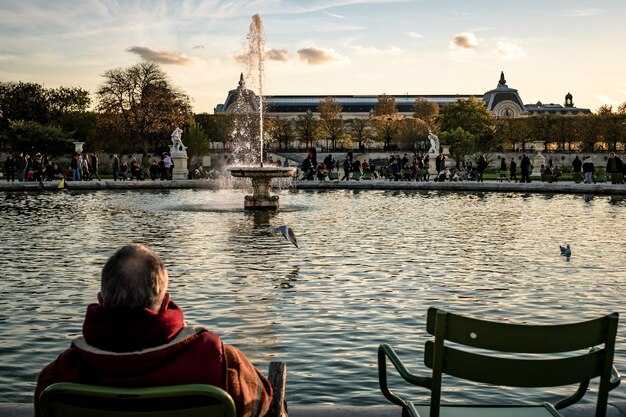
Use the underground to shave minutes off longer hops. Walking between Louvre, Tuileries, and grand palais/ Petit palais takes about 30–40 minutes total if you pace, with detours to the esplanade and river for photo stops. Additional tips: carry a compact camera, adjust filters for crowds, and plan a dusk moment on the Pont Alexandre III for water reflections and a magical silhouette.
| L'heure | Point de repère | Focus | Notes |
|---|---|---|---|
| Morning | Louvre | Masterpieces, Pyramid entrance | Arrive at opening; look for quieter wings; floor details add depth. |
| Afternoon | Grand Palais / Petit Palais | Beaux-Arts architecture | Walk the esplanade; pillars frame the grand façades. |
| Evening | Pont Alexandre III / Seine banks | Dusk reflections | Spectacular light; waterfalls-like reflections; capture with filters. |
Skip-the-Line Strategies for the Louvre and Eiffel Tower
Reserve timed-entry tickets for the Louvre at 9:00–9:30 and for the Eiffel Tower’s summit around 11:00–11:30. Buy online from official sites, save the mobile ticket to your phone, and arrive 15 minutes early to breeze through security. Use trains and Metro connections to reach both sites by mid-morning; if arriving by plane, coordinate flight arrival with a smooth transfer to central Paris. This approach keeps your day real and efficient, with minimal waiting and more time for rest between shows and views.
For the Louvre, follow these steps: step 1, choose the Denon Wing to see the Mona Lisa and major masterworks; step 2, move to Sully Wing for classical sculpture and the Winged Victories; step 3, finish with a quick pass through Richelieu's galleries if time allows. Plan to cover two to three hours in total, focusing on the largest highlights while allowing an underrated room or two to break the crowd. Download the Louvre app to navigate the route and save the real map; this helps you cover multiple galleries without backtracking. The Louvre’s footprint spans a wide arondissement, including elegant mansions around the river, so you can plan a future stroll after the tour.
At the Eiffel Tower, buy a ticket with a fixed time for the summit and aim for a slot toward the shoulder hours–early morning or late afternoon reduces queue length. Take the lift to the top levels, then descend and head straight to Trocadéro for the classic photo with the tower over the water. Afterward, treat yourself to a rooftop moment at a nearby venue–the Terrass Hotel rooftop offers a sweeping view of Paris and a comfortable place to unwind. If London is your starting point, you’ll notice a familiar rhythm: plan the same skip-the-line approach in France to maximize your outdoor moments and avoid peak crowds.
Pause for Berthillon on Île Saint-Louis, a beloved treat after a fast-paced morning. Then stroll the grassy banks of the Tuileries garden and the riverfront; both offer resting options and photo opportunities. The day delivers a broad range of Paris sights that you can tailor to your energy. If you have extra time, add a quick loop through the arondissement around the river to see a few hidden gems and plan a next visit to a mansion district.
One‑Day Louvre + Orsay Tour: Fastest Route to Masterpieces
Begin inside the Louvre at the Denon entrance. Target Mona Lisa, Winged Victory of Samothrace, and the ornate suites that house Renaissance painting and classical sculpture. Cream walls, arches, and mirrors guide your eyes as you move along a short route that minimizes backtracking. Plan to reach these highlights in roughly 90 minutes, nearly two hours if you pause for photos and notes, then head toward the Orsay with confidence.
Next, cross the Seine by foot along the river path or hop trains for speed. The lively stroll along the water feels lush, and you’ll notice boats gliding by and the arch silhouettes of bridges above. A quick bell chime from a nearby church adds a pleasant cue to keep moving. If energy allows, a brief detour to Parc Monceau offers a calm moment before the next gallery sweep.
At Orsay, head straight for Monet's Water Lilies, Degas' dancers, Renoir's Luncheon of the Boating Party, and Van Gogh's self‑portrait. The building’s generous daylight shifts through changing states of light, with ornate ceilings and a rooftop viewpoint over the courtyard heightening the sense of scale as you move through the contents of the collection. Look for underrated works tucked in side rooms, and visit the boutique for a compact souvenir before continuing.
Tips for timing: book tickets in advance to skip lines, and follow a single, efficient circuit through each museum. A 15‑minute pause by the Seine, near the pond and mirrors, can refresh your pace. When you finish, visitors often linger on the riverbank for a final view of the Louvre’s cream façade and the arches that frame the city, then head to a quick café to extend the day.
Fast-track snapshot
Quick start: Louvre Denon Wing → Mona Lisa → Winged Victory → Orsay entry → Monet, Degas, Renoir, Van Gogh. Duration: about 4–4.5 hours. Transit: foot along the Seine or a short train ride. Bonus: sunset light over the Pont des Arts makes the bridges glow and the pond reflections a perfect finish.
Additional tips for visitors
Arrive early, wear comfortable shoes, and use the maps in English. Consider a quick detour to Victor Hugo’s House on Place des Vosges for a literary note, or browse a nearby boutique for a postcard. For a final flourish, a stroll through Parc Monceau offers lush greenery and a hilltop feel that contrasts with the marble and glass of the two museums.
Seine by Night: Best Boat Cruises for Sunset and Lights
Begin with a 1.5-hour sunset cruise aboard Vedettes de Paris, departing from Pont Neuf. When evening comes, the river glows as the city lights begin to sparkle and the Eiffel Tower shimmers, best enjoyed from the outdoor deck where a gentle breeze keeps the pace relaxed and the view feels completely magical.
Two reliable options to balance views and comfort are Vedettes de Paris and Bateaux Parisiens. Vedettes de Paris offers an open-air top deck plus an enclosed salon for cooler nights, while Bateaux Parisiens features a glass-walled upper salon that preserves the panorama even when the air turns crisp. For a more indulgent evening, choose a dinner cruise with an onboard restaurant that emphasizes Parisian style; these departures tend to be less crowded than daytime tours.
As you drift, Sainte-Chapelle-inspired light plays on the water, and the domed skyline frames a postcard tableau. On the quay, a Fragonard fragrance display adds a subtle scent before you board, while a Wilde quote on a dockside plaque gives a literary nudge to your evening. The river can feel eerie in the fog or glow of city lamps, especially when you hear the faint clatter of coffins on old funeral barges–a nod to river history that adds texture without dampening the mood. Some boats host a wine workshop or a chef's workshop, turning the ride into a tasting session; you can enjoy a bucket of warm mulled wine or a small tasting set as the sunset fades. Temporary light installations along the quay sprinkle the banks with color, and the show of light seems to pour like waterfalls along the waterline. Afterward, follow pathways along the river and pause in a nearby park to unwind, then return to the boat for a Parisian-style meal at the onboard restaurant as the city lights come to life. The guide also highlights sainte-chapelle as you glide, just to add a touch of history to the glow.
Honest reviews favor boats that balance outdoor vantage with indoor comfort. Reserve ahead, especially on weekends, and check whether the itinerary includes a wine or chef workshop. Dress in layers; bring a light jacket, and keep a compact camera ready for dusk shots. If you want a quick snack, the crew tends to offer a bucket of warm mulled wine or small bites during the cruise. For the best photos, choose a departure with a view from the railing on the open deck, and arrive early to map out your ideal angles along the river’s soft bends.
Walkable Neighborhood Highlights: Montmartre, Le Marais, and Saint‑Germain
Begin in Montmartre at Abbesses station and climb toward Sacré‑Cœur for a panoramic cityscape, then roll through the quieter streets during the hours when the area feels most alive. This route minimizes backtracking, keeps travel light, and sets a French vibe from the first steps.
Montmartre: painterly streets, viewpoints, and intimate corners
- Start at Abbesses station (Line 12) and ascend to Sacré‑Cœur for a sweeping view; note the colorful buildings along the way and the smaller streets that reveal hidden charm.
- Wander Rue Lepic and Place du Tertre to see eclectic spots where artists still work; use the corners for quick photo keepsakes.
- Find a tiny table at a mamma‑run café, sip coffee or hot chocolate, and savor a croissant as the city wakes up.
- Repérez les peintures murales et imprimés inspirés de Van Gogh le long des ruelles, puis traversez un pont surplombant pour vous diriger vers la prochaine étape de la promenade.
- Si vous avez des pass, planifiez un court trajet en métro vers le Louvre ou le Marais plus tard dans la journée, réduisant ainsi la fatigue et assurant une journée confortable.
Le Marais et Saint‑Germain : marchés, cafés et coins chics
- Depuis le quartier de la Bastille, promenez-vous dans Le Marais pour admirer les bâtiments en briques, les rues étroites et une ambiance de quartier qui allie le charme d'antan aux boutiques modernes.
- Visitez le Marché des Enfants Rouges pour un déjeuner composé de stands de cuisine du monde entier ; visez le milieu de la journée pour profiter des options les plus fraîches et d’une ambiance animée autour des tables.
- Promenez-vous sur la place des Vosges, puis flânez dans les petites cours où des ateliers d'art et des galeries présentent des artisans locaux.
- Traversez un pont de la Seine en direction de Saint‑Germain et profitez des cafés classiques, où vous pouvez vous asseoir à une table et regarder la vie passer sous un auvent bleu ciel.
- Explorez les lieux littéraires et de design de Saint-Germain, puis revenez vers le Louvre avec une touche de saveur parisienne : des boutiques modernes côtoient des façades intemporelles.
- Utilisez des stations comme Saint-Paul, Hôtel de Ville ou Pont Neuf pour vous déplacer efficacement ; si vous avez des pass, vous pouvez réduire les files d'attente dans les musées populaires et continuer à profiter de votre temps de voyage.
Paris gourmand : où déguster des baguettes, des pâtisseries et du fromage
Offrez-vous une baguette chaude d'une boulangerie classique, puis savourez votre petit-déjeuner sur un trottoir ensoleillé tandis que la ville se dévoile au-dessus de la Seine. Si vous êtes un touriste, choisissez un chemin à travers quatre quartiers pour goûter différents styles et maintenir un rythme détendu au milieu de l'agitation des musées, des cafés et des marchés.
Pour les baguettes, suivez quatre indications rapides sur quatre parties : la couleur et le craquement de la croûte, un intérieur moelleux avec des poches d'air régulières, un doux arôme de levure et un poids qui semble substantiel mais léger dans la main. Au départ, choisissez les boulangeries qui cuisent sur place et servent des pains chauds ; vous ne perdrez pas de saveur en goûtant une deuxième bouchée. Pendant le rush matinal, de nombreux endroits ferment les fours, alors chronométrez bien. La croûte couronne le pain comme des rois.
À côté des baguettes, les vitrines à pâtisserie brillent de couches luxuriantes : croissants, pains au chocolat et mille-feuilles se dressent comme de petites œuvres d'art. Aucune boulangerie n'a droit à toute votre attention ; comparez-en plusieurs pour trouver de vrais joyaux. Choisissez des pâtisseries avec une pâte feuilletée et une douceur subtile, et si une pâtisserie vous semble lourde, laissez-la de côté et optez pour une bouchée plus légère. Pour un petit-déjeuner sur le pouce, prenez un croissant aux amandes et au chocolat et un café au lait (et le lait réveillera vos sens).
Dans les fromageries de toute la ville, vous trouverez du brie doux, du comté aux notes de noix et du chèvre crémeux sur des étagères réfrigérées. Goûtez deux ou trois petits morceaux et accompagnez-les d'une baguette croustillante ; étudiez la croûte, la texture et l'arôme pour décider de l'ordre. Dans des quartiers comme le Marais, Saint-Germain et le Quartier latin, les allées ressemblent à des musées de collections, avec des meules empilées les unes sur les autres et des notes à la craie décrivant l'affinage dans une douce lumière. Si vous n'êtes pas sûr, demandez une planche de dégustation ; le personnel vous fera des suggestions qui équilibrent le sel, le gras et l'acidité. Vous pouvez laisser un commentaire rapide pour aider les futurs visiteurs.
Pour optimiser votre expérience, planifiez un itinéraire simple : commencez dans le Marais pour des baguettes rustiques, puis promenez-vous à Saint-Germain et dans le Quartier latin pour des pâtisseries et du fromage. Cette approche vous donne un souvenir gustatif complet plutôt qu'une bouchée rapide, et elle vous aide à couvrir quatre quartiers que vous aimerez. Suivez ces étapes, et vous repartirez avec plus qu'un souvenir : vos propres préférences guideront vos prochaines visites. Si un endroit vous semble bondé, passez à autre chose ; votre rythme compte plus que la recherche d'un seul et unique meilleur endroit. Le personnel se fera un plaisir de vous aider, et vous pouvez commenter ce que vous avez aimé pour guider vos futures visites.
Joyaux cachés et expériences uniques pour les nouveaux arrivants
Commencez votre séjour à Paris par une promenade guidée à travers Saint-Germain, puis réservez un atelier dirigé par un designer dans une pièce discrète au-dessus d'une cour tranquille pour essayer la sérigraphie ou le dressage de pâtisseries, suivi d'un expresso rapide dans un café voisin.
Évitez la file d'attente principale pour une visite privée après les heures d'ouverture du musée d'Orsay, où un conservateur vous guide à travers les nénuphars de Monet dans le hall principal, ainsi que la salle calme avec vue sur la rivière.
Rendez-vous à la maison hugo près de la place des Vosges, puis flânez dans le quartier latin pour ressentir l'aura du Paris des penseurs et l'atmosphère des vieux livres ; arriver tôt vous donne des rues secondaires calmes et la possibilité de jeter un coup d'œil dans des librairies cachées sans la foule.
Promenez-vous dans une galerie cachée du Marais, où un artiste organise une démonstration en direct dans un studio baigné de lumière, invitant un mélange international ; restez plus longtemps pour une dégustation dans une boulangerie voisine et une discussion rapide sur la façon dont la conception de la pâtisserie reflète la conception de la mode.
Couronnez la journée par une visite intérieure grandiose et somptueuse d'une maison moins connue, où vous pourrez parcourir une pièce de créateur remplie d'articles en cuir personnalisés et assister à un atelier rapide sur la reliure d'un carnet ou la couture d'un sac – malgré l'effervescence.


