Things to Do in Milan - 12 Must-See Sites

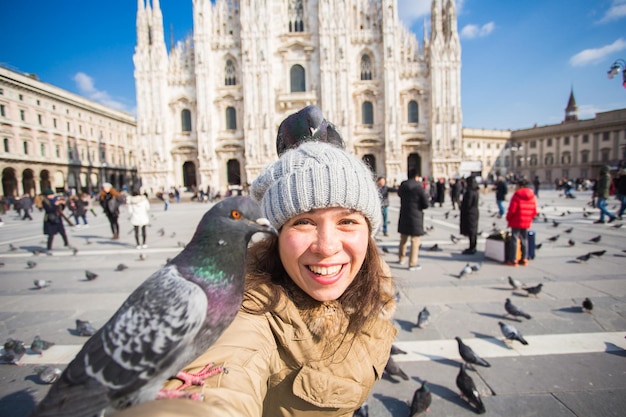
Start your Milan visit with a concrete plan: arrive by airplane, reach centrale station, and head straight to the Duomo for a rooftop view that is perfect. From there, walk to the Galleria Vittorio Emanuele II, a piece of Milanese elegance; the glass-and-marble arcade carries the name emanuele in a celebrated way and sets the tone for your day.
For a compact itinerary, let local agents arrange exursions that cover the must-see sites while avoiding crowds. These plans are encompassing and time-conscious, with routes located near parks and well-connected by tram. You’ll keep money in your pocket for a gelato by the canal and a late-night espresso.
Archaeology fans will enjoy the Roman traces visible around the city and the Civic Archaeology Museum, where artifacts shed light on Milan’s ancient layers. The Brera district adds intimate galleries and craft shops, inviting you to linger as you wander through narrow lanes that reveal history in stone and texture. Lovers of culture will find it all rewarding.
The Galleria Vittorio Emanuele II stands as a landmark built in the 19th century, created to showcase commerce and spectacle. It is located between Piazza del Duomo and the stock exchange district, offering cafés, boutiques, and interior details that inspire photos for your travel scrapbook. If you walk toward Parco Sempione, you’ll find calm greens after the city bustle, a perfect counterpoint to museum days.
Finish with a stroll along the Navigli canals at sunset, a scene that attracts both locals and visitors who budget time for slow exursions, riverside dining, and conversations with fellow lovers of Milan. In february the city’s light can be soft and crisp, and the atmosphere is inviting for a night train of discoveries or a quick ride to the airport for your departure.
Create a 1- to 2-Day Milan Itinerary for the 12 Must-See Sites
Day 1: Core Classics
Begin at the Duomo di Milano with rooftop tickets to savor architecture and marble spires; this monumentale opening sets a rhythm for the day, with about 90 minutes inside and 40 on the terrace.
Then walk to Galleria Vittorio Emanuele II, lined with glass and iron, a historic venue where an array of shops and cafés sits beneath a vaulted ceiling; plan 60–90 minutes and a quick coffee on the way.
Next, head to Castello Sforzesco, a fortress structure whose courtyards invite photos; together with Parco Sempione, it offers a calm pause before the afternoon.
Reserve a time for The Last Supper at Santa Maria delle Grazie; wait times can be long, so plan well in advance. If slots are sold out, you can still explore the exterior and the nearby church, which carry their own quiet charm and an altar-worthy sense of history.
In Brera, indulge in Pinacoteca di Brera for Bellini canvases and a bottelli-inspired detail in a corner of the gallery; the artistic energy here is unmissable and fits nicely into a Milan holiday, paired with a stroll through the historic lanes lined with boutiques and cafés, which reflect their own distinct character and array of small venues.
Day 2: Highlights and Hidden Gems
Start with Teatro alla Scala, a premier venue where you feel the artistic pulse of the city; take a 1-hour guided tour to see the marble lobby and the museum, then step onto the piazza for a quick espresso break.
Then visit Basilica di Sant'Ambrogio and Santa Maria presso San Satiro; these historic churches showcase rounded arches and altar details, whereas Sant'Ambrogio offers a grand scale and San Satiro reveals a tiny, perspective-rich interior.
Finish at Monumentale Cemetery and Arco della Pace; the cemetery presents an array of sculptural monuments in marble, while the Arch provides a bold, contemporary counterpoint to Milan's historic center, a contrast many visitors appreciate while planning the rest of their day.
How to Book Tickets for The Duomo, The Last Supper, and Other Major Sights
Start by reserving The Last Supper slots two to three weeks ahead on the Cenacolo Vinciano official site. Choose a morning or late afternoon time that fits your Milan plan, then secure a timed entry with a confirmed mobile ticket.
Booking paths and practical steps
For The Duomo, visit the official Duomo Milano site, add Cathedral entry and rooftop access, pick a date and timeslot, then complete payment. Keep your ticket handy and head to the gates a few minutes before your slot to avoid delays.
Castello Sforzesco tickets open from the municipal pages or official partners. You can pair a museum visit with a stroll toward the Sforzesco grounds or combine it with nearby spots for a compact day.
Tips for price, timing, and nearby experiences
Prices hover around €12–€22 for the Duomo rooftop, €15–€20 for The Last Supper, and €5–€10 for Sforzesco museums. Arrive 15 minutes before the time, bring ID, and use a mobile or printed pass. After the main sights, consider bars for a quick drink, or a light walk along well-preserved routes that connect several gates and squares.
If you started planning, keep an eye on official calendars for real-time updates and alternative slots. If youre exploring after the core sights, easy getaways include a stroll toward the Galleria Vittorio Emanuele II, then explore spots nearby for a relaxed end to the day. For broader itineraries, you can connect Milan with paris or bologna, or design a backpacking route that includes siena and spain.
For a broader plan, you can link Milan with paris or bologna, or design a backpacking route that includes siena and spain. If youre collecting tickets, use search-enabled apps to compare pmnearby time slots and find an inexpensive getaways plan or cheap ticket packages for exursions and excursions.
| Sight | Ticket Type | Booking Link | Typical Price | Notes |
|---|---|---|---|---|
| The Duomo & Rooftop | Cathedral entry + rooftop access | Official Duomo Milano | €12–€22 (rooftop) | Stairs or lift; arrive 15 minutes before slot |
| The Last Supper | Timed entry | Cenacolo Vinciano | €15–€20 | Limited daily slots; book well in advance |
| Castello Sforzesco Museums | Multiple options | Comune di Milano or official partner | €5–€10 | Well-preserved works; consider combined day |
| Other major sights | Various | Official sites | Varies | Check opening times and pmnearby slots |
Best Start Points: A Neighborhood Route Covering Milan's Top Attractions
Begin at Brera, the milanese arts quarter, and loop toward the Pinacoteca di Brera and a nearby vincis gallery to set the tone. This guiadas route includes a compact path that keeps you on foot, letting you feel brick facades, busy ateliers, and the scent of espresso at every corner. In any season, the main routes stay friendly, but the best light tends to appear in the seasons of mild weather. Lovers of art and design will find the first hours particularly better for photos and pace.
From Brera, walk to the Duomo and the Galleria Vittorio Emanuele II, then stand at the feet of the cathedral’s marble forecourt and watch urban life swirl around you. The route then threads toward Castello Sforzesco, a formidable fortification whose towers overlook Parco Sempione and its calm ponds. This section offers night views too–you couldnt miss a quick photo stop by the moat and a retreat to a quiet courtyard when you need shade. The area around the castle also hints at mosques and other historic layers that show Milan’s multicultural fabric.
Next, turn toward Santa Maria delle Grazie to experience the monastery setting and the Last Supper fresco (reserve in advance). Nearby, a compact gallery spot highlights vincis prints and connects to a birthplace plaque that ties Renaissance ideas to modern Milan. If you’re curious about milanese craft, stop at a small shop to pick up a postcard before continuing on.
Finish with a stroll along the Navigli, where the night scene hums with beer bars, canal-side retreat spaces, and villa-style courtyards that feel like little oases. The canal path offers options for a slower pace, and some sections even hint at urban beaches when the weather allows. If you’re after a quick break, a costa coffee stop provides a pleasant pause before a final walk back to the main route.
This plan works well for Wednesday travelers who want to combine culture, food, and architecture without backtracking. It suits all seasons and appeals to lovers of galleries, palaces, and quiet courtyards. The route includes options to tailor the pace, so you can choose a better mix of sites and rests as you go.
Museum Passes vs. Individual Tickets: Which to Buy for Access to 16 Attractions
Buy the Milan Pass if you plan to visit 6 or more paid sites within 2–3 days; for a plan covering 16 attractions, the pass typically saves money and time through skip-the-line access and included public transport. Target sites include the Duomo, Castello Sforzesco, and Brera museums, all within a compact ring of central Milan.
If you prefer a pay-per-site approach, buy individual tickets for the venues you know you want to see, especially when a site requires a timed entry. Then you can tailor visits around peak hours and avoid extra charges; the main catch is that times for some entries may limit flexibility.
The 16-attraction list often features major spaces and art buildings, plus a few archaeological spots with ruins and below-ground displays. The public transit pass helps you hop between the duomo square, the grande façades of the city, and the castelo area without worrying about tickets. Buildings designed with ornate decorate styles reveal how space was used across periods, and you can combine visits with a quick pasta lunch or a canal cruise to break up the day.
Below is a practical way to compare value: estimate per-attraction costs, consider which entries include rooftop or special access, and check if the pass includes transport and which sites are except Last Supper entries. Frequently, the best deal appears when the pass price falls below the sum of the tickets you would buy individually for eight or more included venues.
Smart tips for a 16-attraction plan: start near the Duomo, then walk to Castello Sforzesco, Brera, and the museums around there. A visit to the Archaeological Museum adds a look at ancient ruins and artefacts from earlier periods, offering a nice contrast to modern Milan spaces. If you crave a francia-inspired vibe, search for decorative motifs in temporary exhibitions that echo distant art styles; a maya-inspired pattern may appear on some textiles in Brera's galleries. If you want to pace the day, take a pasta break at a nearby bar and linger in pretty streets before resuming your stroll. Grab drinks at local bars after the visit. For those who like themed routes, you can design a compostela-inspired path that links core sights, then optionally conclude with a canal cruise. The Florence1n reference can help you model pacing against a well-known European benchmark.
Look for francia signage at a few corners for a European vibe.
Smart picks for a 16-attraction plan
Checklist: focus on sites with flexible hours and easy access by public transport. If your list prioritizes the Duomo, Castello Sforzesco, Pinacoteca di Brera, and the Museo del Novecento, a pass tends to pay off. If you value Last Supper access, verify whether your chosen pass allows booking windows or if you must reserve separately, except for some bundled options. Plan for breaks at pasta bars and cafes, and leave space for a canal cruise to see the Navigli by night. This approach keeps your visit simple and pretty while covering the core sights that defined Milan's grande architecture and public spaces.
Getting Around Milan: Metro, Trams, Walking, and Accessibility Tips
theres a simple start: buy a 24- or 48-hour urban ticket at an ATM or official kiosk; the packages cover metro, tram, and bus rides. Validate on entry, keep the stub, and you’re ready to move. If you prefer, getyourguide offers combo passes that include transit plus museum entries. For visitors from australia, the system feels intuitive and the central sights are easy to reach. In old courtyards you’ll even spot camino paths weaving between doorways.
Metro and tram essentials
Begin at central hubs such as Duomo, Centrale, or Garibaldi; these stations connect to most neighborhoods within minutes. The red M1 line, green M2 line, and yellow M3 line move quickly between core sights. From Centrale you can reach Como for a lakeside day trip by direct regional trains in roughly 40 to 50 minutes. The tram network threads through Brera, Navigli, and Isola, offering a scenic option alongside the metro. Use the modern ticketing machines and contactless payment at major stops to keep your technique efficient, and minimize fuss. For an enthusiast who began their day with a plan, both modes deliver reliable results, and you’ll appreciate the world-renowned accessibility of central routes.
Walking, accessibility, and planning
Walking remains a friendly way to soak up the city. The central location is compact: you can walk from Duomo to Castello Sforzesco in about 25 minutes, with cafés, bars, and a terrace pause along the way. Accessibility varies by station; major hubs have elevators and ramps, while older stops may require steps. Check routes in advance, and use official resources or getyourguide accessibility listings to confirm where you can go with a wheelchair or stroller. Theres a chance to tailor plans to the season: a lakeside stroll near Como, or a wander into the Carmine district where Basque restaurants sit alongside casual eateries. After dark, you’ll find monumental landmarks illuminated and a lively street scene with street instruments adding texture to the evening. If you’re in Milan for work, combine transit with dining on a terrace and a casual beer to unwind before returning to your central hotel or apartment.
Best Times to Visit to Minimize Crowds and Queues
Start monday at 8:00 with a guided entry to the Duomo and monastero to see interiors that are well-preserved and to skip long lines.
For a múnich vibe, seek a múnich-inspired cafe around a dorchester-style corner to recharge between spot visits.
Plan around these windows to manage crowds across locations and parks:
- Early morning (8:00–9:30, monday–thursday): head straight to the cathedral complex and a nearby spot for first photos; guided entry shortens queues and allows you to move quickly between locations.
- Mid-morning (9:30–11:30): retreat to calmer spaces such as Parco Sempione and quiet corners near Biblioteca Braidense (braidense); this pause delivers shade and time to enjoy the surroundings away from people.
- Lunch and shopping (11:30–14:00): explore lower-city lanes and east-side towns where exclusive shops offer limited editions; shop at a few boutiques and grab a quick bite to keep energy for the afternoon.
- Afternoon (14:00–17:00): focus on monastero interiors and well-preserved locations across the district; plan past routes to avoid peaks and keep photos clean.
- Sunsets and evening (17:30–19:00): choose a spot along the canals for sunsets; couples who love canal views will appreciate the calmer atmosphere as crowds thin.
- Night options (19:00+): check whether a guided, limited-entry program is available; exclusives appear on select days and offer a quiet finish to the day.
Nearby Food, Coffee, and Quick Bites for Each Landmark
Grab a quick espresso at a corner café just after you exit the Duomo; the aroma of grounds will sharpen your senses before you explore the cathedral’s stunning structure and beauty.
-
Duomo di Milano
- Donato pastry from a nearby traditional bakery pairs perfectly with a velvety macchiato.
- Four-minute walk leads to a bakery that offers simple, delightful panini and fresh focaccia.
- Look for hotel packages nearby that include breakfast credits to start your day with a good bite.
-
Galleria Vittorio Emanuele II
- Inside the arcade, sample a small gelato or a cannolo to complement the antique marble and glass theme.
- Try a quick espresso at a boutique café with a view of the arcades’ ornate structure.
- Check the gallery’s shops for designer snacks and a short café stop before hitting the Milanese boutiques.
-
La Scala Opera House
- Near the opera house, pick a light bite at a traditional ristorante–pasta bites are a perfect warm-up.
- Order a cappuccino in a quiet slot of the morning to keep energy steady for your next museum visit.
- Many nearby hotels offer breakfast packages you can use before an afternoon performance.
-
Castello Sforzesco & Parco Sempione
- Delightful snacks at a café near the castle gates; try a salty focaccia with olives.
- Explore a small bakery inside the park’s edge that serves antique-inspired pastries.
- In the area, several wellness studios offer short yoga sessions before or after your walk.
-
Pinacoteca di Brera
- Nearby, a traditional café serves a rich espresso and a delicate cake with a chocolate theme.
- Brera’s antique shops line the streets–perfect for a quick check of handmade goods and a coffee break.
- Visit Biblioteca Ambrosiana area for a quiet inside corner; the space feels like a living masterclass in europe’s art history.
-
Santa Maria delle Grazie (The Last Supper)
- Grab a quick bite from a nearby bakery offering savory pastries and a glass of acqua fresca.
- Look for a small café with a Catholic church-inspired color scheme and a relaxing coffee finish.
- For a longer stay, the surrounding hotels offer guest packages with early-entry checks to secure Last Supper slots.
-
Basilica di Sant'Ambrogio
- Near the basilica, enjoy a simple pesto panino and a strong espresso before wandering the antique dealer lanes.
- The neighborhood feels like a few towns in one, with a calm, contemplative vibe and a few yoga studios nearby.
- Inside side streets, you’ll find small shops selling handmade goods; it’s a good spot for a quick, quiet break.
-
Basilica di San Lorenzo & Roman Ruins
- Try a brioche-filled pastry at a corner café and watch the light play on the basilica façade–delightful in the morning glow.
- Nearby, a compact café offers a rapid bite before you explore the columns and catacombs, a perfect link to europe’s old-world theme.
- There are simple, good options for a light lunch tucked among small shops and antique stores.
-
Navigli District
- Take a canal-side espresso and a plush croissant at a waterfront spot with a views of the water lanes.
- Explore a set of short time slots for aperitivo; many places offer small plates and delightful bites.
- Yoga studios along the canals provide a peaceful pause after your stroll, and several hotels nearby offer afternoon recharge packages.
-
Piazza Cordusio & Biblioteca Ambrosiana Area
- Stop for a strong coffee and a donato-like pastry at a library-adjacent café with a calm, traditional vibe.
- Check out checks on menus for a quick, light lunch that won’t slow you down during your day of masterpieces and murals.
- The area blends catholic statues with modern cafes–perfect for a brief rest and people-watching.
-
Porta Ticinese & Surrounding Canals
- Seek a lakeside-inspired panino and a small espresso before crossing into the Navigli’s artful lanes.
- Look for a yoga-studio café that offers a refreshing tea after your stroll through the neighborhood’s antique shops.
- Many local hotels advertise packages that include a neighborhood map, helpful tips, and a good breakfast.
-
Arco della Pace & Parco Sempione East Gate
- In the park’s edge, grab a quick snack from a traditional bakery; it pairs nicely with a cold brew.
- Nearby coffee spots offer a simple, delightful espresso with notes of almond and cocoa.
- From here, you can walk to four major sights in a compact loop, a perfect way to cap an architectural day.