



 Suomi
Suomi  English (UK)
  Русский
  العربية
  日本語
日本語  한국어
한국어  Magyar
  Türkçe
  Español
  Čeština
  Svenska
  Português
  Ελληνικά
  Nederlands
  Română
  Italiano
  Français
  Polski
  Українська
  Deutsch
  简体中文
简体中文  Slovenčina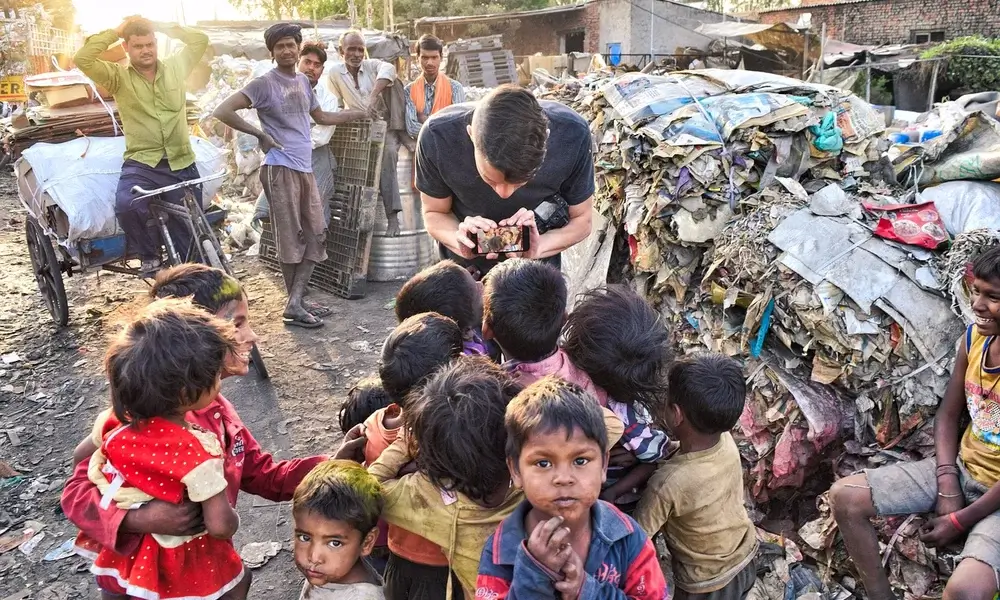

Slum Tourism: The Real Experience Under the Microscope
For those with a curious eye toward authentic exploration, slum tourism offers an intense glimpse into environments shaped by economic hardship. This trend involves visiting impoverished neighborhoods where residents lack legal rights to property and access to basic necessities such as clean water and sanitation. While travelers seek an eye-opening experience, this type of tourism raises important questions regarding its impact—whether it empowers or exploits local populations living on society’s margins.
Historical Roots: From London’s East End to Global Slums
The practice of “slumming” dates back to the 19th century Victorian London, when wealthier citizens explored the city’s poorer districts out of curiosity or social expeditions. This early form of slum tourism inspired similar trends in other parts of the world, such as the United States by the 1880s. Fast forward to modern times, and slum tourism has become a booming industry in cities like Mumbai, Cape Town, and Rio de Janeiro. For instance, the Dharavi slum in Mumbai gained worldwide recognition following the movie “Slumdog Millionaire”, drawing significant tourist attention, although the living conditions remain extremely cramped and challenging for many residents.
Controversy and Criticism: Poverty as a Spectacle
Critics often describe slum tourism as a form of voyeurism or “poverty porn,” where the suffering of the disadvantaged becomes a spectacle for tourist entertainment. Imagine having outsiders frequently wandering your neighborhood, taking pictures, and treating your daily hardships as curiosities. This can raise serious ethical concerns about dignity and respect for local communities. While some tourists describe their visits as “life-changing” or “enriching,” the effect on the inhabitants — who are at the center of these tours — is often overlooked or misunderstood.
“There is a thin line between exploration and exploitation.”
Economic Impact: Who Benefits From Slum Tourism?
The economic repercussions of slum tourism are complex and vary widely. In theory, tourism provides an income stream in areas where few alternatives exist, supporting small businesses and creating jobs. However, the majority of profits are frequently absorbed by larger, often international tour companies rather than the local community. For example, tours in the Dharavi slum reportedly generate hundreds of millions annually, yet the extractive nature of this industry means that many slum-dwellers see little direct financial benefit.
Governments and tour operators in some regions pitch slum tourism as a catalyst for infrastructure improvements and health or education projects. Yet, the actual reinvestment into these communities often falls short of promises, leaving the ethical question of who truly gains unresolved.
The Role of Awareness and Ethical Touring
Some organizations are striving to create more ethical slum tourism experiences. These initiatives involve locals in guiding the tours, returning profits directly to the community, and restricting photography to preserve privacy. Such models aim to empower residents and foster mutual respect between visitors and hosts. This more conscious approach highlights the possibility that tourism can raise genuine awareness about poverty rather than merely commodifying hardship.
| Ethical Slum Tourism Initiatives | Tärkeimmät ominaisuudet |
|---|---|
| Smokey Tours | Returns 100% of profits to locals; guided entirely by residents; no photography allowed |
| Reality Tours, Mumbai | Donates 80% of profits to local NGOs; highly rated for respectful, informative experiences |
How to Avoid the Pitfalls of Slum Tourism
Travelers hoping to explore marginal areas with respect and sensitivity should carefully research their options. Important questions to consider include:
- Who organizes the tours, and what percentage of profits go to the locals?
- Are the residents involved in the design and operation of the tours?
- Does the tour aim to educate or simply provide an adrenaline rush?
- Is the group size small enough to limit disruption in these fragile communities?
Preparing with these considerations helps navigate the fine line between insightful exploration and disrespectful exploitation.
Summary: Weighing the Delicate Balance
Slum tourism sits at a crossroads of offering honest awareness and running the risk of exploitation. Its economic benefits for impoverished areas are often limited but present, while the ethical concerns surrounding dignity and respect remain pressing. For global travelers looking beyond typical destinations, this tourism style demands thoughtful participation and an understanding of the local context.
How GetTransfer.com Supports Thoughtful Travel
When planning trips that explore diverse cultures and communities, platforms like GetTransfer.com can enhance the experience by providing transparent access to a wide selection of vehicles and transfer services tailored to your needs. With GetTransfer, you can select your exact vehicle type, review details such as make, model, and driver ratings beforehand, and avoid surprises typically associated with traditional booking sites. This transparency and choice allow travelers to focus on the journey and destination with confidence and respect.
Lopulliset ajatukset
Understanding the challenges and opportunities of slum tourism shines a light on broader themes of ethical travel and economic development. While reviews and reports provide valuable insights, nothing replaces firsthand experience done mindfully and responsibly. On GetTransfer, you can hire a car with a driver from verified providers at competitive prices, ensuring your urban or rural adventures come with convenience and dignity. Choose from a variety of vehicle types, whether a private taxi, limousine, or multi-seater, to suit your city, airport, or destination transfer needs without guesswork or inflated fares. Book your ride now with GetTransfer.com and embark on your travels with transparency and ease.
Katse eteenpäin
While slum tourism may have only a localized effect on global travel patterns, it remains a critical subject in discussions about ethical tourism and sustainable development. As the world changes, staying informed is essential. GetTransfer aims to keep pace with evolving tourism trends, helping travelers make well-informed, conscientious decisions. Start planning your next adventure and secure your worldwide transfer with GetTransfer.
Kommentit