



 Suomi
Suomi  English (UK)
  Русский
  العربية
  日本語
日本語  한국어
한국어  Magyar
  Türkçe
  Español
  Čeština
  Svenska
  Português
  Ελληνικά
  Nederlands
  Română
  Italiano
  Français
  Polski
  Українська
  Deutsch
  简体中文
简体中文  Slovenčina
  How Palma de Mallorca’s Biometric Border System Transforms Entry for UK Visitors">

Biometric Border Control at Palma de Mallorca Airport
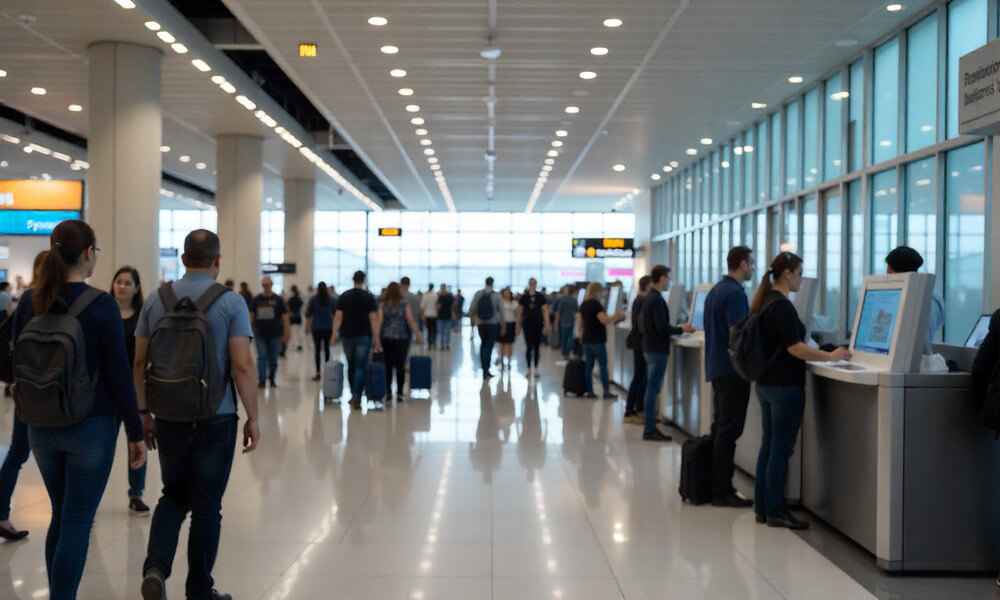
Starting November 19, Palma de Mallorca Airport rolled out a pioneering biometric border control system for UK travellers. This new digital framework is part of the EU’s Entry/Exit System (EES) and replaces the old-fashioned passport stamping method with the collection of facial images and fingerprints. The shift brings significant improvements in security and smoother border processing, aiming to cut wait times and give authorities enhanced tools to monitor visitor movements throughout the Schengen Area. While initial teething problems may cause delays, the long-term benefits for UK nationals entering Spain are clear: a more secure and faster travel experience.
What Changes at Passport Control?
The biometric system replaces manual passport stamping with an advanced collection of biometric data when UK travellers first arrive in Majorca. This includes scanning passports, capturing facial photos, and registering four fingerprints. The data is securely stored within an EU database, tracking entry and exit timestamps and locations across Schengen countries. Essentially, this offers the authorities a powerful way to monitor short stays and strengthen border security.
The upgraded process means UK visitors will need to anticipate some prolonged waiting times during the initial phase, as staff and digital kiosks adapt to the new technology. In the meantime, traditional passport stamping remains alongside biometric checks until full transition occurs. Eventually, all border control will be handled digitally, phasing out manual checks entirely.
Broader EU Rollout and Additional Requirements
Palma de Mallorca Airport’s system comes after successful deployment at Madrid airport and recent installations in Menorca and other Spanish airports. Across Europe, the EU is gradually introducing this digital border management system to modernize controls and improve overall travel efficiency, though timing of adoption varies by location.
Additionally, British travellers will soon need to apply for the European Travel Information and Authorisation System (ETIAS). This travel authorisation costs around €20 and is valid for up to three years. Required once the EES is fully operational, ETIAS is designed to further tighten security checks and make the entry process more seamless for all visitors.
Practical Tips for Travelers
- Ensure your passport is biometric and valid for travel.
- Allow extra time at passport control during this transition phase.
- Be ready to present supplementary documents like hotel reservations, return tickets, and proof of onward travel.
This updated system may come as a surprise for those used to quick, hassle-free arrivals based on simple passport stamps. It’s now more important than ever to come prepared and adjust expectations around border procedures.
How Biometric Entry Enhances Security and Convenience
This new biometric approach benefits all parties by reducing fraud, preventing overstays, and increasing the efficiency of immigration control. Rather than repeated manual checks, biometric registration is completed once, becoming valid for three years or until passport expiration. Subsequent entries simply verify stored data, speeding up repeat visits and helping authorities quickly identify those overstaying their permitted 90-day Schengen limit.
Comparing Old and New Entry Systems
| Aspect | Before Biometric System | With New Biometric System |
|---|---|---|
| Entry Method | Manual passport stamping | Facial recognition and fingerprint scan |
| Data Recorded | Passport details only | Biometric data plus travel timestamps |
| Security Level | Kohtalainen | Enhanced, digital fraud prevention |
| Processing Speed | Slower, especially for repeat entries | Faster after initial biometric enrollment |
| Validity of Registration | Per visit | Up to 3 years or passport expiry |
Implications for Transfers and Travel Planning
For travellers planning transfers and airport pickups, these border control changes may affect timing, especially during the system’s ramp-up phase. It’s smart to factor in extra time when booking taxis or private transfers at Palma de Mallorca Airport. Platforms like GetTransfer.com offer the advantage of transparency, allowing passengers to choose their exact vehicle, view driver credentials, and see detailed vehicle information. This level of clarity can ease the stress of uncertain arrival times and ensure private transfer services are ready for pick-up when travellers finally clear border control.
GetTransfer.comin kautta tehtävän varauksen edut
- Wide selection of vehicle types, from limousines to cheap cabs
- Ability to view exact car make, model, and driver rating before booking
- Fair prices with clear fare details and no surprise fees
- Reliable service linked to verified providers
Looking Ahead: What to Expect
The transition to the biometric entry system is expected to complete by April 2026, after which passport stamps will be phased out across Schengen border points. British travellers visiting Majorca and other Schengen destinations can anticipate quicker and more secure check-in experiences in the long term, but must remain patient while the system beds in.
In summary, the new biometric border system at Palma de Mallorca Airport represents a clear step forward in travel security and efficiency for UK visitors to Spain. The adjustment period may require some extra patience, document preparation, and longer waits, but the improved infrastructure promises smoother future trips and enhanced control against overstays.
While headlines and reviews can give a general sense of what to expect, nothing beats firsthand experience. On GetTransfer, travellers gain the advantage of hiring cars with drivers from verified providers at competitive rates, ensuring seamless connections to and from Palma airport. Its wide variety of vehicle options, combined with straightforward pricing and transparency, helps visitors make the smartest choices for their transfer needs. Book now and enjoy the convenience and reliability GetTransfer.com offers.
This development fits neatly into the evolving global tourism landscape, where technology streamlines travel processes and elevates security. Although the impact might not dramatically shift global tourism flows, such innovations keep travel safer and more efficient for millions. As these changes roll out, GetTransfer remains committed to keeping pace, providing travelers with reliable, uncomplicated transfers worldwide. Start planning your next adventure and secure your transfer with GetTransfer.
Ultimately, paying attention to these updates and preparing accordingly will help ensure that your arrival at Palma de Mallorca is as smooth as possible, especially when combined with well-planned taxi services where timing and reliability are everything. Whether it’s a private limousine or a convenient cab, knowing exactly what to expect upon entry helps turn travel stress into smooth journeys from airport to destination.
Kommentit