



 Suomi
Suomi  English (UK)
  Русский
  العربية
  日本語
日本語  한국어
한국어  Magyar
  Türkçe
  Español
  Čeština
  Svenska
  Português
  Ελληνικά
  Nederlands
  Română
  Italiano
  Français
  Polski
  Українська
  Deutsch
  简体中文
简体中文  Slovenčina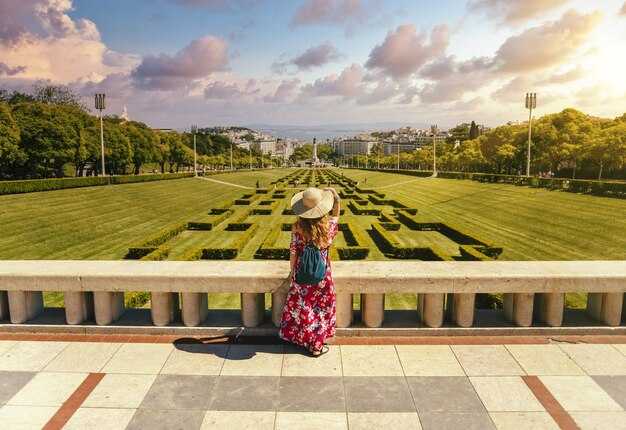

Start your Lisbon visit with a clear plan: walk from Praça do Comércio through the main sights toward Alfama, then ride tram 28 to Graça for a photo of the river beyond. Keep the pace relaxed and select 3–4 paras stops for the morning so you see the city without rushing.
In Alfama and Baixa you feel the atmosphere shift with the light. The paras places to start are Praça do Comércio, Rua Augusta with its arcades, and the hilltop miradouros. At Miradouro de Santa Luzia and Senhora do Monte you get sweeping views; the scene is refreshing in the late afternoon. For each district, map a quick loop of cobblestones, tilework, and cafe culture, then rest at a sunlit square to watch life unfold.
When you ride the tram or metro, buy a Viva Viagem card and load 5–10 euros; a single ride costs about 1.50–2.00 euros with card. On busy evenings in Bairro Alto, you’ll hear a party vibe from street musicians and small venues. If you strike up a conversation, you may hear todiste that locals value quiet mornings and lively nights alike. A mere accident on a cobbled corner became a funny moment when a staff member quickly corrected the route with chalk, and a nearby person helped, which spaniards and other visitors remembered as a sign of Lisbon’s warmth. A ukrainian traveler later shared a bright photo of the sunset over the river from a rooftop bar, and observed how the city invites personal moments.
The tips you sifted from guides help you pick your own paikat and tailor the day to your mood. In each neighborhood you notice an energy that ranges from quiet to lively. The paras starting points remain the riverfront, the hills, the Alfama courtyards, and the LX Factory–these spots give you a sense of Lisbon that sits beyond the brochures. Lisbon’s atmosphere is not a single note; it’s a mix you can tailor by time of day and company, from a refreshing morning stroll to a late-night party kohtaus.
Exact Location of the Lisboa Welcome Center in Lisbon
Go to Praça do Comércio, 1100-148 Lisboa, and you will find the Lisboa Welcome Center inside the riverfront building; look for the glass foyer and a clearly labeled welcome desk on the ground floor. The approximate coordinates are 38.7079°N, -9.1366°W.
Open daily from 09:00 to 18:00; there is no toll to enter, and locals commonly point the way. The desk offers information, maps, and a small display of valokuvat of city sights. Staff speak several languages, ready to provide additional guidance for first-time visitors and to answer questions about needs and itineraries. If you arrive with a group, you can request a personalized plan and a brief analysis of your interests.
How to reach the Welcome Center
From Baixa-Chiado, exit toward Rua Augusta and follow it to Praça do Comércio; the center sits inside the riverfront hall, a short 5–7 minute walk from the square’s arches. From Cais do Sodré, take tram 15E toward Praça do Comércio and alight near the river; it’s a quick stroll to the entrance after you leave the stop. If you drive, parking is available in the citys garages along the river; there is no toll to access the center itself, and locals usually point to the closest lift or escalator for ground-floor access. The site is near a church square, which makes for an easy landmark when you arrive.
What you will find there
Inside you will access information ja content such as practical guides, city maps, and valokuvat of highlights. They present documents about tours, events, and puzzles for younger visitors. If you need guidance before exploring Lisbon, tell the staff; they offer personalized recommendations and note hinnat for any paid add-ons. For researchers or investigators, staff can help with citing credible sources to your notes and share pointers you can pass to others.
Getting There: From Lisbon Airport to the Welcome Center
Take a taxi or ride-share from the arrivals hall for the fastest, most predictable path to the Welcome Center. In light traffic, expect 15–25 minutes; in the morning peak, plan 25–45 minutes, and budget around 25–30 euros.
Public transport works well too. Use a Viva Viagem card or a contactless card; from the airport, ride the red metro line to Alameda, then transfer to the blue line toward Baixa-Chiado and walk 5–10 minutes to the Welcome Center. The Welcome Center serves nationalities from around the world, and before you travel you should top up your card and know the fare.
Alternative: Aerobus express to central stops near the Welcome Center. This option offers direct access with fewer transfers, but check live timetables; expect 30–40 minutes depending on traffic. Signs at stops guide you; additional routes may create scattered stops but provide good access to central squares.
Note on rare events: an inspection tomorrow could trigger a statement; reporters may be held back from the arrivals area, creating a somber mood and mourning around the site. Access to some transport lanes may be temporarily restricted, requiring you to follow additional signage. Forensic teams might be on standby, and, if so, you will be offered alternative routes. If delays occur, you won’t feel betrayed, as staff are offering help again to guide you along the fastest possible path.
As you arrive, a warm Welcome Center awaits; the sun has risen, and staff are ready with maps, tips, and a quick check-in to start your Lisbon visit smoothly.
Opening Hours and Peak Visit Times
Plan a 9:00 start on weekdays to beat crowds, save time, and keep your freedom to explore without pressure.
- General hours at a glance: Most major sights run 9:00–18:00, with some venues opening 9:30–17:30 and a few staying open later in peak summer. Many places close on specific days, so always confirm the exact day and last-entry time on the official page.
- Specific sites:
- Castelo de São Jorge: 09:00–21:00 daily; sunrise and sunset views are highlights; lines are shorter if you arrive early.
- Mosteiro dos Jerónimos: 10:00–17:30; last entry around 17:00; closed on Mondays.
- Oceanário de Lisboa: 11:00–20:00; last entry around 19:00; weekends draw bigger crowds.
- MAAT: 11:00–19:00; check current exhibitions, as hours can shift.
- Calouste Gulbenkian Museum: 10:00–18:00; the surrounding park area remains pleasant outside entry hours.
- Free and reduced hours: Some venues offer free entry on specific days or times; plan accordingly and bring ID for discounts where applicable.
- Seasonal changes: In summer, longer hours and higher volumes; in winter, earlier closures; adapt your route and pacing accordingly.
- Practical notes: If you drive, toll roads may apply to outlying routes; public transit often saves time and avoids parking hassles. For independent travelers and families, a flexible plan works best, as each site can differ by day and exhibit.
- Peak visit times and crowd patterns: Weekends, holidays, and school breaks bring the heaviest activity, especially from 11:00 to 13:00. Midday rush moves along busy avenues and in tight lines near the most popular viewpoints; passersby along pedestrian streets add to the liveliness. To keep things comfortable, aim for early morning 09:00–11:00 or late afternoon 15:00–17:00, when queues shrink and the light is nice for photos.
- Seasonal crowds by area: Alfama’s narrow lanes sway with activity around sunset, while the Baixa-Chiado corridor sees longer lines near key squares. If you’re after one‑of‑a‑kind views or a quiet moment, head to less-trafficked terraces or smaller museums on weekdays.
- Tips for timing:
- Book tickets online with a specific time slot to continue your day without waiting in line.
- Canadians, families, and solo travelers alike benefit from a plan that starts early and leaves a buffer for spontaneous strolls along the riverfront avenue.
- If you must drive, consider off-peak hours to avoid toll queues and congestion; otherwise, public transit helps you save time and stay independent.
- Avoid rushing: careen between sites too quickly and you’ll miss details. Instead, pick different neighborhoods to explore and meet again at a central meeting point.
- For those seeking a lighter pace, choose fewer sites per day and use the information boards or apps at each stop to tailor timing to what matters most to your group.
- Quick planning notes:
- suportefpieulisboapt appears in a few quirky guides as a placeholder string; rely on official information for precise timings.
- A Saint-related tile walk near Castelo can offer a calmer route; look for saint iconography in the area as a theme for a different route.
- Line management: start at an anchor site, then move along an independent route to avoid backtracking and save time for a last‑hour stroll along the river.
- Again, verify hours the day before; schedules shift with events, exhibitions, or weather.
- Useful contacts and information: Check official sites, city tourism pages, and museum apps for the latest information, maps, and tips. For a busy city day, this reduces surprises and helps you plan a smooth, enjoyable route along the main avenues and smaller streets.
By aligning your plan with these hours and times, you can enjoy a flexible itinerary, save time, and experience Lisbon’s different neighborhoods with less stress. This approach works well for each member of the family and for Canadians exploring the city, as well as for independent travelers seeking a steady rhythm rather than a frenetic dash again and again.
Services Available at the Lisboa Welcome Center
Begin with the 10h00enrolment to confirm your day’s plan and reserve seats for popular tours; if needed, switch to 14h00enrolment for later sessions. The desk handles both walk-ins and pre-booked slots, among many options, so you can tailor your schedule without stress.
The center offers friendly guidance on local transport, including the iconic funiculars. Ask staff to lay out a route that combines a climb to viewpoints with a scenic walk, and they will provide clear stage-by-stage directions. If you encounter a somber queue elsewhere, the Lisboa Welcome Center can help you adjust and call ahead to check availability.
We keep accurate records of your preferences, so future visits move faster. Observed patterns show that arriving a bit before peak times reduces wait times; staff will elaborate the best times for your needs and speak to you in plain language.
For international travelers, the team can share practical tips about moving around Lisbon with medicine considerations and travel abroad guidance. Among many international travelers, some ask about Montenegro and other destinations; staff point to verified resources and help you work with sifted information to stay safe and informed.
| Palvelu | What you get | Muistiinpanot |
|---|---|---|
| Information Desk & Enrolment | Confirm plans; 10h00enrolment and 14h00enrolment slots are available | Walk-ins welcome; multilingual help |
| Transport Guidance | Details on funiculars; route suggestions; climb to viewpoints | Stage-by-stage directions provided |
| Records & Support | Visit records kept; quick check-ins for repeat visits | Call if plans change |
| International Traveler Assistance | Health tips, medicine considerations, travel abroad guidance | International travelers welcome; Montenegro info available |
Using Maps, City Guides, and Staff Assistance
Download an offline Lisbon map and pick up a concise city guide at your hotel front desk or the main tourist office. This protects privacy and gives you reliable routes without depending on live data. A brief briefing from staff can cover civil safety tips and an evening route that avoids crowds. Some printed sheets include suportefpieulisboapt as a light-hearted tag – a small reminder that helps newcomers who have been exploring unfamiliar streets. You’ll see maps that show access to buses and walking paths, and you can ask staff to mark a castro hillside starting point for a sunset stroll. Israelis and other tourists often appreciate this practical overview.
Maps and Transit
Maps guide you to high-traffic bus lines that connect the historic center with attractions, museums, and the riverfront. They indicate access to hubs such as Cais do Sodré, Baixa-Chiado, and the waterfront tram stops. Check the last departures if you’re out after events; official schedules are reliable and easy to follow. In September, the city calendar highlights events near Rossio and the Bairro Alto nightlife, with nine notable attractions commonly recommended for first-time visitors, like Alfama and other historic quarters. These maps help you keep fatigue low and maximize time for strolls along the riverfront. This also helps you avoid high crowds during peak hours.
Guides and Staff Support
Ask for a staff-assisted route map and a short briefing on civil-safety tips, nearby toilets, and stroller- or wheelchair-friendly paths. They can point you to the best viewpoints and tell you which walking routes are suited for families or solo travelers. Trust in their local knowledge, and verify details with articles from official portals or city reporters before you commit to a plan. Municipal notes may include forensic safety guidance for crowd conditions. In this phase of your trip, use a printed list of credible events and locations to decide which attractions to visit. If something seems off, however, ask for a quick recheck with a supervisor to keep your day smooth and private.
Nearby Transport Links and Accessibility Options
Get a Viva Viagem card before you arrive abroad; it operates on metro, buses, trams, and trains, and you can top it up at machines to save time and privacy at gates. Each ride uses the same card, so you avoid multiple tickets during your Lisbon stay.
The Metro operates four main lines and connects the airport with downtown in about 20-25 minutes; trains run from early morning until around midnight, with higher frequency at peak hours. Use your Viva Viagem card to tap at gates, and plan transfers at central hubs such as Baixa-Chiado, Saldanha, and Oriente.
Accessibility features include step-free access at most stations, elevators at major interchanges, tactile guidance for visually impaired passengers, and seating in carriages. Staff and station agents can assist you if you need help navigating a platform or finding the right line.
Three classic funiculars–Elevador da Glória, Elevador da Bica, and Elevador da Lavra–link downtown with Bairro Alto and the riverside. Take the Glória, then the Bica for a scenic descent; then a short walk along the waterfront is easy for a family outing. A note from davó highlights that these short hops stay within a pedestrian-friendly zone.
For trips beyond the city, the CP regional network serves Estoril, Cascais, Sintra, and nearby towns; you can use the same Viva Viagem card on trains and buses. If you rent a car for day trips, be aware of toll costs on highways; rail remains a convenient alternative to save time. If you travel with family, look for multi-leg passes to reduce transfers and time spent at inspections.
From the airport, the Red Line reaches downtown in about 25-30 minutes with a single change at Alameda; check live boards for delays, especially in september when crowds grow. This option avoids airport taxi queues and helps you start your Lisbon visit with less stress.
Officers from the transport authority conduct inspections at key points; keep your card handy and avoid fines. If you need privacy while using ticket kiosks, use the self-serve machines with a PIN and avoid linking personal data to shared devices.
Nearby transport links keep you within easy reach of downtown museums and arts venues; the riverfront stops are friendly, and you save time by staying on the same line instead of switching often.
Travelers arriving from montenegro or abroad can use the Viva Viagem card across operators; ask at the first station for English instructions, and you’ll be ready to explore within minutes.
Practical Tips for First-Time Visitors to the Center
Begin by descending from Avenida da Liberdade toward the river, then cross toward Baixa to land in the heart of Lisbon’s center as the city has risen into full color.
Only carry a compact bag, a bottle of water, and a map on your phone; this keeps you flexible as you continue exploring the center.
Keep an account of your route with a simple note or photo diary, and use a destination checklist to avoid backtracking across narrow streets.
What you see along the way blends a refreshing river breeze with somber reminders of civil history; the overhead cables hint at the tram lines that still weave through the center.
In glória, a short detour offers a view across the Tagus and a chance to take a photo of the azulejo tiles; a cape breeze often lifts the scent of pastry shops.
September crowds mean early starts; canadian and germans travelers join guided walks, which helps you collect context as you move.
If you need help, calling 112 is quick, and you can ask a passerby for directions; a friendly local person can point you to the next landmark.
Sign up for city newsletters to get up-to-date tips, citing local sources, so you can adjust plans if a venue closes or a parade blocks a street. Additional maps are available at the tourist office to supplement your plan.
Be mindful of past incidents where a tram crashed on narrow streets; some historical notes mention people who died in past accidents, so stay on sidewalks and continue at a safe pace to reach your next stop.
Kommentit