



 Suomi
Suomi  English (UK)
  Русский
  العربية
  日本語
日本語  한국어
한국어  Magyar
  Türkçe
  Español
  Čeština
  Svenska
  Português
  Ελληνικά
  Nederlands
  Română
  Italiano
  Français
  Polski
  Українська
  Deutsch
  简体中文
简体中文  Slovenčina

Start Day 1 at Marina Bay and walk along the coast toward the Singapore River; this setup gives you a crisp introduction to the city’s contrasts between glass towers and green spaces. Example routes pair Gardens by the Bay with the Marina Bay Sands boardwalk, then cap the evening with a photo stop along the river and a light show at the skyline. Keep an eye on observation points to time sunset with city lights; you’ll live the vibe rather than just observe.
Day 2 dives into diverse districts: Chinatown, Little India, and Kampong Glam. Start with breakfast from a hawker stall, perhaps nasi lemak or kaya toast, then sample pork dishes at a bustling market. The street scenes, art walls, and cafés create a lively mix of flavors, with banana fritters and diverse cuisines adding a playful note around the market squares. This segment helps you map the ways to traverse the CBD and offices nearby, while you savor every bite.
Day 3 centers on Duxton Hill in the evening: preserved shophouses, quiet courtyards, and a live music vibe. Start with a morning stroll through Tiong Bahru for a retro cafe scene, then loop to the keng area for modern eateries. In the evening, a show at a duxton venue delivers a compact dose of local culture. A gabriadze-style mural nearby and a kazbegi-inspired color palette on shopfronts add a cross-continental twist; you can capture a few frames before turning toward the river for a night stroll.
Day 4 offers a finale that spans river views and coastlines: start with a morning stroll along the Singapore River, then head to the southern coast for a beach walk or a Sentosa stroll. A longer ride by river taxi ties the loop together, with photo stops at each landmark. For a last bite, try seafood at a coastal stall and savor the final delight as you plan the remaining hour.
Day 1: Morning at Marina Bay Sands SkyPark, Gardens by the Bay, and Supertree Grove
Start at 8:15 am with Marina Bay Sands SkyPark for a 360-degree city view and calm light before the crowds grow. Buy tickets online to click through quickly and save time; expect about 60 minutes for photos, a quick walk around the deck, and a moment to take in the skyline. If you’re visiting from australia or home, a lightweight umbrella helps when the humidity shifts and a thin jacket protects you during the breeze off the marina. Conditions are often best in June, when mornings are cooler and visibility is clear.
From SkyPark, head along the Marina Bay promenade toward Gardens by the Bay. The route is well-signposted and mostly shaded, a 15–20 minute stroll depending on pace. Along the way you’ll see iconic views of the Esplanade, the financial district, and the Supertree Grove in the distance–a familiar scene for tourism photos and a good chance to catch the most photogenic angles of the bay. If conversation with a local guide interests you, ask about the best photo spots; staff at the ticket counter can also point you to the equally photogenic corners that aren’t swamped by crowds.
-
Gardens by the Bay – Flower Dome and Cloud Forest: Enter through the Sun Pavilion and walk through climate-controlled displays that feel far cooler than the morning air. The Flower Dome showcases plants from five continents, with seasonal displays that rotate in different months; the Cloud Forest features a towering waterfall and a mist-filled walkway that resembles a rainforest hike without leaves you exhausted. Plan 60–75 minutes to explore both domes, plus a brief pause to sip a herbal tea or herbal blend at a cafe nearby.
-
Outdoor gardens and herbs: Outdoor paths weave between groves and art installations; keep an eye out for small herb pots and aromatic plants along the terraces–great for a quick sensory break. This area is a same-day highlight for most visitors, and you’ll find benches to rest for five minutes and reset before the next stop.
Next, walk to Supertree Grove to complete the morning circuit. The Supertrees rise above the lawn with dramatic silhouettes against the sky, and the grove makes for one of the most well-known backgrounds in Singapore photography. A short stroll through the grove gives you a sense of scale, and you can lean on handrails for a steady shot or simply enjoy the shade and the cool breeze coming off the water. If you have time, a quick detour to a low bridge near the grove creates a dramatic cross-light effect for photos. Expect a five-minute pause to absorb the scene before moving on to the rest of the day.
After the Supertree stroll, consider a quick cultural detour: Chinatown offers well-known temples and bustling markets where you can sample street foods or pick up small souvenirs (souvenir stalls selling snacks and crafts are common). If you’re traveling with a companion, you might chat about how the day’s pace suits both of you, or plan a short break at a nearby cafe–maybe a herbal tea or a light snack–before continuing to the afternoon portion of your map. If you’re keeping to a tight schedule, you can catch a quick ride to your next stop or walk back along the waterfront to enjoy the morning light one last time. This plan is designed for visiting during the first days of your trip, when energy is high and the city feels fresh and inviting.
Tips to optimize the morning:
- Buy SkyPark tickets in advance to shorten line times.
- Bring an umbrella or light rain shell; conditions can shift quickly near the water.
- Wear comfortable shoes for a longer walk; plan a five-minute rest mid-route.
- Arrive early to avoid the worst heat and crowds; this is particularly helpful when visiting in June or during busy tourism periods.
- Check transit options if you’ll be moving between districts; a short MRT ride from Bayfront Station to the Gardens exit is convenient for many visitors.
If you’re continuing the journey later in the day, think of Chinatown as a nearby option for a different energy, or head toward tiong Bahru for a coffee break before resuming your exploration. For travelers arriving from dhabi or other long-haul routes, this morning sequence provides a steady rhythm–wakeful, relaxed, and perfectly aligned with the Singaporean climate–so you can greet the day with confidence, sleep later if you wish, and still have plenty of time to enjoy the city’s best spots over the next days.
Day 1: Afternoon stroll from Merlion Park to Esplanade and Riverside Walk
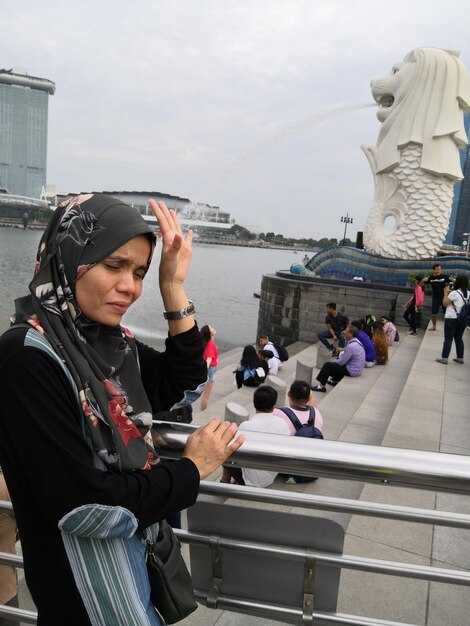
Begin at Merlion Park at 3:00 p.m. and follow the Riverside Walk toward Esplanade Theatres on the Bay for premium bay views and a humid breeze off the water. The 1.6-kilometer route passes Boat Quay and Clarke Quay, with a number of photo stops where ferries glide by and the skyline shifts from gold to neon. One quarter into the walk, pause at a shady corner for a quick breath. Bring additional water and a compact cutlery set if you plan a light snack on the go. Along the quay you see gifts and arts stalls offering local crafts. Esplanade’s forecourt opens into arts spaces; you can join a short program if one is on and catch a film on the lawn when the weather allows. The walk is easy to follow and offers a humid charm that invites looking at the water and city silhouettes.
After Esplanade, the route continues along the riverfront walkway, and the riverfront sees a mass of locals and visitors sharing the space. For a five-minute detour, ordering a coffee or a toast at a waterfront cafe adds a pleasant pause. If time allows, a quick ride toward Sultan Mosque in Kampong Glam offers a changing world of architecture and calm spaces; it also provides a nice canning option for a longer afternoon. The area along the way reveals singapores energy through gift stalls, snacks, and premium eateries, so you can dine or scoot back toward your hotel. The route continues to offer extra photo ops and viewpoints as the city shifts from day to night, and the Esplanade ballet programs can provide a final cultural touch if you stay later. For history buffs, a quick extension can link to the Civic District, where railway heritage signs offer context. Tip: carry an umbrella for the humid weather and keep an eye out for additional moments to pause and take in the changing lights over the water.
Day 2: Orchard Road shopping spree and a scenic Singapore River cruise
Start at Ion Orchard to anchor a brisk shopping spree, then trace Orchard Road’s central spine through lanes that connect Ion, Ngee Ann City, and Paragon to Scotts Square. Nearby, a quick break at a Hainanese cafe delivers fragrant chicken rice, a tasty link to local flavour. The decor along the street shifts with the day, and some spots are photogenic enough to merit a snapshot even if you’re pressed for time. If you get lost amid the options, use this schedule and ordering: electronics and beauty first, fashion next, home decor last, ideally. The nearby citys central neighbourhoods offer a few somewhat quieter outlets for a calm pause, and a thud of footsteps on a quiet mezzanine signals a good moment to regroup. When visited during Christmas, the red signage and whimsical window displays glow beautifully, turning a routine shopping stroll into a memorable experience.
Orchard Road shopping: spots and strategy
Hit Ion Orchard, Takashimaya in Ngee Ann City, and Paragon for a balanced mix of global brands and Singaporean labels. Think young silhouettes, clever athleisure, and well-designed decor items that translate well as gifts. Order by category (ordering) to keep momentum: electronics and beauty first, fashion second, then home accents and decor. A solid choice is to plan 2–3 hours from start to finish to cover the core spots without rushing. If you want a calmer stretch, head to nearby Orchard Central and its quirky concept floors, then loop back to the main drag for street performances and food stalls. For a quick bite, a nearby red storefront on Scotts Road serves light bites with a modern twist, while a small Hainanese stall near Wisma Atria offers a compact, authentic option for a late afternoon snack. Linville Lane in the citys central neighbourhoods may yield a hidden gem for enamel mugs or whimsical decor, a neat find for a fast, photogenic souvenir. If you’re pressed for time, choose a handful of items and move on–the day rewards efficiency and smart choices.
Singapore River cruise: views and schedule
Book a bumboat from Clarke Quay or Boat Quay to ride along the Singapore River, with a 30–40 minute loop past historic shophouses, Esplanade, Merlion Park, and Marina Bay skyline. The cruise offers two vibes: daytime clarity and evening lights, both showcasing photogenic viewpoints of Fullerton Hotel and the citys dramatic waterfront. Tickets run roughly SGD 25–35 per person, with options for sunset or night cruises to catch the skyline glow. Arrive 10–15 minutes before departure to secure seats, especially on weekends. If you plan ahead, you can align the cruise with a riverside dinner or a late-night drink near Clarke Quay, then wrap up by exploring nearby neighbour hoods before returning to your hotel. This combination–Orchard Road pacing with a river cruise–creates a balanced day that feels compact yet rich in colour, lights, and memorable views.
Day 3: Sentosa Island highlights: Universal Studios, SEA Aquarium, or beach time
Universal Studios Singapore should lead your day for a light, heart-pounding start, ideal for visitors who are young at heart. The decor and set pieces feel cinematic, and the more you ride early, the more you’ll avoid longer lines behind you as the day heats up. After an hour or two of thrills, you can shift to calmer pace without losing momentum.
-
Universal Studios Singapore
- What to expect: seven themed zones with rides, shows, and character meets that offer something for families and thrill seekers alike. Expect a mix of high-energy coasters and gentler attractions, all wrapped in a direct, easy-to-navigate layout.
- Plan in minutes, not hours: arrive around 10:00 and target 3–4 hours of clocked time, leaving room for a few snack breaks at the table near the Food Court. If you’re visiting in february, you’ll notice lighter crowds in the mornings and warmer, sunlit afternoons in the centre of the park.
- Practical tips: use the shorter queues for popular rides by riding in the first half of the day, check show timings behind the main street, and map a 300–meter route between major zones to stay efficient. The moonlit night shows (where offered) are a great option if you’re heading back to your hotel earlier in the evening.
-
SEA Aquarium
- What you’ll see: a world-class oceanarium with multiple galleries and a 360-degree underwater viewing experience. An observatory-like deck offers sweeping views of the central tank, making it a perfect pause between rides–watching sharks and manta rays glide by while you cool off.
- Visiting tips: spend 60–90 minutes exploring the different zones, then exchange tips with other visitors in the centre of the pavilion to maximize your time. The walk from Universal Studios to the SEA Aquarium is direct and mostly sheltered, so you stay comfortable in light summer attire.
- Food and comfort: quick snacks at the exit area work well if you’re balancing a light meal with later beach plans. If you’re traveling with kids, a short break here can be the perfect table-turning moment to reset energy.
-
Beach time: Palawan or Siloso
- Why it’s worth it: galore options to stretch out, splash, or simply lounge in the sun. Palawan Beach has the equator marker–the photo opp is iconic and fun for a quick walking break, while Siloso offers volleyball nets and lively beach bars for a more social vibe.
- Practical tips: bring light clothing, sunscreen, and a hat; if you’re exchanging currency on the island, keep cash handy for hawker stalls galore that line the promenade. A quick dip in the hotel pool afterward is a nice way to unwind without worrying about traffic or timing.
- Duration and timing: plan 90–120 minutes of beach time, with a flexible window to push a bit longer if you’re enjoying the sunset glow. February light is gentle, and the air often feels easy to breathe, making the longer stretch of beach a pleasant option.
Heading back to the centre, you’ll feel the contrasts between high-energy rides, a calm underwater world, and golden sand–three options that complement each other while keeping worry to a minimum. If you’re visiting, you’ll find the day flows smoothly, with enough options to tailor the pace and keep the momentum going between attractions and breaks.
Day 4: Chinatown, Little India, and a hawker center food crawl
Begin in Chinatown with a brisk morning walk past Sago Street markets, then visit the Buddha Tooth Relic Temple and the Sri Mariamman Temple. A painting on a side wall and ornate carvings set a vivid tone for the day, and you can pick up practical information at the temple kiosks. After a light snack at a small stall, continue to the market floors of Chinatown Complex for a round of bites that showcase flavors from smoky soy to crisp fried dough.
Hop to Little India to soak in color, incense, and busy lanes. Tekka Market and the surrounding eateries offer several prata options, curries, and refreshing teh tarik. A short stroll lets you savor a few small tastings, then circle back to a couple of photo-worthy walls with opera motifs–a cute contrast to the spicy scents drifting from stalls. Travelers interested in a quick, stacked tasting will find this area ideal for finding one or two favorites without a long commitment.
Conclude with a hawker center crawl to round out the day. Lau Pa Sat supplies satay skewers as evening crowds arrive, Maxwell Food Centre specializes in laksa and dumplings, and Old Airport Road Food Centre runs a long row of stalls with chicken rice, fried kway teow, and crisp prata. At each stop, note which stalls accept cash and which offer card payments; if a stall seems popular, join the line and enjoy the firsthand delight of fresh flavors. If arrivals into the city are late, a shorter sequence is still rewarding and easy to manage within a single floor plan of paths and queues.
Practical tips: wear comfortable shoes for a floor-to-ceiling mix of market aisles and temple hallways; bring enough water, and pace yourself to avoid a shortness of appetite later in the evening. If you need a rest, look for nearby beds in hostels with clean, simple rooms–these options keep you close to the action without sacrificing comfort. Markets run at different times; check the information boards to plan a short, efficient route that suits your time and energy level. For travelers who want a compact experience, this route provides a well-rounded sense of Singapore’s flavors, textures, and small moments of delight.
| Aika | District / Area | Sights / Food | Muistiinpanot |
| 09:00–10:30 | Chinatown | Buddha Tooth Relic Temple; Sri Mariamman Temple; markets | Painting on a side wall; keep an eye on opening hours |
| 11:00–12:30 | Little India | Tekka Market; prata stalls; curry pairings | Cash and cards vary by stall |
| 14:00–17:00 | Hawker centers | Lau Pa Sat; Maxwell Food Centre; Old Airport Road | Round of tastings; crowds peak 7–9 pm |
Transit and pacing: MRT routes, ticket tips, and daily pacing for comfort
Begin by getting an EZ-Link or NETS FlashPay card and load enough value for the full four days. Tap in and tap out on every ride; one-way hops are convenient for short hops between sights, and keep the card topped up to avoid delays. There are plenty of stations, and you can pay with a bank card or mobile wallet at many readers, which speeds things up and reduces cash handling. For older travellers, build in extra rest periods and choose sights with nearby shaded spots and water stops; carry a refillable bottle so you stay hydrated without buying bottles repeatedly. There are plenty of discount options across tours and attractions, but the MRT itself uses a simple, transparent fare system with a daily cap that makes planning easy. singapore displays a vibrant mix.
MRT routes and daily pacing
Plan each day around a main axis: Day 1 around Marina Bay and Orchard via NSL and DTL, Day 2 move between Chinatown, Bugis, and Little India using EWL and TEL where convenient, Day 3 loop back to Kampong Glam and the Civic District and finish near mount Faber for sunset. The closest interchange for many core sights is Dhoby Ghaut, a distinct hub where NSL and DTL connect for quick transfers. Given your pace, aim for 4–6 hours of sightseeing per day with a midday break, then walk a bit more if energy allows. There is plenty of opportunity to mix neighborhoods, from vibrant street life to quiet parks. You’ll notice british colonial architecture in the civic district and a distinct mix of modern towers and low-rise shophouses that feel quintessential singapore. There are sample day plans you can borrow, and you can begin a walk from City Hall to the Civic District and then to mount Faber for a sunset view if you want a longer day; there will be moments when crowds surge wildly around popular stops, so check the internet for live crowd levels and adjust your route. If you travel with a friend nila, coordinate meetups at a close exit and split tasks to keep everyone comfortable. zamin, a local guide, can share a compact plan that hits the main sights while keeping walking part under control.
Sample day pacing keeps a steady rhythm: begin with a light breakfast near your hotel, ride to the Marina Bay area, walk along the promenade, lunch in Chinatown or Little India, and save the evening for a relaxed stroll through Clarke Quay’s nightlife or along the river. The main advantage of MRT travel is reliability; you’ll enjoy plenty of shade and a comfortable temperature on trains most of the day. prices fall toward the daily cap, so even if you ride several short hops, you won’t overspend. Bring comfortable water bottles and a light bag to avoid fatigue, and check the internet for any temporary changes to service that could affect your plan. If you want to sample local food, try kway–an easy option that pairs well with a walk between districts and a break at a shaded hawker center. This approach keeps you moving without exhaustion, and gives you a clear idea of how singapore’s transit system supports a vibrant, distinct four-day itinerary.
Where to eat: budget-friendly bites and must-try dishes by area
Starting at Maxwell Food Centre in Chinatown, trust the locals and register your appetite for bold, good bites. Tian Tian Hainanese Chicken Rice, SGD 5-6, serves perfectly steamed chicken with fragrant rice and a bright chili sauce. Nearby stalls bring char kway teow and wanton mee that stay affordable while delivering depth. Carry small change, bring your friends, and plan Sundays here to see hawker culture in full swing.
Chinatown and CBD offer classic bites across famous hawker stalls. Hainanese chicken rice and char siew pork sit on plates with glossy rice, while bowls of laksa and prawn noodles add depth. Stalls here serve a mix of Chinese and Peranakan flavors; the areas near Smith Street and Telok Ayer register as go-to spots for a quick lunch. Singapore sits near the equator, so the heat can surprise first timers, but the flavors stay crisp. Locals trust these stalls for consistency, good value, and friendly service.
Little India is your next anchor for dosa, prata and biryani. Start with masala dosa for SGD 4-6, a prata with curry around SGD 3-5. For a heartier bite, Zam Zam’s murtabak and mutton curry hover at SGD 6-9. The foods reflect typical Indian flavors carried by vibrant, woman-run stalls and shops that feel welcoming after a morning stroll through the colors and aromas of the precinct.
Arab Street, Kampong Glam, and the surrounding artsy lanes blend Malay and Middle Eastern flavors. Try beef or chicken murtabak (SGD 6-9), nasi lemak, roti prata with fish curry, and kebabs around SGD 5-7. The vintage vibe and palm-lined courtyards add character; many stalls are halal and crafted by locals who bring warmth to the heart of this area. The nature of these lanes preserves old-school hawker charm while serving consistently good bites.
Geylang Serai hawker stalls offer a budget-friendly Malay and Indonesian spread. Pick nasi uduk, nasi goreng, sambal stingray, and satay sets for SGD 5-8. Sundays swell with crowds of locals and visitors; if you havent tried these stalls yet, you’ll encounter unexpected favorites. Carry cash and wander the stalls to meet woman vendors who know their grills and spices, and who often add a personal touch to every plate.
East Coast presents a beachy, palm-lined backdrop for affordable eats. At hawker clusters near the park, you can savor grilled stingray with sambal (SGD 8-12), fried calamari, and prawn skewers (SGD 6-9). A plate of mee goreng runs SGD 4-6. The page of this section ends with a relaxed vibe, and you can earn brownie points with friends by bringing home a couple of sauces or picks from the stalls–for a taste of Singapore that sticks with you long after you return home.
Kommentit