
Hong Kong Airport to Central by Bus or Airport Express - Which Is Better?
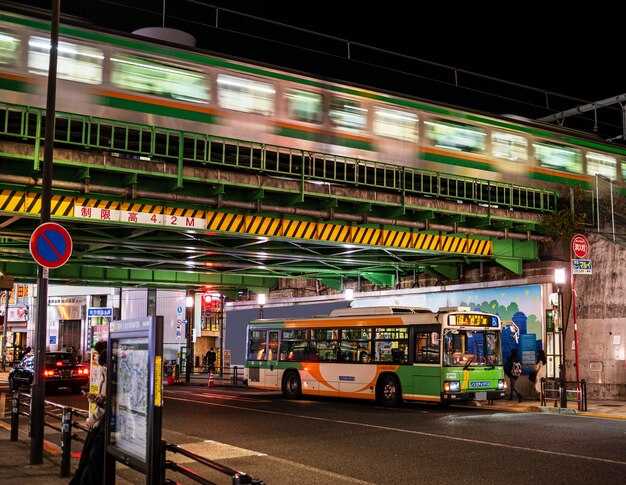
The Airport Express is the easiest ride into Central. From the gate, you reach Hong Kong Station in about 24 minutes; a short walk connects you to the centre and to popular hotels like the edward. Trains run roughly every 10 minutes during the day, and the light, predictable service keeps your arrival smooth. This option is closest,tofrom the airport to the heart of the city, ideal for days packed with meetings or tight schedules.
Cheaper buses offer value, but ride times vary. The airport bus network serves Central, Admiralty, and nearby districts, with typical travel times of 50–75 minutes depending on traffic. Fares range roughly HK$40–60 one-way, and Octopus speeds boarding. If you’re traveling with a private group or a houseful of luggage, a private transfer can pick you up at the gate and deliver you directly to your hotel door, skipping stairs and crowds. When traffic is light, you may reach the centre sooner than expected, but be prepared for delays on rainy or busy days. On the way, you might catch views of the tsing ma bridge and harbour activity, a reminder of the city’s scale. However, the cost savings depend on traffic patterns and the time of day.
Citygate, oriental hubs, and city skyline views shape your choice. If your hotel sits near citygate or you have meetings around the oriental district, a bus can land you closer to your destination and save steps. The Airport Express is typically the quickest route to the centre, after which you can connect to a taxi or MTR for the final leg. The decision depends on your priorities: speed and comfort vs. cost and flexibility. There are several paths to choose from, and when you review connections you can tailor your plan to your days in the city.
Practical tips for choosing on the ground. For guests staying at the edward or other central hotels, the Airport Express offers the simplest move, with reliable service and easy connections to the centre. If you prefer more control over timing or want to trim costs, a city bus route can be a solid option–just factor in extra minutes for transfers. If you have a court appearance in central, the express line can ensure you arrive with time to spare. For special cases, a private transfer provides a direct ride to your hotel, house, or office and is particularly convenient when you’re juggling schedules and luggage.
Bottom line: the Airport Express suits most travellers who value speed, reliability, and easy connections to the centre and to the edward hotel. The public bus network serves budget-focused travelers who are willing to trade time for money and enjoy more views along the route. hing on your priorities, consider the timing, hotel location, and your appetite for switching between modes as you plan your arrival.
Cost comparison: fare structures and total spend for Airport Express vs City Bus
For most travelers, Citybus delivers better value to reach Central quickly and cheaply; Airport Express makes sense only if you need speed and a guaranteed seat. Citybus fares are typically lower per ride and can be paid with Octopus, while Airport Express charges a fixed, higher fare per person and does not rely on Octopus for the ticket itself. coming from the terminals, you’ll save money by choosing the bus mode and using a single journey for a group, then connect to your destinations from Central or Wan Chai. Thiswise approach helps you back your budget without sacrificing basic comfort, especially if you’re traveling with bags or family.
The Airport Express targets time-sensitive arrivals and comfort, sometimes paired with lounge access at select lounges for lounge-dwellers, but the ticket itself is separate from lounge use. Lets you keep the ride simple, yet the total spend for a single traveler is higher than Citybus for a comparable route. If you’re coming from Terminal 1, Citybus routes run regularly and cover key destinations such as Central, Admiralty, and Wan Chai, making it easier to connect to onward trains with minimal waiting hours. For Mandarin-speaking travelers, a simple guide or agent can help you compare prices on the official website and choose the best option for your itinerary.
| Service | One-way fare (adult) | Typical travel time to Central | Payment options / notes | Round-trip cost (approx., 1 traveler) | Notes |
|---|---|---|---|---|---|
| Airport Express | HK$115 | About 25 minutes | Ticket bought separately; cash or card at counter; some discount tickets exist | HK$230 | Direct to Hong Kong Station; lounge not bundled; faster, but higher spend. Routes link to Airport Terminals and central hubs for onward connections to Wong, museum districts, and other destinations. |
| Citybus (A11/A21 to Central) | HK$40 (approx.) | 60–90 minutes | Octopus accepted; cash option sometimes available; discount with pass | HK$80 | Low-cost option with broad coverage; easy to use for destinations in the core district and beyond; good for groups or multiple legs in one day. |
Example totals show the difference clearly: a solo traveler paying HK$115 for Airport Express versus HK$40 for Citybus saves about HK$75 on a one-way ride. For a round trip, the difference grows to roughly HK$150. If you’re traveling with a companion, the Citybus option can drop the daily spend substantially, even after adding a potential taxi transfer from Central to your final stop. You can find discount options on the official website or through a travel agent, and some itineraries allow you to connect to multiple routes without extra fees. If you’re staying out late or overnight near destinations like a museum district or a courtyard area, Citybus provides predictable service with fewer budget surprises.
Going deeper into the numbers, consider your total hours on the ground and whether you plan to visit multiple destinations in a single day. The diamond option of Airport Express is the speed and comfort angle, but the lanes and routes of Citybus cover more back-to-back stops, letting you connect to a broader horizon of places–from Wong Tai Sin to quiet bays and nearby museums. If you value a budget-friendly approach, let the data guide you to connect routes that fit your plan. Youre choosing a practical path that aligns with your schedule, your budget, and your preferred pace of travel, whether you’re coming from laguna or a different hub, or a person who prefers a smart layover strategy with a mix of mode choices and a flexible plan.
Practical tips: compare the total spend for your group by listing passengers, luggage needs (tank space matters), and your expected destinations. For a larger party, Citybus tends to yield lower total spend while still offering reliable service across hours of the day. If you want to maximize time saving, the Airport Express remains compelling; for budget-conscious trips and easy onward connections, Citybus wins. For more details on routes, schedules, and discounts, check the official site or ask an agent who can tailor a plan to your coming trip and horizons.
Travel time and reliability: typical durations and how schedule changes with peak hours
That speed matters most, so choose the Airport Express for your trip to Admiralty, HK Station, or Cityplaza if you need the fastest, most predictable ride. Please note that buses cost less but take longer and vary more during busy periods. Your plan should reflect whether you value time or cost.
Here is a concise snapshot of typical durations and how schedules shift in the busiest hours.
- Airport Express: from the airports front area to Hong Kong Station usually takes 23–25 minutes. There, you can walk to Admiralty or jump on a short train inside the MTR network to central spots; a transfer to tsim (Tsim Sha Tsui) or Harbour areas is quick after the HK Station stop. If you plan to reach Cityplaza or Harbour City, factor in a 5–10 minute connection by foot or a quick train ride. Octopus works well here, and you can purchase tickets at the counter or online. There is reliable service throughout the day, and the line often runs with 10‑minute headways during peak periods. Early departures can shave a few minutes off your overall travel time, and the front car can be slightly less crowded at the start of each run.
- Airport buses: travel time to central areas ranges roughly 40–60 minutes, depending on traffic and your exact stop. These routes serve Harbour, Admiralty, and central districts, with options that stop near Cityplaza and other popular areas. Buses run with more frequent headways during the day (roughly every 12–15 minutes) but delays rise during the busiest hours. If you arrive during those times, expect longer waits and slower speeds through Harbour and tsim areas. Octopus is accepted on many routes, and fares cost less than the Express, which helps those watching costings.
- Peak-hour changes: the busiest windows are typically 07:30–09:30 and 17:00–19:00. During these times, the bus can be 15–25 minutes slower due to traffic around the harbour and city areas. The Airport Express keeps to a tight schedule but may experience occasional delays from track work or boarding volumes; still, it remains the most reliable option for a direct ride to central hubs. If you’re travelling to areas like Cityplaza (Taikoo Shing) or closer to tsim, plan a small buffer after you switch lines, especially when you need to catch a meeting or a flight related to the mainland routes or Tong area.
- Practical tips: purchase an Octopus card at the airport to simplify payments on both buses and the Airport Express. If your plans include multiple stops–there, there and back, or a move to harbour districts–the card saves time and reduces cash handling. For those heading to central spots like Admiralty or tsim, the train connection after the HK Station stop is straightforward, and the inside walk to your hotel or office is often short. There is free Wi‑Fi in the airport front areas, which helps you compare routes in real time before you decide which option to take. Early arrivals to HKIA can use the lounge or transit areas to plan the fastest path to city areas, and those staying near King Street or other harbour zones will appreciate the proximity of the central stops and the directness of the Express route. These factors matter when you compare time and cost for that city door plan.
These options fit different needs: that flexibility, whether you’re after speed or savings, along with a path that keeps you close to Cityplaza, Harbour, tsim, and other popular areas. If you’re moving between the airports and the city quickly, the Express is your best bet; if you’re budget-conscious and have time to spare, the buses offer a cost-effective alternative. Источник
Luggage and comfort: seating space, luggage racks, and onboard experience
For most travelers, the Airport Express is the better pick for speed and a calm ride with clear luggage handling; the bus offers a cheap option but with less space and more variability in timing.
Luggage space matters: Airport Express carriages provide a dedicated area for bags at the ends of each car and overhead space for carry-ons, so you can stash a standard suitcase without blocking the aisles. On a coach-style bus, luggage racks sit above seats and there is room near the doors for smaller bags, but large suitcases often crowd the front section during peak hours. If you stay near garden areas in Central, these arrangements still make boarding straightforward.
Seating space and comfort: The Express uses 2-by-2 seating with generous legroom and a forward-facing layout that keeps you away from dense crowds. Bus seats are typically closer together and may be 2-by-2 or 2-by-3, with more sway on highways, which can affect comfort on a longer ride. The ride quality on the Express feels calm and smooth, while the coach can pick up more road vibration during busy hours. Both options maintain reliable climate control and a clean cabin feel.
Onboard experience and booking: You can book through the official website or via travel partners like Klook; booking ahead guarantees a seat and often quicker boarding at the airport. If you travel with a group, the bus can handle more luggage and may offer cheaper per-person fares, whereas a solo passenger or someone like nathan might prefer the Express for speed and comfort. The cost gap varies by time, but you still find cheap deals in the morning and late evening; available times differ, so check below or on the official site before you pick. For onward travel from Edward Street or north-central stops, both options connect smoothly to the central district, with taxis or a coach waiting outside the station. If you compare laguna or cebu options, the same rules apply–check the cost and times on the website or the klook listing to pick the best fit.
Practical tips
To maximize space, head to the front of the Express car for easier boarding; on the bus, choose seats near the aisle for quick access. If you’re carrying several bags, the Express usually handles them more comfortably, while the coach offers cheap fares with a bit more crowding during peak periods. Booking ahead via the website or klook locks in available seats; the options vary by schedule, so plan a little flexibility. If you’re arriving from laguna or cebu, pairing your ticket with a quick taxi ride is common, and you’ll find taxis outside the front entrance ready to take you to attractions or your hotel. nathan, a fellow tourist, noted that timing matters most when you need to reach the central district fast, especially during busy hours near the reclaimed waterfront and the court area nearby; keep your luggage secure and monitor the boarding area for the next coach or train run.
Ticketing options: pay-as-you-go, stored value, and any passes or discounts
Recommendation: For most passengers, pay-as-you-go with Octopus stored value is the best starting point, because it connects arrivals side from the airport to the city center with minimal fuss and lets your travel stay light and flexible. The same balance works across routes, so you can use it on MTR, buses, and some taxis where accepted; it’s available at arrivals counters and kiosks. If you stay at iclub in town or near the garden area, you can keep your trip simple and then plan a night ride back through the hill, edward street area, or routes toward Tsuen Wan. This option is star-rated for reliability, wise for coming and going, and avoids over-committing to a fixed plan over your stay. You can use it through your itinerary, whether you’re there for business or leisure, and you’ll avoid extra steps because the card stays with you the whole time.
Pay-as-you-go and Octopus
Pay-as-you-go with Octopus means tap in and out on MTR, Airport Express, and most buses without buying a ticket for each ride. The same balance is used across routes, so your travels stay simple from arrivals side to Central and beyond. This option remains reliable for night arrivals, as taps are quick and you can top up at airport counters, ticket kiosks, or select convenience stores. There is no free ride between modes, so plan ahead for any taxi legs–many drivers still prefer cash or a separate card. If your location is near iclub in town, you can connect quickly and keep your trips light, then adjust your route over the garden area or hill stops as needed.
Stored value, passes, and discounts
Stored value lets you top up and ride multiple times across buses and trains without purchasing tickets each time. Availability and terms vary, but top-ups are commonly offered at the airport, MTR stations, and partner shops. If you expect several rides in a short window, a short-term pass can reduce the per-ride cost and simplify planning within the same day. Always check available passes with airlines or hotel partners and review expiry details before you buy. For travelers staying in areas around Tsuen and town, a suitable pass can cover routes you’ll use most, including garden connections and night rides, helping you keep the pace without surprises. If you’re visiting from a nearby edward area, stored value supports a flexible trip through multiple stops and keeps you within a comfortable budget.
Practical tips for riders: boarding points, transfer rules, and best times to travel
Choose the Airport Express for the fastest ride to central during peak hours. Purchase tickets at the airport counters or online, then follow signs in the arrivals hall to the Express platform. The train runs fast and directly to central, making every minute count. However, those traveling with cargo or oversized items may find load limits on the Express tighter; in that case, buses offer more space but take longer. Please check the schedule and time in real time to pick the mode that fits your plan, and upon arrival connect quickly to local lines. If your plan also includes attractions around Citygate or macau connections later, this option keeps options open. Those traveling with a tight schedule made for speed can use the Express, while those wanting flexibility can choose buses. This makes it easier to compare options and pick what fits your day.
Boarding points and signs to guide your choice
From the arrivals hall, head to Terminal 1's Airport Express zone. Look for the clear signs and posts with platform numbers; follow the right-hand signs to central. Posts also show destinations like Wong, Kennedy, Shun, Shau, Tsing, and Tsui, along with Citygate, Moreton, and macau connections. If you plan to visit attractions around Citygate or want to catch a macau ferry later, purchase a separate ticket after you reach central. The Express runs regularly, but always verify the schedule at the board; within a few minutes you’ll see the next train. For larger loads or cargo, the bus bays are on the left and can load more easily. Please board with your ticket ready and stay on the marked paths to avoid delays; this right approach keeps your move efficient upon arrival.
Transfers and best times to travel
Transfers work best when you plan ahead: if you ride the Express to central, you can connect to buses or MTR lines at the same central hub. The transfer rules are posted clearly at the connecting gates; look for signs indicating connect routes. The schedule tends to compress during morning and evening peaks, so depart a little earlier or later to avoid crowds. For different itineraries, the faster mode is the Express; for a more flexible day, choose buses, especially if you need to reach Citygate, Shau, Tsui, or Tsing along the way. In all cases, hill routes and elevated roads can affect time, so plan with a cushion. Within the central area you’ll find clear connections and right-of-way paths for a smooth move, and you’ll see posts highlighting the best transfer options.


