US$

km

Blogi
Fiumicino Airport Guide – Essential Tips, Terminal Maps, and Transfers

Fiumicino Airport Guide – Essential Tips, Terminal Maps, and Transfers

Ethan Reed
by 
Ethan Reed
14 minutes read
Blogi
Joulukuu 01, 2025

Book a pre-arranged transfer to your accommodation to save time and reduce stress. At Fiumicino you’ll find official taxis, private shuttles, and door-to-door services right outside the arrivals hall. Having a plan and knowing your pickup point in advance minimizes confusion and waiting after a long flight.

Use terminal maps to locate baggage reclaim, customs, and pick-up zones. The official airport website provides maps for each terminal; read the map legends on your phone before you land so you can move quickly. The maps highlight shopping zones and dining, helping you plan a short break without derailing your timing. The built organisation of signs and desks keeps you on track, even if you arrive earlier than usual.

Transfer options include the Leonardo Express train to Rome Termini, regional trains, buses, taxis, and private transfers. The Leonardo Express runs roughly every 15–30 minutes and takes about 32 minutes; tickets are around €14 one-way. If you plan to travel with more than two bags, check luggage limits with your supplier; if you are the usual traveler, plan for longer waits. For those who may require extra time, a private transfer can offer greater peace of mind. If you want flexibility, book a private transfer or an authorized shuttle; these palvelut vary by provider and include rating options and pickup details to avoid surprises.

Services for travellers with special needs are available. If someone is aged or uses mobility aids, request assistance before arrival; airport staff coordinate with airlines to smooth security and boarding. read recent experiences from other travellers to gauge performance and expectations regarding queue times and transfers. If you worry about staying on schedule, a fixed transfer can keep you on plan and help you avoid last-minute scrambles. If you have time, a quick stroll through shops can add a pleasant break.

Plan ahead regarding flight times and terminal assignments to avoid confusion. If you arrive with carry-on only, you can complete check-ins and security faster; with checked bags, allow extra time for baggage handling. Early arrival reduces stress if a delay pops up. If your plans change, contact your driver and confirm a new pickup time as soon as possible to keep things smooth.

Fiumicino Airport Guide: Tips, Terminal Maps, and Transfers
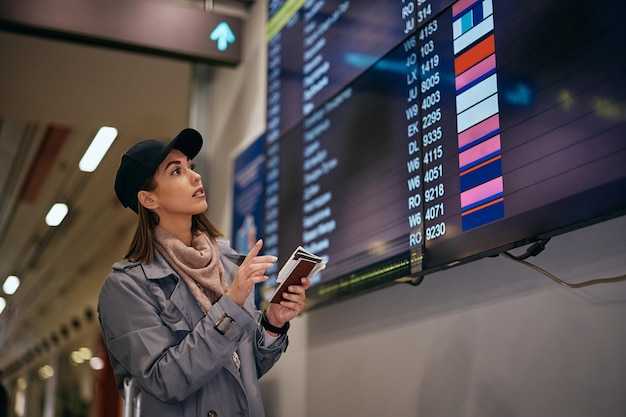
Fiumicino Airport Guide: Tips, Terminal Maps, and Transfers

Take the Leonardo Express from FCO to Rome Termini for a fast, reliable city-center link (about 32 minutes, nonstop).

For flexibility, use the FL1 regional line to Trastevere or Ostiense and connect to the metro. Currently, check the fares and times; plan your route with the day’s schedules in mind.

Inside the airport, plan your path with the terminal map. Terminal 3 handles most international arrivals and immigration; Terminal 1 serves domestic and Schengen flights. Distances between gates are kept short by moving walkways and clearly marked lanes, making a longer walk unnecessary for most connections.

WiFi is free. Connect to hellosky or the official network to check gate changes, arrivals, and news in real time. This helps you adjust your plan on the fly for a smoother experience.

Transfers between terminals are smooth: a free inter-terminal shuttle operates every 5 minutes; you can also walk between hubs in a pinch, but the shuttle is usually faster. Slightly longer waits may happen during peak moments. Use security lanes designed for adults and families; have your boarding pass handy to speed up the process.

During a longer layover, consider a quick stroll to garden-style seating zones or a cafe offering beer and snacks. Look for luxury shops in Terminal 3; prada items may appear on shop maps. If you arrive from or onward to destinations like munich or vinci-connected routes, the same transfer rules apply and current maps reflect any changes. A plan that includes transit times, wifi checks, and a backup route will spare you stress.

Alue Approx. time Muistiinpanot
Inter-terminal transfer 5–7 minutes Free shuttle; follows transfer signs
Terminal 3 immigration to baggage claim 5–10 minutes Clear queues; monitor boards for updates
Terminal 1 to Terminal 3 transfer 8–12 minutes Use moving walkways to speed up
Baggage claim to exit 6–9 minutes Signposted, belts rotate regularly

Where to find terminal maps and quick-use legend at FCO

Download the official terminal maps and the quick-use legend from the FCO site or the airport app, and save a copy online for offline use during last-minute visits.

The quick-use legend marks toilets, beverage points, information desks, gates, and transfer points with clear symbols. It also shows distances between key areas, times for common transfers, and the frequency of services. Ratings in the app reflect map clarity and ease of use.

Printed maps appear at information desks in arrivals, near security, and along gate corridors in each terminal. For quick access, scan the QR codes placed beside these stands to open the legend on your phone, which updates automatically when the site posts new versions.

non-advertising kiosks and information desks offer reliable directions without promo clutter. budget travelers often prefer these spots for fast answers and marked routes to avoid long walks between concourses.

interacting with staff helps you confirm the nearest toilets, beverage stations, and service counters; you can request a concise route that aligns with your flight times and areas you must visit.

Remember the unique icons on the legend help you locate toilets, beverage stations, and service counters quickly. Look for marked paths between areas, and note added tips about distances and times to reach gates on time.

From Arrivals to ground transportation: fastest routes and signs

Recommendation: take the Leonardo Express from Fiumicino to roma Termini; it’s the fastest direct route to central rome, about 32 minutes, with trains every 15 minutes from early morning to late evening. From Arrivals, follow the blue signs for Rail/Leonardo Express and walk to the platform doors. Tickets can be bought online in advance or at machines, offering a smooth start to your roma experiences.

Taxi and rideshare options provide door-to-door convenience, especially with luggage or wheelchair needs. Official taxis queue outside arrivals and can reach the city center in 25–40 minutes depending on traffic. If you want a dedicated choice that avoids the queue, pre-book a private transfer online; apps will show your pickup area and meeting point, and the service itself aims to be legitimate and predictable.

Other options include hotel shuttles and prepaid transfers. A dedicated counter network handles these, offering legitimate alternatives and a predictable rate. If you know the correct pickup area and desk, you can avoid confusion and move quickly to your next step. The choice is to book before you travel, so you have a basic plan that reduces stress, and it can contribute to better kokemuksia.

Signs and wayfinding: look for blue Ground Transportation panels and icons for Taxi, Trenitalia, and Leonardo Express. At the exit doors you’ll see the Meeting Point for arrivals; central corridors link Terminal 3 and Terminal 1, helping you move away from backtracking. A quick glance at the map on your phone or in the travel apps will help you know where to go and minimize interacting with others on busy days.

If you need wheelchair assistance, head to a dedicated desk on arrival. Staff can arrange meeting with an agent and guide you to the transport option; the amenities include restrooms and short-term lounges close to the arrivals hall to help you settle in. Those waiting for connections can relax in comfortable seating near information panels, and share kokemuksia with other travelers.

Quick tip: heres a quick plan: use the official transport apps to monitor delays in minutes and adjust plans accordingly; avoiding queues is easier when you book online and pick legitimate providers. Know the correct route, and come prepared with your meeting point details. In monthsthe busiest periods, add a 10–15 minute buffer for security checks and transfers; this basic plan offers smoother kokemuksia for everyone.

Four private transfer rideshare options: booking steps, meet-and-greet, and luggage support

Book Option 1 for a streamlined, door-to-door transfer with a dedicated meet-and-greet and baggage assistance from arrivals at rome Fiumicino. источник

  1. Option 1 – Standard private ride with meet-and-greet and baggage help

    • Booking steps: open the app, tap Private Transfer, enter rome as the city, input your flight number and arrivals time, select “meet-and-greet” and “baggage help,” fill a quick form, and confirm. You’ll get a trackable ETA and a name sign to spot at the arrivals area.
    • Meet-and-greet: driver waits with a clear sign, greets you near the signs and doors, then guides you to the car without you needing to wander away from the flow. If you have children or heavy bags, the driver stays with you through escalators and to the vehicle.
    • Luggage support: porter service helps move bags from the carousel to the trunk, and the car can accommodate extra pieces. Optional delivery to your hotel lobby is available if you prefer a later drop-off.
  2. Option 2 – Hilton-area coordination for smooth hotel handoff

    • Booking steps: choose hotel coordination, address the Hilton property near the airport, provide flight details, and flag a hotel concierge meeting point. You’ll receive a confirmation and a route map.
    • Meet-and-greet: driver checks signs at the gate and meets you inside the arrivals zone, then walks you through the shortest path to the car. The handoff emphasizes safety and quick passage through pedestrian areas.
    • Luggage support: porter lifts and loads bags, with extra space if you’re carrying shopping or gifts from nearby sites. The driver can also coordinate a bag-delivery option to the hotel lobby.
  3. Option 3 – Early-arrivals service with technical readiness

    • Booking steps: select early pickup, specify terminal and any equipment needs, and opt for live status updates. You’ll see a clear form and an automatic confirmation number.
    • Meet-and-greet: driver arrives ahead of time, uses signs to locate you, and guides you through the concourse with minimal crowd contact. You’ll move through open corridors toward the vehicle.
    • Luggage support: hands-on help with baggage, secure trunk space, and optional delivery to your hotel or a chosen shopping stop later in the day.
  4. Option 4 – Shopping-and-coffee stop for visitors who want a quick pace

    • Booking steps: pick a shopping-friendly service, add a short coffee stop near the terminal, choose a ride with extra luggage capacity, and confirm payment.
    • Meet-and-greet: driver greets you at arrivals, assists through doors, and guides you to the car with clear signs. If you’re with a group of visitors, the driver keeps the party together and avoids delays.
    • Luggage support: baggage handling, easy transfer to the trunk, and optional next-stop pick-up for a shopping site or a hotel drop-off.

Getting to Rome: rail, taxi, and private shuttle options with travel times

Take the Leonardo Express non-stop to Roma Termini; it’s the fastest, easier way to reach the city center from Fiumicino, about 32 minutes.

Leonardo Express runs non-stop to Termini, with departures roughly every 15 minutes during the day. A one-way ticket costs around €14, you can book online or at the airport machine, and the cars stop right by the arrivals area so you don’t waste time on marked signs. Check the information boards and the official site or Google schedules for the latest times.

Regional FL1 services offer a cheaper rail option to Roma Ostiense, Roma Trastevere, or Roma Tiburtina, taking about 30–40 minutes depending on the stop sequence. Tickets are usually €8–€9, and trains run every 15–30 minutes in daylight hours. This route is convenient if your hotel is near Trastevere or Ostiense, or if you plan a second leg by metro without returning to Termini.

Taxi transfer from the airport provides door-to-door comfort, with official taxis charging a fixed rate of about €48 to the city center in daytime; late-night and weekend surcharges apply. Expect 30–60 minutes in light traffic, longer during peak hours. Have the driver switch to a taximeter only if you’re outside the fixed-rate area, and confirm the right fare before departing.

Private shuttle services, including shared-ride or private cars with drivers, promote smooth arrivals for accompanying luggage and families. Typical travel times range from 40 to 60 minutes depending on traffic, and prices run from roughly €60 to €120 one-way. Book in advance or at the desk in arrivals to secure a guaranteed pickup and avoid last-minute delays.

Practical tips: if you’re pressed for time, the rail options are worth prioritizing–you’ll arrive close to major hotels and rooms that showcase authentic Rome vibes with quality service. For a flexible plan, use internet or video guides and Google to compare offers from airline desks, hotel partners, and transfer providers. If you asked locals, many recommend a private shuttle for smoother comfort after long flights, especially with small children or heavy luggage.

If your itinerary includes Sardinia, you can connect via Rome using Frecce trains from Termini to reach Civitavecchia for a ferry, a common route for continued travel to the island. Such connections preserve your schedule and offer a relaxed start to a gourmet trip–wine tastings, coastal towns, and authentic experiences await you in both Rome and Sardinia.

Whichever option you pick, you’ll find terminals well signposted and marked–from arrivals to the city-bound trains and taxis–making the check-in process straightforward. Hotels near the center often provide airport information desks or even offers for room upgrades, so you can settle into your room quickly after landing. For quick last-minute planning, keep a quick look at Google or your airline’s travel offers, and you’ll know the right choice for your stay and your budget.

Tips to reduce delays: peak-hour guidance and terminal transfer checkpoints

Tips to reduce delays: peak-hour guidance and terminal transfer checkpoints

Schedule a 90-minute buffer for inter-terminal transfers during peak hours (6:30–9:30 and 17:00–20:00) to cut delays and keep stress low while flying through Fiumicino. While you wait for traction, keep your passport and boarding passes in an accessible pocket to speed verifications and avoid fumbling with documents.

Peak-hour guidance

  • Avoid landing during peak windows when possible; plan gate-to-gate moves with 20–30 minutes extra per transfer to accommodate queues at check-in, security, and passport control.
  • Check in online and store passes in a digital wallet to skip lines and reduce touchpoints.
  • Use free Wi‑Fi and the official apps to show live gate changes, estimated walking times, and the closest transfer checkpoint to your next flight.
  • Maintain items in a stored, compact carry-on to speed through security and re-pack quickly if needed.
  • Monitor ratings and live updates for queues; if a route looks crowded, switch to an alternate path shown in the map.
  • Receive email alerts from your airline or travel apps to get concise answers about gate changes and security queues.
  • Take advantage of perks in premium lounges if wait times spike; these spaces offer light meals, comfortable seating, and work zones to stay productive.
  • Keep your timing tight by moving promptly and planning a brief capacity break; some lounges provide cooking demonstrations or tasting stations for a quick reset.

Terminal transfer checkpoints

  • Follow visible transfer signs to reach the fastest route to your next gate; checkpoints mark corridors and walking times to minimize backtracking.
  • Check the official sites or apps for the closest transfer options and estimated times; choose the selected route that minimizes walking and delays.
  • Between terminals, use inter-terminal shuttles or direct walkways when advised; these links can save 10–20 minutes compared with detours.
  • Keep baggage light and stored efficiently; stored items are easier to move and re-check if needed at a later point.
  • Set gate alerts in the app so you receive timely updates and can adjust your route without rushing.
  • If a delay occurs, visit a help desk or use the airport email channel for quick answers and possible accommodation options if applicable.
  • For frequent flyers, premium class lounges often offer faster security lanes and shorter queues, reducing overall transfer time.
  • Look for garden or quiet-area stops to reset briefly during long layovers; a short pause helps maintain focus for the next leg of your visit.
  • When you arrive, ask staff for guidance on the closest transfer checkpoint to your next flight and the quickest path; using a stored map on your phone keeps you oriented.

Kommentit

Jätä kommentti

Kommenttisi

Nimesi

Sähköposti