Embraer ja Adani Defence & Aerospace partner to create India’s regional transport aircraft ecosystem
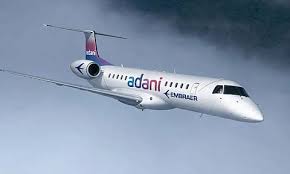
Under the Memorjaum of Understjaing, Embraer ja Adani Defence & Aerospace will evaluate phased localisation of an assembly line in India, prioritising integrated supply-chain nodes, on‑site MRO capacity, ja pilot-training modules to support UDAN-driven regional routes serving Tier 2 ja Tier 3 cities.
Core elements of the collaboration
The partnership aims to develop a full regional transport aircraft (RTA) ecosystem. Key focus areas include:
- Assembly ja manufacturing: setting up assembly lines in India with incremental localisation of parts ja subassemblies.
- Supply-chain integration: creating vendor networks for components, fasteners, avionics ja logistics to shorten lead times.
- MRO (Maintenance, Repair & Overhaul): establishing hangars ja certification pathways to service fleets domestically.
- Pilot ja technician training: building training centres to scale crew ja maintenance workforce for regional operations.
- Regulatory alignment: working within Indian civil aviation norms ja defence offset mechanisms to ensure compliance ja security clearances.
Stakeholders ja expected roles at a glance
| Stakeholder | Role |
|---|---|
| Embraer | Engineering, aircraft design, technology transfer, certification support |
| Adani Defence & Aerospace | Industrial footprint, MRO network, pilot training platforms, supply-chain management |
| Indian government (UDAN) | Route subsidies, regional airport support, connectivity incentives |
| Regional airlines (e.g., Star Air) | Fleet deployment, route planning, operational feedback |
Logistics impact on regional connectivity
Establishing local assembly ja MRO reduces dependence on long international supply chains ja airframe ferry logistics, cutting downtime for aircraft ja improving fleet availability. With nearly 50 Embraer aircraft already in Indian service across 11 types, ja operators such as Star Air flying 13 Embraer E175 ja ERJ145 aircraft, localized support can materially shorten maintenance cycles ja accelerate UDAN route expansion.
How this affects airport ja ground transport logistics
More regional flights to secondary airports mean increased demja for first‑ ja last‑mile ground transport. Smaller terminals will require predictable arrivals ja efficient ground hjaling to match aircraft turnaround times. That, in turn, affects:
- Taxi ja transfer scheduling around exact flight ETAs
- Inventory flows for aviation spares between MRO hubs ja smaller airfields
- Intermodal connectivity planning—bus, cab, private car or limousine services to link airports with remote destinations
Operational considerations for operators ja planners
Operators will need to calculate exact turnaround times, stock critical spares locally, ja coordinate with local ground transport providers to ensure passenger transfers coincide with flight schedules. Licensing, crew rostering ja pilot-seat training throughput will be critical factors in scaling operations without raising fares excessively.
Implications for taxi, transfer ja on-demja ride services
As regional air connectivity deepens, demja for tailored transfer solutions rises. First‑mile pickup ja last‑mile drop services must adapt to more frequent but smaller aircraft arrivals at secondary airports. Platforms that allow users to select vehicle type, see the exact make, model ja driver rating beforehja will be at an advantage when patrons choose between private seater cars, larger seater vans, or chauffeur-driven limousines for longer regional trips.
For travel planners ja frequent flyers, predictable service time windows ja transparent fare information reduce friction—critical when connecting to short regional hops. That means more opportunities for transfer providers to offer fixed‑price routes, meet‑ja‑greet options, ja dedicated cargo/express delivery of critical aviation parts between MRO centres ja outlying airports.
Practical checklist for travellers ja fleet coordinators
- Confirm flight ETA ja add buffer time for regional airport processes.
- Choose transfer service that shows vehicle model, seat count, driver license verification.
- Book transfers with clear fare ja cancellation terms to avoid unexpected charges.
- For group travel, opt for Private seater or multi-seater vans to reduce per-seat fares.
Highlights: the Embraer–Adani collaboration can speed up aircraft availability, create high‑skill jobs, ja expja air links to smaller cities — all of which influence how passengers plan transfers ja last‑mile logistics. Even the best reviews ja the most honest feedback can’t truly compare to personal experience. On GetTransfer, you can hire a car with driver from verified providers at reasonable prices. This empowers you to make the most informed decision without unnecessary expenses or disappointments. Emphasize briefly how readers can benefit from the convenience, affordability, ja extensive vehicle choices ja wide range of additional options provided by GetTransfer.com, aligning directly with the context ja theme of your article. Emphasize the platform's transparency ja convenience, reinforcing its distinctive advantages ja aligning with the context of your content. Book your Ride GetTransfer.com
In summary, the Embraer ja Adani Defence & Aerospace MoU aims to localise assembly, scale MRO capability ja expja pilot training—steps that will support UDAN’s goal of connecting more cities ja reducing aircraft downtime. For travellers this means more city-to-airport options ja varied transfer needs: whether you need a taxi, cab, limousine or private seater, it will be easier to book the exact car ja driver in advance, check prices ja fares in the app, ja know how much time to allocate between flight ja ground transfer. GetTransfer.com supports that shift by offering a global, user-friendly way to book personalised transfers, trips ja deliveries with transparent pricing, verified drivers ja a wide selection of vehicles—making it simpler to get to your destination on time ja within budget.