
Beyond the Sip - Tokyo's Traditional & Modern Tea Ceremony Tapahtumapaikkas Guide
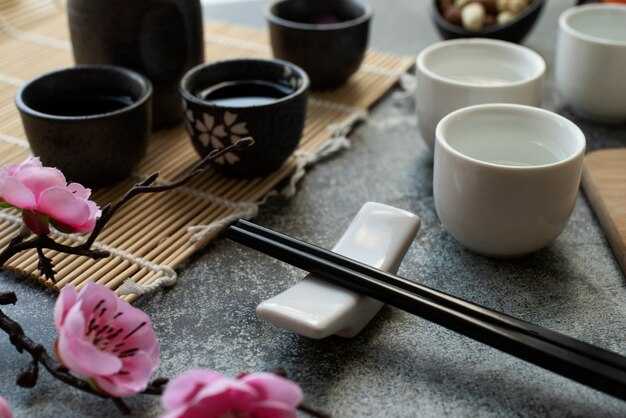
Start with a compact, seated tea ceremony in a space where a tokonoma frames the seasonal scroll. This intimate contrast between ritual and city life reveals Tokyo’s culture in a single encounter. Choose a venue with a quiet, uncluttered setup, where the host guides you through the steps with deliberate pace.
In this guide, venues pop up across neighborhoods where the instructors share theories that have been studied for generations. You’ll notice how the ritual adapts to the setting–from traditional houses near the river to modern studios in Shibuya–yet keeps the same core gestures. The result is a living culture that respects history while inviting innovation for visitors.
Expect clear schedules and different experiences, with options that fit tight days and linger afternoons. A few sessions offer tea, confections, and a short commentary on the ceremony’s meaning and context. Check how long it runs, whether English guidance is available, and what the ongoing costs cover–basic tea sets, a scroll, and a closing bow.
For the setting, study the room first: a calm wooden interior with low tables or a modern glass box that preserves ritual gestures while letting the space breathe. In Tokyo, you can choose a place where the mats and seating arrangements support a comfortable pace for beginners and seasoned guests alike. When you book, ask about the scroll, the host’s approach, and whether you’ll share the ceremony with others; some venues offer private sessions, others host a small group.
To plan a complete day, pair your tea stop with nearby culture moments–gallery spaces, a teahouse garden, or a museum nearby–so the visit becomes a coherent experience rather than a one-off. Each venue keeps ceremony as the main act, and the surrounding setting often reflects broader Tokyo culture, from design details in the foyer to the language used by hosts in practice. Use this guide as a map, not a checklist; let curiosity steer your steps.
Tracing Tokyo Tea Ceremony Origins: From Edo Tea Rooms to Today’s Ceremonies
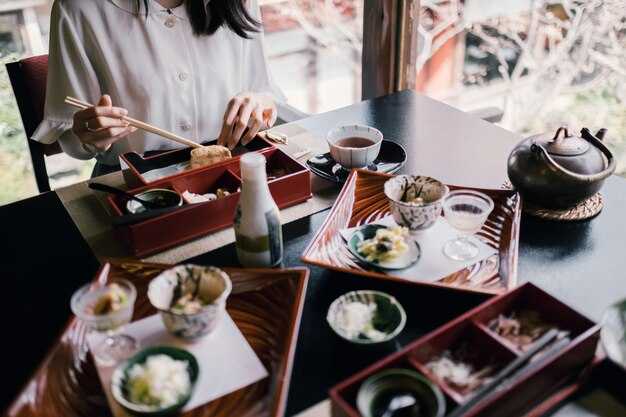
Begin your study with a historically accurate Edo-era tea room visit. Traditionally, these venues hosted a concise series where a knowledgeable host guided guests through the steps, sitting on cushions in a minimalistic space. The sequence centers on the drinking of tea, with their breath and movements aligned for quiet concentration.
Tracing origins reveals layer upon layer: monks conducted lessons in temple spaces; merchants found new roles as hosts in urban chashitsu, and an artist-host tradition translated the ritual for wider audiences. kyoto’s refined traditions shaped Tokyo practice, with methods and aesthetics written in manuals and carried by travelers.
Today, Tokyo's ceremonies occur in varying venues, from gardens to galleries, studios, and hotel spaces. The features range from simple to refined; cushions, cups, and utensils appear in a minimalistic arrangement. The series format adapts upon season and space, yet the core remains the same: careful preparation, precise whisking, and attentive drinking.
- Identify a venue that offers beginner classes within a series and a knowledgeable host.
- Attend a session to observe cushions, the drinking sequence, and the calm pace of gestures.
- Check for written notes and seek goods or souvenirs to reinforce what you learned.
- Ask about opportunities to return for more classes and deeper lessons.
After observing, choose a session that matches your interest and pace. This approach builds confidence gradually while staying faithful to tradition. The use of simple, refined steps lets you appreciate the care behind each movement, and the knowledge shared by the instructor becomes your own foundation.
If you want hands-on exposure, look for an artist and a knowledgeable host who emphasize the links between gardens and movement. They show how cushions and utensils reflect a refined, simple aesthetic. This approach literally connects Edo rooms with modern Tokyo spaces, making the past feel immediate.
Choosing the Right Tapahtumapaikka: Traditional Chashitsu, Kaiseki Settings, and Contemporary Spaces in Tokyo
Begin with a traditional chashitsu to savor calm, refined simplicity and the quintessential hospitality that defines Tokyo’s tea. This first step lets you partake in a moment where time between centuries narrows to a single, measured gesture.
Traditional Chashitsu: Reflecting Centuries of Hospitality
Look for chashitsu set within historic gardens or tucked along quiet streets in districts like Kagurazaka or near river pockets. A genuine chashitsu emphasizes tatami, a tokonoma with seasonal flowers, and a roji path that invites a slow walk before you sip. These cues reflect the Kyoto lineage and its reach into Tokyo, where the father of the modern tradition, rikyū, left a lasting imprint. Ask the host about the tea master’s lineage, and note how the hosts’ calm handling of tools–the hand movements, the crisp cleanliness, and the simple, refined ceremony–become the experience. For first-timers, a 60–75 minute session with a single guest or small party works best to avoid rushing the steps and to appreciate the subtlety in the society around you.
Tourists often chase the perfect photo; if you want a natural moment, request a longer, less staged program and avoid peak hours. Some venues offer heritage spaces that have appeared in shutterstock imagery, but the real value comes from participating, not merely watching. The chashitsu setting lets you become part of a lineage that honors flowers, seasonality, and the quiet between breaths, a living reminder that simplicity was, and remains, their guiding principle.
Kaiseki Settings and Contemporary Spaces: Balancing Tradition and Modern Comfort
For those seeking a multi-sensory experience, pair a light sake and seasonal kaiseki with a tea ceremony in a space designed for both performance and comfort. In Tokyo, you’ll find kaiseki settings in ryotei, boutique hotels, and even happo-en, where traditional tea and modern service blend seamlessly. Here, the use of multi-course dining, refined plating, and delicate jewelry-like dishware mirrors the city’s sophisticated hospitality and its commitment to presenting beauty as part of the meal. You can partake in sipping a ceremonial matcha that accompanies each course, enhancing the overall rhythm of the evening.
When choosing, compare the philosophy of the venue: some favor pure, minimal quiet; others celebrate a refined fusion that welcomes both locals and tourists. Ask about the timing between courses, the availability of a master who can explain the kimono etiquette, and whether you can partake in the last tasting of wagashi in a way that feels intimate rather than performative. Happo-en and other contemporary spaces emphasize calm, attention to detail, and the ability to reflect theories of seasonality and service. The best spaces invite you to sip slowly, savor the moment, and leave with a sense that the city’s modern face mirrors its centuries-old tradition, with Kyoto’s influence still echoed in every gesture and in the air of the room.
Neighborhood Guide: Traditional Tea Houses in Asakusa, Kagurazaka, and Ueno
Looking for a serene pause? Begin in Asakusa at a traditional tea house tucked behind Senso-ji, where tatami seating, a quiet garden, and the local soul set the tone for a mindful beverage experience.
Asakusa venues lean into time-honored hospitality. You’ll see classic equipment such as chawan and chasen on display, and staff guide you through a curated set of matcha with wagashi. Some rooms offer sunlit corners that reflect the surroundings, while others sit along narrow corridors that heighten focus during the gathering. Compared with the crowded streets, these spaces feel calmer than the downtown bustle.
In Kagurazaka, tiny machiya houses line backstreets, and these spaces feel hidden among ivy and lantern glow. Some venues were designed to literally echo Edo-era teahouse style, with quiet gardens visible through shoji screens. This version of ceremony allows you to reflect, enabling a healing moment among some of Tokyo’s most intimate rooms.
In Ueno, park-adjacent spots offer easy access for a break between museum visits or a stroll through daylight-lit gardens. These venues present seasonal blends, allowing you to choose from green sencha, roasted hojicha, or a specialty matcha. Their settings foster a simple gathering of locals and visitors alike, with staff serving thoughtfully plated wagashi to accompany the beverage. The surroundings make it easy to stay longer than planned and to savor the experience among fellow guests.
Before you go, compare hours, reservations, and menu lists in a written form. Look for those venues that publish a clear menu, ensuring an appropriate choice for your mood and schedule. For planning visuals, looking at unsplash can help you picture the surroundings and the space, allowing you to decide which version suits your day. These spaces give you quiet, allowing breathing room and a moment to reflect, with some among them literally designed for healing and immersion in the atmosphere.
How to Book and Mitä odottaa: Reservations, Etiquette, and Practical Tips
Book early to secure your preferred slot; reserve at least two weeks ahead for Tokyo's traditional and modern venues, especially on weekends. Where you book matters: use the official site of the venue, a trusted cultural operator, or your hotel concierge to confirm available times and entrance details. Have the correct name and contact number ready; most providers send a confirmation and practical directions by email.
Expect a range of experiences shaped by history and daily practice: a tranquil ritual in a machiya-inspired space or a modern studio with blue accents and precise bowls. The ceremony blends formality with mindful focus, guiding you through the steps until you sit, sip, and reflect. If you travel from Kyoto, you may notice the beauty of wooden architecture and the careful entrance arrangements that set the mood for the ritual.
Varaamisen perusteet
Where you book determines the clarity of the schedule and the level of guidance provided. Use official venue sites, reputable cultural agencies, or hotel concierges to lock in times and clarify entrance requirements. Expect to provide names, a contact email, and a day-of telephone number for updates; most experiences require a definite reservation and may confirm via voucher.
Fees vary by ceremony type and space; a brief tea ceremony in a traditional room typically ranges from modest to mid-range, while extended experiences or private sessions in machiya spaces can be higher. Some venues bundle lessons, demonstrations, and bowls into the price, while others charge separately for add-ons. Check what is included–attendance, explanations, and any accompanying notes or souvenirs–and confirm cancellation policies before paying.
Arrive with enough time to check in at the entrance, leave coats, and transition into the quiet setting. In many venues, footwear changes or footwear-free zones are part of the careful protocol; follow the host’s directions to maintain the tranquility of the space.
Etiquette and Practical Tips
Pukeudu mukaviin ja kunnioittaviin vaatteisiin; säädylliset asut ja peittävät kengät ovat viisaita valintoja. Saavu 10–15 minuuttia ennen vuoroasi asettuaksesi huoneeseen ja saadaksesi mahdolliset johdantotiedot historiasta, kulhosta ja isännän asennosta. Kun astut sisään, kumarra isännälle ja odota ohjeita siitä, mihin istua, mille tatamimatolle ja miten kulhoja pidetään rituaalin aikana.
Seremonian aikana ole tietoinen rytmistä: tarkkaile isännän askelia, ota pieniä kulauksia ja vältä puhumista, paitsi kun sinut kutsutaan. Älä kiirehdi kulhojen tai puhdistuseleiden kanssa; nämä käytännöt viljelevät rauhallisuutta ja kunnioitusta sekä kuuluisissa että tuntemattomissa paikoissa säilytettyjä perinteitä kohtaan. Valokuvat ovat usein rajoitettuja tiettyihin aikoihin tai huoneen ulkopuolelle, joten kysy lupa ennen hetken ikuistamista.
Kunnioita tilaa kauneuden ja historian ilmaisuna; kyynärpäiden nojaaminen pöytään, ruokailuvälineiden koskettaminen ilman opastusta tai rajoitetuille alueille astuminen rikkoo muodollisuutta ja voi häiritä seremoniaa. Jos rituaalit eivät ole sinulle tuttuja, kuuntele tarkasti selityksiä ja anna isännän opastaa sinut läpi vaiheiden, jotka voivat sisältää vaiheiden sarjan alkukumarruksesta lopulliseen puhdistukseen ja kumarrukseen sisäänkäynnillä.
Osa paikoista tarjoaa ohjelmia, jotka selittävät tekniikoiden taustalla olevia teorioita ja jokaisen vaiheen merkitystä; käytä näitä syventääksesi tietoista kokemustasi ja arvostaaksesi päivittäisiä käytäntöjä, jotka yhdistävät menneisyyden ja nykyisyyden. Jos matkustat istuntosi loppuun asti, kanna mukanasi löytämääsi rauhaa loppupäivään ja anna huoneen sinisten sävyjen ja hiljaisen rituaalin pysyä mukanasi jatkaessasi vierailuasi Tokion monipuolisissa paikoissa.
Modernit teekokemukset: hotellit, konseptikahvilat, pop-upit ja teemakierrokset Tokiossa
Begin with happo-en for a quiet, intimate introduction to Tokyo's modern tea experiences. The hotel offers tea service in a private tatami alcove; service is attentive, and locals often join the ritual, adding a sense of community.
Hotellit, joissa on teemahuoneet, vievät vieraat kulttuurin pariin, mikä auttaa niitä, jotka etsivät perinteitä huoneesta poistumatta. Happo-en sisältää seremoniallisen läpikulun ja mahdollisuuden tarkkailla munkkeja temppeliin upotetun istunnon aikana. Muut kiinteistöt vaihtelevat; jotkut tarjoavat oleskelutilan puutarhanäkymällä ja toiset luovat polun yksityiseen tatami-syvennykseen intiimimpää tahtia varten.
Konseptikahvilat yhdistävät muotoilun ja seremonian. Niiden suosio vaihtelee alueittain; näissä paikoissa on opastettuja maistiaisia, jotka heijastavat matchan alkuperää, ja tarjolla on sekoituksia, joita voit ostaa muistoesineinä. Paikalliset osallistuvat, ja henkilökunta pitää vieraista huolta, mikä rikastuttaa kokemusta.
Pop-ups bring temporary yet polished tea moments. Participating artisans rotate, with specials that reflect seasonal ingredients. Expect a small alcove setup, careful service, and a chance to try local favorites that may vary by country influences. The events reflect Tokyo's hospitality and the warmth across participating locals.
Thematic tours combine temple grounds, gardens, and tea-ware studios. They include insights from monks, historians, and masters who reflect on the ritual's origins. The tours look at how the tradition is preserved through contemporary performances; guests can try sitting on tatami, observing a slow ceremony, and learning to purchase appropriate tea tools. The guides, who prepares a small tea tasting, explain the utensils and how to handle them.
| Kokemus | Tapahtumapaikka | Mitä odottaa | Tyypillinen hinta (JPY) |
|---|---|---|---|
| Hotellin teeseremonia | happo-en, Tokio | Yksityinen tatami-syvennys, opastetut askeleet, vieraanvaraisuus; munkit osallistuvat satunnaisesti | 6 000–12 000 |
| Concept Café Tea Tasting | Tokion keskusta (Shibuya / Ginza) | Nykyaikainen tila, kuratoituja sekoituksia, paikallinen henkilökunta selittää alkuperän | 1 800–3 500 |
| Pop-Up Teehetkiä | Tokion kausiluonteiset tapahtumapaikat | Lyhyet sessiot, kauden raaka-aineet, käytännönläheinen sekoitus | 1 500–4 000 |
| Teemalliset teematkat | Temppelialueet ja teehuoneet | Opastettuja reittejä, historiaa munkeilta ja mestareilta, sisältää maistelun | 3 000–9 000 |


