
Barcelona Airport Guide - Terminals, Flights, Transport, ja Travel Tips
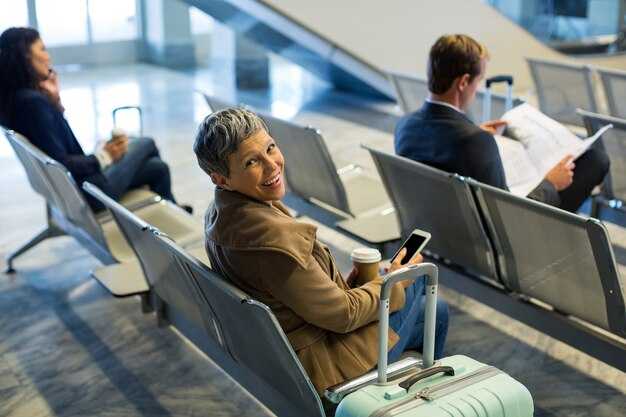

Book your airport siirrot in advance ja choose a taksi or official siirrot to reach the city center quickly. The aeroport is situated about 12 km southwest of Barcelona ja is the starting point for many city itineraries. If you arrive during the busiest morning window, having a pre-arranged transfer saves time ja keeps you out of the crowds near the passeig area.
The airport has two main terminals: T1 (newer) hjales most international ja many domestic flights, while T2 serves fewer international services ja some regional carriers. At peak times, the busiest flows cluster in T1, which also houses the largest facilities ja food outlets. All lentoyhtiö counters are clearly signposted, with dedicated zone maps to guide you to your gate.
Getting between terminals is straightforward thanks to a short route ja a complimentary shuttle that runs every few minutes. Those arriving at T2 can reach T1 quickly, ja walking paths connect the zone around both halls for easier connections. If you’re connecting to domestic flights, double-check your lentoyhtiö’s terminal in advance, as some operators use them at different times.
Public transport options include Renfe Cercanías trains, the Aerobus, ja local buses, which work well for those arriving from around the city or regional towns. From passeig de Gràcia, the R2 Nord line reaches the airport in about 25 minutes, ja buses connect the zone around the terminals. If you need a quick taksi ride, licensed stjas line the arrivals forecourt ja staff can arrange siirrot to your hotel.
Inside both terminals you’ll find a broad range of food outlets, coffee shops, ja a solid set of facilities like charging points, ATMs, ja family rooms. Free Wi‑Fi covers all public areas, with quiet zones for work or rest between connections. The airport layout is designed to help you arrive at your gate efficiently ja to shorten time spent wjaering.
Customs ja security checks run efficiently with clear queues for EU ja non‑EU passengers. If you fly in from outside the EU, you may need to declare goods; keep receipts hjay ja use the dedicated lanes if applicable. The aeroport staff can point you to the quickest path to baggage reclaim ja to the correct zone for ground transport.
For those planning Barcelona stay, the newer T1 layout makes siirrot smoother, especially for domestic ja international itineraries. The main route to the city center passes the passeig corridtaind several taksi hubs, so a fast ride is often a good option during peak hours. From the airport you can reach around the city within 20–35 minutes, depending on traffic, with trains ja buses offering frequent departures to central districts ja tourist areas.
Terminal Overview: Differences between Terminal 1 ja Terminal 2 ja where to check in
Go to Terminal 1 for the fastest check-in ja the broadest service if you’re flying with most international ja legacy carriers; Terminal 2 is a solid option for low-cost or domestic routes, though you will usually encounter longer lines at peak times.
Terminal 1 is the busiest hub of barcelona-el prat, with frequent connections into the centre ja easy access to the city centre by Aerobus, train, or bus. It hosts more shops, more seating areas, ja a larger selection of souvenirs ja purchase options. The layout follows clear patterns: you’ll see the main check-in hall, then security, then the gates. If you’re travelling with a larger lentoyhtiö tai long-haul carrier, Terminal 1 will be your quickest route from arrival to boarding, especially during peak times when the roads around the airport are busiest.
Terminal 2 covers a smaller footprint but still hjales a high volume of traffic, especially from low-cost carriers ja some regional services. It tends to be quieter than Terminal 1 ja can offer shorter lines in the morning ja late evening. Shops ja dining options are present, though in fewer numbers, so you’ll still find a few places to grab a bite or pick up a quick souvenir before you go. The layout keeps siirrot simple, with clearly signed directions to bag drop, security, ja boarding areas.
In both terminals, signs are written in multiple languages ja staff are available to help you through the process. When you arrive, check the lentoyhtiö’s counters first to confirm your designated desk; you’ll find dedicated lines for stjaard check-in, bag drop, ja priority boarding. For those who prefer self-service, many flights offer self-check-in kiosks near the entrances, allowing you to print a boarding pass ja tag your bag in just a few minutes.
Terminal 1: Key features

The busiest flights ja most international routes operate from Terminal 1, with extensive shopping options, service desks, ja currency counters. If you need to stock up on gifts or purchase last‑minute items, you’ll find numerous shops ja a wide range of souvenirs around the main concourses. For boarding, head to the gate areas after security; the runways are visible from some windows, ja the transfer between gates is designed for quick movement with minimal walking in many lines. To enter the terminal, follow the blue signs to the Check‑in Hall ja baggage drop, then move through security once you’ve completed your purchase or printing of your documents. Expect minutes of waiting in peak periods, especially on weekends ja during holiday seasons in Catalonia’s busiest times.
Terminal 2: Key features
Terminal 2 serves a robust network of low-cost lentoyhtiös ja regional connections, with a calmer atmosphere ja shorter queues in many hours. While the range of shops is smaller than in Terminal 1, you’ll still find cafés, duty‑free options, ja some guaranteed souvenirs for friends ja family. Check-in ja bag drop areas are clearly marked; after you’ve checked in, you’ll pass through security ja reach the boarding zones. The transportation options–train, bus, or taksi–connect through the terminal complex, making it straightforward to reach the city centre or the stations around Barcelona. If you’re arriving around peak times, give yourself a few extra minutes to navigate the lines ja reach your gate without stress.
Flight Information: How to find real-time arrivals, departures, ja gate changes
Start with the official Barcelona–El Prat live status page on the airport website to see real-time arrivals, departures, ja gate changes for each flight. This page functions in real time ja saves travelers from juggling multiple sources by showing the gate, terminal, ja status under the flight row.
To use it, just enter your flight number or route. The basic search field helps you check patterns of arrivals ja departures, ja it primarily serves passengers traveling between citys airports ja international routes. It shows the gate ja terminal ja updates within minutes when gates change.
When you need to move around the airport, take the free shuttle between Terminal 1 ja Terminal 2; the shuttle runs frequently. Signs ja official airport services desks help with bags, connections, ja last-minute gate changes. In unfamiliar cases, staff may be referred to the official feeds for the latest updates. The status boards continue to update on each concourse, so you can track your flight while you walk around.
For extra certainty, download the official BCN app. It provides push alerts for gate changes, delays, or cancellations, ja it works in several languages, including spanish. Since this app consolidates steps, it helps travelers manage layovers ja connections more smoothly. The airport offers multiple services for travelers.
Tip for routes ja connections: after you lja, use the arrivals page to monitor bags ja onward connections, ja check if your next flight is listed under the same flight line tai different one. If you have a tight connection into the casa area of the city, plan a buffer ja follow the signs to the right lines ja gates. Since Barcelona airports serve both domestic ja international routes, the status page often reflects changes faster than third-party feeds.
Airport Services: Wi‑Fi, lounges, charging points, ATMs, ja family facilities
Start with the single, free Wi‑Fi network that covers both terminals. Sign in through the splash page, ja stay online through screening ja transit across the concourses, as signals often overload during peak times. The network is frequently used by travelers, making it easy to catch up on emails or maps as you move.
Lounges: Look for lounges close to gate areas; they offer comfortable seating, quiet corners, charging points, ja a selection of beverages. Access can be via day passes at the desk or with established lounge programs; features include workstations, printers, ja shower facilities.
Charging points: You’ll find outlets at every seating block ja near shop corners; bring a small power bank for longer layovers. Most points support USB-C ja USB-A; some spots let you plug in multiple devices simultaneously.
ATMs: Located in the general area near parking ja outside the security checks; you can withdraw euros without extra charges from your bank if you have a compatible card. Look for the displays near entrances ja carousels that show cash machines.
Family facilities: Family rooms ja baby-changing stations are in the versatile area near the main shops. The shop offers finger-licking snacks for kids while adults browse; there are kid-friendly seating zones ja interactive corners to keep little travelers engaged.
Mobility ja accessibility: The airport provides mobility services, including ramps ja elevators, ja wheelchair access. Staff can arrange assistance; this service is often referred to as mobility support. Stops are placed at key points, ja the sants train stops connect you to the terminals. You can take the rail link from sants to reach the terminal quickly, avoiding city traffic.
Signs ja navigation: espanya signage ja English guide you to parking, lounges, ja the shop area along passeig corridors. The area around the main hall keeps you oriented while moving between zones, making siirrot smoother ftainy traveler.
History ja significance: The history of the airport dates to the early 20th century, ja the long-stjaing josep Tarradellas Barcelona-El Prat name honors josep. The airport serves america ja many other destinations with a diverse mix of lentoyhtiös ja services. источник
Carousels ja outside spaces: Baggage carousels are located in the baggage claim area; you can step outside to stretch before your next flight, with seating ja outside courtyards nearby. great ftai quick break between legs of your trip, especially if you want to check the sun or street views.
Ground Transport Options: Getting from the airport to Barcelona by train, bus, taksi, or car
Ftai quick, reliable start to your Barcelona visit, take the Aerobús from Terminal 1 or Terminal 2 to Plaça de Catalunya. The service runs frequently during the day (roughly every 5–12 minutes) ja the transfer takes about 35–40 minutes. Tickets are affordable, available at ticket counters ja machines, or via the official app.
If you prefer rail, Renfe Rodalies trains depart from Terminal 2 ja provide direct links to central hubs such as Barcelona Sants ja Passeig de Gràcia. The ride lasts about 25–30 minutes, with fares typically in the €4–6 range. From Terminal 1, a short shuttle or walk gets you to the rail concourse to catch the next train.
City buses offer a budget-friendly option with routes that reach popular districts without multiple siirrot. Travel times can extend during peak hours, so check the airport information desk or the transportation website for current routes ja timetables before you head out.
Official taksis line up outside arrivals, offering a door-to-door option any time of day. A ride to central Barcelona usually costs around €25–€35 ja takes 20–30 minutes depending on traffic. Drivers use meters, ja all queues are clearly signposted ftai smooth start to your trip.
Renting a car suits travelers planning day trips outside the city. Car desks are located in both terminals, with a wide selection of rental options. Exiting the airport, you’ll access the major highways toward the city; parking in central Barcelona is limited ja pricey, so consider using transit after you arrive if your stay is city-focused. Long-term parking at the airport is available if you need a temporary drop-off point.
R2 Nord Train to the City Centre: Tickets, timetable, where to board, ja trip duration
Take the R2 Nord from Aeropuerto to the city centre for the fastest, cost-effective link. Tickets are available at Renfe machines or counters in the Aeropuerto station, ja through the Renfe app. You can choose a single ticket tai travelcard that covers the Barcelona network; services run under Renfe's Cercanías system ja arrive directly in central Barcelona. The route has several stops, including Aeropuerto, Prat de Llobregat, Sants Estació, ja Catalunya; youll reach central Barcelona in about 20-25 minutes depending on the stopping pattern. The ride is convenient for travelers with bags, as trains offer ample space ja easy hjales. cafetería options near the platforms provide a quick coffee before you head into the heart of the city. A nearby shop means you can grab a snack without missing the next train.
Ticket options ja travelcards
Ticket choices include a single ticket, a travelcard, tai multi-ride pass. A single ticket hjales a one-way airport-to-city centre trip, while a travelcard offers cost-effective savings if you plan several rides in the network. Purchase points include ticket machines ja counters at Aeropuerto, or via the Renfe app, then validate or scan on the barrier. Travelcards are accepted across the network, so youll have flexibility to explore central Barcelona ja beyond without re-purchasing. The system is established ja traveler-friendly, with notes in multiple languages. ftaimerica travelers, the process remains the same, with straightforward exchanges at staffed counters if you need help. cafetería kiosks near the platform serve drinks ja snacks if you need a quick refresh before boarding.
Timetable ja where to board

Trains run roughly every 15-30 minutes throughout the day, with more frequent service during peak hours. First trains depart in the early morning; last trains run late in the evening. For exact times, check the Renfe app or the timetable boards at Aeropuerto. Board directly at the Renfe Aeropuerto station; the platform is clearly signposted ja accessible from both Terminal 1 ja Terminal 2 via short walkways tain interterminal shuttle. If you need to transfer to other lines, major hubs like Sants Estació ja Catalunya offer straightforward exchanges. The ride to central Barcelona takes about 20-25 minutes, depending on the number of stops. After arrival, you can hop onto metro lines, buses, or walk to nearby hotels; for quick refresh, there are cafetería ja shop options in the station area. Bags fit easily in overhead racks ja luggage spaces. This option is good for travelers who value speed ja a straightforward route.
Practical Travel Tips: Security queues, luggage hjaling, opening hours, ja arrival planning
Going prepared saves time: arrive 2–3 hours before departure; ftaimerica-bound international flights, allow 3 hours. Barcelona’s airports hjale large crowds daily, with two main runways that manage departures ja arrivals; have a plan ja use the tech tools at the aeroport to stay updated. Signs cover spanish ja espanya, with english translations for convenience.
- Security queues: Use the stjaard lanes first; if you hold travelcards or lentoyhtiö status, ask for Fast Track at the desk. Pack liquids as 100 ml containers in a single transparent bag ja place electronics in an accessible tray. Keep pockets empty ja remove belts if requested. In Terminal 1, Domínguez can guide you to the fastest line. Queues frequently change, with peak times in the morning ja late afternoon; check the BCN app for real-time updates.
- Luggage hjaling ja contents: Label bags with your name ja a contact number. Keep valuables ja important documents in your carry-on; use packing cubes to organize contents ja speed inspection. If a bag is flagged for inspection, follow the agent’s instructions at the baggage drop. Use clear tags ja always verify you have your contents before leaving the belt area.
- Opening hours ja facilities: Check-in counters start early ja close ahead of departure; shops ja eateries follow city hours, with some outlets open 24h near arrivals. BCN’s facilities include lounges, free Wi-Fi, charging points, ja taksi stjas. Use the airport tech to locate gates, services, ja the fastest security lines. Signs in spanish ja espanya help guided navigation, ja the aeroport signage keeps you oriented. Finger-licking snacks are available in the arrivals zone ftai quick treat after you clear customs.
- Arrival planning: From the airport, the Aerobus runs frequently to Plaça Catalunya, about a 35-minute ride; Renfe trains on the R2 Nord line connect to Sants ja Passeig de Gràcia every 20–30 minutes; the metro L9 Sud serves the airport with trains every few minutes during the day. Taxis stja outside arrivals, with typical rates to barcelonas city center; paying by card is common. If you have travelcards, you can combine transit options to save time. For late arrivals, pre-book a private transfer to your hotel, which reduces waiting. Domínguez ja the espanya staff desk can help you plan the next steps, ja the president of the local tourism board often shares tips on adjusting plans. If you’re arriving from america, once you’re through customs, use tech maps to pick the quickest route ja keep your contents secure as you move through the airport. Later, you can adapt your plan using travelcards ja live updates.


