
Welcome to Romania - A Travel Guide to History, Castles, and Scenic Destinations
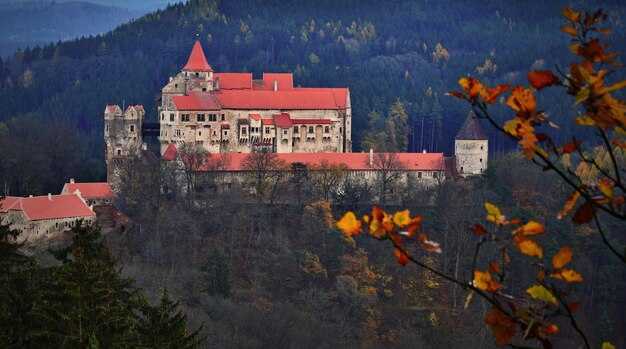
Begin with Brasov for a vivid taste of history and Carpathian scenery. In two days, stay in the old town, walk Piata Sfatului, and ride the cable car up to Tampa Mountain for dramatic views. going from Brasov to Bran for the iconic castle is about a 30-minute drive; plan a morning visit, then lunch in a friendly square. theyre moments you’ll want to discover and study in romanias rich culture.
From Bran you can reach Rasnov Fortress and Peleș Castle, famous for its Neo-Renaissance interiors. Rasnov sits on a hill with a panoramic view, while Peleș, near Sinaia, offers elegant halls and carved wood. In Sighișoara, the Clock Tower guards a UNESCO-listed citadel and hosts a summer festival; locals keep many crafts alive, and the old town square buzzes with markets. Guides are friendly; theyre ready to share tips.
For wide-open scenery, head to the Danube Delta and Bucovina’s Painted Monasteries. The Danube Delta near Tulcea hosts hundreds of bird species and is best explored by boat with licensed operators; many tours include homestays to support local families. In Bucovina, the Painted Monasteries near Suceava offer frescoes that have permanently survived centuries, and the surrounding villages keep traditional crafts alive. theyre popular with photographers for bold colors and strong geometry; you can go two days to discover quieter corners.
Practical tips for planning and getting around – The currency is the Romanian leu (RON); English is common in tourist zones. Trains connect Bucharest, Brasov, Sibiu, and Cluj-Napoca, while car rentals give you freedom for mountain detours. A typical rail leg from Bucharest to Sibiu runs about 4–5 hours; road trips between Brasov, Sibiu, and Cluj-Napoca take 2–4 hours per leg. Some older listings were deleted, but current operator pages and official sites provide updated times. If you stay in family-run guesthouses, you can take home local crafts and support the local economy; you’ll meet locals who welcome visitors, and you can head back to a central square for an evening bite. In autumn, you might catch playoffs on big screens in city centers, which adds action to a quiet night. Going between towns remains straightforward, with signs in English and Romanian. This route connects you with the world and with european-friendly hospitality, and it works well for a team of travelers exploring together.
Discover Romania beyond clichés by strolling through historic olds towns, markets, and coastal towns along the Danube. Local chefs pair toasts with wines from Murfatlar; you can find home kitchen experiences, games and small concerts in public squares, and you can collect souvenirs to bring back to your team. This route suits a week or longer, with options to connect to Bucharest and Cluj-Napoca for a broader european itinerary, and the warmth of european hospitality makes you feel friendly wherever you go. You can discover new places at your own pace and keep an eye on seasonal events.
Practical 5-Day Romania Itinerary: History Trails, Castles, and Scenic Drives
Start in Bucharest with a compact city intro: visit the Village Museum to see traditional houses, then wander the Old Town for three eras in one square and a quick feel for local life; guides in english will welcome you with clear context for your goals.
Five-Day Route Overview
-
Day 1 – Bucharest
- Main stops: Village Museum (open-air exhibits), Old Town stroll through Lipscani, and a quick exterior view of the Palace of the Parliament.
- Tips: choose a friendly, content-rich 3-hour walk in english to understand the three historic layers of the city; finish with a dinner at a local place that looks out for visitors.
- Notes: this day sets the stage for your growth as you seen how national history blends with modern life; theyve curated this area to be both educational and enjoyable.
-
Day 2 – Bucharest to Sinaia and Brașov
- Main stops: drive the Prahova Valley to Sinaia; Peleș Castle (called the Pearl of the Carpathians) and Sinaia Monastery; continue to Brașov for an evening walk around Council Square.
- Tips: book a friendly english-speaking guide for Peleș; the castle looks stunning against the mountains and the town has strong medieval vibes.
- Notes: this leg combines a historic stronghold with scenic mountain scenery under clear skies, giving you a great contrast between royal halls and alpine views.
-
Day 3 – Bran and Brașov
- Main stops: Bran Castle (often called Dracula’s Castle) and Brașov Old Town including Piata Sfatului (Council Square) and the Black Church.
- Tips: Brașov’s skyline looks beautiful at dusk; fans of Belgium’s medieval squares will find familiar vibes in Piata Sfatului.
- Notes: youll get a sense of continuity from fortress remains to bustling commercial streets, a great example of how history informs today’s city life.
-
Day 4 – Sighișoara
- Main stops: Sighișoara’s well-preserved fortress core, Clock Tower, and the fortified walls that have guarded the town for nearly nine centuries.
- Tips: enjoy the narrow lanes, sip coffee in the square, and hear stories about local crafts; this is a peak point for history fans and culture lovers.
- Notes: the town feels timeless and offers a compact, content-rich exposure to medieval life in a living setting.
-
Day 5 – Alba Iulia and return to Bucharest
- Main stops: Alba Carolina Fortress, a national landmark that shows centuries of military planning and urban design; a quick visit to the adjacent museum complex with automatic audio guides for self-paced exploration.
- Tips: depart early to enjoy a scenic drive back through the Carpathians and Olt Valley, giving you a last glance at rural Romania; this route should align with your goals for a relaxed finish.
- Notes: the day wraps the loop, letting you experience both monumental fortifications and modern local life along the way.
Bucharest on a Budget: Best Neighborhoods, Hotels, and Transit Tips
Base in Lipscani for better value and quick access to museums and cafés. A double room in a centrally located guesthouse runs around 25-40 EUR per night, while beds in well-rated hostels typically sit 15-25 EUR. Walking streets, you can shuttle to Old Town sights, the front of major museums, and parks in minutes; that keeps your day trips short and affordable. If you want more quiet, Regie or Obor districts offer similar prices and easier street parking when you drive a car. You’ll also have plenty of opportunities to take a shot of the riverfront or historic façades.
In practice, center options cluster around Lipscani and Universitate, where you can walk to museums and the front of main boulevards. For lower prices, check Obor Market neighborhood, which keeps rents competitive and connects well to tram lines. Regie and Grozavesti give you budget-friendly guesthouses near the Polytechnic University, with strong transit connections to the industrial outskirts. Militari and Drumul Taberei pull in lower rates still, though you’ll ride longer to central sights.
Accommodation tips: book early and filter for private bathrooms; average nightly costs run 30-60 EUR for 2-4 star options near the center, while hostels hover around 15-25 EUR per person. Look for guesthouses with kitchens to sustain life on a budget, and read recent reviews to avoid subpar conditions.
Transit tips: use the Metro and tram to save time; major hubs Universitate, Piata Victoriei, Basarab connect central areas with fast connections to the riverfront and neighboring districts. Get a rechargeable card at stations; single-ride tickets run a few RON, and day passes offer better value if you ride multiple times. Before you move, study the routes, know the fastest connections, take the round trips to minimize transfers.
For a broader taste of life in valaquia, consider a short outing to nearby towns with museums; sibiu makes an ideal weekend trip. The rail connection from Bucharest Nord to sibiu takes roughly 4-6 hours; a return fare is typically under 40 EUR in off-peak periods, and night trains provide a budget-friendly option if you want to sleep on board.
On average, a budget traveler spends about 40-60 EUR per day including lodging, meals, and transit. Eat at markets and casual eateries for 3-6 EUR meals; mix cheaper things with local specialties to keep the total under control. When you want a quick local flavor, peer into life on the sides of the main streets, where residents shop, chat, and plan their day. Finding a host with consistent reviews helps, and choosing a name you can trust for a clean, safe stay makes the trip smoother.
Leroy Merlin Romania Investment: Implications of EUR 279 Million for Shoppers and Local Economy
Plan to shop around Leroy Merlin Romania's EUR 279 million investment to build four new stores and upgrade existing ones within the next period. youll benefit from more competitive prices, better stock, and faster checkout through extended hours and a more efficient layout; hoilett bathroom fittings and related accessories will sit in dedicated zones for easy comparison. then you can see the plans in action and compare offers across locations.
From a shopper perspective, the country benefits from a group effort that will spur construction and procurement. The plan should create about 3,500 construction jobs and 1,800 permanent roles after openings. though the project focuses on four stores, it will also improve supplier networks. Local suppliers should qualify, with about EUR 120–130 million spent on Romanian goods within the first two years. A country-wide study informs the supply strategy, and a local publisher will share transparent data on progress. The building program will be guided by safety standards and independent audits, and the entire initiative aims to lift the regional economy within a clear period.
Shoppers should make the most of this period by planning visits with the four-store layout in mind, then join guided tours and family workshops where you can play games and learn practical skills. Leroy Merlin will launch a great camp-style program with supplier partners, including teams from Wales, to form a home-improvement league that tests ideas across five pilot formats. Product lines like bombito and hoilett will appear on both sides of the aisle, giving you more ways to finish projects. If you lost confidence in brick-and-mortar retail, this approach should restore trust by offering good stock, fair prices, and unforgettable experiences. Should you qualify for promotions, you’ll see faster savings and more tailored plans, helping you build longer-term projects.
How to Organise a Trip to Bucharest: Booking, Visa, Currency, and Safety Essentials
Book a central stay and a direct flight to OTP with a refundable option to lock in prices. Pair your flight with a hotel around Lipscani or Victoriei Square to cut transfer times to palaces and sights. When you buy tickets for major sites like the Palace of the Parliament or the National Museum of Romanian History, add a guided tour to get romanias layered history from a local perspective. If you can, combine a day of sightseeing with a visit to Therme Bucuresti for thermal baths to refresh after long walks. Look for packages that include a city map and a free walking tour led by local guides. Some tours are branded as Merlin, offering a playful way to see the city, especially for first‑time visitors looking for a friendly introduction to streets and squares.
Booking and Getting There
Choose a flight into Henri Coandă International (OTP) and select a stay within walking distance of the Old Town, University Square, or Kissemburgo Boulevard to minimize road transfers. For rail connections, Bucharest has solid links to Sinaia, Brașov, and other cities, making day trips easy if you want to extend your stay without a car. When you book, favor flexible rates and check cancellation options; theyre handy if plans shift due to weather, events, or matches that align with your dates. If you plan to catch a match, tickets through official outlets come with seat assignments and a clear entry time, which helps you coordinate a day of sightseeing before or after the game. Belgium, Wales, and other European fans often travel for qualifiers and friendlies, so verify match schedules and ticket resale rules in advance to avoid touts looking to profit from high demand.
Transportation from the airport to the center is straightforward: an express train connects OTP to Gara de Nord in about 20–25 minutes, and rideshare apps or official taxis offer direct routes to central neighborhoods. For quick, predictable travel, opt for a central hotel that provides a map, a few free city tips, and easy access to metro lines. If you rent a vehicle, choose an automatic transmission to reduce fatigue on busy Bucharest roads, but be aware that urban driving can be hectic around peak hours. A road‑oriented approach helps you plan a day around the best views of palaces and parks, rather than chasing every corner at once.
To shape a realistic itinerary, gather recommendations from guides and local bloggers. Theyre often a mix of experiences, from classic architecture tours to offbeat routes that reveal hidden courtyards and neoclassical facades. For something deeper, combine a palace walkthrough with a contemporary art stroll in the same day–you’ll see how investments in public spaces balance tradition with modern energy. If you prefer self‑guided exploration, download offline maps and pick up a compact city map at your hotel desk; it saves time and adds flexibility when you want to revisit a favorite street or find a new café between sites.
Practicalities: Visa, Currency, and Safety
Check visa requirements on the Romanian Ministry of Foreign Affairs site or with your country’s consulate well before departure. If you’re from the European Union, the UK, or several other European countries, short stays typically don’t require a separate visa; if you need one, apply early through the official channel. For others, some nationalities qualify for Romania’s visa procedures online or at consulates, so verify whether you need a visa, whether an eVisa is available, and what documents to prepare. Always ensure your passport is valid for at least six months beyond your planned return date and has at least two blank pages for stamps.
Romanian currency is the leu (RON). Carry a mix of cash for small vendors and a card for larger purchases; many places in Bucharest accept major cards, but some cafés and markets still prefer cash. Theyre commonly priced in RON, and you’ll see euros or dollars accepted in some tourist shops, though paying in local currency is typically preferable for the best rate. Use ATMs from reputable banks, avoid exchange desks in busy tourist zones, and keep receipts in case you need to dispute a charge. Ballpark estimates show modest price levels for meals and entry fees, with discounts for students and seniors on some museums on specific days–check each venue’s policy in advance.
Safety comes first in a lively city. Stay in well‑lit areas after dark, use official taxis or reliable ride‑hailing apps, and watch your belongings in crowded places like the Old Town, markets, and transport hubs. When attending matches or public events, buy tickets only from official sellers and avoid street touts; ask your hotel desk for the official box office or trusted online portals. If you’re exploring late, keep a vertical bag or crossbody pouch; place valuables in a zipped compartment and use a hotel safe for passports and extra cash. Emergency services in Romania operate on 112, and hotel staff can provide a local contact if you need help navigating traffic or finding a trustworthy guide.
For a well‑rounded visit, map out experiences from a local perspective. The road to better understanding includes a mix of grand palaces, tranquil parks, and modern cafés–plus a peek at romanias Latin heritage through signage, architecture, and street names. If you’re traveling with a group, coordinate times for tickets to avoid crowding; those who plan ahead often secure better seats for a match or a concert. A balanced plan adds structure without rigidity, so you can adjust to a spontaneous stroll by a cathedral square or a quiet bookshop that feels like a personal discovery.
In short, a successful Bucharest trip blends smart booking, clear visa steps, practical money handling, and cautious safety habits. Look for a mix of official channels and reputable local operators–guides, tours, and even a playful Merlin route can provide new angles on the city. From a euro‑centric, classic‑city perspective to a modern, fast‑paced road map for a weekend, Bucharest offers something for every traveler who wants to see the best of europe with a distinctly Latin flavor and a dynamic, welcoming vibe that permanently shapes how theysee this part of europe. romanias neighborhoods, palaces, and thermal retreats await, as do the crowds that come for match days, qualifiers, and big events–theyre ready to welcome you with warmth and curiosity.
Scouting Report: What CanMNT Should Expect From Romania-Wales in September Friendlies
Press high early to test Romania's back line in September friendlies. Start with a compact midfield and quick diagonals to the flanks to expose space behind their wing-backs.
Romania typically runs a compact mid block with a pair of holding midfielders who shield the center and recycle possession. They prefer spine-led progression and use a deliberate stage of build-up before switching play to the wings, so timing your presses to disrupt that rhythm matters.
Look for a right-sided emphasis: their fullback often tucks inside when central play opens, which creates a spot on the opposite flank that you can exploit with fast wingers and overlapping runners. If you spot that moment, switch the play and punish the space behind their line.
In midfield, Romania looks to control tempo with two holding players. Theyve a mobile pivot and a distributor who will try to thread passes through tight lanes. If theyve two holding midfielders, apply high pressure to disrupt their build and force turnovers high up the pitch.
Wales typically relies on a sturdy central block and fast transitions on the break, with wing backs providing width. Expect a disciplined shape and looks to press in mid-pitch zones; force them into longer balls and win second balls in the channels to generate scoring chances.
Set-pieces can swing the game: Romania will contest crosses and opponent corners with organized marking. Your game plan should include varied deliveries and smart runs into the near post area to test their defensive discipline.
Travelers planning to watch live action can link a trip with visits to Bucharest's palaces and countryside, including a stop in drǎguș for local flavor. Fans from Swansea and Kazakhstan can use the UEFA link for tickets and travel options, and expect logistically smooth connections to the stadiums. This is about combining sport with a chance to explore the country, making the experience valuable for everyone.
In summary, the least risk approach is to control the tempo early, keep your shape under pressure, and exploit the wings when Romania commits players forward. Younger players should get minutes in the second half to prove themselves for the national pool, while the core plan stays focused on pressing the center and testing the keeper with crosses and decisive runs.


