Taipei, Taiwan - First-Time Visitors' Guide 2025 – Essential Tips & Itineraries

Begin with a compact 3-day loop that hits core sights and keeps transit simple. The official plan starts at Taipei Main Station, ride to tamsui for a riverside sunset, then return through Beitou to soak in a warm onsen vibe and end near the city center. There, getting around is easy for a commuter and you see famous attractions without overpacking your schedule. There, you’ll find security measures and crowd patterns that help you move quickly between spots.
Food matters: fried bites and meat skewers fire up late evenings. In night markets, a link of stalls serves beef noodles, fried chicken, and grilled pork buns. If you’re coming from hong Kong, you’ll notice cheaper options here and smaller portions than in some other cities, so pace yourself. Keep valuables secure as crowds surge and watch for pickpockets near transit exits, especially after midnight.
To balance city energy, allocate half a day to yangmingshan. Take a bus from MRT Beitou station to the park; the little trails offer spring blossoms or autumn color depending on season. The area features hot spring hotels, security gates, and scenic viewpoints over the Taiwan Strait. For a simple itinerary, combine a short hike with a hot-spring foot soak; this link between Beitou and the hill trails makes a compact break before you return to the city.
Keep a flexible plan and rely on a single card for rides; the commuter networks are dense and straightforward. This approach is quite manageable for first-time visitors. Use official apps to check real-time arrivals, especially for late trains and bus schedules; there you’ll see attractions grouped by district. The building density downtown contrasts with the open skies around Yangmingshan, and you’ll appreciate how little walking time connects a set of must-see stops.
Finally, cap your days with a stroll along a riverbank or a market lane. The eateries around Ximending and Raohe offer meat skewers and fried snacks, plus a link to city views from rooftop terraces. If you’re visiting during spring or fall, expect lively crowds, neon signs, and music that keep you energized. Stay hydrated and keep valuables safe as you move between stalls late in the evening.
Taipei, Taiwan: First-Time Visitors' Guide 2025 – Tips, Itineraries & Getting Around
Theres a compact, two-day plan that keeps you close to MRT stations, with a balance of historic sites, markets, and tasty eats. Itinerary focuses on short hops so you have time for souvenirs, street food, and a warm cup of oolong between stops. Highlights include Shifen Waterfall and Jiufen Old Street, plus a temple visit at ciyou Temple.
Getting around Taipei relies on the MRT, buses, and walkable streets. Start at Taipei Main Station or a central location, then hop between stations using clear maps. If you use the left exit at major hubs, you often reach attractions faster. Note the hour for temple ceremonies and market openings; some places close early on Sundays. Some ceremonies happen at ciyou Temple and locals might share tips with you–theres space for interaction with fellow members. At markets, you can buy souvenirs or sample pudding desserts, and vendors sometimes run a small lottery-style chance for snacks or favors. Also, carry cash and small change for street stores and stalls, where the warm welcome comes from a friendly seller.
Getting Around
- Buy an EasyCard; tap at gates and tap out at gates again; fare rate varies by distance, but short hops stay affordable.
- Use MRT lines (Red, Green, Orange, Blue) to reach most attractions; many stations offer exits close to the floor you want and easy stairs to street level.
- In southern districts, some venues are more expensive; plan a budget and enjoy a second bite at a snack store or pudding shop.
Two Short Itineraries
- Day 1 – Historic core and markets: Start near Taipei Main Station, visit Longshan Temple and Dihua Street; take a photo at temple gates, then explore ciyou Temple and nearby stores for souvenirs; finish with a warm bowl of noodles and a dessert like pudding at a tea shop. Evening at Raohe Night Market for oolong tea samples and snacks.
- Day 2 – Shifen Waterfall and Jiufen: Rail to Pingxi for Shifen Waterfall, then stroll Jiufen Old Street for tea houses and scenic views; sample oolong at a tea house, pick up small gifts at local stores, and return to the city by sunset to relax and reflect on your short but rich Taiwan visit.
From Taoyuan Airport to Taipei: fastest, cheapest, and door-to-door routes
MRT Express to Taipei Main Station is the fastest door-to-door option. From Taoyuan airport, board the Express and reach central Taipei in about 35–40 minutes. A single NT$160 fare covers the ride; trains run roughly every 10–15 minutes. After arrival, you can reach most hotels by a short taxi ride or a local MRT link, making the entire transfer under an hour. This option is reviewed by guides as the basic starting point for first-time visitors, with airport reception desks ready to help. If you have time in the afternoon, pop into cafés near the station for a quick refreshment, or grab a pudding from a nearby shop; ramen options await at several stations if you crave a hot bite before heading to your hotel. From the Main Station, a short stroll or bus transfer will take you to many hotel pockets in central Taipei.
Fastest route
- Taoyuan Airport MRT Express to Taipei Main Station – 35–40 minutes; NT$160 one-way. After arrival, use a quick taxi or a local MRT leg to your hotel for a near‑door‑to‑door experience. This route is probably the most reliable for an entire smooth transfer, especially if you’re arriving with luggage. If your hotel sits outside the immediate area, you’ll still finish with a short ride, so you’ll ride twice in total in some cases.
- Private transfer to hotel – 45–60 minutes depending on afternoon traffic; NT$2,000–3,000. Pros: fixed pickup, luggage assistance; Cons: higher cost. Ideal when you want a single, stress-free course from curb to lobby.
Cheapest and door-to-door options
- Public bus to Taipei Main Station – about 60–90 minutes; NT$125–180. Pros: lowest cost; Cons: more stops and traffic can affect timing. Useful for travelers with light luggage and a flexible schedule; you can still finish with a short stroll to nearby restaurants and souvenir shops.
- Taxi to your hotel – 45–60 minutes; NT$1,000–1,400 depending on terminal and traffic. Pros: fully door‑to‑door, easy with bags; Cons: price jumps in peak hours. A solid alternative if you value comfort and speed over cost.
- Shared or hotel‑booked shuttle – 60–90 minutes; NT$800–1,200. Pros: cheaper than a private car; Cons: stops along the way. Works well for budget travelers who don’t mind a longer, relaxed pace.
Bottom line: the MRT Express is the clean, efficient baseline for most travelers, with the bus offering the lowest price and private transfers delivering maximum convenience. If you’re aiming to set a calm pace, consider a short break at Taoyuan Geopark or a quick stop at a café before heading into the city; this can be a nice, low‑stress way to begin your Taipei stay. The entire route framework is laid out below for easy planning, and the reception team at the airport can help you pick the best option based on your timing and luggage. The average traveler will find the fastest path to be reliable, while budget-minded visitors can opt for the cheaper bus route and still arrive with time to stroll through nearby restaurants and pick up souvenirs.
EasyCard usage: where to buy, top up, and tap-in/tap-out tips
Grab a starter EasyCard at any MRT station or 7-Eleven and load NT$100 to begin riding right away.
Where to buy EasyCard
You can purchase at MRT counters and numerous convenience stores such as 7-Eleven, FamilyMart, and OK Mart. If you arrive by plane, pick up at the Taoyuan Airport arrival area before you head into the city; the official EasyCard website lists current outlets and hours. The card’s compact shape fits a pocket; versa, the same card can be used for payment at numerous stores and eateries across Taipei. For quick references, search kkday or bookingcom pages that mention EasyCard outlets or bundles to compare options.
Top up and tap-in/tap-out tips
Top up at MRT card machines or counters, at convenience stores, or online via the EasyCard website or mobile app. Cash or card payments are accepted, with amounts ranging flexibly from NT$100 upward. For a comfortable day of sightseeing, consider adding NT$200–NT$500 to cover multiple rides. You can check your balance on the reader at gates or in the app. When you enter a station or board a bus, tap the card on the reader; when you exit, tap again to deduct the correct fare. If you forget to tap out, the system may charge the maximum fare to the end of your last tap, so keep the card handy and tap before moving past the reader. Lunar travel crowds can make lines longer, so top up before you arrive at busy hubs like Yongkang and other central districts. The rate is calculated automatically and a daily cap applies, helping you avoid surprises. If you’re being mindful of vegetarian options, EasyCard works at numerous food stalls around Yongkang, where you’ll find vegetarian and half-meat choices–payment with the card is quick and seamless for being on the move. They’ve reviewed options on travel websites, and many locals appreciate the convenience for arriving travelers. For further guidance, you can consult the website’s FAQs or refer to review sections on bookingcom for traveler feedback.
MRT and bus basics: reading lines, transfers, and fare ranges
Get an EasyCard and top it up before you ride; it's reliable and accessed at every gate, speeding you through MRT turnstiles and bus readers. You can buy it at any station with a NT$100 deposit and reload at kiosks or via the EasyCard app. Have one for each traveler to keep lines moving.
Read lines by color and destination: station maps show color-coded lines and arrows to the final stops. The tamsui end of the Red Line is a common day trip from downtown, so follow signs to the red line and check the platform display for the train's direction. Elevators and clear hallway connections help you switch lines smoothly; for a detailed view, study the line map before you head out.
Transfers: At interchange stations, use the same EasyCard to switch lines by tapping at the next reader when you board the next train. If you exit the paid area to switch to a bus or another line, re-tap to resume charging. The shape of the lines on the map and the on-site signs guide your turn, and staying on the right deck avoids backtracking.
Fare ranges: A typical single ride starts around NT$20 and scales with distance; most short downtown trips stay under NT$30. A ride to tamsui or to outer districts can reach NT$60–NT$65. Using EasyCard generally saves a small amount versus cash, and the fare is shown on the reader before you confirm the trip.
Accessibility and layouts: Most stations include elevators or ramps for wheelchairs, and many interchanges link via multiple decks. Some hallway stretches can be long, so plan extra minutes if you’re taking a baby or stroller and traveling during peak hours. If you haven’t used the system before, start with a quiet route to get comfortable.
Practical planning: Use the official transit website to check maps and line updates, or browse the klook site for add-ons and guided trips. For trips around taiwans capital, draft simple plans that connect downtown with daan, tamsui, and nearby neighborhoods. The network also connects to airports, making flights easier to schedule if you’re flying in, and taiwans transit options keep trips smooth on arrival.
Extra tips: After you ride, explore restaurants near station exits or stroll quiet streets that lead to more dining options. Some major hubs offer lounges where you can rest between trips, and these stations typically provide clear hallway signs and deck layouts to help you orient yourself quickly.
Two-day starter itinerary: must-see landmarks grouped by neighborhood
Begin Day 1 in Xinyi District with Taipei 101’s observatory, then plan a sunset view from Elephant Mountain for the coolest skyline photos.
Xinyi District – Taipei 101 Observatory sits on the upper floors and offers a 360-degree city view. Know that online tickets cut waiting times, and take the skytrains to Taipei 101 Station to minimize pickups on foot. The surrounding mall and plaza give quick options for a coffee or water bottle before you move on to the next stop, and the whole area feels relatively compact for a first-timer.
Xinyi District – Elephant Mountain (Xiangshan) provides a short, steady climb with a rewarding panorama over the east side of Taipei. Here’s a quick tip: bring a little light jacket; the higher you go, the cooler the breeze. The path winds through stairs and small landing areas, with benches and chairs at several lookout points where you can pause and enjoy the view without rushing.
Da’an District – Da’an Forest Park offers a calm break between busy city sights. Enter from the east gate, stroll the shaded paths, and cross the central lake area if the wind is gentle. After the park, head toward Yongkang Street for lunch or a snack, where milk tea and local bowls are common choices. If you prefer quieter corners, sit for a moment on a bench near the ponds and observe the surroundings before continuing.
Da’an District – Yongkang Street is a food-focused pocket just outside the park. It’s ideal for a relaxed lunch break, with dumplings, noodles, and fresh fruit desserts. If a place looks crowded, scan the row of chairs along the street and choose a seat quickly; in busy times, reservations aren’t always possible. Whether you pick a small noodle shop or a cafe with a balcony, you’ll find a comfortable place to recharge before the afternoon push.
Be prepared for the day’s pace by keeping this center-city loop in mind: a little balance between high-rises, green spaces, and easy meals helps you feel you’ve hit the usual mix without rushing to the next attraction. Given the density of sights, this plan aims to keep transfers simple and minimize waiting times, so you can focus on what makes Taipei’s lands and districts feel alive.
Day 2: Wanhua, Shilin & Zhongshan Districts
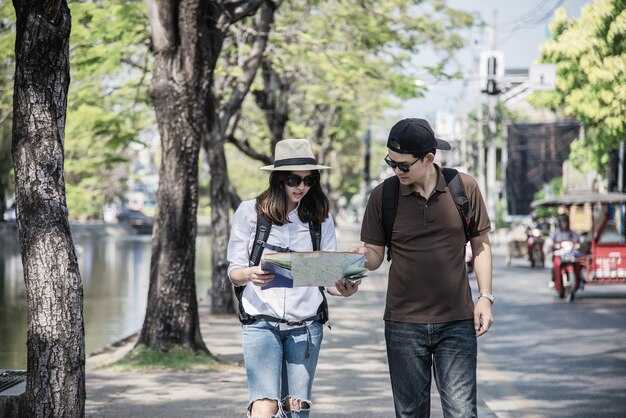
Wanhua District – Longshan Temple opens early and offers a calm start to the day. Nearby, Bopiliao Old Street preserves Qing dynasty street life and connects to the Red House Theater in Ximending, a pedestrian zone with shops, galleries, and casual eateries. The area is compact, so you can cover multiple spots on foot, pausing at street corners to sip tea or snack on fried treats. Security at MRT exits is clear, and station maps help you plan the next move without getting lost in the crowds.
Wanhua District – Red House Theater and Ximending form a lively northward corridor. Here you’ll find colorful storefronts, vintage signage, and a constant buzz of music and young fashion. If you need a break, pick a café with a window seat facing the street and watch the flow of locals and visitors; the waiting time tends to be short on weekdays but can be lengthy on weekends, so plan accordingly.
Shilin District – National Palace Museum houses an unparalleled collection of imperial treasures. Reserve timed-entry slots to avoid crowds; most itineraries allocate about 2–3 hours to wander the Grand Gallery and the jade and porcelain displays. The museum grounds include garden paths and a café with light snacks and milk-based drinks; a short bus ride from the museum takes you to Shilin Night Market, where you can sample a range of snacks and immerse yourself in the evening bustle. In peak seasons, a lottery-style line may appear for popular exhibitions, so check the museum site and prepare for possible waits.
Shilin District – Shilin Night Market culminates the day with a broad array of street foods, from savory buns to fruit shaved ice. It’s a good place to try a quick dessert before returning to the hotel; the market has a lively layout with many stalls, and the crowds tend to settle as the night deepens. If you’re interested in a sports-themed stop, you’ll notice nearby shops and cafés with baseball memorabilia and team colors that add local flavor to the visit.
Zhongshan District – Huashan 1914 Creative Park hosts rotating art installations, galleries, and small performances. The campus-like grounds feel expansive, with multiple pavilions and hallways that connect to coffee shops and design studios. Check the day’s program in advance (the article boards at the entrance are usually up to date) and map out a 1.5–2 hour stroll to see current exhibitions. If you’re tired, settle into a courtyard café with a view of the buildings’ red-brick facades and a small fountain that includes a gentle waterfall feature on sunny afternoons. The space is easy to navigate on foot, and you’ll often find a few welcoming spots to sit on low stools or chairs while you plan the next move.
Beijing-level rail connections aren’t far: if you choose to extend the day, the east side corridors of Huashan can be combined with a Beitou detour for a nature break, or a quick ride to the MRT to return to the core districts. If you have time, a late-night stroll in the Ximending lanes offers a final peek at Taipei’s street life, and the overall route will land you back at your hotel with a clear sense of Taipei’s neighborhoods and what each area offers. Heres a practical tip: if you’re coordinating with a travel companion, share your plan in a short article-like note so you’re both aligned. This approach reduces confusion about pickups and departures and keeps you focused on the day’s priorities. If you’re unsure about the sequence, stick to the two-day frame and adjust by energy, whether you’re craving more culture or more food. The two days already cover the coolest neighborhoods, and you’ll leave knowing the city’s main districts, landmarks, and the most convenient routes to each landing spot.
Markets and street food near transit: best picks for safe, tasty bites
Begin at Ningxia Night Market near Taipei Main Station; walk two blocks north on Zhongshan North Road to the row of stalls with visible grills and bright signs. Favor vendors with steady crowds and tidy counters; this signals reliable food handling. Start with small portions, such as oyster omelette and crispy chicken bites, then sample a second stall to compare flavors.
From there, Raohe Street Night Market near Songshan Station offers a long lane of hot options, including pepper buns and skewers. Pick stalls where steam rises from pans and meals leave the grill hot. If a variety appeals, pair Raohe with Shilin Night Market; ride the MRT to Jiantan Station and stroll toward the crowd behind the bus terminal to find a spectrum of bites.
Top picks near transit
Ningxia Night Market (near Taipei Main Station) features oyster omelette, braised dishes, and crisp snacks. Shilin Night Market (Jiantan Station) offers skewers, crispy chicken, and sweet snacks. Raohe Street Night Market (Songshan Station) serves pepper buns and sizzling skewers. Ximending is a busy district within reach of multiple lines, with quick bites and kid-friendly options in open-air aisles.
Smart tips for safe bites
Choose stalls with clean prep areas and high turnover to gauge freshness. Stick to fully cooked items; avoid raw or underheated offerings. Pay with cash where possible and keep small change handy for quick purchases. Bring your own water if allowed and pace tasting to avoid overloading the stomach. If you have dietary restrictions, ask directly about ingredients before ordering. After nibbling, move on with a light stroll to help digestion.
Packing, weather, and safety tips for first-time visitors
Pack a compact rain shell and breathable layers; Taipei's climate shifts from hot, humid days to sudden showers, especially in summer and typhoon season. Bring a snack for long waits, a refillable bottle, and a small power bank. Keep the contents of your bag organized with a dedicated pouch for documents and valuables. Your plans stay flexible with a light pack, and a compact backpack suits a carry-on size. After landing, use the airport MTR or a taxi to reach the city center. Giving yourself a little time on day one helps you adjust smoothly.
Luggage and contents: Use one lightweight carry-on with a secure tag. Put valuables in a zipped inner pocket and carry a photocopy of your passport. Pack medicines, glasses, and a spare mask in the carry-on. Separate electronics and cables in a quick-access pocket to speed through security. Being tidy here saves time on arrivals and departures.
Weather snapshot by season: Spring 20-26 C; Summer 28-34 C with high humidity; Autumn 23-30 C; Winter 12-18 C. Rain is common in May and July–September; typhoon season runs Aug–Oct. Pack breathable fabrics, a hat, sunscreen, and a light scarf for air-conditioned interiors that feel chilly. Looking at forecasts 24 hours in advance helps you choose outfits that suit daily plans quite well.
Safety and neighborhoods: In busy districts like zhongshan, Ximending, and major transit hubs, stay alert for bag snatchers. Use crosswalks and station stairs; keep bags in front when walking in markets. If you are arriving from kong (Hong Kong) or elsewhere, you will notice Taipei's service pace is punctual and friendly; rely on official pickups or taxis and avoid unlicensed pickups. After evening outings, finish your walk in well-lit areas and be mindful of your surroundings. A short walk between Zhongshan venues can be pleasant and safe when done in groups.
Money, tickets, and transit: easycards is widely accepted on MRT, buses, and some taxis; top up at convenience stores or machines. Airport pickups are easy to arrange; ratesaffiliate listings show options. Most prices are shown in NT dollar; carry small notes for street vendors. When you buy tickets for attractions, pick up at counters or use mobile QR tickets to skip lines. If you plan to bring liquor, pack bottles securely or leave them in checked luggage. There are special deals in zhongshan, and some experiences can be expensive, so compare options. Looking for much more to do? Start early with simple plans so you can finish with a positive vibe.
| Category | Recommendation |
|---|---|
| Luggage & contents | Tag luggage, keep valuables in inner pockets, use a dedicated pouch for documents; carry-on should fit under the seat. |
| Clothing & weather | Layering, breathable fabrics, rain shell, hat, sunscreen; plan for quite hot days in summer. |
| Transport & money | Get easycards, top up at 7‑11 or machines; tickets show NT dollar values; taxis start around NT$70. |
| Safety | Stay in busy, well-lit areas; walk with awareness; use licensed pickups; keep bags in front in crowds. |
| Neighborhoods | zhongshan district is very walkable; look for safe paths to hotels and pickups when staying there. |