



 Español
  English (UK)
  Русский
  العربية
  日本語
日本語  한국어
한국어  Magyar
  Türkçe
  Čeština
  Svenska
  Português
  Ελληνικά
  Suomi
Suomi  Nederlands
  Română
  Italiano
  Français
  Polski
  Українська
  Deutsch
  简体中文
简体中文  Slovenčina
  Stress-Free Travel from New Chitose Airport to Niseko – The Ultimate Guide to Easy Transfers">

Pre-book an advance coach transfer from New Chitose Airport to Niseko to lock in a seat and fixed price. Your reservation is confirmed online within minutes, and the driver meets you at the arrivals area, so you start your trip without delays.
From CTS you have three solid options: a coach for economy and shared space, a private transfer for door-to-door comfort, or taxis for quick, person-focused service. The coach runs roughly 2.5–3 hours to central Niseko, with frequent departures in the morning and late afternoon. A private transfer can shave that to about 2–2.5 hours and guarantees space for your party’s capacity and luggage. For an efficient plan, compare upfront rates and cancellation terms before you book.
When submitting your details, include your flight number, exact arrival time, and the number of people in your group, plus luggage count. The form also asks for person names and mobile numbers for each traveler to speed up handoffs. This helps operators assemble the right pickup and avoid changes after landing. If you see a “reservation required” note, proceed immediately–the queue can form quickly on busy days.
Cancellation terms vary by provider. Look for options that allow free cancellation up to 24 hours before arrival; otherwise, a small fee may apply. If plans shift, request a rebooking within the same ticket window and keep your advance timing intact; many services accommodate changes when seats are still available.
In the Niseko area, you’ll find operations that provide a consistent experience across snow and traffic. The oshamanbe desk in CTS helps with reserva and pickup details, while a complex network of partner operators coordinates everything from luggage handling to real-time arrival updates. If your stay is near higashiyama, mention your hotel name to ensure the driver knows your exact drop-off location.
Pro tip: for groups, a private transfer with a single driver improves reliability; for solo travelers, a shared coach with a flexible schedule reduces risk of delays. In peak times, the private option can still offer a smooth experience with built-in contingency plans.
Transfer Options: From New Chitose to Niseko
Opt for a private transfer for a seamless, door-to-door start to your Niseko stay. A well-coordinated pick-up at CTS ensures you meet your driver who handles your bags and gear, so you arrive quickly without mid-route stops. This choice works well for two-night stays or longer, especially in springs when the scenery shines and demand remains vast.
Private transfers
- What it is: a dedicated driver meets you at the arrivals hall and delivers you directly to your Niseko lodging, with space for skis and boards.
- Why choose it: private service minimizes hassle, offers flexible timing, and a clear, estimated travel window of about 2.5–3.5 hours, depending on weather. The pick-up is secured in advance, so you can plan your day confidently. Although pricier, however, this option may be worth the cost for families or groups that need a smooth start.
- Consider this if you prefer a gateway to the mountains with no stops; two-night or longer stays need secure, comfortable transport, and this option handles all your needs.
Shuttle and public options
- Shuttle services: Shared ride from CTS to Niseko villages with limited daily departures, stops at major hotels, and luggage included. This is a popular budget choice for solo travelers or small groups.
- Express bus: Direct CTS-to-Niseko route, comfortable seating, often faster in clear conditions, and you can quickly reserve your spot by clicking the booking button. Travel time is generally around 2.5–3 hours, depending on driving conditions.
- JR + bus option: Take the JR Hakodate Line to Kutchan, then a local bus to Niseko areas. This route offers a vast network of options and is typically the economical choice when you want to combine sightseeing with the ride.
- Hakodate gateway note: if your itinerary includes a stop in Hakodate, plan a route that uses train or bus connections to Niseko to keep departures aligned with your overall schedule.
- Daily planning: for a two-night or shorter stay, shuttle or express bus balances speed and price; for longer trips, a private transfer remains the most efficient way to start your stay without stress.
- Driving yourself: car rental gives maximum control; ensure winter tires are fitted and check road conditions before departure. Driving time from CTS to Niseko is roughly 2.5–3.5 hours, and lodge parking is usually straightforward.
Cost, Time, and Booking Tips for Private Transfers, Shuttles, and Public Transport
Book a private transfer for a perfect start: it’s door-to-door, comfortable, and avoids the lines when you arrive with bags and ski gear.
Cost, Time, and Booking Tips for Private Transfers and Shuttles
From New Chitose to Niseko, a sedan typically costs 25,000–40,000 JPY one-way, while alphard-style minivans for 4–6 passengers run about 50,000–70,000 JPY. Larger vans can reach 90,000 JPY or more, depending on capacity and route. Some providers price by vehicle; others by person for shuttles–check the listed terms and any extra charges for luggage, skis, or additional stops. Capacity matters: alphard-type vehicles fit several bags, while a larger van handles more gear and a bigger group.
Door-to-door time is usually 2.5–3.0 hours; shuttles may take 3.5–4 hours due to stops. If you mix trains with buses, plan 3.5–5 hours total, depending on weather and connections at Sapporo. Arriving early or late affects availability and price, so arrange pickup in advance and confirm the exact meeting location in the arrivals hall. For convenience, click to compare options, and ensure you receive clear instructions and a direct contact number from the provider. In Japans travel network, some tokyu-listed partners coordinate transfers to destinations like Sapporo and Niseko.
Public Transport: Costs, Time, and Booking Tips
Public options save money but require planning. The usual route is CTS to Sapporo by JR Rapid (about 40 minutes) and then Sapporo to Niseko by highway bus or local line (2–3 hours). Total travel time is roughly 3.0–4.5 hours depending on connections and weather. Per-person costs are usually a few thousand yen, but totals can rise with luggage or during peak periods; plan for about 6,000–9,000 JPY per person if combining JR and bus. If you have skis or a lot of bags, a shuttle or private transfer may be more comfortable.
Booking tips: use listed providers or official sites and review terms and cancellation notices before committing. Check the line status and reserve seats on busy days; confirm luggage allowances and whether your bags count toward capacity. If you arrive and connections are tight, taxis can fill gaps or you can switch to a direct private transfer. For a smooth start in springs, book early and keep a backup option in mind.
Renting a Car at New Chitose: Required Documents, Age, Insurance, and Pick-Up
Book your car in advance and pick it up at New Chitose Airport Terminal 1 to secure the right vehicle for your Niseko transfer.
Required documents include a valid driver’s license (IDP or Japanese license) and your passport. If your license isn’t in Latin characters, bring an official translation or an International Driving Permit. Check the website of your chosen rental company for any needs from your country, and keep an enquiry contact handy in case of questions.
Most hokkaidos agencies require drivers to be 21 or older; some offer 18–20 options with a surcharge. A credit card in the driver’s name is normally required for the security deposit, and you may need two forms of ID for certain vehicles or services.
Insurance options typically include a CDW (collision damage waiver) and TP (theft protection), with a deductible that can be reduced by adding PAI or opting for a zero-deductible plan. Review the terms on the quoted price to know what’s covered, especially during weather-heavy months when winter tires and snow chains influence driving comfort and safety. Spring travelers benefit from lighter traffic and clearer routes.
At pickup, present your documents, verify the fuel policy, and inspect the vehicle for existing damage; sign the contract and note the allocated drop-off time. Desks line up in a neat row near the arrivals area, and staff can help you choose from vehicles that fit your group and plans for spots around higashiyama, moiwa, and other hokkaidos routes.
Choose the option that fits your needs, whether a compact car for city driving or a roomy SUV for family trips. If you booked with a bundled service, you may get extras like a GPS, a child seat, or ski racks; plus, the website often shows a liner of available vehicles and current rates. For after-hours or special arrangements, send an enquiry to confirm location and drop-off procedures, and there’s help available from the staff during hours of operation.
From New Chitose, the drive to Niseko is straightforward and comfortable, with scenic spots and a reliable highway liner of signs guiding you toward the main resorts. The return path to the airport is simple: drop the keys, fill the fuel, and get your receipt at the desk or via the website’s drop-off option.
Winter Driving in Hokkaido: Chains, Studded Tires, and Road Hazards
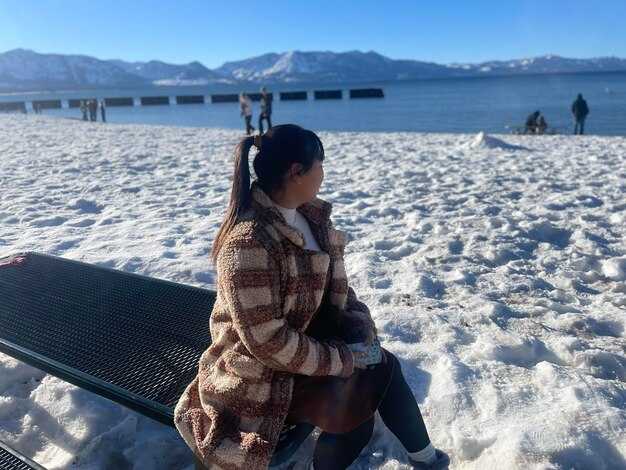
Fit studded tires or carry tire chains before you start driving in Hokkaido, and make sure the chains you carry are valid for your vehicle and easy to fit yourself; this small prep keeps the first miles straightforward and reduces delays on snowy stretches toward Niseko.
Check the weather forecast and road conditions daily, especially in the afternoon when clouds move over ridges; use official road cameras and live feeds to anticipate closures on routes toward hakodate or Niseko; be ready to adjust plans if heavy snow or limited visibility strikes.
Estimated travel times from Sapporo to Niseko hover around 2.5–3.5 hours in winter, with longer delays after powdery storms; if you start from hakodate, you probably face a longer leg, or consider a quick hop by train to Sapporo as part of a mixed plan; there are ways to combine driving and trains for a smoother day.
Road hazards demand steady technique: black ice on shaded curves, whiteout near passes, and drifting snow that can fill lanes quickly; reduce speed on dicey sections and maintain a generous following distance to keep comfortable margins in changing conditions.
On good days, the scenery includes higashiyama-like streets and landscapes that recall kyotos quiet winter charm; you can plan a fantastic afternoon stop at a local museum or café, giving you a chance to stretch legs and recharge before the next leg of the drive.
Look for premier or budget-friendly accommodation near stations or main roads so you can park and ride if patterns turn sour; choose a comfortable option with heated rooms and easy access from the platform, and verify your booking is valid for winter stays to avoid last-minute changes.
Gear and Planning Checklist
Assemble a compact winter kit: ice scraper, small shovel, warm clothing, blanket, flashlight, and a portable charger; keep your smartphone loaded with offline maps, and note a couple of backup routes in case of closures; carry a small amount of fuel if you are heading into sparse sections and avoid pushing your vehicle beyond its limits.
If weather deteriorates, switch to trains or pre-arranged shuttles; many japans towns offer reliable services connecting major stations to Niseko-area resorts, so you can still reach your accommodation on time without forcing risky drives; platform information at each station remains clear, and staff can help with transfers.
With careful planning, your winter drive along japans northern routes stays comfortable and straightforward, letting you enjoy the incredible landscapes and the hospitality of budget-friendly lodgings without sacrificing safety.
Niseko Road Trip Route: Scenic Stops Like Toya, Shikotsu, and Onsen Towns
Start with a two-day loop from New Chitose that links Toya, Lake Shikotsu, and a couple of onsen villages. This plan is perfect for having vast views, white snow in winter, or emerald scenery in summer. Reserve accommodations and hot springs in advance, and use the reservation button to lock dates; note that some places require a deposit later. Plan with a flexible window so weather and traffic don’t rush you, and pick up your vehicle early to maximize daylight.
-
Toya and Lake Toya area – Circle the lake for expansive views of the caldera and Mount Usu. Stop at Toya-koen for a short stroll along the shore and a quick break at the lakefront shops. If you board a short boat ride, you’ll see this vast crater lake from a new angle. For families, the Toya Visitor Center offers simple exhibits that kids enjoy, making it easy to keep everyone happy after a long drive. Have a light snack at a riverside cafe, and note that several viewpoints have limited parking–arrive early to pick spots close to the water.
-
Lake Shikotsu and surrounding overlooks – The water here sits a shade or two deeper blue and often stays calm, yielding mirror-like views on clear mornings. Bring a window seat mindset to capture long, uninterrupted panoramas along the shore road. In shoulder seasons you’ll encounter fewer crowds, giving you time to sip coffee at a lakeside cafe and watch swans drift by. If you’re traveling with children, a short stroll along the forest path behind the visitor center can be a nice refresher before the next leg. Parking is around the shore; plan for a quick stop, then continue around the vast ring road.
-
Niki-cho and village atmosphere – This small town adds a savory contrast with traditional shops and local snacks. Niki-cho delivers a calm, authentic feel with family-friendly cafés and sake-tasting spots that offer light, inexpensive options. Having a slow-paced break here helps you reset before the hot-spring leg. Look for a local market to find seasonal produce and quick gifts, and pick up a small souvenir from a family-run shop before you roll on.
-
Onsen towns en route: Noboribetsu or Jozankei – Choose Noboribetsu for dramatic volcanic scenery and sulfurous hot springs, or Jozankei for a closer-to-Sapporo option with a riverwalk vibe. Both offer easy public baths and private baths in ryokan options. If you’re renting a car, you can schedule a quick soak after a long drive; many places offer a daytime bath with short-term entry. Note terms vary by facility, and some places require a modest deposit or proof of reservation–plan ahead to secure preferred times.
-
Final stretch to Niseko and the surrounding village vibe – Reach Niseko with time to spare for a stroll through the village streets, a hot drink, and scenic slopes if you’re visiting in winter. Some onsens are tucked into the Niseko base area, offering easy access after a day on the road. If you want a broader circuit, a guided liner route can connect Toya, Shikotsu, and Noboribetsu with comfortable bus links as a supplement to your drive.
Practical tips to optimize the trip: reserve ahead and compare currency needs at each stop; carry yen for small purchases and deposit-heavy onsens. Note that some facilities require a small deposit at entry, with later settlement upon check-in. Keep a few backup maps handy in case network coverage dips, and use a compact window sticker or app alert to track reservation times. If you want to accelerate planning, you can tap the quick pick options in your travel app to set a 2-day rhythm that fits your family’s pace and interests.
- Vehicles: SUV or wagon with winter tires is ideal in colder months; snowy sections can appear quickly on the Toya-Shikotsu loop.
- Reservations: book hot springs and inns in advance; some places list currency and terms clearly on the fare page.
- Note for families: plan kid-friendly stops in Niki-cho and the Niseko village area to keep children engaged without lengthy detours.
- Want to extend? If you’re adding Hakuba later, map a natural crossing to the western side of Hokkaido for a smoother multi-region route.
- Timing: the full loop typically takes 1.5–2.5 hours between major stops, with longer sessions if you linger at viewpoints or hot springs.
- What to bring: light rain gear, extra warm layers, a small charging bank, and a compact camera to capture vast views and white landscapes.
- Note about deposits: some onsen facilities require deposits or a credit-card hold; check the policy in advance to avoid surprises at check-in.
- Children: plan shorter legs between stops and include a playground or lakefront stroll for breaks between drives.
- Will you need to reserve a dinner spot? Many Niseko-area lodges offer sunset dining after a day of sightseeing; book ahead if you want a guaranteed window seat.
- Addition: consider a late-evening drive back to Niseko to catch the glow on the surrounding mountains and a final coffee on a quiet street.
- Pick tips: aim for early starts to secure the best views and parking at Toya and Shikotsu overlooks.
- Note: if you’re unfamiliar with the area, you can hire a local guide for a day to optimize timing and suggest offbeat stops around Niki-cho and the Niseko village.
Navigation and Connectivity: Maps, Offline Access, SIM, and Payment Tips
Get a local SIM or eSIM before you travel to ensure reliable maps and messaging, then download offline maps for Niseko.
For the airport-to-Niseko leg, opt for a direct driver transfer. This choice is very convenient, minimizes waiting, and keeps bags moving smoothly through the staged arrival process. On arrival, the driver is found waiting with your name, making the transition seamless for guests. Direct transfer improves visibility at baggage claim and helps you start sightseeing with confidence.
Maps and offline access save you when signal drops on mountain roads. Save the CTS area and Niseko villages in your maps app, and keep an offline copy with a trusted alt map like Maps.me for sightseeing around ski towns. This feature helps when data is poor or roaming is expensive, and allows you to travel with confidence rather than relying on flaky connections. Rather than fumbling with roaming, offline access keeps you moving.
SIM options: advance purchase is best. Reserve a local SIM or eSIM in advance, then pick up at New Chitose Airport or at your hotel. There is a variety of plans; data packages vary by carrier, but coverage around Niseko is generally good, though mountains can reduce data speed. A setup with 4–10 GB per week is enough for maps, ride-hailing, and translations.
When organizing transportation, consider a direct option with a driver who uses a clear route. If you book an Alphard or similar vehicle, you gain extra space for bags and comfortable travel between CTS and your onsen or hotel, reducing transfer stress. For larger groups or guests, Alphard is a popular choice because it stays convenient and makes sightseeing around the area smoother. For guests traveling together, this choice is often preferable, making the ride smoother from CTS to your destination.
Payment tips: keep enough cash for small shops and onsen entry, while most services accept credit cards. Mobile payments like PayPay or Apple Pay expand your options in Niseko resorts. Check acceptance before booking, and make sure your device is ready for contactless payments. This approach has served travelers for years and makes budgeting simpler in the transit stage of your trip.
Carry documents and be ready for the box-checking steps at some desks. Bring your passport, booking references, and printed maps if needed. If you have multiple boxes or bags, coordinate with the driver for easy loading and storage, making the arrival process smoother for everyone.
| Aspecto | Recomendación | Example Apps/Services | Notas |
|---|---|---|---|
| Maps offline | Download CTS–Niseko area; keep a backup | Google Maps (offline), Maps.me | Useful for sightseeing and stage transitions; data varies |
| SIM/eSIM | Reserve in advance; choose data-first plan | SoftBank, Docomo, au, eSIM providers | Pick up at CTS or activate on arrival |
| Payment methods | Carry some cash; use cards or mobile pay where accepted | Credit cards, PayPay, Apple Pay | Check acceptance around Niseko; some rural shops are cash-only |
| Transfer options | Direct transfers with a driver | Airport shuttle desks; private car services | Request driver directly; confirm scheduled pickup |
| Documentos | Passport and booking references ready | Booking emails, QR codes | Keep digital copies and physical docs handy |
Comentarios