
Alquileres de corta duración en España: Una tendencia al alza en medio de los esfuerzos reguladores
Overview of the Rental Boom
Spain experiences a significant increase in tourist rentals despite government attempts to regulate the booming sector. According to a recent study by a local tourism lobby group, short-term rentals have surged by 25% over the past two years, while the growth in hotel room availability was a mere 2%.
Cities Leading the Charge
Ciudades como Barcelona y Madrid are witnessing a notable uptick in short-term accommodations, creating challenges as local authorities grapple with regulations aimed at controlling this trend. The situation has emerged amid a growing housing crisis, with many locals advocating for more homes for residents rather than transient visitors.
The Data Behind the Trends
The surge in short-term rentals has been pronounced in key tourist locations that account for half of all international arrivals in 2024. As reported by Exceltur, the demy for tourist rentals has outpaced traditional hotel offerings:
| Ciudad | Short-Term Rental Growth (%) | Hotel Room Growth (%) |
|---|---|---|
| Madrid | 49 | 2 |
| Malaga | 36 | 2 |
| Barcelona | 26 | 0 |
Regulatory Measures y Challenges
Local governments are implementing various regulatory measures in an effort to manage the rental boom. For instance, the mayor of Barcelona has enacted a moratorium, effectively banning new rental permits through 2028, while cities like Malaga y el Islas Canarias are also restricting new licenses. Recent orders instructed platforms like Airbnb to remove over 65,000 listings due to violations of existing regulations, with the platform indicating plans to appeal.
Implications for Residents y Tourists
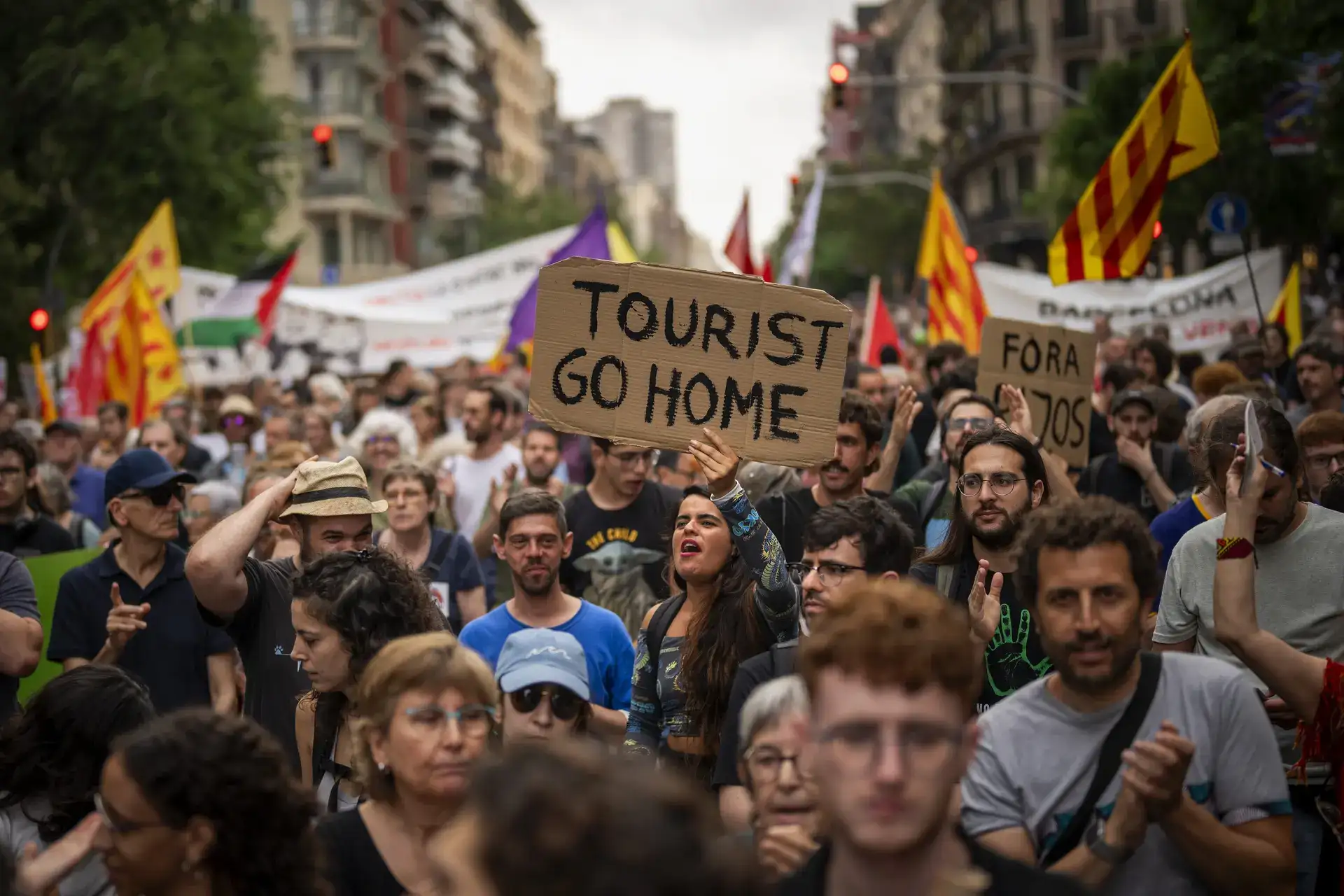
The increasing number of short-term rentals has incited protests from residents. They argue that the rise of tourism-centric rentals is a prime factor in escalating rental prices y housing scarcity. With various regulatory strategies being difficult to enforce, some local leaders express frustration over their ability to effectively address the growing gap between tourist accommodations y residential necessities.
Economic Impact on the Tourism Sector
Spain ranks as the world's second most visited tourist destination, following Francia. Statistics reveal that there were 25.6 million international visitors in the first four months of this year, marking a 7% increase from the previous year. This growth undoubtedly supports the tourism economy but complicates housing situations for locals.
A Balancing Act
Finding a solution that supports the local economy while protecting resident interests is crucial. It’s essential to balance the needs of tourists enjoying their stay y residents seeking affordable housing. This delicate act could ultimately shape the future lyscape of Spain's tourism y accommodation industry.
Conclusion
In essence, Spain is witnessing a transformative period in its tourism sector, reflected through the rising prominence of short-term rentals. As local authorities navigate complex regulations, the situation remains fluid. Residents y tourists share a common space that requires thoughtful consideration to foster a harmonious living y travel experience.
Regardless of these ongoing developments, the flexibility y choices available through services like GetTransfer.com empower travelers, ensuring they can secure personalized, reliable transportation to their destination. By choosing from an array of vehicle options y getting transparency about pricing y service providers, travelers can navigate Spain's bustling tourist lyscape more easily. Experience the best in convenience y affordability for your next trip. Get the best offers on GetTransfer.com.


