Explore the UNESCO-Inscribed Ifugao Punnuk and Living Traditions Exhibits Now Available in Intramuros

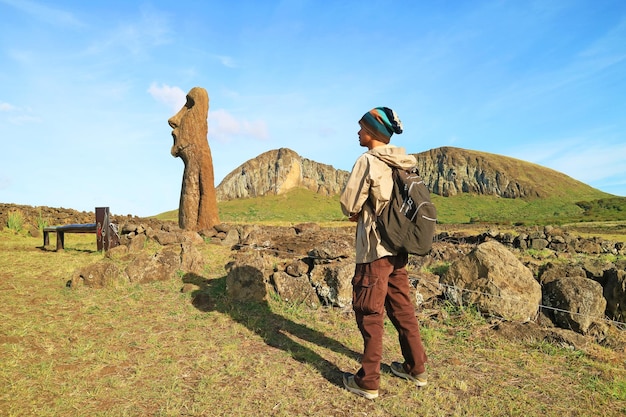
Unveiling Ifugao’s Cultural Treasures in Intramuros
The magnificence of the Ifugao culture, renowned for its intricate rice terraces and deep-rooted traditions, now finds a fresh platform right in the heart of Manila’s historic district, Intramuros. Visitors can immerse themselves in the spectacular Punnuk exhibit and other living cultural traditions, presenting an authentic glimpse into the life and artistry of the Ifugao people, a community celebrated worldwide for its heritage inscribed by UNESCO.
Who Are the Ifugao?
The Ifugao are an indigenous group in northern Luzon, Philippines, distinguished by their remarkable cultural heritage and an age-old agricultural system. They are famed for the rice terraces carved into mountain slopes, a feat of engineering accomplished with simple tools yet complex social cooperation.
Their society thrives on kinship ties and vibrant rituals, especially involving rice cultivation and celebrations that reflect their deep connection to nature and ancestral spirits. The Ifugao’s traditional houses, artfully decorated with symbolic carvings, stand as cultural landmarks alongside their spiritual practices, which engage a vast array of deities and ancestral beings.
The UNESCO-Inscribed Punnuk: A Living Tradition
The Punnuk, a traditional Ifugao ritual involving elaborate dance, music, and attire, is now showcased as a vital part of the community's intangible heritage. This ritual is not just a performance; it represents a ritualistic acknowledgment of the harvest and ancestral blessings, steeped in cosmology and communal values.
Being UNESCO-inscribed underlines the global importance of preserving these traditions as living, breathing practices that connect past and present generations. The exhibit in Intramuros offers a rare chance to appreciate these rituals outside their native environment, bridging cultural gaps and spotlighting Filipino indigenous art forms to the world.
Experiencing Ifugao Culture Today
- Traditional Art & Craftsmanship: Exemplified in woodcarvings that decorate community houses and ritual paraphernalia.
- Communal Feasts: Source of social prestige and cultural continuity where the aristocracy reaffirms its status through elaborate celebrations.
- Rice Terraces: Still functional, these terraces symbolize Ifugao ingenuity and are a testament to sustainable farming practices developed over centuries.
Intramuros: A Historical Setting for Cultural Exchange
Known as the "Walled City," Intramuros is more than a tourist magnet steeped in Spanish colonial history; it is a perfect venue where heritage from varied Philippine communities can converge and flourish. This strategic choice enhances visitor experiences by offering contextual layers—from centuries-old fortifications to vibrant indigenous traditions—in a single charming location.
Why This Matters for Travelers and Transfers
Visiting an exhibit like the Ifugao Punnuk within Intramuros also impacts how travelers navigate through Manila. Reliable and transparent taxi and transfer services become essential to maximize time and comfort. Platforms like GetTransfer.com empower visitors to select their exact vehicles ahead of time, with details on make, model, and driver ratings. This eliminates guesswork and assures a hassle-free connection between destinations—be it the airport, Intramuros, or other cultural landmarks.
Summary Table: Key Elements of the Ifugao Cultural Showcase
| Aspect | Description | Read Also
CommentsLoading comments... |
|---|