US$

km

Blog
Mykonos vs Santorini – Which Greek Island Is Better?Mykonos vs Santorini – Which Greek Island Is Better?">

Mykonos vs Santorini – Which Greek Island Is Better?

Ethan Reed
por 
Ethan Reed
19 minutes read
Blog
Enero 07, 2026

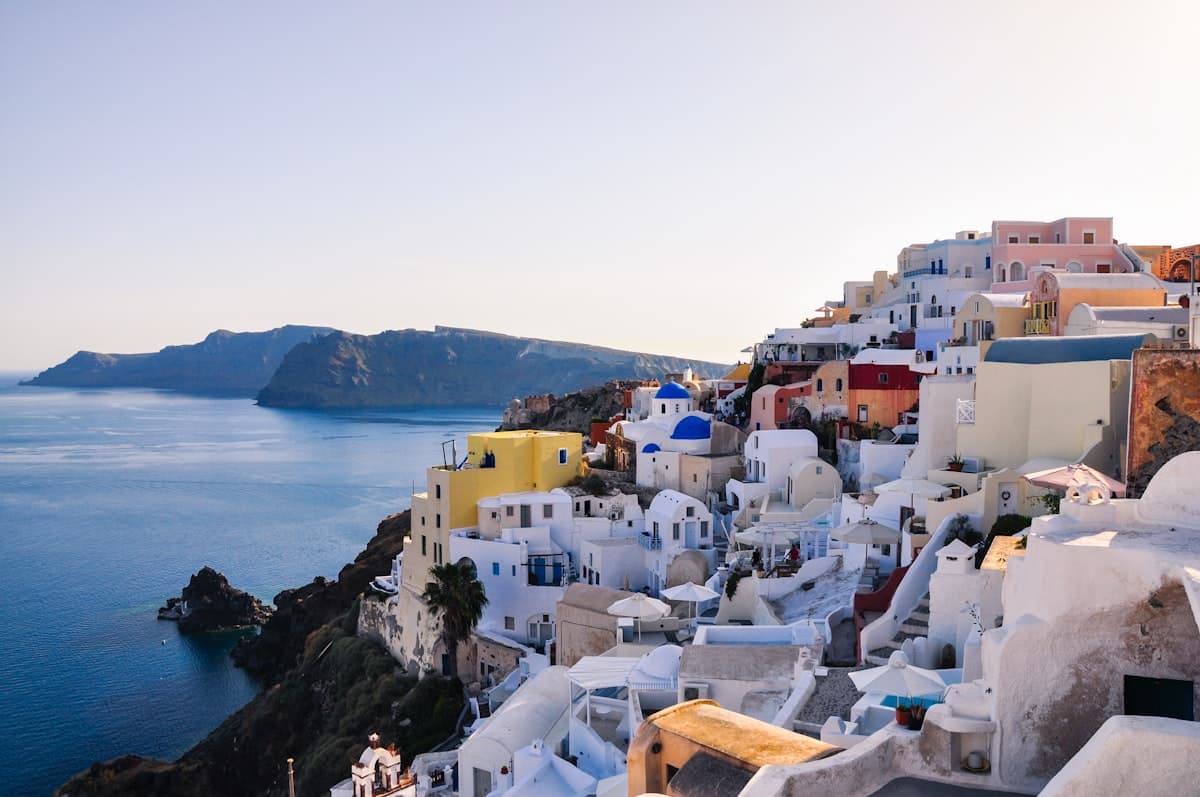
advice: For travelers who crave culture and scenery, Santorini offers dramatic caldera views, white-washed villages, and wine-tasting routes along the crater. Instead, if you seek nightlife and luxury beach clubs, Mykonos delivers an energy that keeps evenings buzzing along the aegean coastline.

Transfers between the islands are practical: a fast ferry runs about 2.5–3 hours; a standard vessel takes 3.5–5 hours, depending on seas and schedule. The distance across the aegean between Santorini and Mykonos is roughly 150 km, which explains why many travelers do a short island hop rather than staying put on one side.

3-day plans work well. Example: 2 days in Santorini to soak up caldera towns, a sunset sail, and a winery visit, then 1 day in Mykonos for beaches and nightlife. If you prefer the reverse, 2 days in Mykonos with a half-day trip to Delos and 1 day in Santorini for the caldera and a sunset view.

In Santorini, target Fira, Oia, and a boat trip to Nea Kameni for crater views, plus a winery tour in Pyrgos or Megalochori for destinations with culture and good wine. In Mykonos, plan time for Little Venice, the windmills near Chora, and a half-day to Delos for archaeology and sea breeze. If you want extra luxury, consider boutique cave rooms in Oia or a private sailing charter.

For readers who want a blog snapshot or post with practical reminders, use an extensive checklist and a simple order of activities. viator can be a handy source for day trips and sailing tours you can compare. These recommendations are used by many travel blogs to help readers balance scenery, culture, and nightlife within a 3-day window.

Choosing Island Style: Nightlife-Focused Mykonos vs Caldera-Focused Santorini

Choose Mykonos for nightlife; Santorini for caldera scenery. Anyone chasing a high-energy party scene will find their evenings centered on beach clubs, rooftop bars, and a dance floor where the speed of the crowd rises after sundown.

In Mykonos, the core area is Mykonos Town (Chora), with a walkable path to Paradise Beach and Psarou. The surrounding venues create a paradise for party-goers: outdoor pools, DJs, and late-night lounges that stay busy until dawn. If you’re with a friend who wants beer and lively conversation, you’ll find comfortable seating and a steady rhythm to the night. Prices vary by venue, and peak-season charges are common, with drinks often in the 12–18 EUR range and table-service options that can add up. Note that booking ahead saves time, and most spots expect smart casual dress. For those leaving the party scene early, a quick walk back to the town center helps you reset before the next round.

  • Key spots: Mykonos Town (Chora), Paradise Beach, Psarou, Cavo Paradiso, Scorpios, and beachfront bars that surge after sunset.
  • Practical tips: best months June–September, plan a short, efficient route, reserve a chair or sunbed at popular clubs, and budget for cover charges on busy nights.
  • Experience notes: the pace is fast, the crowd is diverse, and the vibe often blends chic Paris-style bars with island grit.

Santorini centers on caldera drama and sunsets. The main hubs are fira and Oia, with calmer options in Imerovigli, Firostefani, and Pyrgos. In fira you’ll find a dense set of bars and rooftop terraces that stay lively after dusk, while Oia offers refined lounges perched above the cliffs. The aegean breeze and the cliffside setting create a different mood–mostly relaxed, indeed. Those who stayed in fira or nearby towns can leave the crowds behind for a quieter walk along the caldera path and a final glance at the colors over the water. Note that prices here skew higher, especially near Oia and during peak season, and location matters for sunset views. For a paris-style vibe, look for boutique bars that pair wine with a view, then head to a quieter tavern for a late dinner. If you want a worry-free plan, mix a scenic afternoon with a lighter evening and you’ll find a comfortable rhythm during your stay.

  • Key spots: fira, Oia, Imerovigli, Firostefani, Pyrgos; caldera viewpoints, sunset terraces, cliffside tavernas.
  • Practical tips: plan a daytime walk along the caldera, reserve a sunset table, expect higher prices near popular locations, and consider staying in a location with easy access to the caldera path.
  • Experience notes: the pace is slower, the scenery is dramatic, and the vibe leans toward intimate dining and refined cocktails rather than mass clubs.

Bottom line: if your priority is a relentless nightlife pace, Mykonos delivers with energy that never stops; if dramatic scenery and relaxed evenings feel more appealing, Santorini offers unforgettable caldera moments. Ahead of your trip, think about what you want to leave with: a string of beach clubs or a collection of golden-hour memories. In either case, your choice deserves careful planning because both islands sit along the aegean coast and provide their own paradise.

Best Time to Visit for Weather, Crowds, and Prices

Best time: visit in late May to early June or in September to October for warm, sunny weather, lighter crowds, and better prices.

Weather on the southern Cyclades stays reliably warm from late spring through early fall. Daytime highs typically range from the mid-20s to the low 30s Celsius in July–August, with sea temps around 23–25°C. Shoulder seasons offer 22–26°C days and pleasant evenings, making beach and hill-town excursions easy, which offers a longer window for sightseeing without the heat. If you flew in during these months, you’ll find air connections and ferries with more flexible schedules, depending on wind and sea conditions.

Crowds peak in July and August, with busy waterfronts and sunset spots. In May and September, crowds wasnt as dense, easing reservations and ferry seats. Early mornings and post-sunset strolls let you enjoy caldera views without long queues. The caldera view itself is worth an early start, especially when the light hits Santorini’s cliffs or Mykonos’ windmills. This course of exploration pairs iconic vistas with hidden coves, giving you a fuller day.

Prices reflect demand. Shoulder-season rates for hotels and airbnb listings tend to be 20–40% lower than peak weeks. Hundreds of lodging options remain, from traditional cave homes to modern apartments, and highly rated coastal tavernas add local flavor. There are several ways to move between islands, including ferries, light aircraft connections, and private transfers, and viator tours and sunset cruises also offer better deals outside peak weeks, and you’ll find more flexible timeslots to fit your plan.

When planning, compare which island matches your style. Mykonos leans toward nightlife and cosmopolitan energy, Santorini centers on dramatic caldera panoramas; both are mountainous, with scenic paths and coastal drives. If you want the feel of cinque coastal towns, you’ll find similar drama with larger options and longer days here. For a balanced itinerary, consider next steps like combining ferries with short flights to nearby Paros or Milos and booking viator day trips to cover highlights. Else, pair with nearby islands for added variety. Borderline peak periods require early bookings, but outside those weeks you can adjust, depending on your dates and crowd tolerance. Probably the best approach is to map a couple of main anchors and then add micro trips to fill gaps.

Where to Stay: Budget-Friendly to Luxury Picks on Each Island

Where to Stay: Budget-Friendly to Luxury Picks on Each Island

Stay Santorini for cliff-edge caldera views, and pair it with a beachfront Mykonos stay for sun and nightlife.

On both islands, you can tailor accommodations to the area you want, from slow, laid-back villages to active towns. Look for entire apartments in quiet corners of Megalochori or Ano Mera for a calm base, or choose a beachfront room in Platis Gialos or Kamari for instant access to the water. In the months shoulder the crowds, you’ll find deals across all ranges; temperatures range in the mid-20s Celsius, with pleasant days that invite long strolls and sunsets. If youre chasing sunset viewpoints, Santorini’s caldera edge delivers dramatic panoramas, while Mykonos offers public spaces by the sea that buzz into the night. A Cinque-inspired approach to cliffside routes can spark memorable photo stops in both places, adding a touch of wanderlust to your itinerary. Sarahs’ tips emphasize staying in villages like Oia, Fira, or Ano Mera for authentic character, and youre likely to discover worth-your-while options that fit every budget. Simply compare deals, read guest reviews, and choose accommodations that fit your wishlist and fellow travelers.

Mykonos: Budget to Luxury Stays

Beachfront options anchor the budget to mid-range plan in Platis Gialos, Psarou, or Ornos, with easy public transport to the town and beaches. For a laid-back vibe, explore inland villages like Ano Mera, where you can rent an entire apartment at a sensible price. In the mid-range, look for studios with sea views in Ornos or Agios Ioannis, often accompanied by a balcony and lots of sunshine. Luxury picks center on cliff-edge or waterfront suites in Mykonos Town, featuring private pools and high-end service. Across the board, deals appear in May, June, and September, when temperatures stay comfortable and crowds thin. Some properties require authorization for private beach access or pool use, so confirm access details before booking. If youre traveling with fellow guests, you can split costs across a larger unit for a worthy value. Cinque-inspired cliff paths nearby add a scenic twist to a day of exploring, and you can easily tailor days around a slow pace or an active beach agenda.

Santorini: Budget to Luxury Stays

Budget picks cluster around Kamari and Perissa, with basic rooms near the public beach and easy access to bus routes. Mid-range stays concentrate in Fira and Megalochori, offering caldera or partial caldera views and better restaurant options. Luxury options center on Oia and Imerovigli, where cliff-edge villas and boutique hotels deliver uninterrupted viewlines, private terraces, and seamless service. In all cases, you’ll enjoy viewpoints overlooking the entire caldera and can combine sunset hours with calm days in quieter villages. Deals tend to appear in May, June, September, and October, when daytime temperatures hover in the 20s°C. Some properties require authorization for private pool access or exclusive terraces, so check policies ahead of arrival. If you wish to maximize value, book early and consider an island-circle itinerary to balance itinerary between the edge and the beach, then unwind with a stylish, simple evening in the public squares of Fira or Oia.

Islandia Budget Pick Mid-Range Pick Luxury Pick Notas
Mykonos Beachfront guesthouse in Platis Gialos Studio with sea view in Ornos Cliff-edge villa in Mykonos Town Public transport connects beaches; deals appear May–June and September–October; temperatures typically 20–28°C
Santorini Budget rooms near Kamari Beach Caldera-view hotel in Fira or Megalochori Luxury caldera-view villa in Oia Caldera edge views; some properties require authorization for private pools; best months May–October

Must-Do Experiences by Island: Beaches, Villages, Sunsets, and Landmarks

Choose Santorini first for a dramatic caldera sunset and a volcano-backed coastline; then flip to Mykonos for beach life, white-washed alleys, and an instagram-worthy backdrop. Years of travel have shown that this pairing delivers memorable moments, the ultimate variety, and a clear comparison for travelers who want to know where to spend their stays. Known for their contrasts, these two islands offer a direct choice for spring planning. Unlike iceland, these islands warm quickly in spring, making packing light practical even if you carry a heavy bag.

Beaches and water experiences

Beaches: On Santorini, Red Beach near Akrotiri stands out with its red cliffs, while Perissa and Kamari offer long black-sand shores with tavernas and calm water in spring. In Mykonos, Psarou, Platys Gialos, and Super Paradise provide sunny coves and lively beach clubs; for a quieter pause, Agios Sostis and Kapari keep crowds down. Ferries connect the isles reliably; if youve spent time on one side, a crossing can deliver a different beach mood, depending on the timetable. At night, a star appears in the sky over the Aegean, adding a memorable finish to a day by the water. Spring mornings on a quiet beach feel especially refreshing. Packing should include sunscreen, a light cover-up, and a spare swimsuit; flying between islands can save time if you want to maximize beach stays and travel reading time on the ferry deck.

Villages, landmarks, and viewpoints

In Santorini, Oia and Fira offer cliff-path strolls, blue-domed churches, and views over the sea. Mykonos provides windmills, Little Venice terraces, and the maze-like lanes of Chora for strolling and photography. Landmark stops include the Akrotiri prehistoric town on Santorini and the Church of Panagia Paraportiani in Mykonos. For a top view, climb to a high point near the caldera or Ano Mera hillside for a wide panorama. To keep stays light, packing should include a compact camera, a windproof layer, and comfortable shoes for long walks. Reading a concise heritage guide helps you place sites in context, and the knowledge you earn from it adds depth to each shot you want to deliver for instagram.

Logistics Cheat Sheet: Ferries, Flights, and Getting Around the Islands

Book ferries and flights well in advance; that simple move saves stress and helps you plan your next nights with a view in mind. They also reduce the risk of overcrowded options and missed connections.

Ferries: Scheduling and Tips

  • There are numerous direct ferries between Mykonos and Santorini in spring and next summer; travel times range from roughly 2.5 to 5 hours depending on vessel and conditions.
  • Avoid overcrowded decks by choosing morning departures; for sunsets, aim for late afternoon or an evening arrival to enjoy a view from your hotel or the quay.
  • Buy tickets early online when possible; leave extra time for port check-ins and transfers at the destination.
  • On board, you’ll find restaurants and snack options; bring water and a light jacket for the sea breeze.
  • For a once-in-a-lifetime touch, consider a giant conventional ferry with steadier rides and nicer seating.
  • Weather can affect schedules–beware delays and have a backup plan for the next connections.
  • General tip: ports to the towns are well connected by buses and taxis, making it easy to navigate to your hotel.
  • In shoulder seasons, some routes can feel faroe crossings with stronger winds; if you’re sensitive to chop, choose larger ships.
  • Leave time to enjoy restaurants near the dock and plan nights around easy transfers after docking.
  • Please double-check the latest schedules on official sites; changes can occur quickly.
  • They save time and reduce stress when you lock in seats early, increasing the chance of enjoying the best wind, light, and sunsets.
  • Many travelers have enjoyed the calm of morning crossings, then head to a sunset view with a drink after docking.

Flights and Getting Around

  • Domestic flights from Athens to Mykonos or Santorini are quick hops; flight time is typically around 45–60 minutes, with check-in 1–2 hours before departure.
  • Spring and other shoulder periods often offer better deals and fewer crowds; book early to secure seats that fit your plan.
  • From the airport, choose a driver or taxi, or use local buses if you want a slower, cheaper option to the main towns.
  • Renting a car, scooter, or bike gives you flexibility to reach sunset view spots and popular restaurants along the coast and in the main towns.
  • Parking can be tight in the main towns; a local driver for a day keeps you on the quickest routes between viewpoints and dining spots.
  • To navigate efficiently, map your evenings and leave time for wandering through the lanes and along the view promenades.

Five-Day Banff Itinerary: Day-by-Day Route, Highlights, and Travel Times

Start Day 1 with Lake Louise at sunrise and reserve parking ahead to beat crowds; youll appreciate the calm water, the Victoria Glacier, and the architecture of the Fairmont hotel that frames the scene. Weather can change quickly, so expect a change and plan to adapt your timing if needed.

Day 1–2: Banff Townsite, Lake Louise, and Moraine Lake

Day 1–2: Banff Townsite, Lake Louise, and Moraine Lake

From Banff, the drive to Lake Louise covers about 57 km and typically takes 40–45 minutes. At Lake Louise, enjoy a lakeside stroll and, if weather allows, a boats excursion or canoe session for unforgettable reflections. The area features classic alpine architecture and, just outside the town, a cluster of lodge houses that reinforce the scene. After Lake Louise, head to Moraine Lake, roughly 14–20 km away with a 25–40 minute drive; arrive early to secure parking and to capture the valley’s cliffs from multiple angles. Return to Banff for dinner; if crowds spike, use the Roam buses to hop between spots and maintain flexibility. Unless you reserve ahead, you risk missing light opportunities and parking slots.

Travel essentials include layered clothing, sun protection, water, a compact rain shell, and a hat. Insurance for gear or trip cancellations is wise, and many travelers arrive from Florida, so youll want to verify driving rules if you’re renting a car. Here you’ll find viewpoints that highlight the angle of the peaks and the bright valley floor; earning good photos depends on a few deliberate steps and a steady pace. Within these first two days, you’ll experience iconic landscapes, and the overall plan sets an unforgettable tone for the days ahead, whether you travel with family or solo.

Day 3–5: Icefields Parkway, Yoho, and Banff Highlights

Day 3 follows the Icefields Parkway toward the Columbia Icefield Discovery Centre. The drive from Banff covers about 180–200 km and takes roughly 2.5–3 hours, with photo stops at Bow Summit and Peyto Lake for a dramatic blue-green view. If possible, book the Ice Explorer ride on the Athabasca Glacier; the excursion lasts about 1 hour, with 15–20 minutes for overlook photos, and this work will be well worth it for the unforgettable panorama. Return to Banff in the evening and consider a quick stroll along Banff Ave or a lakeside snack. Here you’ll notice the vastness of the mountains and the rock faces that frame every shot.

Day 4 brings Yoho National Park: Emerald Lake, Takakkaw Falls, and Natural Bridge. A round-trip drive from Banff is about 250–280 km, or 3–3.5 hours, so start early. Emerald Lake offers turquoise water against dark pines; Takakkaw Falls plunges from a cliff with a dramatic spray. The Natural Bridge provides a quick, accessible walk to see how the river carves through rock. During the afternoon, return toward Banff and use the evening for a light dinner, souvenir shopping, and a quiet riverside stroll. If you’re visiting during peak season, expect many tourists, and use this time to plan your next morning’s easy, flexible schedule.

Day 5 wraps with a final Banff experience. Take the Banff Gondola for sweeping views and a photo-friendly sunset; the ride lasts about 10 minutes up and the 360-degree deck offers panoramic views. Then a Lake Minnewanka cruise lasts about 1 hour and provides chances to see wildlife and the shoreline from a different angle. A relaxed lakeside stroll or a short Lakeshore Trail hike adds scenery to finish; you’ll depart with memories that feel ultimate, and you’ll have a clear sense of travel times and logistics for future trips. If you want to keep the pace light, skip the gondola and spend more time in town; either choice makes this final day comfortable. Overall, this five-day plan balances must-see highlights with smart driving times and buffers for changeable mountain weather.

Seasonal Packing and Safety for Banff: Gear, Wildlife, and Weather Tips

Pack a compact three-layer system and bear spray for Banff. A 20–30 L daypack fits most summer trails; for shoulder-season days or longer excursions take 30–40 L, and 40–50 L if you expect deep powder, cold snaps, or backcountry travel.

Choose the right layers: a moisture-wicking base layer (merino wool or synthetic), a warm mid-layer (fleece or down), and a windproof, waterproof outer shell. Add a lightweight insulating piece for cooler mornings, a warm hat, gloves, and a neck gaiter. Bring a pair of wool socks plus a spare liner so you stay comfortable after long climbs. Carry a little extra insulation in your core when you expect chilly ridges or altitude exposure.

Footwear and traction matter. Use waterproof hiking boots with ankle support, and bring microspikes or crampons for icy sections. Gaiters help keep snow and mud out of boots. Sunglasses with UV protection and sunglasses-ready lip balm cut glare and wind chill on bright alpine days.

Wildlife safety: store all food, scented items, and trash in bear canisters or bear lockers; never leave anything edible in a tent. If private campsites are your plan, respect posted guidelines and keep gear spread out to reduce attractants. Travel in groups when possible and make noise on approaches to avoid surprising wildlife. In bear country, bear spray should be in a ready holster and you should know how to deploy it. If a bear appears, stop, stand tall, speak calmly, and back away slowly; never run.

Water and camp safety: choose campsites with proper distance from water sources and human activity when possible. Keep your campsite clean, pack a compact first-aid kit, and have a tarp or bivy for sudden weather changes. Always have a spare dry layer accessible in case of rain or snow–a private or semi-private spot can still offer reliable shelter if you plan ahead.

Weather and altitude: Banff weather shifts quickly; clear mornings can give way to sudden storms at elevation. Pack sun protection for high-UV days and reapply sunscreen regularly. Hydration matters: target 2–3 liters per day, more on hot or high-altitude lifts. Have a plan for rapid temperature drops after sunset and know where the nearest shelter or pool-based hot springs is if you need warming up after a cold stretch.

Avalanche and backcountry safety: if venturing beyond maintained trails, check the latest avalanche forecast and carry a beacon, shovel, and probe. Take a backcountry safety course and travel with a partner when possible. If conditions look borderline, choose a safer route or shorter day to avoid risk.

Seasonal tips by feel: in summer, start early to beat heat and late storms; in shoulder seasons, layer up and watch for rapid weather shifts; in winter, shorten days and switch to well-draved, daylight routes. The surrounding peaks offer second-to-none views, and the night sky above them can feel otherworldly, with stars bright enough to rival any postcard.

Reading and planning: use official links for current alerts and trail closures, and read prior posts from fellow hikers to understand route roughness and water sources. Rangers said a quick check of forecast models before leaving camp saves unnecessary stops or detours. The choice of routes should reflect your pace, gear used, and the trails you explored previously. Some travelers compare notes from private trips in places like Crete or Athens, but Banff presents a different rhythm–ways to keep moving safely while chasing once-in-a-lifetime views.

Comentarios

Deja un comentario

Su comentario

Su nombre

Correo electrónico