

Malpensa, Linate & Bergamo - The Milan Airports Guide


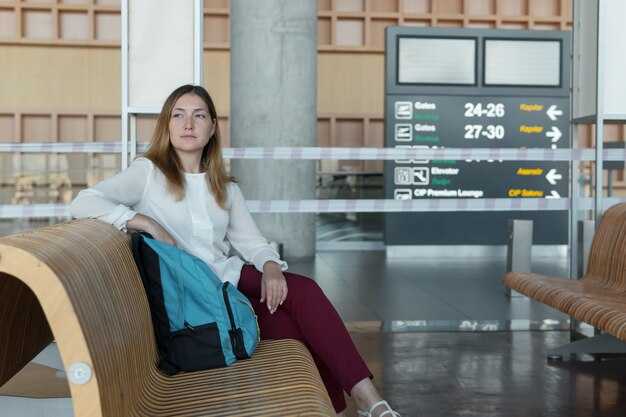
Choose Malpensa Terminal 1 for the fastest onward hops on international routes. Linate suits quick, nearby hops, while Bergamo serves budget carriers with strong value for shorter itineraries.
Malpensa sits around 31 miles (50 km) from Milan center, and its dedicated rail station connects Terminals 1 and 2 with a direct Malpensa Express to Milano Centrale in about 50–60 minutes. Linate lies roughly 7 miles (11 km) from the center and is reachable by regular buses and taxis, with a short ride for most travelers. Bergamo Orio al Serio sits around 28 miles (45 km) northeast, and an express bus route covers the journey in 50–70 minutes, depending on traffic.
Recent schedules show the three roles can be summarized as follows: Malpensa handles long-haul and intercontinental traffic, Linate covers domestic and European business travel, and Bergamo focuses on low-cost services, respectively.
For travelers seeking a france link or trips around triveneto location, you can find workable paths by starting at Malpensa, then balancing with Bergamo for budget legs. Recent timetables indicate frequent france flights from Malpensa and steady options from Bergamo, with Linate offering quick hops to major European hubs. Seen in practice, the triangle around Milan helps you tailor a plan for your dates and keeps transfers smooth, even during ferno heat waves when indoor corridors stay cool.
Practical tip: check ash advisories if volcanic activity in Etna or nearby vents shifts airspace; build 24–48 hour buffers for rail and bus transfers, and consider using a single airport for each leg to reduce knock-on delays.
Choosing the right Milan airport: MXP vs LIN vs BGY
For most travelers, MXP is the best gateway. It serves the lombardo region with the widest European and intercontinental network, plus robust check-in options and smooth boarding flows. If you’re driving, Malpensa sits along the A8 and A52 corridor, making the route from central Milan straightforward and typically about 50–60 minutes in light traffic. The Malpensa Express train links to Milano Centrale and Milano Cadorna in roughly 50–60 minutes, delivering a convenient arrival path for city-bound trips. MXP’s two-terminal layout facilitates efficient connections, and the arrival zones offer clear signposting and practical photo spots for memory moments between arrivals and departures. If your purpose includes long-haul or multi-city European hops, MXP provides the most options and the most reliable checks before boarding, including routes that connect with orta and palermo-punta itineraries.
MXP: the strongest gateway for most itineraries
At MXP, check-in desks are abundant and kiosks speed up the process, so you can drop bags quickly and head to security even during peak times. Terminal 1 hosts most international flights, while Terminal 2 serves a growing roster of low-cost and regional services. When you arrive, you’ll find short walking distances between gates, easy baggage reclaim, and ample space for a quick photo before heading to the city or your next destination. If you are travelling with a family, or you’re coordinating multiple flights, MXP’s scale and variety of lounges save time between checks and boarding announcements. For those planning trips to the palermo-punta corridor or other European gateways, MXP often offers the most direct options.
LIN vs BGY: practical use cases and tips
Linate (LIN) excels for speed to central Milan. It sits near the city center, making the transfer time typically 20–30 minutes by car or taxi, and a short hops by shuttle bus or tram if traffic cooperates. LIN is ideal for business trips or weekend getaways when you plan to stay in the central district and want to minimize travel time from arrival to hotel. Check-in desks are compact but efficient, with quick boarding for short-haul European flights; during busy periods you’ll still move through security and boarding lanes faster than at the larger airports. For arrivals, LIN’s smaller footprint means smoother queues and easier navigation, though the flight network is more limited outside Europe.
Orio al Serio (BGY) in Bergamo favors the budget-focused traveler. The airport sits roughly 45–60 minutes from central Milan by car, with direct bus services and a regional train connection that links to Milano Centrale via Bergamo’s rail hub. BGY specializes in low-cost carriers, notably Ryanair, so you’ll find cheaper fares and a tight, practical check-in if you’re travelling light. The terminal is compact, which keeps security lines and boarding times short, but it has fewer dining and shopping options than MXP. If your plan centres on a short trip or a weekend with a tight schedule, BGY is a convenient starting point, especially when your route includes european hops that align with budget airlines. During busy periods, give yourself extra time for the bus or train transfer, and use online check-in to speed things up before boarding. If your itinerary includes a mixed path from orta to a palermo-punta connection, BGY can be a sensible option when the schedule fits.
From Milan city center to MXP, LIN, and BGY: fastest routes and travel times
Take the Malpensa Express from milano centrale to MXP for the fastest, simplest connection. The rail run is about 50–55 minutes and covers roughly 50 kilometres (about 31 miles) – there’s no transfer required once you’re on board. Trains depart every 15–30 minutes; a one‑way fare sits around €13–€15. Terminal 1 hosts lounges, dining, and wifi, and MXP offers dedicated check‑in desks for carriers like wizz. If you drive, expect 40–60 minutes to reach MXP from milano city center, depending on traffic. Since you focus on speed, this route keeps you near the region’s main rail spine and minimizes transfers.
Public and private options keep you connected to the runways and the near milano areas as you prepare for your flight. The MXP corridor remains well connected to italy’s north with frequent connections by rail and road, making it easy to combine airport time with business or leisure in the region.
LIN and BGY: fastest routes and travel times
LIN: The fastest option from milano city center is a direct taxi or rideshare to Linate. Driving time is about 15–25 minutes and the distance is roughly 8–12 kilometres. If you prefer public transport, a swift urban rail and bus combo can reach LIN in about 25–40 minutes, though speeds vary with traffic. Linate offers dining options and wifi inside the terminal, plus lounge areas close to gates. For a smooth connection to italy's regions, this near milano airport is a reliable focus for quick city-to-airport transfers.
BGY: Bergamo Orio al Serio connects best via express bus from milano central or milano stations. The ride runs about 45–60 minutes and covers roughly 45 kilometres. Tickets typically cost €8–€12, with departures every 15–30 minutes in peak times. Private transfers or rideshare can cut the door‑to‑airtime to about 35–50 minutes, depending on traffic. BGY offers wifi and on‑site dining, and the route remains a strong carrier for low‑cost options. The overall network supports connections to nearby north italian regions and beyond.
Terminal layouts and check-in zones at MXP, LIN, and BGY
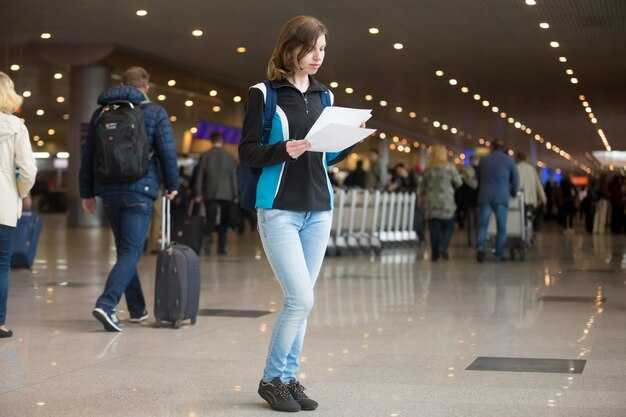
Plan to arrive two hours before your departure, use online check-in, and head to the right terminal on arrival. For a smooth start, know that MXP organizes most international and national flights in Terminal 1, while ryanair typically operates from Terminal 2. At LIN and BGY, follow clearly marked zones to reach checks and security quickly. In terms of how the space is laid out, each airport uses clearly separated zones to minimize walking and congestion, making it easier to manage luggage and checks during busy periods.
MXP – Terminal layouts and check-in zones
- MXP sits kilometres from central Milan, in the northwest, and serves as a large gateway to Lombardy. Terminal 1 is the main hub for most carriers, with a separate Terminal 2 used by ryanair and some low-cost services. The two terminals are connected by a dedicated transfer link for smooth transfers between flights.
- Check-in zones are clearly labelled and spread across both terminals. Self-service checks accelerate lines, while staffed desks cover all major airlines. Bag drop is located near the front of each check-in cluster, making it easy to drop bags before proceeding to security.
- After checks, you access airside areas via broad concourses with multiple walking routes and signage in English and Italian. The large footprint lets you navigate to gates without long backtracks, and there are frequent staff-assisted help points if you get turned around.
- Lufthansa and other legacy carriers are typically located in Terminal 1, while ryanair operates from Terminal 2. If your ticket routes you through these zones, follow the dedicated directional signs to avoid misrouting during peak times.
- Dining options number five across the MXP complex, with coffee shops, fast-service counters, and sit-down venues near both terminals. The dining layout helps you grab a quick bite between checks or after airside security.
- Ground transport includes taxis, car rentals, and the Malpensa Express train, which reaches Milano Centrale. From Centrale, you can reach garibaldi and duomo quickly via the metro, making a city stop feasible during longer layovers.
- Infrastructure at MXP supports frequent international traffic, and the airport footprint remains the largest in the Milan area, reinforcing its role as the regional gateway. The layout is designed to keep passengers moving efficiently, with clear wayfinding and staffed information points.
LIN and BGY – Terminal layouts and check-in zones

- LIN sits relatively close to Milan with a compact, situated layout that concentrates checks on the ground floor. The streamlined design keeps queues short during peak times, and staff desks help with any checks or boarding questions during busy mornings or evenings.
- Self-service checks complement staffed desks, and zones are shared among airlines where possible, including lufthansa and other carriers that operate through the Milan network. Signs in multiple languages help international travelers navigate quickly.
- Five dining options are available across LIN, ranging from quick bites to more substantial meals, so you can fuel up before a flight or between connections without leaving the terminal.
- Rail and road connections link LIN to central Milan, with routes reaching garibaldi and duomo via straightforward transfers. These options make LIN convenient for travelers who want to stay in the city during a layover or after arrival.
- BGY (Orio al Serio) features a single, efficient terminal with a straightforward layout. Check-in desks are located near the main entrance, with ryanair and other carriers clearly signposted. The space is designed for smooth staying or quick transfers, especially for short trips to the city or nearby towns.
- BGY offers five dining outlets for a quick meal or snack before boarding, and the baggage area provides self-service kiosks to speed up checks. The airport’s infrastructure supports fast transfers to Bergamo city and onward connections to Milan as a gateway to Lombardy.
- The location of BGY keeps you within easy reach of the Serio valley and nearby towns, making it convenient for weekend getaways or short stays. From here, you can plan day trips to Cervinia or other Alpine destinations via efficient rail or bus links when combined with other transport segments.
- For longer trips, trains and buses connect you to Milan’s core stations and beyond, with marconi-styled signage and familiar Milanese transit references helping you stay oriented as you move through the network.
Domestic and international departures: what to expect at each airport
Choose Malpensa for international departures and long-haul connections; Linate for quick domestic hops; Bergamo for budget trips.
Malpensa (MXP) – divided into two terminals with a full international footprint The airport is divided between Terminal 1 (the main hub for most international and many domestic services) and Terminal 2 (serving a subset of carriers and some low-cost routes). Facilities provide a full range of services, including shops, lounges, banks, medical aid, kid zones, and multilingual help desks. Runways: MXP operates two runways, which helps balance arrivals and departures across the day and supports high daily throughput. Transit and access are straightforward: use the Malpensa Express to Milano Centrale or the A4 corridor for quick road access, with clear signage to parking and drop-off zones. For arrival and onward connections, information desks and boards guide you to your gate, and you may encounter signage such as raisi in transit zones. Choosing MXP gives you a broad carrier mix and more different long-haul options than the other Milan airports, making it a central hub in the northern belt of Italy. If your plan includes a connection toward Rome-Fiumicino or other major hubs, MXP typically offers the most convenient options. guglielmo branding appears on a few lounge and information panels, but core services remain the focus for smooth departures.
Linate (LIN) – close to the centre with a compact, efficient layout Linate currently operates from a single main terminal that concentrates departures and arrivals in a tight, predictable flow. Access is excellent from Milan’s centre, with frequent bus and rail links and shorter security lines than at MXP. Facilities cover essentials and offer a solid mix of cafés, shops, and business services, though the footprint is smaller than at Malpensa. Runways: there is one active runway, which limits long-haul options and concentrates airline activity on European and domestic routes. If you’re in transit, you’ll appreciate the short walking distances between gates and the straightforward process for bag handling during a quick transfer. Although smaller, LIN ranks highly for speed and reliability, making it a favorite for airline crews and travellers who value accessibility and fast departures.
Bergamo Orio al Serio (BGY) – a focused polo for budget travel Bergamo is a compact, single-terminal facility designed for efficiency, with a strong emphasis on low-cost carriers. The facilities cover essential dining and shopping options, plus practical services for arriving passengers and quick departures. Access is convenient from the northern outskirts of Milan via coach or train-bus links; as a northern Lombardy polo, it offers attractive prices and a streamlined experience for short hops. Runway activity supports domestic and short international routes with lighter crowds and faster processing. If your itinerary includes a connection to Rome-Fiumicino, expect transfers through MXP or LIN, while BGY excels at keeping costs down for first- and short-haul trips.
Arrival and onward planning Across the three airports, you’ll notice distinct strengths: MXP for full-service international routes and multiple carriers, LIN for central accessibility and efficiency, and BGY for affordable, practical departures. When choosing, consider your airline, destination network, and how transit time fits your schedule. Review each terminal’s facilities and services in advance, and map your path to your next flight or to the Milan centre. In the transit zones, follow clear boards and information desks to reach your gate quickly; if anything isn’t clear, staff can direct you toward the fastest route to your next flight or to complete a connection via Rome-Fiumicino or another hub. Each airport remains accessible and well connected to northern Milan, offering solid options whether you’re chasing a quick domestic hop or a broad international itinerary.
Ground transport, parking, and car rental options at Milan airports
For a seamless start, take the Malpensa Express train from MXP to Milano Centrale; it’s the fastest, most reliable option for travelers arriving with long-haul connections and wanting to reach the city center directly.
MXP, LIN, and BGY: transport, parking, and rental options
At Malpensa (MXP), the train is the ideal arrival link: Malpensa Express runs from the airport rail station to Milano Centrale or Milano Cadorna, with frequent departures and a short, predictable ride. If you prefer road options, short-stay parking near the terminals works for quick pick-ups, while long-haul parking sits in distant lots with a shuttle transfer. For car rental, desks from major brands–Avis, Budget, Europcar, Hertz, Sixt, Maggiore, Locauto and others–line the arrivals and baggage-handle areas, offering full insurance and GPS options. If you’re checking in with Lufthansa or other carriers, you can combine a rental with a hotel stay in the city to ease your travel sequence. Duty-free shops and convenient hotels are clustered around the arrivals zones, making a relaxed start feasible. Signs clearly mark the station, rental desks, and parking tracts, so you can move without backtracking. For last-minute arrivals, note that the central bus services connect MXP to Milan’s main stations quickly, though the train remains the direct choice for most travelers.
Linate (LIN) focuses on fast city access from the east side of Milan. The quickest ground option is the city bus connection to town, followed by a taxi or rideshare for the final leg. Parking near LIN is compact but efficient, with short-stay bays ideal for quick arrivals and departures, and long-term lots available a short drive away. Rental desks from the same major brands service LIN’s arrivals halls, with flexible pickup points and multilingual support for travelers from Sicily or other regions. If you’re arriving by a Rome-Fiumicino connection, you’ll appreciate LIN’s smaller footprint and easier transfers, though the history of Milan’s airport network shows a similar goal: getting travelers off the runway area and into the city quickly. Accessibility is well covered, with designated spaces, ramps, and help desks noted in the terminal maps.
Bergamo Orio al Serio (BGY) serves many low-cost and short-haul routes, making it a practical choice for quick trips into Milan. A dedicated shuttle or bus links BGY to Milan’s central stations, typically in half an hour to an hour depending on traffic and the stop pattern. Parking options at BGY include compact short-stay spaces near the terminal and larger long-term lots farther away with regular shuttle service. Car rental desks from major providers operate inside the arrival zone, offering compact models and family cars alike, plus add-ons like child seats and GPS. If you’re comparing routes against venice-marco or rome-fiumicino, BGY’s access time is often favorable for a quick rail or bus link to the city. Hotels in the Bergamo area provide convenient stopovers, and many travelers reserve a half-day or day room to break a long journey into manageable segments.
Note on practical tips
- History shows that airport connections built around clear signage stay efficient; keep an eye on the movable walkways and runways edge signage to stay oriented as you move between areas.
- Arrival halls and station signs are typically bilingual, with Italian and English, to support travelers and families.
- For a smooth start, buy your rail or bus ticket in advance when possible, and confirm your pickup zone with your rental partner before you land.
Note on accessibility and services
- All three airports offer accessible parking and assistance counters.
- Duty-free zones and hotels can be reached directly from the arrivals areas, reducing transfers.
- If you’re traveling with a group, a rental with a larger vehicle can simplify baggage handling and hotel transitions.
Last tip
- If you’re new to Milan’s airport network, plan a direct rail or bus route first, then add a car rental for shorter city hops or hotel stays, especially when coordinating with multiple destinations around Lombardy.
Layovers and inter-airport transfers: plan your Milan airport connections
Plan a direct MXP→Milano Centrale transfer via Malpensa Express if your next flight departs from that hub; otherwise, use a city-center shuttle to LIN if your outbound is from Linate. From linate, the city center is about 15–25 minutes, depending on traffic. This approach keeps you reachable and reduces risk of delays.
Malpensa, Linate and Bergamo are situated within a compact triangle and are served by frequent coaches alongside rail links. The network is improving, with iata-coded routes MXP, LIN, BGY and a growing number of brands expanding seamless options. Available services include through-ticketing with major partners, dedicated ground teams at the arrivals halls, and clear signage in English and Italian. Each route offers transfer windows aligned with peak flight times, helping people coordinate long-haul connections without extra hops. The airport layout around Milan is unique, with a compact runway configuration that keeps terminals reachable within a short walk. northwest and Lufthansa brands have historically served the area, contributing to a stable timetable and broad options. In terms of ranking among European regional airports, the Milan trio remains strong.
Transfer options by route
| Route | Estimated time | Transport | Typical cost (EUR) | Notes |
|---|---|---|---|---|
| MXP → Milano Centrale (Malpensa Express) | 50–55 min | train | 13 | Most reliable for cross-city options |
| MXP → Milano Cadorna | 40–45 min | train | 13 | Direct access to domestic flights and city hubs |
| LIN → Milano Centrale | 20–30 min | bus/shuttle | 2–4 | Fast link to the city and short-haul connections |
| BGY → Milano Centrale | 50–60 min | coach | 5–10 | Budget-friendly option with frequent departures |
Domestic options like palermo-punta and genoa are reachable via Milan hubs with integrated baggage handling when booked on the same ticket. This helps people moving between a long-haul arrival into MXP and a short-haul leg in one combined itinerary. The euros-based pricing for coaches or trains remains predictable, and you can compare brands like Lufthansa alongside regional carriers in the same booking flow. The layout around the three airports is unique, with a runway arrangement that keeps terminals reachable within a short walk.
Tips for a smoother connection: check real-time updates, pick a single hub for the next leg if possible, and favor dedicated transfer services that align with your timetable. If your arrival is into MXP and your next flight is from LIN, choose the direct shuttle; if your next leg is long-haul from MXP, collect bags at arrival and head to the Malpensa Express counter to proceed. This plan reduces walking apart from occasional security checks and keeps your options open for a late change in your plans.


