



 Español
  English (UK)
  Русский
  العربية
  日本語
日本語  한국어
한국어  Magyar
  Türkçe
  Čeština
  Svenska
  Português
  Ελληνικά
  Suomi
Suomi  Nederlands
  Română
  Italiano
  Français
  Polski
  Українська
  Deutsch
  简体中文
简体中文  Slovenčina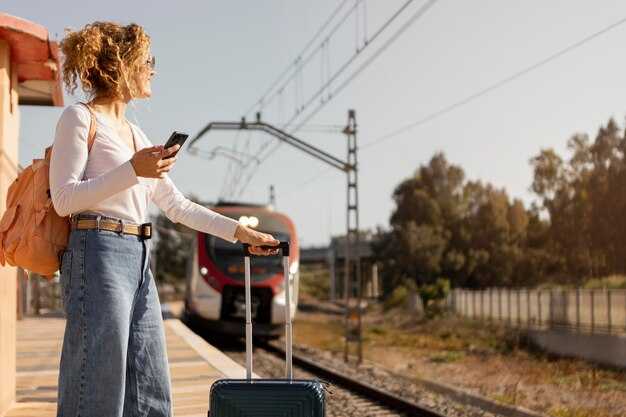

Take the Cercanías C1 from Aeropuerto T4 to Atocha Renfe. It’s the fastest and cheapest direct route into Madrid, with trains departing every 15 minutes and a trip time of about 25–30 minutes. En pricing is around €2.60.
From Terminal 4, head to the airport train station and buy a ticket for Aeropuerto–Atocha at Renfe machines or counters. A contactless card works, and you’ll board the trains that head toward Atocha with no unnecessary stops. Departure times update in real time, helping you align your viaje with your schedule and information.
For door-to-door comfort, official airport taxis or a private chauffeur service are worth considering. A taxi typically takes about 20–35 minutes to Atocha and costs around €25–€40 plus a small airport surcharge. If you want lujo, book a car from the fleet in advance; you’ll get a fixed pricing quote and a dedicated driver.
Rideshares like ubers are another flexible option. They usually offer quick pickup and a clear information display in the app; you’ll see ETA and the pricing before you depart. During peak times, pricing can spike, so check the estimate to avoid surprises.
Quick planning tips: check real-time information on Renfe and the airport app, choose the direct Cercanías option during busy hours to bypass road traffic, and compare the pricing for taxi vs. rideshare if you’re traveling with luggage. The destino is Atocha, and you’ll save money by weighing time and comfort against price.
Best Route Options from Madrid Airport to Atocha: Metro, Train, or Bus at a Glance
Metro is the ideal option for most travelers seeking a balance of price and pace. From the airport, you can reach Atocha in about 40–50 minutes with a central transfer, and the service runs with a variety of trains and courteous staff. This choice includes clear signs, luggage space, and predictable intervals, making it efficient for solo travelers and groups alike, with spain’s well‑signposted network helping you stay on track.
Renfe Cercanías train offers the fastest direct connection to Atocha, taking roughly 25–30 minutes. The cars are comfortable and have space for bags; seats are reliable. Tickets can be bought on-site or online; booking ahead is wise for peak times. If you need help, courteous staff at the information desks can assist, and youll find clear signs guiding you to the platform.
Express buses provide a low-cost option with a straightforward door‑to‑door route to central Madrid, usually taking about 60 minutes depending on traffic. This route avoids transfers but timing varies by traffic below or above. For groups, buses can be cost‑effective; weighting passenger needs can help you select the ideal option. Evenings extend service until pm-6, so check the latest timetable for last connections.
Beyond transit, the Atocha area offers diverse dining options, including high-end restaurants for a post‑arrival meal. If you have special requests, you can place a note when you book, or contact the operator before departure. The arrangements includes pickup at the terminal and door‑to‑door options; you can contact the operator to confirm contact details and a meeting point on arrival. Youll appreciate planning ahead: booking includes seat reservations and preferred routes, reducing stress for you and your companions, especially when traveling in groups across spain.
Group Bus Transfers: Capacity, Inclusions, and How They Compare to Other Options
This option lets you start your Madrid visit with minimal delays. Choose a group bus transfer when your party is 6–20 travelers and you want a seamless, cost-effective link from Madrid Airport to Atocha. It keeps everyone together, handles luggage with care, and drops you right at the station.
Vehicle options range from a compact minibus (9–16 seats) to a full coach (28–56 seats). For very large groups, two vehicles keep everyone on the same schedule and ensure a single drop point. Each option includes a dedicated chauffeur, so you can enjoy a stress-free ride while the driver handles the route and parking conditions.
Inclusions cover the chauffeur, fuel, tolls, and parking; many services include meet-and-greet at arrivals and a sign with your group name. You can request booster seats for kids, and luggage capacity is clearly stated, including multiple pieces per traveler. Weighting the luggage needs with the operator helps ensure the vehicle matches your needs. Drop is at Atocha with a dedicated loading zone.
Compared with renfe trains, a group bus transfer eliminates the airport-to-station transfer and keeps your group cohesive. Uber and taxis charge by ride and clock time, so costs for a large party surge during peak traffic. Metro systems offer the lowest fare but require navigating stairs, transfers, and bag handling across stations. For events in the city or with multiple destinations, a single bus can serve as an offering that covers multiple needs across cities. This lets you compare cost and convenience side by side.
Cost and money considerations: Price depends on group size, vehicle class, and route. In euros, per-person rates typically fall as group size increases: around 12–18 euros each for 20–30 travelers, higher for 10–14 travelers, with larger groups achieving lower per-person cost. The total covers the vehicle, chauffeur, fuel, tolls, and handling, with no extra charges at drop. When you purchase, confirm cancellation conditions and any surcharges.
Booking tips: specify needs early, including booster seats, accessibility, or special luggage handling. Provide flight details, arrival time, and a precise drop point at Atocha. When you purchase, confirm the exact pickup location and the driver’s contact. If a traveler has the surname Jiménez, spell the name clearly on the booking to avoid misidentification. Check the conditions and verify pricing in euros and any surcharges. This approach helps you plan smoothly for paths across metros and cities alike, especially when coordinating events and group movements.
Recommended approach: for groups, a bus transfer offers the best balance of capacity, inclusions, and cost, with a single drop at Atocha that minimizes extra steps. Compare offerings from Renfe, Uber, and metros to find the solution that fits your needs in Madrid’s dynamic timetable. Lets you secure the vehicle that matches your group’s needs and lets you save time and money on arrival day.
Airport Pickup Points: Where Group Buses Meet Passengers at MAD
Taking a group from MAD? Book the transfer via zonetransferscom to lock in the correct pickup point and a dedicated coach bay outside the arrivals area at Adolfo Suárez Madrid-Barajas.
Pickup points vary by terminal. Follow clearly marked signs reading Transfers and Public transport in the arrivals zone, and seek the designated coach bay or group transfer lane. The driver will display your operator’s name on a board (common names include Jiménez or Suárez among staff); confirm with the person holding the board to avoid delays. If you struggle to locate the group, ask airport staff at information desks; they can guide you to the right zone and call your operator if needed.
For best value, compare taxis, coaches, and shared transfers. Many operators publish price and hourly rates, and fixed-price options exist for central Madrid–the capital. Booster seats are often available on coaches; request during booking. If your plan includes a train leg, Renfe’s Cercanías services connect MAD to central Madrid with trains to Atocha; the airport rail area provides easy access to trains and city buses. Shops near the arrivals hall offer snacks and SIM cards, and источником zonetransferscom confirms these options.источник zonetransferscom
Atocha Drop-off: Access, Luggage Handling, and Connection to Platforms
Drop off at the main terminal curb, then enter the arrivals hall and head to the Renfe information desk for the fastest access to the platforms. If you’re traveling with groups, assign a single meetup point in the main concourse to keep everyone together and speed up transfers. From curb to platforms, you’ll typically reach the intermodal area in approximately 5–8 minutes in normal traffic, with a few extra minutes during peak periods.
Luggage handling is straightforward: use the trolley service at the curb to move bags through the entrance, then take the elevator or escalator to the intermodal concourse. Available signage guides you to the Renfe platforms, and staff at the information desk can point you to the quickest stairs or lifts. For families traveling with children, some drivers can provide a booster seat on request, depending on the vehicle.
Connection to platforms is clear and direct: follow the Renfe signs from the concourse to the appropriate track level, then use escalators or elevators as needed. Then you reach the platform area in minutes, with routes designed to minimize backtracking. If you’re unsure which platform serves your train, ask a staff member or check the real-time displays for your train’s time and track, ensuring you’re on the right side of the terminal before you move.
When arranging a ride to Madrid proper, use the official taxi stand at the main entrance to avoid surge pricing. Avoid uber and ub ers; a typical ride into central Madrid costs around 20–30 euros depending on traffic. If you must use a ride-hailing app, review the fare in advance and purchase a confirmed ride before stepping outside. A courteous driver will help with luggage, and you’ll pay by cash or card, time permitting.
| Stage | Mode / Route | Estimated Time | Notas |
|---|---|---|---|
| Drop-off curb to arrivals hall | Taxi/private car | 2–6 minutes | Use main terminal entrance; official stands available |
| Arrivals to Renfe platforms | Walk via concourse / escalators | 5–10 minutes | Follow Renfe signage; elevators if needed |
| Manejo de equipaje | Trolebuses cerca de la acera | 1–4 minutos | Mantenga sus objetos de valor cerca; el personal puede ayudar. |
Tiempos y Tiempo de Viaje: Duraciones, Frecuencias y Posibles Retrasos Típicos
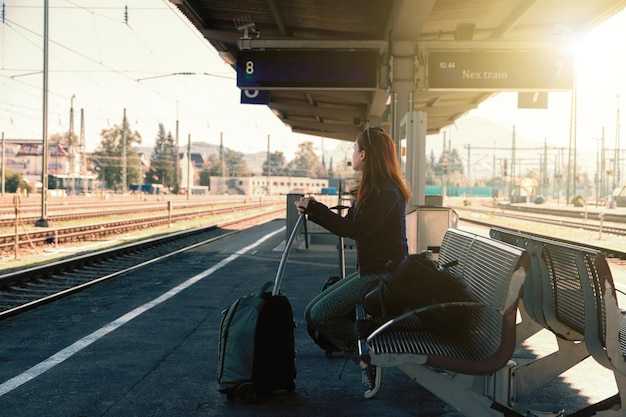
Toma el tren de Cercanías Renfe C‑1 directo desde la Terminal 4 hasta Atocha; esto ofrece una conexión fluida y sencilla que garantiza un trayecto cómodo con el mínimo de complicaciones.
A continuación, se presenta información concisa sobre las duraciones típicas, la frecuencia de salidas y los posibles retrasos para ayudar a los viajeros a planificar sus necesidades y evitar preocupaciones. Esta sección describe los pros y los contras y las soluciones, y la información a continuación le ayudará a comparar opciones y garantizar una elección bien informada. Los precios pueden variar, y algunos pases ofrecen transferencias gratuitas; nunca dude en verificar los detalles en vivo antes de viajar.
Duraciones y salidas típicas
-
Renfe Cercanías C‑1: MAD T4 → Atocha Renfe. Figura: duración típica de 25–32 minutos. Salidas: cada servicio sale con una cadencia regular; intervalos diurnos de unos 15 minutos, a última hora de la noche alrededor de 30 minutos. Tarifas: desde unos €2,60; descuentos para tarjetas o viajes combinados. Contras: servicio limitado por la noche. Soluciones: planifique en consecuencia o opte por un traslado privado si llega tarde. Esta opción es una conexión directa conocida por su alta fiabilidad y que ofrece una opción de transporte cómoda, muy adecuada para una planificación sencilla.
-
Traslado privado (flota de alta gama): servicio puerta a puerta desde la terminal hasta Atocha. Duración: 25–40 minutos dependiendo del tráfico. Salidas: 24/7; disponibles horarios de recogida fijos. Tarifas: €30–€60, con algunos vehículos que ofrecen tiempo de espera gratuito de hasta 15 minutos. Pros: horario predecible; Contras: mayor costo. Esta solución garantiza un viaje sin preocupaciones, especialmente cuando viaja con equipaje pesado o tiene una conexión ajustada y desea una bajada exactamente en la acera de Atocha.
Reservas, precios y consejos prácticos para traslados grupales
Reserve una minivan privada de 8 a 9 plazas para asegurar un espacio cómodo y un coste fijo para su grupo; para grupos que buscan minimizar las molestias, el conductor le recogerá en la sala de llegadas con un cartel para evitar retrasos.
Proceso de Reserva y Recogida
Compare las opciones de traslado privado desde el Aeropuerto de Madrid hasta Atocha, y lea detenidamente los términos. Asegúrese de que la opción salga del terminal correcto e incluya el servicio de recepción; proporcione su número de vuelo para ayudar a leer los horarios de llegada y ajustar la recogida si es necesario. Para grupos más grandes, divídase en dos vehículos para mantener la flota del tamaño adecuado y eficiente. Reserve al menos 24 horas antes; durante los meses de temporada alta, un plazo de 48 a 72 horas ayuda a garantizar la disponibilidad. La recogida sale cada hora. A su llegada, el conductor sostiene un cartel y le guía al área del vehículo; los tiempos de espera suelen estar incluidos en la tarifa. Si su grupo llega en diferentes horarios, hable con el operador sobre un acuerdo flexible para que todos puedan salir sin problemas.
Tasas, Flota y Consejos Prácticos
Las tarifas varían según el tipo de vehículo, el nivel de servicio y la hora del día; un traslado privado para 4–6 pasajeros suele oscilar entre €60 y €110, mientras que las furgonetas de 7–9 pasajeros suelen costar entre €90 y €180 y los autobuses más grandes superan los €200. Si te diriges a trenes en Atocha, esta opción te mantiene en horario. Esto asegura que lleguen juntos. La flota incluye sedanes, SUV, furgonetas de 8–9 asientos y minibuses de 12–16 asientos; elige la opción que se adapte a las necesidades de equipaje y comodidad. Existen opciones por hora para múltiples paradas en Madrid; estas pueden ser rentables para un día en la ciudad. Lea siempre la política sobre el tiempo de espera, la cancelación y los permisos de equipaje; asegúrese de que la recogida sea en la sala de llegadas y que el conductor conozca el nombre de su grupo. Para llegar de inmediato, reserve una recogida alineada con su ventana de llegada y permita un margen para el equipaje y la aduana; para tramos a Atocha, los traslados puerta a puerta suelen ser más rápidos y cómodos que los taxis para grupos. Este enfoque ayuda a justificar el valor para un grupo y proporciona una cifra clara para la elaboración de presupuestos.
Comentarios