
Lisbon Airport to Cascais in 2025 - Best Transport Opcións, Timings & Tips
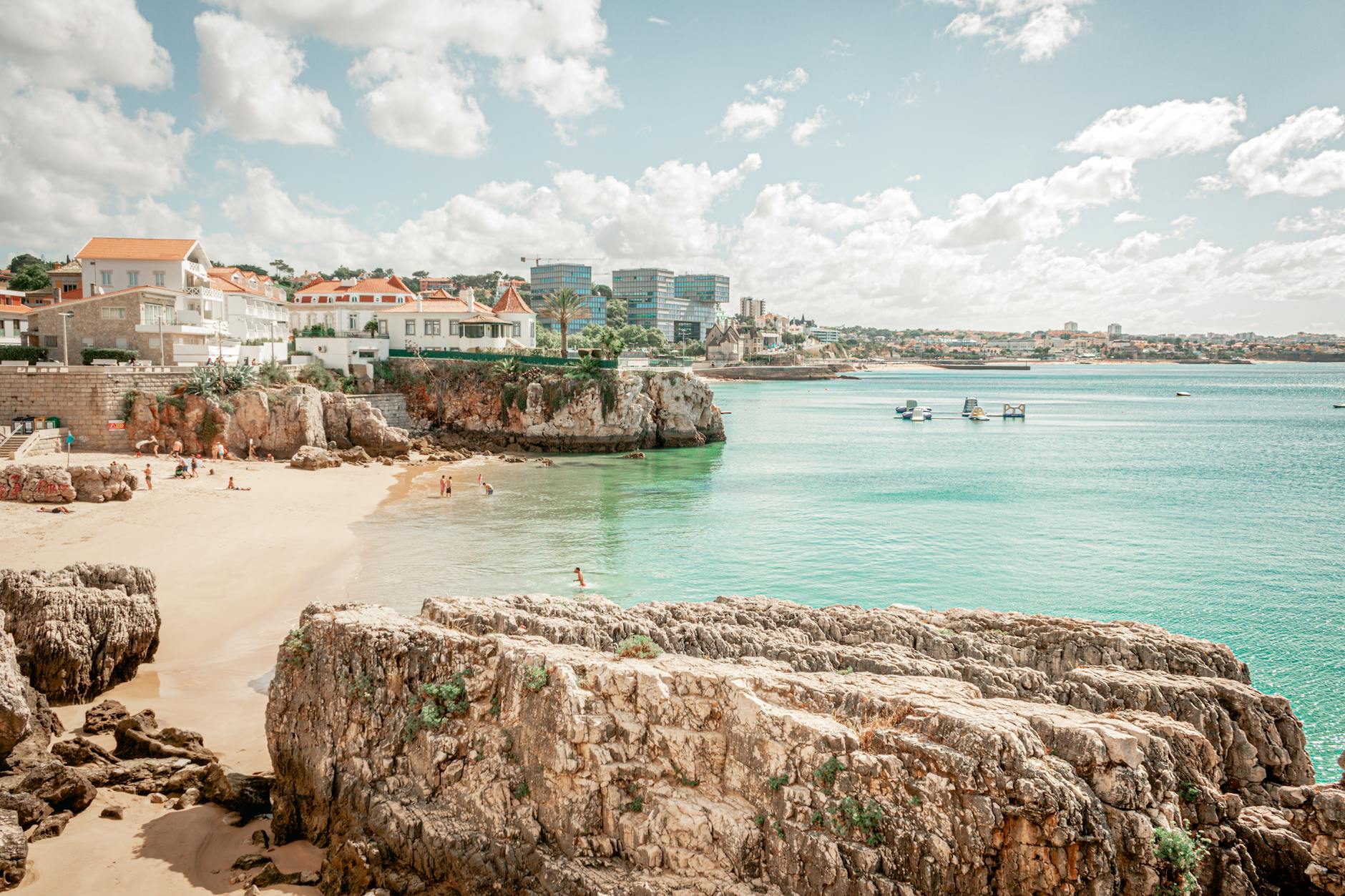

Go with the airport-to-Cais do Sodré rail option: a quick ride from the airport to Cais do Sodré, then the direct Cascais line along the west coast. The full path takes about 60–75 minutes and costs roughly 7–15 euros, with the rail portion around 5–9 euros. The distance from Lisbon Airport to Cascais is about 30 kilometers, so choose this route for a reliable balance of cost and comfort, especially if you travel light.
The Cascais Line from Cais do Sodré to Cascais runs along the river and coast, taking approximately 40 minutes for a single journey. Tickets are modest (roughly 2–3 euros) and trains run every 15–20 minutes during the day, making this the most cost-efficient full transportation option for the city-to-coast leg. If you want a smooth flow, sit on the left side to enjoy the sea views that come into view after the first few kilometers.
Second option: a direct taxi or certified rideshare from the airport to Cascais. It takes about 45–60 minutes depending on traffic and costs roughly 60–100 euros; this approach should be considered if you travel with more luggage, or if your party prefers door-to-door service. However, if you value speed and a cool start, the rail option remains a strong choice, provided you can handle a short transfer.
In Alcântara, add a short stop for a pastry at a friendly cafe and a quick look at a compact museum hall if your schedule allows. This westbound stop breaks up the transfer and gives you a taste of central Lisbon before you hop the Cascais line.
Here are five practical tips to optimize your transfer: Plan timing with official schedules, use certified transportation apps, keep luggage compact, check the cost breakdown for each leg before you go, and download offline maps to assist with planning on the move.
Timings and tips for 2025: morning and late-evening itineraries keep a steady cadence, with trains on the Cascais line and road options adjusting to traffic. Use certified transportation services and confirm tickets on the operator’s site to avoid surprises; the route is convenient for five travelers or a single traveler alike. If traffic is light, a taxi takes about 45 minutes; during peak hours, 60–70 minutes is more realistic. For travelers who value cost and sustainability, the rail option remains full transportation with planning advantages and minimal environmental impact.
Distance, Ruta & Typical Travel Time (Lisbon Airport to Cascais) in 2025
Recommendation: Pre-booked private transfer from Lisbon Airport to Cascais offers the best comfort and a fixed price, especially when traveling with a child or a lot of luggage.
Distance and route: The road distance is roughly 30–35 km (about 19 miles) and follows a straightforward coastal path from Lisbon westward, typically via the A5 motorway and through Alcântara before turning toward Estoril and Cascais. The route runs along parks and coastal views, with several hotels clustered along the Vila‑Cascais corridor. This option keeps you near the sea for most of the way and is usually the fastest in light traffic; in peak periods you’ll want to budget extra time beyond the usual estimates.
Five practical options exist to move Lisbon Airport to Cascais. The option you choose depends on comfort, price, and timing: private transfer, taxi or ride‑hailing, rental car, train, or hotel shuttle. If you value reliability and ease, a pre-booked private transfer or taxi streamlines the door‑to‑door experience; if you like a balance of cost and scenery, the train offers solid connections and a pleasant ride along the coast. English signage and helpful staff make the train stations easy to navigate, and you can manage payments via mobile apps for extra convenience. This setup suits hotels along the coast, from Alcântara to Estoril and beyond, and works well for business travel or family trips that require comfort and predictability. Источник: official transport data 2025. For longer trips beyond Lisbon, consider future legs to Albufeira, Faro, Obidos, or other regions; plan those as separate segments with pre‑booking where possible.
Distance & Ruta
The straight coastal route along the A5 is the shortest drive, with a typical distance of 30–35 km. Driving through Alcântara and past the oceanfront parks offers a direct line toward Cascais, stopping near prominent hotels along the coast. If you prefer a calmer pace, you can extend the route via the Estoril coastline for longer sightseeing moments while staying on one straightforward thread toward the town center and its long promenades. For families, the size of your luggage matters; a mid‑sized car or larger makes it easier to keep everything together without extra trips to the trunk area.
Travel Times & Practical Tips
Driving or private transfer: 25–40 minutes under normal traffic; 60 minutes or more during peak morning and late afternoon hours around the hall and on the A5. Train option: around 40–50 minutes for the Cascais line from Cais do Sodré to Cascais; add time to reach the central Lisbon rail hubs from the airport area. Overall, total door‑to‑door times commonly land in the 1 hour to 1 hour 20 minutes window. Shuttle buses and hotel transfers typically take 60–75 minutes depending on stops and hotel location. Renting a car adds flexibility for sightseeing along the coast, with simple access to nearby parks and viewpoints along Estoril and Cascais. For families, many hotels offer child seats and comfortable setups; when possible, pre‑book a vehicle with room for your luggage and a stroller. Mobile apps help track live updates and confirm driver details, reducing uncertainty during busy periods.
Train Opción: LIS to Cascais – Ruta, Frecuencia & Fare
Directly board the CP Cascais line at Cais do Sodré for Cascais; the ride lasts about 40–50 minutes.
This option offers much value for travelers seeking a calm, city-to-coast transfer.
Trains run roughly every 15–20 minutes during peak hours and about every 30 minutes later in the day. From Lisbon Airport (LIS) reach central Lisbon by metro and switch to the Cascais line toward Cascais; total door-to-door time is typically under an hour.
Use the Viva Viagem card; a single fare in the Lisbon suburban zone is around €4.50, with discounts for passes and multi-ride tickets.
The route hugs the coast, offering scenic views and easy access to the town center and nearby resorts along the shoreline. For families, trains provide ample seating and space for bags. Check the CP official site or station boards for the current timetable in the week ahead and plan to minimize waiting.
If you want extra comfort, you can add a short taxi for the final leg after Cascais, but most travelers reach the town center quickly by rail. The Cascais line connects with several coastal stops and gives convenient access to beaches and the promenade, making this option a popular choice for a relaxed transfer from LIS to Cascais in 2025.
Taxi or Ride-Hail: Door-to-Door Costs, Time & Booking Tips
Book a certified taxi at the arrivals hall for a door-to-door transfer to Cascais; it's the fastest and most predictable option for a 30km ride from LIS to the coast. Expect daytime fares around €60–€90; late-night and weekend trips can push prices to €100–€140. Traffic along the A5 shapes travel time, with 30–45 minutes typical in calm hours and 45–70 minutes during peak flow. For drops, specify Cascais town center or coastal resorts to minimize detours.
Ride-hail options are available, including the bolt app and Uber. bolt offers upfront pricing and in-app tracking, which helps avoid surprises. A door-to-door ride to Cascais generally costs €65–€110 and lasts 35–60 minutes, depending on traffic and whether you head to villas or the marina. Late-evening trips may take longer, and surge pricing can apply during holidays or weekends. If you want an ocean-start, request a route that hugs the coast rather than inland roads.
Booking tips: use the airport desk for immediate service or book via the ride-hail app before you land, then meet at the designated pickup area to speed things up. Choose certified services and check driver details, car type, and license plate before you exit. If a fixed fare option is offered, lock it in to avoid post-landing surprises. For groups or families, a larger sedan or SUV keeps everyone comfortable during the 30km transfer.
Costs map and transfer notes: Additional charges include tolls on major routes and late-night surcharges. To prevent the wrong pickup, follow clear airport signage and use the app’s map to guide the driver. If you’re price-sensitive, the second option (hailing at the curb) can be cheaper than premium services, but it may take longer during busy periods. Most services allow you to add detours to obidos or cabo da roca as day-trip options, but confirm in advance.
Practical tips for a smooth ride: plan for the transfer to last during high-traffic windows, especially in summer when crowds fill bars and shops along the coast. After arrival, head to the ocean-facing coast and enjoy nearby palaces and resorts, with a quick stop at a shop for sangria before you head to your villa or hotel. Keep an eye on time so you don’t miss the last transfer option, and consider booking return transport soon to secure seats.
Bus Opcións: Direct Links to Cascais, Schedules & Fares
Best option for most arriving travelers: book a private minivan from Lisbon Airport to Cascais. It offers a door-to-door experience with space for luggage and a single reservation.
Those traveling with five in a group or staying in hotels along the coast can use a shared minivan; prices for a five-person group typically range from €50 to €90, depending on luggage and exact drop-off. For extra luggage, confirm the amount with the operator before reservation and check the refund policy.
In portugal, travel by private transfer keeps the trip simple, avoids queues at busy stops, and helps you get from the airport to your hotel without extra connections. For those located beyond central Lisbon, including caparica, a minivan can be especially convenient, ending the trip at the hotel entrance.
Direct vs Transfer Rutas
There is no long direct bus from the airport to Cascais. The preferred public option stays on one transfer: metro from the airport to a central hub, then the CP Cascais line train to Cascais. This setup minimizes the number of changes and keeps things straightforward during travel.
If you favor a single-transfer path, take the metro to Cais do Sodré and switch to the Cascais line. Allow extra time during morning and late afternoon peaks when queues at the airport can form.
Schedules, Fares & Practical Tips
Metro service runs from early morning to late evening; the Cascais train departs roughly every 20 minutes in daytime. A single metro fare is around €1.50–€2; the Cascais train costs about €3.50–€4. A combined per-person cost is around €5–€6, not including private transfer fees. For groups of five, a private minivan can be cost-effective and save time.
Public buses from the airport to Sete Rios or Cais do Sodré exist, but most travelers reach Cascais with a transfer rather than a long direct ride. If you plan to reserve, choose operators that allow a refund or free cancellation within a short window. When planning, consider how a transfer-free option aligns with your backpack, hotel reservation, and travel schedule. Elevador access and central lisbons hotels can reduce first-mile time; caparica and other coastal stops remain within day-trip reach if you combine transport modes.
| Opción | Ruta | Frecuencia | Fare (EUR) | Notas |
|---|---|---|---|---|
| Private minivan (direct) | Aeroporto Lisboa -> Cascais | On demand | 50–90 | Reservation required; luggage included; refund policies vary by operator |
| Metro + CP Cascais train | Aeroporto -> Cais do Sodré by metro; Cais do Sodré -> Cascais train | Metro ~6 min; Train ~20 min | Metro 1.50–2; Train 3.50–4 | One transfer; backpacks encouraged; check schedules |
| Airport bus + central hub + train | Aeroporto -> Sete Rios or Cais do Sodré; then Cascais train | Autobús 30–60 min; Tren ~20 min | Autobús 4–6; Tren 3.50–4 | Posibles colas; adecuado para reservas de hotel en el centro de Lisboa |
Timing & Frecuencia: When to Travel for Best Availability
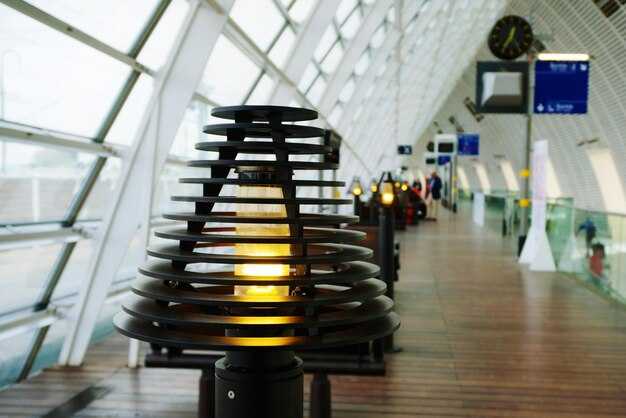
Toma la línea de Cascais desde Cais do Sodré durante las horas de menor afluencia: 07:00–09:30 o después de las 19:00 a las 22:00, para evitar colas y asegurar un asiento. Este transporte comenzó hace mucho tiempo y ofrece conexiones directas y fiables con detalles claros disponibles en tiempo real en las aplicaciones. Aquí te explicamos cómo viajar de forma inteligente para obtener la mejor disponibilidad.
- La mejor opción de transporte: tren directo a Cascais. Desde Cais do Sodré hasta Cascais, espere entre 30 y 40 minutos, con trenes que se ofrecen aproximadamente cada 15 a 20 minutos durante el día y aproximadamente cada 30 minutos al final de la tarde. Probablemente la opción más estable para una transferencia sin problemas, y evita las prisas delante de la cola. Reservar a través de aplicaciones puede ofrecer asientos reservados y alertas para el próximo tren.
- Desvíos a Belém y Graça: si planeas una parada rápida en Belém o una visita a Graça, calcula entre 20 y 30 minutos adicionales por desvío. De lo contrario, mantente en la ruta directa a Cascais para maximizar tus posibilidades de tomar el próximo tren sin prisas de aquí para allá.
- Opciones alternativas: para equipaje pesado o plazos ajustados, un taxi o una opción de transporte compartido proporciona un traslado directo de puerta a puerta, aunque probablemente sea más caro. Si alquilas un coche para tu estancia en la costa oeste, ganas flexibilidad para visitar Graça o Belém por el camino como un regalo real para ti, pero perderás la sencilla cadencia del tren.
- Billetes y seguro: compre los billetes en el momento a través de máquinas o las aplicaciones oficiales, o reserve con antelación durante la temporada alta. Consulte los detalles de su seguro para la cobertura de retrasos o cancelaciones para mantenerse relajado durante el viaje.
- Consejos prácticos sobre horarios: evite las colas más concurridas llegando al menos 15 minutos antes del próximo tren y utilice la parte delantera del área de la plataforma para un embarque más rápido. Si un tren se retrasa, el siguiente suele llegar en un plazo de 15 a 20 minutos, por lo que puede tener paciencia y planificar un breve descanso a lo largo del río o una hermosa vista antes de continuar.
Tickets, Payments & Practical Tips for a Smooth Trip
Compra una tarjeta Viva Viagem en el mostrador del aeropuerto y cárgala con 15 € para un día de viaje. Esta única tarjeta te mantiene eficiente a la llegada y se siente respetuosa con la privacidad, ya que no muestras múltiples billetes en cada puerta.
- Tarjeta Viva Viagem: depósito de 0,50 €, reutilizable en metro, autobuses, tranvías y trenes CP dentro de la región de Lisboa. Recargue en máquinas, mostradores o en línea cuando esté disponible; mantenga el saldo dentro de la tarjeta para los próximos tramos de su viaje sin problemas.
- Orientación sobre tarifas: desde el aeropuerto hasta el centro de Lisboa en metro suele costar entre 1,60 y 2,00 € con Viva Viagem; desde Cais do Sodré a Cascais el billete de ida cuesta unos 4,50 €. Si planeas un día ajetreado, un coste total de entre 10 y 20 € para una ronda de viajes es realista. Para una opción más rápida pero más cara, un taxi o un servicio de transporte puede costar entre 60 y 75 € dependiendo del tráfico y la hora.
- Pagos: las máquinas y los mostradores aceptan efectivo, tarjetas de débito y crédito; los pagos sin contacto a través de Apple Pay o Google Pay son ampliamente compatibles y ayudan a proteger la privacidad al reducir la exposición de datos en cada parada.
- Horarios y fiabilidad: el horario del metro es aproximadamente de 06:30 a 01:00; los trenes de Cascais circulan aproximadamente cada 20–40 minutos durante el día y con menor frecuencia por la noche; si llegas temprano, puedes coger el primer tren y llegar rápidamente a las famosas playas de los alrededores de Cascais. Desafortunadamente, las opciones nocturnas son menores, así que planifica con antelación.
- Pasos prácticos en la terminal: valide el saldo, toque la entrada con Viva Viagem y toque la salida al final de cada tramo; si necesita ayuda, el personal recibe a los viajeros con una sonrisa y puede indicarle la siguiente plataforma correcta.
- Prepárate para una caminata: desde la terminal del aeropuerto hasta el centro ferroviario hay un corto paseo; una vez a bordo, el viaje hacia Cais do Sodré es pintoresco y ofrece una visión del encanto de la ciudad más allá de las paredes de la terminal. Si llevas equipaje, un conductor puede ofrecerte ayuda con las maletas, y pagar al llegar con tarjeta es muy práctico.
- Playas y más allá: Cascais y Estoril tienen costas impresionantes de fácil acceso; planee una caminata corta desde la estación hasta las bahías cercanas para un chapuzón rápido después de una parada en la ciudad. Si tiene la intención de visitar Oporto más tarde, considere una opción de larga distancia separada, ya que ese tramo no está cubierto por la línea de Cascais.
- Notas y fuentes: verifica los precios y las rutas actuales en el portal oficial de transporte público de Lisboa (источник). El sistema está diseñado para ser conveniente para el viajero portugués y para los visitantes que valoran la privacidad y la eficiencia. No dudes en preguntar a los lugareños o al personal de la terminal por el próximo tren si tienes prisa, y planifica tu hora de llegada para evitar largas esperas, especialmente si quieres saludar el día con un rápido viaje a la costa o un paseo por el centro de la ciudad.


