



 Español
  English (UK)
  Русский
  العربية
  日本語
日本語  한국어
한국어  Magyar
  Türkçe
  Čeština
  Svenska
  Português
  Ελληνικά
  Suomi
Suomi  Nederlands
  Română
  Italiano
  Français
  Polski
  Українська
  Deutsch
  简体中文
简体中文  Slovenčina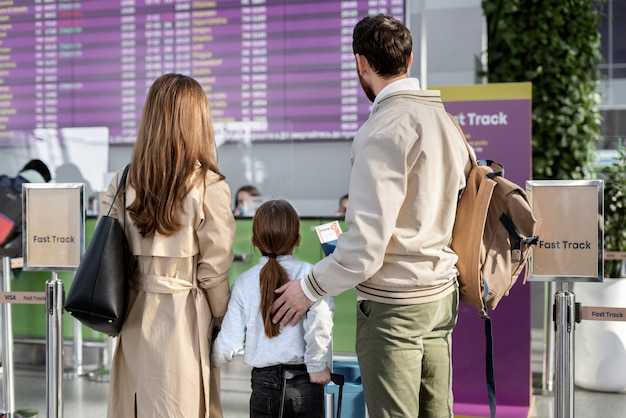

Verify your valid passport, visa (if required), and airline passes at the office or via the app, then head to the departure hall three hours before takeoff.
Find the correct terminal and heading to your gate with the official KLIA map or app; international departures are organized into zones with many security lines and clear signs to the gates. If you have layovers, a nearby lounge or quick walk is a valid choice that can save time for them later.
Inside security and immigration, keep liquids in a compliant bag, remove laptops, and place electronics in easy-to-reach spots to spend less time at the screening. The flow turns toward the departure concourse where seats line the corridors; monitor the screens for changes in your group and gate. Carry your boarding passes for quick scanning and head to the seats and passages quickly, fulfilling your purpose to reach the gate on time.
Inside, the passages resemble a cave with a steady rhythm of arrivals and departures; you’ll pass through multiple caves of duty-free shops, where you can grab water, snacks, or a quick coffee. There is an amazing variety of options, each serving different needs, and nearby seats give you a moment to regroup before heading onto your flight. The ambiance blends nature-inspired lighting and subtle scents to keep you comfortable during long layovers.
Before you turn toward the gate, check boarding passes and destination details on the screen; ensure you are in the right group for the flight and that your passport and ticket are valid for departures. When boarding, follow the staff’s directions onto the jet bridge or bus, and store your carry-on in the overhead bin or under the seat in front of you to keep aisles clear.
KLIA Departure Guides: Kuala Lumpur International Airport Departures and Layover Planning
Booking ahead for lounge or capsule room via the official portal gives you a coupon and quicker access. From the entry, head along the main corridor and follow signs to the departure areas; trolleys are available near counters to help with heavy bags.
KLIA departures offer a variety of shops and services; operators run cafes, pharmacies, and duty-free outlets below the gates. Guides at information desks help plan longer layovers, and like many travelers you can map your route along the terminal spine to minimize walking.
Instalaciones y servicios
A clinic handles minor medical needs inside the complex; the mosque area offers quiet space for prayer. Rooms for rest or private use appear in several lounges, and sama capsule rooms may be available in select areas. The special lounge spaces depend on your ticket class and airline, so check your entry details and follow the directions to the right zone.
Layover Planning and Getting Around
For layovers, head to transport hubs near your gate; transport options include trains, buses, and taxis, with lines connecting to parking areas and city links. If you’re staying on-site, booking a lounge near your heading gate saves walking time; finding the right area early helps you board longer flights on time. Use the coupon perks from your booking to grab a quick meal before boarding.
Check-In Procedures and Terminal Details for KLIA Departures
Arrive at KLIA at least three hours before departure and complete check-in using online options or self-service kiosks to speed the process, then drop bags and proceed to security. over weekends, crowds increase, so plan extra time.
- Check-in options
- Online check-in opens 24 hours before departure; print or download boarding passes via airline pages or traveloka and have the file ready on your phone.
- Self-service kiosks near entrances print boarding passes and baggage tags; use them to save time before queuing at counters.
- Counters handle special cases (oversized baggage, pet travel) and bag drop for travelers with checked luggage.
- Documents and baggage
- Carry passport, visa if required, and travel documents; keep boarding pass and photo ID accessible at security and gates.
- Check luggage allowance on airline pages to avoid extra charges; use a luggage scale at home or online to avoid surprises.
- Terminal details and transfer
- KLIA1 serves full-service carriers; KLIA2 hosts most low-cost carriers; a central centre links both terminals via inter-terminal connectors.
- Between terminals, take the train for a short move (about 5–7 minutes); signs direct you to the ERL or internal shuttle, onto the jet bridge to gates.
- This plan makes the start of your trip smoother by reducing queues and confusion at the gate.
- Facilities and amenities
- Dining options along the departures hall serving a wide taste of cuisines; the area includes late-opening venues for quick bites, coffee, and full meals. You can enjoy a calm moment in premium lounges as well.
- Premium lounges offer work and rest spaces, often with movies on display and quiet zones for reading or calls.
- A clinic is available inside the airport for travel-related health needs; staff can advise on medicines and minor ailments.
- KLIA Forest Eco Park and nearby parks provide a calm break during a layover; several hotels inside the precinct, including premium options, offer rest without leaving the airport area.
- The centre information desks assist with travel options, hotel bookings, and maps, providing tips to move around during a layover.
- Getting around and transport
- From town you can take a taxi or rideshare to the airport; road signs and tolls are clearly marked and connect to major highways.
- If you are taking a taxi, allow extra time during peak periods.
- The ERL Express train links KLIA to KL Sentral; trains run frequently and take about 28 minutes, a reliable option during busy week periods.
- Inside the airport, follow signs to baggage drop, security, and gates; once you reach your departure place near the boarding area, move onto the concourse and head to your gate.
Speed Through Security, Passport Control, and Immigration at KLIA
Use online check-in and head to the e-gates to speed through security and passport control. Have your passport, boarding pass, and any required documents ready; place liquids in a clear bag and remove laptops and large electronics for separate inspection.
At the security zone, follow the one-way flow to keep lines moving and reduce delay. Keep pockets empty, remove belts and metal items, and place phones, wallets, and keys in a tray before you pass through the scanner. When you clear security, take your belongings promptly and proceed to the public area to avoid congestion during peak times.
For immigration, walk to the counters with your boarding pass in hand. If you hold an eligible passport, use the online-enabled e-gates to breeze through; there are several counters, including some dedicated to special cases or families. At busy times, think of the queues as a place where calm and patience serve you well at every counter.
There’s an Islamic prayer room in the terminal, and staff serve passengers with clear guidance and help if you need directions. There are kiosks and counters offering quick checks, so you can save time during boarding preparations. Since you can pay attention to signs in both English and local languages, you’ll navigate smoothly without extra cost for using online services. Think of it as a short pause before you continue your journey, like a lord strolling through a spacious gates area, ready to tackle the next step of your trip.
After immigration, explore the public areas: dining options, a mall-style showcase, and several shops where you can pick up essentials or gifts. If you’re exploring transit, there are southbound corridors and tours for curious travelers. There are rainbow-colored wayfinding signs and well-marked routes to the next gates, kiosks for last-minute needs, and a jungle-inspired design that adds a bit of character to the space. For those working on tight schedules, take advantage of the fast lanes and counter staff serving guests quickly, then head toward the transport links and the place to board your next flight. There’s no need to rush–plan to arrive early, and you’ll move through security, passport control, and immigration with ease while saving time for the rest of your Kuala Lumpur stop.
Baggage Rules, Carry-On Limits, and Lost-Baggage Contacts for KLIA Departures
Carry-on should be a valid cabin bag within 7 kg, plus a small personal item. Verify the exact limits in your ticket options, since some affordable carriers tighten allowances by fare or route. Have your boarding pass and ID ready at the entrance and gate, and pack the bag you’re having for quick access during security to reduce time and avoid fear of delays. If you’re visiting the city for a short visit and plan to see temples or dining after your flight, a lightweight carry-on helps you move faster.
Carry-On Rules for KLIA Departures
KLIA typically allows a cabin bag up to 7 kg plus a personal item for most international departures. Each airline varies, so check the policy on your ticket options and confirm at the airline office if needed. Place liquids in 100 ml containers in a clear bag, and keep meds and valuables in your personal item so you can access them through security without extra steps. Pack smart: a larger bag at the desk slows you down, while a compact bag makes it easier to slide under the seat or into the overhead bin in modern terminals. After security, you can browse dining options below the mezzanine entrance or near the gate while you wait, and use the wifi to monitor time and any gate changes. If you’re traveling with a one-way ticket or making a longer city hop, this approach saves time and reduces stress. In crowded moments, the sounds of rolling carts in the hall remind you to stay patient and stay on plan.
To avoid delays, should you travel with a larger bag, consider checking it at the desk and keeping a small carry-on for the flight. Below the seating area, you’ll find dining options and shops that help you pass time while you wait for the boarding call. If you’re visiting singapore or transitioning through an eastern route, verify any special handling needs with the airline so your transfer goes more smoothly.
Lost-Baggage Contacts and Next Steps
If a bag goes missing, head to the airline baggage service desk in the departure hall or the Lost & Found office and file a Property Irregularity Report. Bring the baggage tag, flight number, and a reliable contact. The desk will issue a reference number and outline the next steps; if your route includes a connection through singapore, coordinate with the next airport’s baggage office for the onward city. Use the airline app or the KLIA information desk to check status, and stay on wifi for updates. You should keep receipts for items if you need to buy replacements during the delay, and you should request reimbursement as part of the claim process.
Boarding Smart: Reading the Departure Board and Locating Your Gate Quickly
Check your flight number on the departures board and follow the latest gate listed; if the display shows a change, move immediately to the new gate. The board includes boarding time, status, and a gate detail, and it updates in real time across KLIA’s central concourse. A few travellers joke about the “lord of changes” overseeing gate swaps, so trust the most current update rather than memory from earlier screens.
In KLIA, the central departures hall is well signed. Signage directs you toward bays A, B, C, and D, with a covered walkway to each gate cluster and easy access to toilets, the entrance, and the information desk in the centre. For groups or a short-term layover, this layout helps you stay together and move fast, while arrivals area signs help you orient from the arrivals hall if you’re arriving from outside the town or another airport.
From outside the terminal, enter via the main entrance and use the large boards to confirm your gate before stepping into the corridor. Have your documents ready–passport, boarding pass, and any visas if required–and listen for announcements. If you rely on mobile updates, many airlines offer free alerts; costs or charges depend on your roaming plan, but the board remains your relevant source of truth and covers changes in real time.
Evening departures around sunset stay clearly visible on the boards, and you’ll find post-boarding notices that help you plan a quick exit from the centre if needed. If you have a long layover, explore the wonderful variety of sights, shops, and cafés along the town-facing entrances while keeping an eye on your gate. The information desk can point you to the shortest route to your bays and help coordinate a group’s pace through the terminal.
Reading the board efficiently
Focus on the line with your flight number and destination, then confirm the gate and boarding time in the status column. The board lists the gate near each flight beside the destination and time; if you see a change, follow the arrow toward the updated gate. Use the centre map to estimate walk time; a typical stroll to distant gates can take 7–12 minutes depending on crowd levels.
Gate-to-gate: moving fast in a busy terminal
Take the shortest, signposted route via the main corridors. If you’re traveling with a group, appoint a leader to watch the board and another to guide the path. For Islamic travelers, note where the nearby prayer rooms are and plan a quick stop before boarding. The route to gates is clearly signed, and you can combine this with a brief visit to restrooms or entrances to ensure you stay on track; some lounges offer charging and comfort options with varying charges and inclusions.
Layover Tactics: Lounges, Quiet Zones, and Short Breaks in KLIA
Book a Plaza Premium Lounge in KLIA1 or KLIA2 for a total recharge during a long layover. They offer a comfortable room, reliable outlets, an outlet by the desk, showers, and fast Wi‑Fi. Arrivals and departures flow through both terminals, but you can leave the crowds behind in a quiet corner to really reset before you continue through the station toward your gate. The centres cater to travellers from many countries, making it easy to plan a break that fits your schedule while exploring a bit inside the airport, and you can catch a sunset view from a window seat as the day shifts.
Opciones de sala de estar
In KLIA, Plaza Premium lounges exist in both terminals, with easy access on departure floors. Expect ample seating, individual work areas, and a small buffet to refresh before the next flight. They’re ideal if you want to stretch, explore, or make contact with colleagues while staying inside the covered areas. A single outlet by each seat helps you keep devices charged while you search sights on your device’s screen, and the lounge often offers a quiet corner for very focused work or a quick recharge before the next leg.
| Opción | Area/Location | Acceso | What you get | Best for |
|---|---|---|---|---|
| Plaza Premium Lounge | KLIA1 Departure Hall | Pay at door or lounge pass | Shower, quiet room, Wi‑Fi, outlets | Long layovers; total recharge |
| Plaza Premium Lounge | KLIA2 Departure Hall | Pay at door or lounge pass | Refreshments, work desks, charging | Connections via KLIA2 |
| Quiet Zones | Across terminals | Gratis | Low-noise seating, dim lighting, covered walkways | Short breaks without leaving security controls |
Quiet zones and short breaks
For a really quick reset, target 60–90 minutes in a quiet zone, then leave before boarding to keep your schedule on track. These areas follow clear signs and information desks, so you can make contact with staff if you need directions. If you want a little rest without leaving the building, you’ll find cave‑like nooks and a small park area near the gates. Window views offer sights such as sunset over the runway and a sense of city scale, even as you stay inside the airport. If you’re connecting through KLIA to Singapore or other countries, these tactics help you maximize a short break without risking your total time, and always keep a valid boarding pass handy.
Getting There and Back: Ground Transport, Parking, and Airport Access
Recommendation: Use the official taxi stand at the departure area for a direct, fast ride to KLIA; it handles luggage well and operates reliably at night. This option works well when you value speed and predictability. Choice depends on your luggage, time, and comfort, so weigh taxi against ERL for the best fit.
Ground Transport Options
- Taxi: Official stands curbside, with fixed-rate boards and payment at the counter. This move brings you straight from the city into the terminal building, ideal for those with luggage and limited time.
- Rideshare: Local apps like Grab offer pickup near the airport. Check prices on the internet, choose airport pickup, and consider surge charges during night peaks.
- Express Rail Link (ERL): The link between KLIA and KL Sentral takes about 28 minutes; trains run from early morning until late night, with stations at both terminals for a smooth move between sides.
- Drive and car rental: Use your own car via the expressway to the airport, where you can drop off and park in the nearby lots or long-term multi-storey car parks; car rental desks are located in the arrivals area or mezzanine for quick pickup.
- Shuttle buses: Airport-operated shuttles connect to nearby hotels and service centers, while dedicated car rental desks simplify formalities.
Parking and Airport Access
Parking is organized into short-term, long-term, and a covered multi-storey setup, each serving a different purpose; signage guides you to the right zone. The options let you choose the purpose of your visit–drop-off, collection, or a longer stay–so plan ahead.
- Short-term parking: Located close to the terminal building, with covered spaces near the gate areas for easy luggage handling.
- Long-term/multi-storey parking: A bit farther away, but a regular shuttle link keeps you connected to the terminal; suitable for longer trips or weekends away.
- Valet and park-and-ride: For those who want a hands-off option, with staff moving cars to a nearby car park and you walking to the mezzanine level to catch your flight.
When you park, look for nearby trees shading the lanes and use the link passages that connect to the building; the mezzanine level serves departures and arrivals with clear signs. Internet access is available in lounges and most parking areas to check gate changes and flight updates on the internet. For those traveling with a group, sama arrangements help you move together to the same gate or bus stop, and you’ll appreciate local signage that makes arrivals and departures easy to spot.
Comentarios