



 Español
  English (UK)
  Русский
  العربية
  日本語
日本語  한국어
한국어  Magyar
  Türkçe
  Čeština
  Svenska
  Português
  Ελληνικά
  Suomi
Suomi  Nederlands
  Română
  Italiano
  Français
  Polski
  Українська
  Deutsch
  简体中文
简体中文  Slovenčina

Stay in a rural ibizan village for your visit, not a hotel strip, which yields fewer crowds and a more authentic pace. Imagine mornings stirred by thyme and flowers along winding lanes; during waiting for the ferry or awaiting sunset, you’ll feel the island’s easier tempo. The staff in small casas point you to the best beaches on the island’s quieter side.
Best time to visit is May or October, when average daytime temps hover around 22–25°C and beaches stay calmer. In July–August, beaches and clubs draw long lines and crowded ferries, so plan ahead. If you’re whether you want sun or a breeze, shoulder months let you combine beach time with outdoor dining and rural excursions.
During the day, follow a fantastic beach-hopping route: Cala Conta, Cala Bassa, and Ses Salines offer clear water and a long line of waves. For the ibizan nightlife, the main clubs cluster in Ibiza Town and along the side of San Antonio, where clubbing options stay active well past midnight. If you prefer a quieter vibe, explore rural coves in the north or inland villages, or other hidden spots, which deliver a different mood and fewer crowds.
Where to stay? Pick a sea-facing casa near Santa Eulalia for easy stay with good access to beaches and family-friendly facilities, or a hilltop boutique near Ibiza Town if you want quick access to nightlife. If you crave space, a rural finca on the outskirts offers private gardens and a quiet side path to Cala Salada. The next day, plan a short ferry to Formentera for snorkelling and a slower pace among flowers along the coastline.
Getting around is straightforward: buses run along the coast every 30–60 minutes in season; renting a small car gives flexibility to reach remote beaches. A staff member can help you receive updated timetables and weather tips, so you avoid waiting at popular spots.
Pack light clothing, reef-safe sunscreen, a compact camera, and a towel; in the evenings, a flowers pattern dress or linen shirt suits the beachside strolls. If you want fantastic day trips, book a morning boat and save the afternoon for a quiet siesta by the pool–an Ibiza balance that many visitors appreciate after a lively clubbing night.
Best Time to Visit Ibiza: Seasons, Weather, and Budget Considerations
Visit Ibiza in May or October for the best balance of sun, sea, and value. youll save on accommodations, dodge the worst of the crowds, and still enjoy warm days with clear skies and comfortable sea temperatures.
In May and June, daytime highs hover around 23-28°C, nights stay mild, and the water warms to 18-22°C. September and October repeat similar conditions with fewer party crowds and smoother availability for dining and beach access. July and August push to 28-32°C, beaches fill up, and hotel rates climb while noise levels near nightlife hubs rise, especially on the promenade and main beaches.
For those seeking quieter moments, consider rocky coves along the southern coast and sheltered beaches where a calm swim is possible after a day of sightseeing. Those areas offer easier parking and shorter queues for beach access. Comparisons with lanzarote show Ibiza’s mix of cliff views, intimate coves, and day trips toward the island’s interior, where the pace is friendlier and the scenery still dramatic.
Travelers discovered that May and October deliver a reliable weather window with lower heat and more comfortable evenings, presenting an ideal chance to combine beach days with sightseeing. If you plan a first visit or a repeat trip, the same rule applies: balance outdoor time with restorative pauses, and you’ll maximize value while keeping the itinerary flexible for nightlife options if desired.
Seasonal Snapshot
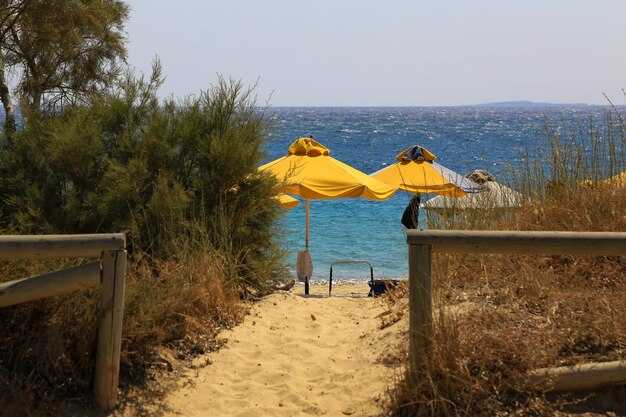
Spring (March–April) brings mild days, blooming scenery, and good conditions for hiking and coves exploration. Accommodation prices are modest, and local services begin to ramp up, which helps those hunting for a personalized balance between beach time and town strolling.
Summer (June–August) delivers the warmest sea, busiest beaches, and the highest prices. Expect long days by the promenade, late-night venues, and lively nightlife hubs along the coast. If you want to join the scene, this is the window; if you crave quiet, choose a north coast cove or a hill village a short drive away.
Autumn (September–October) keeps warm water and fewer crowds. It’s common to find short waits for table reservations and a more relaxed vibe, making it a strong choice for couples and groups who want sightseeing with beach downtime.
Winter (November–February) cools down and many accommodations reduce services. Flights and ferry schedules become sporadic, and some vilas with heating may be your only option if you stay on the island. If you’re simply getting a sense of the island’s style and local life, a short, off-season visit can still offer meaningful encounters with residents awaiting the next busy period.
Budget and Planning Tips
Book vilas or mid-range accommodations well in advance for May or October; youll see savings compared with peak months. Look for properties listed as family-friendly or close to coves for better value and quieter nights, especially where rocky shorelines meet calmer water.
Aim for a six- to eight-week window before May or October to lock in lower rates, with eight to twelve weeks if you’re targeting June through August. Local operators offer flexible cancellation in some periods, giving you room to adjust plans after checking weather forecasts and flight deals.
Choose a neighborhood based on your mood: a promenade-front area for easy access to nightlife and sightseeing, or a quieter coast where mornings start with waves rather than clubs. Personalized itineraries help you balance beach days with sightseeings, such as hidden coves, rocky outcrops, and historic towns, while still leaving room to catch a sunset with friends.
Getting around, consider a rental car for day trips to villages where previous visits discovered quiet lanes and coves, or use public transport for stress-free island hops. For those seeking local style, prefer accommodations that operate with small, local teams; you’ll present a more authentic stay and support community businesses. Those choices also make it easier to adjust plans if weather or crowds shift above expectations.
Must-Do Experiences in Ibiza: Beaches, Caves, Markets, and Cultural Highlights
Start with a sunrise swim at Cala Conta, where crystal-clear waters meet a pebbly shore and shade from pine trees keeps you cool as the backdrop glows gold.
Then wander coastal areas to compare beaches: Ses Salines for fine sand, Cala Bassa for a lively strip of cafés, and Es Cavallet for a long shoreline with dunes. Birds circle above, and you can enjoy the sea breeze on each location. For a quieter vibe, towns along the coast offer shade and calmer water–perfect for a relaxed day by the sea at these locations. Soon the light shifts, revealing a Balearic mood that lingers into the evening.
Beaches & Coastal Discoveries
Beaches from Cala Conta to Ses Salines and Cala Bassa offer a mix of shade, crystal-clear water, and a dramatic backdrop of cliffs and pines. For a beach day with a social vibe, choose Cala Bassa’s strip of bars and paella stalls; mornings suit families, while late afternoons bring golden light over the water. If you crave quiet, select pebbly coves and towns along the coast, where birds wheel overhead and a slower pace awaits.
Markets, Caves, and Cultural Highlights
Visit a UNESCO site in Ibiza Town for a fortress backdrop and cobbled lanes with building facades above the harbor. The town hosts markets and stalls with crafts and local foods; savor paella at a seaside restaurant. Then drive to Cova de Can Marçà near Puerto de San Miguel for a guided tour through underground chambers with stalactites and a turquoise glow from the water. Weve found that mornings are cooler and less crowded for photos and safe exploration.
| Experiencia | Por qué es importante | Best time to go | Tips |
|---|---|---|---|
| Beaches & Coastal Walks | Crystal-clear water, shade from pines, and a dramatic backdrop along the coast. | May–October; mornings or late afternoons | Arrive early to secure shade; carry water and sunscreen; watch for birds over the bays. |
| Caves: Cova de Can Marçà | Underground chambers with stalactites and a turquoise glow from sea light. | Spring or autumn; morning tours | Book ahead; wear comfortable shoes; avoid peak heat. |
| Markets: Las Dalias & Punta Arabí | Stalls with crafts, textiles, and local foods; savor paella and fresh produce. | Weekends and late afternoons | Negotiate gently; bring euros in small bills; sample the fruit juices. |
| UNESCO site: Dalt Vila | Historic fortress and colorful town with viewpoints above the harbor. | Evenings for lighting; mornings for quiet streets | Walk the ramparts, wear sturdy shoes, check museum hours. |
Practical 4-Day Ibiza Itinerary: Day-by-Day Highlights and Logistics
Fly into Ibiza airport early and rent a compact car to reach Ses Salines Beach for a quick morning swim, a must for your first day. The beaches here glow with turquoise water and white sand, creating picturesque surroundings against the Mediterranean backdrop. After a light bite, walk along the coastline to the iconic salt ponds, then head to a beachside restaurant for a relaxed lunch. In the afternoon, try watersports such as stand-up paddle or a short boat trip to see the coast from the water. End the day with a sunset at Es Vedrà, which looks dramatic as the july light softens and the air feels absolutely perfect. If you want a quick snack, a short search along the promenade yields tasty options.
Day 2 centers on history. Start with Dalt Vila, Ibiza Town’s historical fortress, and wander the narrow lanes for panoramic harbor views. The area feels iconic, and a few rooftop spots offer a quick review of the day’s finds. Grab a coffee near the walls, then stroll down to the marina and choose a waterfront restaurant for lunch. The location is compact and easy to explore on foot. If you need a break, enjoy a short walking loop through the surrounding streets toward the beaches to refresh before dinner.
Day 3 heads north for adventure and sun. Rent a scooter and ride to the north coast for a scenic walk along cliffs to Benirras Beach, where the surroundings feel quite wild and the hippy vibe remains strong. Take a mid-morning dip in clear water and later rent gear for a quick snorkel or paddle session at Cala Bassa. For lunch, pick a beach club with simple, fresh dishes, and in the afternoon enjoy a relaxed watersports session or a kayak along the shore. The route is easy and family-friendly, with plenty of photo stops to capture picturesque views.
Day 4 offers flexibility. Start with a relaxed morning in Santa Eulalia’s riverside promenade and stop at a market for local crafts and foods. The next option is a ferry to mallorca for a day trip, though most visitors reserve a separate trip for this island. If you stay, add a sunset from a cliff lookout or a beachside restaurant near the location, then head to the airport when it’s time to depart. July heat can make midday breaks essential, so plan indoor dining or a shaded stroll during the hottest hours, and reserve the last snapshot at a quiet cove before you move on to your next destination.
Can Lluc Facilities: Rooms, Pools, Dining, Spa, and Sustainable Practices
Rent a sun-drenched, sea-view suite with a private terrace to lock in privacy and enjoy a crystal coastline panorama from your viewpoint on the point. The latest offer includes a welcome basket, flexible check-out, and a balcony option that makes evenings memorable as the coast lights unfold across the water. The rooms are very comfortable, with light-toned wood and soundproof doors that keep noise down when you need quiet. If you search for the perfect balance of luxury and nature, Can Lluc checks many boxes. This balance attracts many guests.
Rafael coordinates guided hikes and private transfers; staff member rafael handles watersports gear rental on the beach. Guests can easily discover tranquil moments by the pool or on the terrace, with these activities offered throughout the day and easy access to a short ferry ride to the coast.
Pools, Dining, Spa, and Sustainable Practices
Two pools anchor the sun-drenched terrace: a crystal-clear main pool for laps and a tranquil pool for lounging. A short stroll leads to the beach where watersports equipment can be rented, and staff can arrange ferry transfers to nearby spots for a half-day coastal excursion.
The dining program centers on michelin-star dining and Balearic flavors, with seasonal produce sourced locally. Guests can reserve at dalbarca for a cliffside Balearic experience or at boldado for a sea-view dinner, then return by ferry to the hotel. The spa offers signature rituals using locally grown herbs and sea salt, with private treatment rooms that emphasize privacy and relaxation.
These latest sustainability practices reduce water and energy use, ban single-use plastics, and prioritize local suppliers. The resort uses solar panels, efficient lighting, and waste-management programs to keep the coast pristine. Privacy is maintained in common areas with discreet lighting, and throughout the property, quiet zones enhance tranquil evenings.
Choosing Your Ibiza Stay: Rural Can Lluc versus Beachfront Towns and Getting Around
Recommendation: Start with Can Lluc for a quiet base, then switch to a beachfront town for sun, seafood, and evening vibes.
Rural Can Lluc offers a backdrop of northern hills and a genuine farmhouse experience. Staying in a farmhouse means mornings with fresh air, a quick swim, and a slower rhythm that suits a group looking to recharge. Distances to the coast are short by car, and the setting feels fantastic for long conversations over wine. For a local touch, rafael, a local insider, can suggest a scenic hillside route and a nearby farm-to-table option.
- Rural advantages: farmhouse charm, quiet mornings, great views, and a side of rural hospitality–great for photography and late-night chats over wine.
- Beachfront town advantages: restaurants, shopping, and a lively evening scene just steps from the beach.
- Packing and style: clothing for warm days and cooler evenings; skirts for evenings out, plus sunscreen and a hat.
Getting around is straightforward. If you arrive from the mainland by trasmediterranea, you land in Ibiza Town and then drive or take a local bus to Can Lluc or your beachfront base. Distances between Can Lluc and beach coves are manageable, and a beach day can be part of a circular route that returns for sunset. For a group, hiring a private transfer or a car splits the logistics and keeps everyone together.
- Morning in Can Lluc: a light swim followed by a farmhouse breakfast with local bread and olive oil.
- Head to a northern beach or cove for a swim and a laid-back lunch; consider a winery stop for a tasting.
- Afternoon exploration: stroll the beach side, shop for clothing or souvenirs, and tell the group about the day’s highlights.
- Evening: choose a restaurant with a sea view, then take a walk along the front and catch a sunset drink.
- Return to Can Lluc or stay in a beachfront town for a second night to cap the itinerary with a low-key morning.
Tip for making the most of your stay: arrange with a local insider for a tailored recommendation, and tell rafael your priorities so he can align the route with your must-see spots. Just remember that the island rewards slow pacing, fantastic scenery, and a willingness to switch sides between quiet country lanes and lively beach streets. What comes with this approach is a balanced experience: lower crowds, easier access to beaches, and a flexible plan that fits many travel groups. A must for wine lovers is a hillside tasting, and you can arrange this through a local producer via rafael.
Comentarios