



 Español
  English (UK)
  Русский
  العربية
  日本語
日本語  한국어
한국어  Magyar
  Türkçe
  Čeština
  Svenska
  Português
  Ελληνικά
  Suomi
Suomi  Nederlands
  Română
  Italiano
  Français
  Polski
  Українська
  Deutsch
  简体中文
简体中文  Slovenčina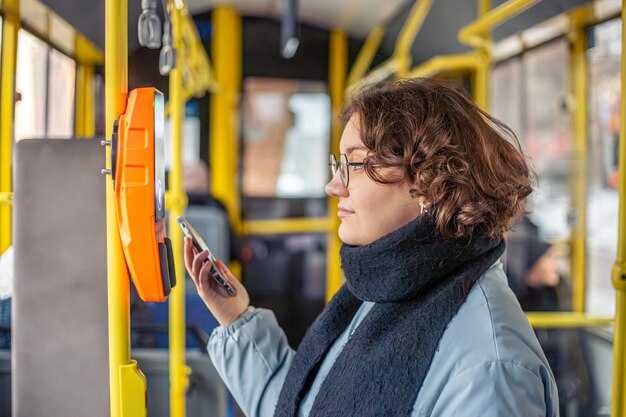

Get a reusable transit card and top it up before you travel. It reduces boarding time and lets you ride Metro, Buses, and Trams with a single tap. Check the date of validity and balance at kiosks or the city app, and use the card along every route. It helps you identify which lines to take quickly, where to start your trip, and when to expect service on a given day.
The Minsk metro consists of two линии that cross the city center, with oktyabrskaya serving as a convenient transfer point between lines. In certain routes, transfers at oktyabrskaya are straightforward. Metro trains run from early morning to around midnight, with peak frequencies every 2–4 minutes and off-peak intervals of 6–8 minutes. Use the station maps to identify nearby interchanges and check servicing notices posted at each entrance.
Buses operate along main arteries and connect districts not served by the metro. Look for the route number on the front and side, and use the map to see where the stop is near landmarks such as the library or city center. Some night routes run 24/7, while daytime services typically run every 10–20 minutes. The industry standard is contactless payment with the shared transit cards used across modes. For large events, extra buses are deployed to maintain flow; check the date and servicing updates before you travel.
Trams provide a practical option for short hops and neighborhood trips. They run along key corridors and often stop near churches, squares, and the saints. Trams are generally чистый and reliable, with frequent stops that simplify transfers to metro stations or bus hubs. If you plan a trip around a city event, verify the date and servicing schedule to avoid delays.
Practical tips to save time: plan ahead using the official map and check which lines serve your origin and destination; identify where you will enter and exit. Transfers within a short window reduce waiting times, and you can stay polite with staff and drivers by having your fare ready. The city’s public transport depends on clear signage and regular maintenance, and these measures reduce delays while keeping the flow steady near oktyabrskaya and other hubs. Hope this guide helps you move smoothly through Minsk.
Metro Basics: Lines, Tickets, and Station Tips
Get a reusable Minsk metro card and load money before you ride; it saves money on some trips compared with buying single-ride tickets each time. Public transport is a key industry in Minsk, and the metro remains a dependable option. Download the official map or city transit app to have the deck of lines and station layouts at hand, so you always know your next move.
The network started with a single line and has grown into two lines that exist as the core of the existing system. Two lines exist, started in 1984, and they form the backbone of the network. The system uses straightforward technology: turnstiles scan tickets, trains follow a fixed timetable, and real-time boards show arrivals. Fact: trains run from early morning until late evening, with the most frequent service during peak hours. Tickets come in formats: single-ride and time-based passes; a reusable card can be included in a pass, making transfers smoother for them. You can buy tickets at automatic machines or kiosks inside stations, or download the map plan to your phone for offline use. Passengers should always carry a valid ticket; inspectors have licenses and check tickets at entrances and on board. If you travel with another person, some passes allow shared usage within a time window; otherwise plan separate tickets to avoid delays.
Station tips: stand on the deck near the safety lines, and move with others through the platform in a calm, orderly flow. Use escalators on the right during busy times to let them through, and keep valuables close at hand. Some stations offer photo-worthy architecture, so you may want to snap a quick photo while you wait. Always listen to announcements and follow staff directions; if a train looks crowded, wait for the next one instead of forcing a ride. Music played from phones should be kept at a low level to avoid disturbing fellow passengers.
| Aspecto | Detalles |
|---|---|
| Lines | Two lines exist (colors red and green); started in 1984; transfers at central stations are common for reaching multiple destinations. |
| Tickets | Single-ride and time-based passes; reusable cards can be loaded with money; some passes include transfers between lines; buy at machines or kiosks; download the map for offline use. |
| Station tips | Use the deck with safety lines; validators check tickets; keep track of announcements; staff carry licenses and assist passengers. |
| Rider habits | Trains run frequent, especially in morning and evening; either line can reach major hubs; always plan a little buffer for transfers; another tip is to use off-peak trips to save time and avoid crowds. |
Buses and Trams: Finding Stops, Reading Routes, and Timetables
Start with essentials: a city map or app, cash in rubles, and the stop name in belarusian or English. Looking for the right stop, search central streets along the river to cut walking time, and keep this approach handy for life in belarus. Locals and belaruss guides often share simple tips that help first-timers avoid misreads of route boards. This approach has been relied on by locals for years because services along central routes are reliable. A smart phone app helps track arrivals in real time.
Finding Stops
Stops sit on busy streets with sheltered boards showing route numbers and directions. Look for signs at main crossings along the riverfront and near central squares; these boards help you confirm the right line. Locals are usually polite and ready to point you to the next vehicle. If you miss a stop, step off at the next one and flag the driver to confirm your destination; many drivers speak simple enough languages to help. At on-ground stops, timetable leaflets are often free, and you may see belarusian and russian text with some English on larger boards. For extra reassurance, check cleanwhale posts that summarize popular routes used by locals.
Reading Routes and Timetables
Route boards show the line number, direction, and the streets along the way. The longest routes cross central districts and connect the river banks with residential areas, so they’re a good bet if you’re new to Minsk. Timetables differ by day; daytime headways are shorter on central lines, while evenings bring longer gaps. Use the map in your app to double-check the stop sequence before boarding. Timetables refer to the street names clearly on the route boards. Tickets cost rubles; you can buy from the driver or at on-ground machines–exact change helps. Leaflets at big stops are often free, and signs use languages that are familiar to locals, so you can complying easily with local instructions. When in doubt, ask the polite driver to confirm your stop, and take a moment to read the next few stops on the board to stay along the right track.
Ticketing and Payment: Where to Buy, Tap, and Validate
Grab a rechargeable card at any metro station kiosk and load it before your first ride; tap on entry and you’re set across metro, buses, and trams. theres a printed backup option at kiosks if you prefer not to use a card, and you can buy printed tickets along with a booking for longer stays delivered to your phone. they offer flexibility for travelers who prefer printed tickets.
Where to buy
- Rechargeable smart cards are sold at metro station kiosks with EN language option; you manage balance and fares in-app or at the machine.
- Printed tickets are available at staffed counters and self-service machines in most stations; choose single ride, 24-hour pass, or multi-ride options.
- Booking options exist for longer stays: use the official app to purchase a pass; delivery sends the ticket to your phone for quick scanning.
- Kiosks along avenue and street corners near płošča squares offer printed tickets; Brest-bound travelers may use long-distance desks for separate fares.
- Check posted fare boards to understand the various fares and zones; some passes cover multiple routes.
Tap and validate
- Tap your card or printed ticket on the validator at the entry of metro turnstiles, and at bus/tram doors; listen for a beep and watch for the green light to confirm a valid ride.
- Keep the ticket until the end of the ride; if you transfer within the срок indicated on your ticket, you may stay aboard without paying again.
- On some machines you’ll see a ginit label or icon; follow the on-screen prompts to complete the tap.
- Use track to monitor your remaining balance and the validity of your pass in the app; this helps you manage multiple trips in one day.
- If you forget to tap, contactless options provide a backup via the app or card; customers should bring a valid ID if discount applies (social, student, senior).
Planning Trips: Transfers Between Metro, Bus, and Tram

Plan your transfer at least 10 minutes before your metro arrival and choose the entrance closest to the next line you plan to take. Use an android app to check live schedules and line statuses, then map the path from the metro exit to the bus stop near the entrance or to the tram stop. This approach could reduce waits and keep groups moving smoothly.
Smart planning and real-time updates
Consult the official guide and industry websites for current operations and timetable changes. Real-time screens at large stations show arrival times for metro, bus, and tram services; use those as your primary reference. If you travel with marshrutkas, be aware they can depart with short notice; coordinate with your group to board together. A simple model shows where to go, and thats why you should follow the lettered transfer corridor signs. This planning helps you manage expectations and minimize delays.
On-site steps for smooth transfers
On the platform, observe safety rules: stay behind the entrance lines, let passengers exit first, and keep belongings close during crowds. When you reach the transfer area, check signs for the bus or tram entrance closest to your current location. Keep a single meeting point near the museum or a modern office building so groups stay together. For groups and tours, assign a guide who can handle brief training and ensure everyone follows the systems and operations guidelines from the company. If you need help, staff at the information desk can provide a letter with directions or a printed map; they can help you plan a route and update you on changes in the field.
Safety, Accessibility, and Night Services: What to Expect
Plan ahead: verify a valid timetable for your route using the official Minsk public transport app and youll arrive five minutes early to the stop, ready to manage changes on the go. Then, check real-time alerts for electrobuses or trams along your path and record any notes you want to keep.
Safety first: stand back from the platform edge, hold the rails, and be mindful of doors – theyre fast and can close unexpectedly. marketing signs and announcements help, but trust your own observations and avoid crowding near exits during busy periods.
Accessibility options deliver a smoother ride: low-floor interiors, ramps at key stops, tactile guides near mahiloŭskaja and litviny corridors, and priority seating that respects different needs.
Night services: during weekends and late nights, electrobuses operate on major corridors with longer headways after 23:00; always verify the latest schedules in the library of routes, and calls to the help line are answered quickly; brest areas may experience maintenance blocks, so plan ahead. Likely delays can occur, especially during bad weather or after large events–check the app before you leave.
Practical tips to manage your trip: record your route, park your bike away from doors, carry a valid ticket, and explore programs for residents that offer unlimited rides; youll feel confident as you find your way between litviny and mahiloŭskaja routes, with comfortable interiors and a smooth ride. Your goal is to stay calm and aware, especially in busy periods like mornings and late evenings.
Comentarios