



 Español
  English (UK)
  Русский
  العربية
  日本語
日本語  한국어
한국어  Magyar
  Türkçe
  Čeština
  Svenska
  Português
  Ελληνικά
  Suomi
Suomi  Nederlands
  Română
  Italiano
  Français
  Polski
  Українська
  Deutsch
  简体中文
简体中文  Slovenčina
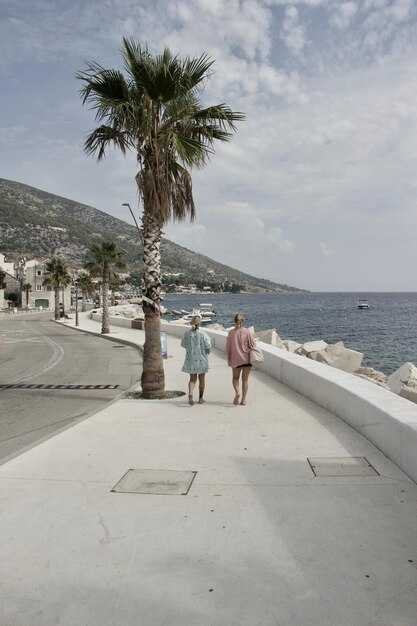
Chania is the better choice for most travelers seeking a friendly, manageable Crete experience. This choice suits ambitious itineraries, because you can explore the countryside and still have an afternoon to linger by the turquoise water. Chania has been praised for its compact streets and atop harbor views, and the akti promenade offers a lively look at boats and cafés. The disponible accommodations cluster near the old town and cover a range of budgets.
Heraklion presents a different pull: fast access to major sites and a dense urban core with remnants from eras that shaped Crete, including ottoman influences along the city walls. If you want to discover ancient milestones in one place, the Archaeological Museum and Knossos fit a tight schedule. The port area makes for an easy approach for travelers who prefer to stay put and explore the coast later in the day.
In Chania, the Old Town invites you to ramble along narrow lanes and look at centuries-old remnants from Venetian builders, with Ottoman hints peeking from shutters and arches. The turquoise water of the harbor sits atop the breakwater, and the akti promenade along the water is ideal for a sunset stroll. In the afternoon, you can hop on a boat to nearby beaches or walk to the foot of the hills that frame the city. discover a lively café culture and a name of traditions that feels welcoming after an ambitious day.
Both cities offer easy access to countryside routes: from Heraklion you can reach olive groves, remote villages, and the Lasithi plateau within a short drive, while in Chania the roads roll toward the white hills and coastal hinterland. If you want to discover ancient towns and quiet beaches without long drives, choose the option that aligns with your approach to travel, whether you skim the coast or dive inland later.
Practical tips: choose Heraklion if you want foot access to major sites in one place, and if you fly into Crete with an eye on Knossos. You’ll find more direct flights and longer opening hours, while Chania offers a more intimate feel and faster access to the countryside. For accommodations, look for options disponible within walking distance of the harbour and the akti; plan a relaxed afternoon or save the final port visit for the last day of your stay.
Iconic Ancient Sites Near Each City: Knossos in Heraklion vs Aptera and Phalasarna in Chania
For a focused start, base your Crete itinerary on Knossos near Heraklion and pair it with Aptera and Phalasarna near Chania to maximize iconic sites without long travel days.
Knossos and the heart of Heraklion
Knossos sits just minutes from central Heraklion, a loved symbol of the minoans and a must-see for anyone chasing ancient ambiance. The sprawling palace, with its ambitious layout, expansive courtyards, and vivid frescoes, places you in the heart of Bronze Age life. The site is famed for its labyrinthine passages and the sense of power when the empire thrived. After touring, head into the older quarter for a loggia-lined stroll and a kazantzakis-inspired coffee break. The location is right for a compact day: you rent a car or use public transport, when the sun climbs high you can save time and still have energy for a coastal restaurant nearby. Mostly, you’ll feel the history in every shade and breeze, and the ambiance is super loved by anyone who travels with an ambitious plan. It’s worth combining with a stroll through the nearby market and accommodation options to see more of the heart of the city.
Aptera and Phalasarna: a Chania coastal contrast
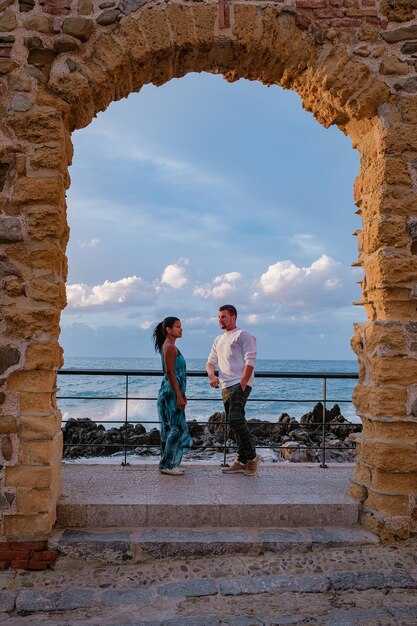
From Chania, head northwest to Aptera, perched above Souda Bay with dramatic views and an amphitheater that commands attention. The site offers ancient fortifications and a sense of a city that once guarded the coast, a smaller but potent taste of the minoans. Then drive further southwest to Phalasarna, a relatively remote ruin that rewards you with sea air, shade under olive trees, and uninterrupted coastal scenery. Phalasarna is famed for its long beaches and the excavation remains that line the shore, a perfect counterpoint to Knossos’ indoor grandeur. Plan time for a sit-down meal at a seaside restaurant, then return to Chania for a relaxed night in a city that blends ottoman remnants with Venetian charm. The distance is manageable on a day trip, and you can rent a car or use public transit to tailor your itinerary and keep the day super flexible, later, anywhere you want to go next. Driving between sites gives you maximum control.
Getting There: Practical Travel Times and Routes from Heraklion and Chania to Major Ruins
From Heraklion center, Knossos is a must and its approach is simple: its just 5–7 km away, about 15–20 minutes by car along the ring road. In high season, the modern timetable for the public bus runs roughly every hour, with a 25–40 minute ride depending on stops. That means you can combine archaeology with a calm morning in the city, then head out to olive groves and glimpses of nearby Venetian walls on the way back. On the road, you’ll notice signs that nod to the greeces’ long history and you’ll spot examples of local architecture, including a loggia facade that hints at Venetian influence. Thats why Knossos is the easiest starter for a four-site plan, giving you a fast view of the island’s early center without losing time.
Beyond Knossos, consider four other major ruins and the practical routes to reach them. Phaistos, perched south of Heraklion near Matala, sits about 60–90 minutes by car from the city center, with the drive taking you through smaller towns and coastal scenery. Gortyna, southwest of the city, is roughly 60–75 minutes by car and often faster when traffic is light; the route passes the Defkalonia hinterland and offers a calm drive along rolling hills. Lato, closer to Rethymno, is reachable in roughly 1 hour 15 minutes to 1 hour 45 minutes by highway and secondary roads, depending on season and year. If you’re circling back to the north coast, these itineraries let you compare different views and plan a rhythm that suits your senses.
From Chania, the closest major ruin is Aptera, about 30–40 minutes by car along the coast and through the olive groves toward Kalives. Public transport is slower here, often 1 hour 15 minutes to 1 hour 45 minutes with transfers, so driving offers the calmer pace and flexibility. For the other sites, the drive from Chania to Gortyna or Phaistos can exceed two hours, so lets consider a two‑day plan if you want to hit multiple ruins without rushing. The route to Aptera rewards you with varied scenery, including views of the sea and the center’s whitewashed lanes, while you’re driving you’ll notice Roman and Venetian traces–shannons on the road signs guiding you to a built landscape that blends archaeology with modern life.
Practical tips to maximize time: start early to beat heat and crowds, especially in July and August. If you’re visiting four sites in a single day, map the north‑to‑south sequence to minimize backtracking and use a rental car or a reputable transfer. Keep a light bag, drink water, and plan a couple of scenic stops for photos of walls and loggia nooks that survive from the Venetians’ era. For the center‑based traveler, the return from Knossos often feels like a quick pulse of the island’s archeology and its surroundings, a warm view of the local life that remains close to the center and to nearby defkalonia and villages. Lets compare the routes, driving times, and stops to tailor your day so that the experience feels near, easy, and genuinely gorgeous.
Tickets, Hours, and Tour Options for Knossos, Aptera, and Phalasarna
Book Knossos online for a morning entry and pair it with a quick visit to the centre to see nearby museums and grab a couple of photos before the crowds rise.
-
Knossos
- Tickets: Online booking is fastest; standard entry covers the archaeological site and nearby structures. Consider a combined ticket with a Heraklion centre museum for a wider context. For a premium experience, choose a private or small-group tour (2–6 people) with a local guide to unlock leading insights and better photo opportunities. Expect a 1.5–2 hour site visit plus time for the museum or exhibits.
- Hours: Seasonal hours typically run 08:00–19:00 in peak months and about 08:30–17:30 in shoulder seasons; last entry occurs about 60 minutes before closing. Verify exact times on the official site the day you visit.
- Tour options and routes: Self-guided with a detailed map works well for a quick quick-loop, or book a guided option for deeper context. A couple of hours here pairs nicely with a museum stop in the centre and a short drive to your next stop. The approach is mostly wide and well-marked, and the site is highly photogenic for amazing photos and wide-angle shots.
-
Aptera
- Tickets: Usually paid at the gate; cheaper than Knossos and a good add-on if you’re staying in the Chania area. Private guides are available for a more quality experience, and some couples opt for a half-day private tour to cover the ruins and nearby viewpoints.
- Hours: Open daily with sunrise access fading to around 18:00–20:00 in summer and shorter hours in winter; confirm current times locally as schedules shift with the season.
- Tour options and routes: From Chania, a short coastal drive leads to Aptera’s amphitheater and ancient walls. A guided 1–2 hour option adds context about the city’s inland gorges and water systems. Stops along the way can include a church or a lookout with wide views, and you can easily combine with a quick Elafonissi detour if you’re planning a longer day on the western coast.
-
Phalasarna
- Tickets: Gate price; typically lighter crowds than Knossos, making it ideal for a relaxed visit. Discounts may apply for students or families; private tours are available for those who want deeper stories about the harbor ruins and ancient coastline.
- Hours: Usually open from morning until mid/late afternoon in summer, with earlier closures in winter; check the day’s signage or local listings for any changes.
- Tour options and routes: Best reached by car from Kissamos or Chania; plan 1–2 hours to explore the harbor walls, houses, and surrounding paths. A guided option adds interpretation about the site’s maritime trade and daily life, which enhances photos and experiences. If you’re combining with Elafonissi, plan a long day and save time by starting early and following a coast-hugging route to maximize stops.
Planning tips: book premium tours if you crave in-depth stories and skip-the-line conveniences; use a remote, flexible route to include gorge views or a couple of stops at traditional villages. Cars offer the widest routes and quickest transitions between sites, while a guided option boosts learning without slowing your pace. Most routes are straightforward, but keep an eye on seasonal hours and parking options near each site. If you stay in the western part of Crete, a day that includes Aptera, Phalasarna, and a stop at Elafonissi provides a wide range of things to do, with opportunities to turn travel photos into memories that last beyond your trip. Always check the latest hours and ticket options on official pages before you go.
Context You’ll Gain: What Each Site Teaches about Minoan History
Plan to anchor your understanding by starting at Knossos, the largest Minoan palace complex, and follow with a visit to the Heraklion Archaeological Museum to read fresco fragments in context with city layouts.
Knossos shows a centralized, multi-story plan with storage magazines, a sophisticated drainage system, and ritual spaces that reveal a structured unit of governance. The fresco scenes provide a visual history of daily life, religious practice, and distant trade networks across the Aegean; this last major hub helps you see the breadth of Minoan influence. Pay attention to a particular fresco style that hints at regional variation.
Chania’s chora and nearby sites illustrate the regional side of Minoan history: smaller palatial compounds, coastal workshops, and evidence of sea routes that connected ports to rhodes and other centers. The artifacts show a network of links between land and sea, and the emphasis on local production reveals a broader economy beyond Knossos. For many travelers, this region offers a different narrative than the palace core.
Guides such as robin, shannons, and niki mention how the Chania region adds nuance: the same Minoan world appears differently when you look at regional workshops, pottery styles, and harbor use. This broader view helps you piece together the story from a chora street to a museum hall, because history lies in the connections between sites and artifacts. That thought often emerges when you compare what’s mentioned in guides with what you see in the excavations.
Accessibility matters for travelers: choose accessible routes with shade and easy exit, pick towns with well-marked shops and shaded courtyards, and plan breaks to reflect on the day. The experience is based on observation of artifacts, not hype, and you’ll encounter anything you want to learn about the past. This approach keeps lies out of the narrative and helps you form a grounded plan for your day.
The concrete takeaway: you’ll gain a clearer sense that the Minoan world was broader than a single palace. By combining the largest site with a regional mosaic, a traveler maps the rhythm of history, taking you from fresco halls to harbor shops, and enjoying the town’s nightlife after a day of exploring.
Itinerary Ideas: 2–3 Day Plans Focused on Ancient Sites in Heraklion or Chania
Base in Heraklion for the densest concentration of ancient cretes ruins: Knossos Palace, the Heraklion Archaeological Museum, and a short day trip to Phaistos or Gortyna with a rental car, revealing greeces history across the island. Pair this with free time in the old town, a short on-foot walk to the plaza view, and a sunset from the fortress terrace. If you prefer a calmer pace, consider a day in rethymno to balance driving and deepen your crete history, despite the distance and waiting at the busiest sites. A combined ticket option can save time plus money when available, making the plan even more practical for your next trip.
Heraklion-focused itinerary
Day 1 opens at Knossos, then on foot to the Heraklion Archaeological Museum for a deep dive into Minoan life; plan 2–3 hours at the museum. Afterward, lunch on a terrace near the plaza, followed by a stroll along the harbor and a short boat ride for a sunset view from the walls. Ticket prices typically hover around €15–€20 for Knossos and €6–€8 for the museum; a combined ticket can save time if available. If you want to see where the post‑museum energy comes from, linger on the waterfront and watch the next waves roll in.
Day 2 offers a short rental-car loop to Phaistos or Gortyna, both rich in crete history. Return to Heraklion for a final coffee by the post office area and a last sunset by the old fort. If you have a 2‑day plan, wrap with a relaxed walking tour of the central lanes; for a 3‑day plan, add a morning excursion to hersonissos or a coastal walk near rethymno to compare sites and scenery. This gives you a reason to keep a flexible schedule and see nearby sites despite the longer drives, and it helps you make the most of your time that you’ve planned for this trip.
Chania-focused itinerary
Base in Chania to access Aptera, an ancient city perched above the coast with a theatre and cisterns–great views from the foot paths and a short climb. After the ruins, explore the old town and the Venetian harbor, then visit the Archaeological Museum to connect the ruins with today’s streets. For a quirky addition, seek out a nearby küçük ruin site with a tiny agios saint chapel on the hillside–this offers a small taste of local history that many visitors miss. There is a sense of that story in the air, a reason to linger and photograph the view from the terrace.
Day 2 concentrates on walking the lanes of Kydonia and the harbor area, ending with a sunset from a rooftop terrace overlooking the old town. If you want, add a nearby boat ride from the harbor or a stop for coffee or a snack along the way. A third day can cover a drive to Rethymno for an extra set of ancient footprints and plazas, returning to Chania for a final night at a hotel with a view near the old town; this makes it easy to catch a early morning flight the next day. previous trips have shown this balance works well for many travelers.
Tips to Avoid Crowds and Maximize Time at Crete’s Ancient Sites
Nothing blocks a great experience like rushing crowds; spend your departure time arriving at Knossos before 08:00 to enjoy 1.5–2 hours with minimal interruption and crisp morning light.
Check official links for daily hours and seasonal closures, and buy tickets online to help you skip the longest lines while staying organized.
Seek quieter sites in the south such as Gortyna and Phaistos, where the ruins span vast complexes and visitors arent crowded until mid-afternoon.
After exploring, wandering along the coast to beaches with sandy shores and clean waters keeps the ambiance relaxed and adds variety to your day, with quick breaks at nearby bars or shops.
Organized itineraries help when time is tight, but transportation options matter: a car grants flexible departure times, while a small-group option concentrates time at each ruin with less waiting.
Check your route daily and seek links to maps of sites beyond Heraklion; this plan reduces backtracking, saves steps, and lets you explore more of Crete’s archaeological riches in a single trip.
Remember to pack water, sunscreen, and comfortable shoes; since hot sun drains energy, staying hydrated helps you spend longer in every place, and you’ll find clean, well-marked paths that guide wandering visitors while you enjoy the south’s vast ambiance.
Comentarios