Getting Around Cambodia by Taxis - A Practical Guide to Safe and Affordable Travel


Use a reputable, air-conditioned taxi from your hotel or airport desk to reach major landmarks quickly and safely. Ensure you are hiring a licensed driver and a vehicle with a working meter or upfront fixed price; this reduces the chance of inflated fares. If possible, ask for a driver who communicates clearly and is used to helping travelers inside the city.
Prefer official taxi ranks or trusted apps rather than street hails, which makes the ride smoother and more predictable. This option will not require you to carry extra cash; shop around for the best fixed price or meter rate, and check the starting price quotes to avoid surprises, even during peak hours. If petrol costs rise, the meter helps you avoid overcharges. Make sure the vehicle displays a visible company tag inside, and default to a reliable driver.
Safety on the road matters: avoid night routes into quiet lanes; friendly driver will explain safe corridors and point out key sights. Keep your belongings secure and stay in touch with the driver, especially in crowded areas inside cities. In killing heat, choose a cooled ride; many cars offer strong air-conditioning that keeps skin comfortable and reduces fatigue; drivers like to share local tips about restaurants and markets.
Cost and style matter: if you’re wanting a humble, budget option, moto rides can be cheaper, but carry higher risk and offer less protection. Prefer a car with an established driver, and consider asking for a brief safety check before departure; this approach helps you keep things predictable.
To keep things smoother, stick to clear quotes, use official shop or apps, and keep to major roads when possible. The easiest option is to book ahead with a reputable service, while always verifying the fare. By following these steps, you’ll move around Cambodia with less friction and more confidence, whether you’re visiting temples, markets, or scenic spots around the city.
Taxi Licensing, Meters, and Safety Standards
Always insist on a licensed taxi with a working meter. In major Cambodian towns, licensed vehicles display a silver badge or license plate and operator stickers; if you can't locate them, switch to another vehicle or use a reputable app-based service. Check that the meter is on and the rate card is visible, and ask for an estimated price before you take off to avoid surprises at the end of your ride. Using apps gives you a written ticket and a digital record of the trip, which helps when traveling between destinations, whether you are heading to landmarks or simple town centers. If you are wanting to visit several destinations in one ride, a charter option may be more economical and predictable. Both local drivers and app-based services offer safety features, but confirm the driver identity and vehicle details on arrival.
Licensing and Meters
Public taxis in Cambodia must carry a valid license and operate with a meter. Look for a visible license plate, a silver badge, and a price board inside the cabin. If a driver quotes a fixed price, compare with the app estimate before they start; for most routes between major town centers and popular landmarks, the meter charges cover distance and time in traffic. For longer trips or traveling to wildlife reserves or other distant destinations, consider a charter service or a registered taxi that offers a documented quote. Always get a ticket or receipt from the driver or the app, and save it for reimbursement or disputes.
Safety Standards and Practical Tips
Respect basic safety: the vehicle should be well maintained, with functioning lights, brakes, and tires. The driver should carry a valid license, and the company name or fleet number should be visible. Sit in the back seat when possible, keep valuables secure, and share ride details with a friend or someone in your group. If you feel unsafe, request to stop at a safe location and switch to another vehicle. For traveling with groups, a chartered car or van often provides better control over routes and schedules, letting you set stops at major landmarks or wildlife areas as needed. When using apps or services, check user ratings and arrival times; popularity often correlates with reliability and safety, especially during night hours or in busy town centers.
PassApp Setup: Installation, Registration, and Booking Your Ride
Install PassApp from the official store and complete registration in minutes to start riding. The app’s automatic dispatch connects you with nearby drivers, reducing time spent in town traffic. Upon finishing setup, you can start booking rides right away.
Installation on Android and iOS
Download from google Play or the App Store, then allow location and notifications to help drivers find you quickly. The setup guides you through phone verification and creating a profile. In cambodias, the app detects regional lines and shows fleets in kompot and the south, so you see available rides near stations, markets, and parking areas. Upon finishing registration, add a payment method; you’ll receive a digital ticket after each ride, free and downloadable for your records. Before you book your first ride, confirm your preferred language and safety settings.
Booking and safety tips
To book, enter pickup and drop-off, choose ride type, and confirm. PassApp shows estimated price, ETA, driver name, vehicle type, and status. Typically, tourists prefer routes near tourist places and landmarks. Often the app’s line system arranges nearby rides and will assign the nearest fleet automatically, saving time on busy streets. Always verify the driver’s identity before you head out, and avoid sharing OTPs to prevent theft. If traffic is heavy, slow moves can feel like time killing; consider shortcuts that bypass bottlenecks. If you arrive by trains, set pickup near the station exit to minimize walking and parking hassles. For motorbike options, wear a helmet for head safety. If you have concerns, contact the company through the in-app help center to report issues or incidents.
Choosing City Taxis vs. Long-Distance Transfers: Rates and Negotiation
Book a city taxi with a meter for short city hops; for intercity transfers, choose a booked, fixed-price service to avoid worry. When travelling with luggage, confirm space in advance and mention the bag count during booking. If you’re speaking with the dispatcher, keep instructions clear and request a licensed driver. Morning traffic can be busy, so set your pickup earlier and have a backup plan in case of delays.
In-city rates vary by operator and city, but compared with long-distance travel they are simpler: base flag-fall around 0.75–1.50 USD, and about 0.30–0.90 USD per kilometer; waiting time around 0.15–0.40 USD per minute. Some services add 1–3 USD per bag; others include luggage in the fare. If you travel with valuables, ensure the trunk space is adequate and keep your ticket or booking reference handy. Automatic transmissions are common in newer fleet cars, offering a smoother ride for travellers with luggage. Look for a license and a visible service badge; a cooler, well-maintained car reduces stress through busy streets. For trips to landmarks or busy tourist zones, a licensed fleet with GPS navigation tends to be more reliable and safer as you navigate through crowded roads surrounded by vendors and locals.
Cost considerations in city taxis
City taxis offer flexibility for short hops within town centers, with predictable base fares and per-kilometer rates that you can compare before booking. If you notice a higher rate in the morning rush, ask for a daytime rate card or switch to a metro-enabled operator to minimize surprises. Always verify that the driver’s license and vehicle license match the operator’s name, and request an itemized receipt if you need a ticket for reimbursement.
Negotiation tips for long-distance transfers
Compared with hop-by-hop city rides, long-distance transfers require upfront clarity. Start by collecting quotes from at least three operators or apps; compare them to an all-inclusive price. Booked transfers typically include petrol, tolls, and wait times; confirm what’s included before you commit. Ask for a written booking reference and a clear pickup time, especially for morning departures when roads are busier. If you travel with luggage, specify the number and size of bags to ensure the vehicle has space in the boot. Request a driver who speaks basic English or Khmer; speaking helps you share landmarks you’ll pass and confirm the route. Ensure the vehicle is a licensed service with a visible fleet and insurance, and ask for a ticket number or confirmation code. If prices drift, ask for a revised quote before you are committed. You can navigate to your destination with confidence when the operator offers a transparent price and a fixed route.
Payment Methods: Cash, Cards, Digital Wallets, and Receipts
Always carry enough cash for quick rides, and insist on a receipt to check the fare before you pay. In smaller town areas and citys, cash remains the most reliable option, while larger citys and popular destinations gradually accept cards and digital wallets. Cambodian drivers that work with friendly, fluent English can guide you through crowded streets, making the process smoother for tourists.
Theres a growing mix of payment methods across the country. In major hubs and on booking lines, cards and digital wallets are increasingly accepted by larger taxi fleets and moto operators, with global networks supporting most payments. Always check with the driver before the ride starts, and request a receipt after the ride to back up the fare and avoid disputes.
Cash, Cards, and Digital Wallets in Practice
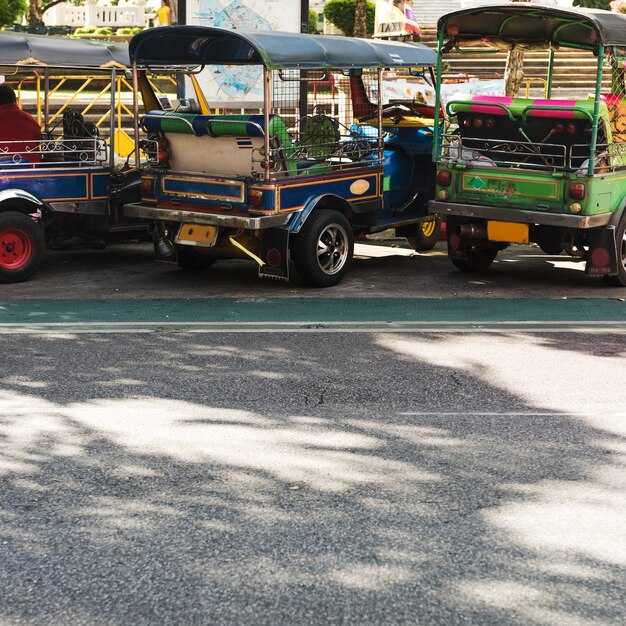
Cash remains king in citys beyond the capital–stay prepared for changes as traffic and times fluctuate, especially around busy times. Local drivers that operate tuks and motos in smaller towns often prefer cash; in contrast, city drivers and those linked to booking platforms may accept cards or digital wallets. If you choose cash, count change carefully and get a receipt; if you pay by card or wallet, ensure the transaction is logged by the app or on the receipt to guarantee a clean back-check.
Be wary of offers outside the official line or any pressure that hints at threats–ak-47 references signal a scam. Either way, stick to established booking methods for a safe, transparent transaction. This approach helps you stay fluent, backed by clear receipts, as you navigate Cambodia’s diverse destinations and the surrounding traffic.
Safe Rides: Pickup Points, Driver Ratings, and Night Travel Precautions
Book only at official taxi stands or through a hotel or reputable booking form, and verify the driver and plate before you enter. For the easiest, smoother ride, choose a service with visible driver ratings and clear payments, preferably international or well-known local providers. Compare offers from areas near your arrival point and use the same app to monitor arrival times and pickup instructions.
Pickup Points and Driver Checks

- Use official stands at airports, bus stations, train stations, shopping centers, and hotel lobbies; these locations are monitored and safer than street hails.
- Inside the city, follow the app’s pickup point and confirm the vehicle plate and driver name before boarding; if anything mismatch, cancel and rebook through the form.
- Compare driver ratings and the number of completed trips. A driver with 100+ trips and an average rating above 4.5 generally offers more consistent service.
- Ask for a clear receipt and choose a payment method shown in the app or on the form–either cashless payments or cash; avoid unusual requests from the driver.
- Be wary of offers to detour to parking lots or private stops; stay with lit, official zones and supervised areas.
Night Travel Precautions
- Plan rides before late hours; travel between well-lit areas and stick to main streets when possible.
- Use location sharing in the app and, if possible, tell a friend or family member your pickup details and expected arrival time.
- Keep valuables secure and out of sight; avoid displaying high-value items and use inner pockets or bags with zippers.
- When a taxi stops or the route seems unusual, request a safe public place to finish the ride or switch to another vehicle from the same service.
- Check the route in the app; if a driver asks to take longer or unfamiliar streets, cancel and choose another option.
- At angkorian-era sites or cultural zones, prefer rides from official stands or hotel desks; wandering into dark lanes increases risk, so stay on main, lit roads.
- Parking near night markets should be in visible, staffed lots or stands; avoid unlit or isolated areas.
- Before paying, confirm the total in the app; if needed, request additional documentation or a printed receipt for your records.
Saving Money: Typical Fares, Route Tips, and Off-Peak Travel
Always check the fare with the driver and confirm the price before you start; if a meter is available, use it to keep costs predictable. Surely, a quick pre-ride check pays off, and right quotes save you confusion in busy streets.
In Phnom Penh, a short hop around the town center near the palace can be 3–6 USD, while rides to the airport or riverfront areas run 12–18 USD depending on traffic. In Siem Reap, transfers from town to the Angkor temples zones typically cost 12–25 USD; early morning trips may drop to 8–12 USD if you share or board a budget-friendly service with a fluent driver who knows the local routes. International travelers often appreciate a straightforward, culture-aware approach from drivers who speak basic English and provide clear service.
Plan routes to popular destinations with a straight line between landmarks; a ride from town to temple zones, or from market hubs to a riverside stroll, stays within similar price bands when you use budget-friendly fleets that have a steady presence. If you’re navigating, ask for landmarks and keep a note of the line you’re boarding, so you can compare options quickly. Surrounded by street life, drivers can offer tips about local culture and must-visit spots along the way.
Travel during off-peak times to save more: early morning hours around 5:30–7:30 and late evening after 9:00 reduce wait and traffic pressure. Midday rides can see price increases due to congestion, so targeting times with lighter traffic helps you reach temples, town centers, and other destinations without delays. This approach makes your day smoother and more predictable.
Always wear a helmet on bikes or motorbikes; check the driver’s service and reviews, and choose a kind, fluent driver who can explain routes clearly. In busy districts surrounded by markets, keep valuables secure and stay aware of traffic patterns. If you’re shooting photos, pause briefly in safe spots to avoid blocking a taxi line or delaying others.
Carry small bills in USD and riel to cover small increases or tolls; many drivers accept both currencies, but you should agree on the exact amount before you start. After the ride, a modest tip for good service is common among budget-friendly travelers who value good presence from drivers and the local culture.
With these tips, you’ll navigate town centers, temples, and markets without overspending while staying safe and flexible for changes in times and routes. If you plan to visit similar destinations across Cambodia, keep a practical fare sense in mind and enjoy the legend of Cambodian hospitality on the road.