

From Rovaniemi to Levi - A Finnish Arctic Journey to the True North

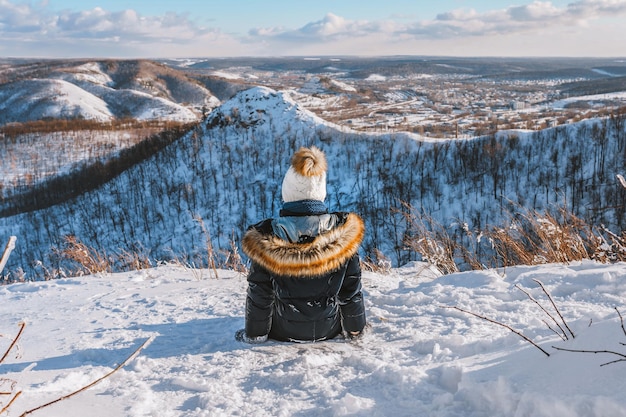
Plan a 3-day loop: fly into Rovaniemi, rent a car, and drive the 170–180 km to Levi, booking your lights tours and a winter activity in advance to ensure availability. This approach keeps your pace steady and avoids long waits in popular spots. The streets of both towns shine under night skies, and early mornings let you start traveling with fresh snow underfoot, making every curve feel cinematic.
Starting in Rovaniemi, head north on the E4 and regional roads for about 2.5–3 hours. The route passes through several small towns and dense forests, and those streets near the highway stay clearly marked even in fresh snow. Levi appears on the horizon with bright lights, signaling the gateway to the resort belt. If you need a quick break, stop in Kemijärvi for cookies and a hot drink; this short reset keeps driving feel very comfortable. For safety, confirm weather and road conditions the evening before and keep a booking confirmation handy.
In Levi, prioritize a winter activity like a snowmobile safari (about 3 hours) and a husky sledding session (2 hours). Booking a bundled package often saves much time and money, and several operators offer pick-up from Levi's center, so you can focus on the experience rather than logistics. Check reviews from those who took the same route to gauge fit, and start contacting the operator ahead of time to confirm equipment sizes and meeting points.
Choose a small, cozy hotel or cabin in Levi for two nights, then return to Rovaniemi or fly out from Kittilä. Availability is good in off-peak weeks, but during school holidays you may want to reserve several weeks ahead. For ease and convenient mornings, pick lodging with on-site dining or a simple breakfast plan; this makes mornings smoother and helps you hit early activities. If you plan in advance, you can ensure the best times for lights viewing and avoid missing the aurora window.
The route concludes with a smooth return to the airport or a short hop to another Arctic base, delivering a crisp mix of urban lights, forest quiet, and wide-open skies. The run ended with a smooth return to the airport, and keep reviews handy and note your preferred activity mix, as those details help future travelers plan similar trips. Remember to bring warm layers, trekking socks, and plenty of cookies, because comfort pays off when the night air dips well below freezing.
Seasonal Window: Optimal Months for Northern Lights, Snow Activities, and Polar Day/Night Balance
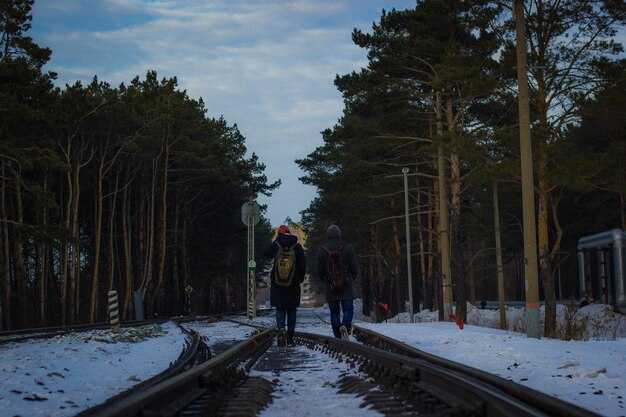
Plan for late February to early March to maximize aurora visibility, reliable snow, and daylight for daytime rides between village stops.
Northern Lights: The best chances occur October through March, with December–February offering the longest dark hours. Pick nights near new moon for the clearest skies and pair your sky-watching with a stop at the arktikum to deepen knowledge of Arctic science and culture.
Snow activities: December through March delivers the most dependable snow for skiing, snowshoeing, and husky safaris. Book a full-day itinerary with inclusions that cover gear, transport, and hot meals. For a balanced plan, aim for a five-day sequence that visits several stops around Levi and Rovaniemi. A knowledgeable guide can adapt the route to your party size and participant needs.
Polar day/night balance: Polar night runs roughly late November to mid-January; polar day appears from late May to mid-July. To combine aurora viewing with daylight, target late February–March or early October, when twilight hours extend sightseeing between rides and meals throughout the day. In these windows you can experience a back-to-back rhythm of stars and sun, with some evenings offering an aurora ride after a sunset stop in the village.
Practical planning tips
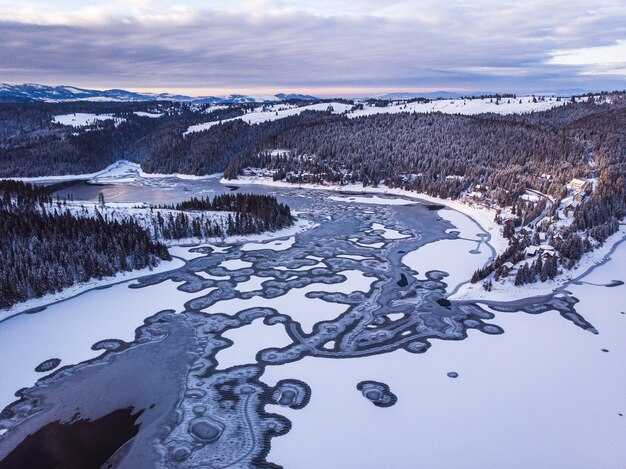
Secure available slots by booking in advance, and monitor cancellations to adjust your plan quickly. Communicate with a knowledgeable team and capture everything; a vegetarian meal at a local restaurant may be part of inclusions. For a participant or group traveling with a friend, you can split costs and confirm payment details early. Check arrivals times and coordinate travel between stops; winter travel may extend transfers, so a full-day plan helps you maximize time. Some tours include safari options or rides through snow-covered valleys; if a ride is canceled, have a backup activity to keep the day busy. Check that equipment is checked and safe, and carry spare layers and a waterproof shell; always have a backup plan in case of closed routes due to weather. Advance planning also helps you secure five distinct experiences in a single trip and avoid last-minute cancellations.
Practical Routes: Getting from Rovaniemi to Levi by Bus, Train, or Car with Schedules
Take the direct bus Rovaniemi → Levi; it’s the simplest, fastest, and most dependable option for most travelers. The arrival is at Levi Center, within easy reach of the resort, restaurants, and rental shops. Tickets typically cost 40–60 EUR and you’ll receive an email confirmation with seat details. If a snowstorm hits, cancellations can occur, but the service reopens as soon as conditions improve, so plan for flexibility and check updates online.
-
Bus Rovaniemi to Levi
- Route and duration: direct service from Rovaniemi Bus Station to Levi Center, through snowy forests; expect about 3h15m–3h45m, arrival at the resort area ready for your adventure.
- Schedule and seats: typically 4–6 departures daily in peak season; confirm exact times on the operator site or Matkahuolto, and choose seats when booking so you sit easily next to the aisle or window.
- Pricing and booking: price usually 40–60 EUR; book online or at the station; payment by card or mobile wallet; you’ll receive an email with your plan and itinerary.
- Tips: bring bottled water and cookies for the road; the stops often offer quick snacks, and you’ll find several restaurants once you arrive in Levi resort.
-
Train plus Bus (Rovaniemi → Kolari → Levi)
- Route and duration: take VR from Rovaniemi to Kolari, then a local bus to Levi; total time generally around 4h–5h depending on transfers and weather through the day.
- Schedule and transfers: trains run a few times per day in winter and spring; transfer time at Kolari station varies, so plan 15–30 minutes for the next bus.
- Pricing and booking: VR tickets 30–70 EUR (depends on class and advance purchase); add a bus ticket of 10–30 EUR; you can combine information from both providers and receive confirmation by email.
- Tips: check cancellations policy ahead of time; if a delay happens, the information provides options to rebook or switch to a direct bus.
-
Car travel Rovaniemi to Levi
- Route and duration: the drive follows the main northbound corridor to Levi, roughly 180 km; long stretches through winter scenery can take about 2h45m–3h15m depending on condition and traffic.
- Weather and condition: winter tires are mandatory; plan for slower speeds and longer braking distances; check road conditions before you leave to avoid surprises.
- Costs and planning: fuel use around 6 L/100 km; at roughly 1.8–2.0 EUR per liter, expect about 20–30 EUR in fuel for this leg; no tolls on the most common routes, but pack a charger, map, and spare warm clothes for stops at the resorts.
- Tips: reserve parking at Levi resort ahead of your arrival; if you’d like to bundle a visit to Santa or a stay at a chalet, coordinate with your chosen resort–they often provide easy check-in and guidance on where to park.
Information sources and practical notes: plan using official pages for the latest schedules, cancellations, and reopens notices. Operators provide up‑to‑date information via their apps or email alerts, which helps you adjust plans if conditions change. If you’re a first-time traveler, ask the user support teams for a quick rundown of the best option based on your dates and luggage; they routinely offer guidance on where to meet the bus, train, or rental desk. For a smooth visit, book seats early, confirm your choice of payment method, and keep a small snack stash–a long ride can be easier with bottled drinks and cookies on hand. If you’re visiting Santa Village on the same trip, confirm the timings so your arrival aligns with your chosen route, and remember that cancellations or delays can happen in harsh weather; having a backup option is worthwhile. This approach makes the journey through Lapland comfortable, and you’ll arrive ready for the next chapter of your Arctic adventure.
Aurora Forecasting: Tools, Tips, and Realistic Nightly Expectations
Check tonight's aurora forecast now and plan to be outside during the core window after 21:00. For a practical chance, aim for a 2–4 hour viewing block when the KP index trends at 3–5 and the winds are calm. Dress in windproof layers, bring heat packs and a thermos, and note local sunset and moon phases to maximize time outdoors.
Tools available to guests include the main sources: NOAA Space Weather Prediction Center and FMI Space Weather forecast, and Aurora Service EU, plus popular mobile apps. These data sources are available across devices, update hourly, and show the KP index, aurora oval location, and cloud cover, helping you check whether last-minute changes to your plan are worthwhile.
Realistic nightly expectations: in clear, dark skies you may glimpse a faint green arc at KP 2–3; brighter curtains appear at KP 5–6 and can stretch across the sky for 20–60 minutes, with occasional red hues at higher latitudes. Most strong displays occur before or after local midnight and hinge on cloud-free conditions; always check a cloud map and be ready to shift to another site if needed.
Logistics for a Finnish Arctic outing: our small, guest-focused offers include great seats on heated transport to remote viewing sites and safari-style routes that pass savitaipale and run along kulkuvuomantie when skies cooperate. We coordinate arrival plans from flights into Rovaniemi or Levi; guests arrive equipped with warm gear and a ready-to-go viewing setup. Spring trips can extend darkness, but you still need a clear night. Cancellations are handled with a flexible policy, gratuities to guides are welcomed, and offers are available to ensure everything you need for a memorable night.
Winter Activities and Safety: Snowmobiling, Sledding, Reindeer Tours, and Gear Recommendations
Plan a door-to-door transfer from Rovaniemi to Levi and book a guided snowmobile safari–the easy way to reach the wilderness with a clear safety briefing and gear included.
Snowmobiling and Sledding: Safety and Timing
- Snowmobiling: Reserve a licensed guide and a vehicle that matches your group size; in temperatures between -15°C and -5°C, wear a base layer, a warm mid-layer, and a windproof outer shell; helmet, gloves, and insulated boots are a must; start with a 60-minute loop on public trails, then extend if you’re comfortable; stay on marked trails and follow the guide's take-off signals and speed limits; keep your pace adaptable to the terrain and your condition, and dont push yourself.
- Sledding: Choose groomed, lit hills near Levi; wear waterproof outerwear and thick socks; helmet is recommended; ride with a buddy and stay on designated lanes; check the equipment for brakes and steering and avoid riders who are underage or inexperienced; keep the run safe and fun for everyone, theres a few kid-friendly runs if you have youngsters; arrive early to avoid crowds.
- Weather and planning: weather can shift quickly; always confirm your schedule with the operator and consider a flexible plan for arrivals and transfers; if a slot cancels, there are options to reschedule or transfer to a later time.
Reindeer Tours, Etiquette, and Gear
- Reindeer Tours: Book with a licensed operator that uses lappish guides; durations typically 60–90 minutes; respect the animals, keep voices low, and never feed unless allowed; stay on the marked path and photograph from a distance; theres a calm, photo-friendly moment at the end when conditions allow; arrival times may shift with weather, so check cancellations policy and options for rescheduling.
- Base layers and layering: base layers made of merino wool or synthetic materials, a warm mid-layer, and a windproof outer shell; adaptable layering helps you handle temperatures swings throughout the day.
- Feet and hands: insulated waterproof boots, thick socks, waterproof gloves, and a spare pair of liners; keep toes and fingers warm between activities.
- Head and eyes: certified helmet, balaclava or neck gaiter, goggles or sunglasses; sunscreen on exposed skin and lip balm for wind exposure.
- Extras and safety: water bottle, energy snacks (cookie), compact first-aid kit, small blanket, and a light headlamp for low-light periods; pack light but complete for door-to-door transfers.
- Safety check and schedules: verify that gear is adjusted to your weight, test brakes and steering, and confirm your guide knows the route; if a day ends early due to conditions, theres an alternative option from your operator; many offers five-star safety records and adaptable itineraries.
Where to Stay: Lodging Options Across Budgets in Rovaniemi and Levi
Choose a centrally located stay in Rovaniemi for a 2night visit to maximize time for tours, because everything you want to do is within easy reach of the centre. Look for properties that include breakfast, free Wi‑Fi, and gear storage, and ask about daily shuttle options that connect to the snowland and tour hubs for a seamless escape to adventure. If you’re coming from abroad, multi‑bed rooms or family apartments help keep costs predictable and cover things you need. You can stay within budget without sacrificing comfort.
Budget-friendly stays and practical tips for small travelers and families
In Rovaniemi, budget options cluster near the centre, with dorm beds from about €25–€40 and private rooms roughly €60–€95 per night; in Levi, budget dorms run around €30–€60 and private rooms around €70–€110. For both, consider multi‑bed rooms or family apartments to keep costs predictable and to support only the essentials when needed.
Choose properties that offer a daily shuttle to the main sights or ski areas, so you stay as much as possible in the action throughout your stay. Look for inclusions like breakfast and a shared kitchen to stretch your budget, and pick a place that suits small travelers, families, and groups alike.
When you browse online, check the inclusions, cancellation terms, and the cookies policy on the booking pages to compare what’s truly included and what’s charged as extras. spring rates can shift, and some places run specials for 2night or longer stays, helping you visit everything you want without paying a premium.
Mid-range to premium stays for groups and longer visits
Mid-range hotels in Rovaniemi offer private rooms or small suites with breakfast and fast Wi‑Fi, typically €100–€180 per night, while Levi sits around €140–€260 depending on location and season. Apartments with kitchens or ski‑in/ski‑out cottages provide flexibility for groups, with options to sleep four to six and access to common spaces. Expect finnish hospitality, practical layouts, and easy access to nature.
For longer stays or larger groups, consider apartment‑hotels or cottages near the centre or slope base, ensuring you have laundry, a kitchenette, and a shared lounge to keep routines easy for daily activities and travel between venues.
Book ahead during peak season, because early planning secures room blocks at friendly rates and keeps you close to shuttle routes that connect back to the centre and key stops, helping families and groups move smoothly through the trip.
Packing and Local Flavors: What to Bring, What to Eat, and Must-Try Dishes in Lapland
Pack a versatile, weatherproof jacket with down insulation and base layers you can easily adjust for temperatures throughout Lapland. An analytical approach helps you tailor a kit, including a compact emergency layer, to fit available options. Because space is limited in carry-ons, use packing cubes and a small daypack. Arrange a transfer from the airport to your centre hotel to start your journey smoothly, and pick a hotel with easy access to sleigh rides and dinner options.
Gratuities are not mandatory in Finland, but in some restaurants a small tip at the end of service is appreciated. Note the seating policy at popular eateries: reserve seats in advance, especially for families and groups, to ensure a comfortable dinner experience throughout your stay. Pick up local snacks or handmade treats at market stalls to enjoy during stops along the way.
What to Pack for Lapland
| Item | Why it matters | Notes |
|---|---|---|
| Thermal base layers | Keep warmth without bulk | Merino or synthetic; easy to wash |
| Insulated mid-layer | Adds warmth when temps drop | Fleece or lightweight down |
| Waterproof outer shell | Repels wind and snow | GORE-TEX or similar; hood |
| Waterproof boots with grip | Traction on slippery surfaces | Warm lining; ensure proper ankle support |
| Wool socks (3–5 pairs) | Thermal comfort on long days | Dry between stops |
| Hat, gloves, scarf | Critical warmth | Layer for dexterity; bring spare pair |
| Daypack (20–30L) | Carry essentials on excursions | Include snacks and water |
| Power bank and charging adapters | Keep devices ready for photos | Check capacity; USB-C preferred |
| Travel-sized first aid and lip balm | Comfort and safety on trails | Blister plasters, antiseptic wipes |
Local Flavors and Must-Try Dishes
Local staples center on game and river fish, with poronkäristys and lohikeitto leading the way. Poronkäristys features slow-braised reindeer with potatoes and lingonberries, offering a robust, savory note that pairs well with rye bread. Lohikeitto, a creamy salmon soup, warms you after a day outdoors and is commonly served with dill.
Arctic char appears grilled or smoked, delivering a mild sweetness and a buttery texture; a squeeze of lemon and fresh herbs enhances the finish. For dessert, cloudberries appear in jams, tarts, and ice cream, delivering tart-sweet contrasts that refresh the palate. If alcohol is on the menu, you may encounter cloudberry liqueur or mulled wine; otherwise, hot berry juice or herbal tea provides a non-alcohol option. Throughout your journey, centres and lodge restaurants accommodate families with kid-friendly portions and early dinner seats, ensuring a smooth dining experience and comfortable seats after a long day of exploration.


