
Mochilero francés opta por hacer autostop en lugar de viajar en avión para explorar el mundo
Visión general
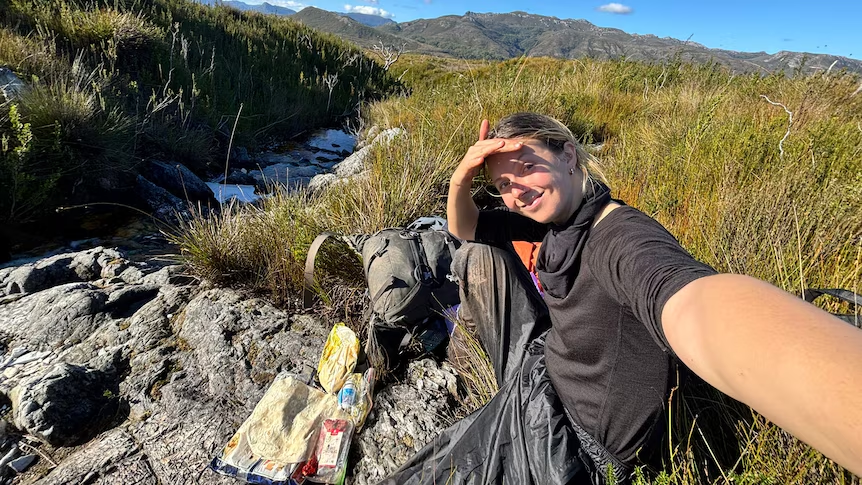
Una mochilera francesa se ha embarcado en un viaje extraordinario alrededor del mundo, optando por hacer autostop en lugar de volar, todo en nombre de la protección del medio ambiente. Esta aventura destaca no solo su compromiso con los viajes sostenibles, sino que también crea conciencia sobre la huella de carbono del turismo.
Viaje En Curso
La mochilera Juliette Hamon ha asumido una tarea que muchos considerarían imposible: recorrer decenas de miles de kilómetros sin subir a un solo avión. En los últimos tres años, se ha abierto camino desde la bulliciosa París a través de varios países, incluidos Rusia, Uzbekistán, India y China, y finalmente ha aterrizado en el extenso interior de Australia después de conseguir un viaje en barco desde Indonesia a Darwin.
"Living a fast-paced corporate life in Paris didn’t resonate with me," she remarked about her decision to pursue this unconventional method of travel. "I’ve always dreamt of visiting Australia, but the environmental impact of aviation is significant. So, a few years back, I made the decision to stop flying altogether."
Hamon's journey through Australia has taken her from the arid landscapes of Darwin to the lush rainforests of Tasmania, and she plans to continue this quest for another three years until she makes her way back to her family in France. "I've already found my next ride—my plan is to sail to America," she added.
La Perspectiva Ambiental
During her travels, Hamon became acutely aware of the environmental implications of air travel, particularly during the COVID-19 pandemic. Discussions regarding transportation's environmental impact became commonplace within her social circles back in Paris. According to recent studies, emissions from the tourism sector grew by 40% over the last decade, accounting for nearly 10% of global greenhouse gases. Worryingly, it’s projected that these figures may double in the next two decades, challenging sustainability goals significantly.
Citando un estudio dirigido por la Universidad de Queensland, Hamon señaló que los viajes aéreos son responsables de más de la mitad de todas las emisiones directas del turismo, un hallazgo que la motivó a realizar un cambio.
Un viaje accidentado
Hamon has chronicled her experiences on social media, often relying on the kindness of locals to continue her travels. "I often ask people for their recommendations because they know their regions far better than I do," she said. However, her hitchhiking journey hasn’t been without its risks; she shared a harrowing experience when the vehicle she was in overturned three times on the Gibb River Road in Western Australia.
“Casi llegábamos a Derby cuando el conductor intentó evitar un obstáculo, lo que provocó el vuelco”, explicó. A pesar de la aterradora experiencia y el coche dañado, no hubo heridos, un golpe de suerte por el que está agradecida. Hamon reconoció que su viaje en solitario ha hecho que otros se sientan aprensivos; a menudo, la gente expresa preocupación por su seguridad, especialmente con respecto a los accidentes automovilísticos, que estadísticamente son más peligrosos que hacer autostop en sí.
Impacto en la cultura del viaje
Esta aventura de Hamon sirve como punto de partida para conversar sobre el cambiante panorama de los viajes y su impacto medioambiental. A medida que los viajeros siguen sopesando sus opciones de transporte, las empresas especializadas en taxis y traslados, como GetTransfer.com, pueden desempeñar un papel fundamental en la provisión de opciones de viaje sostenibles. La flexibilidad de elegir vehículos específicos y conocer sus detalles de antemano se alinea bien con los objetivos de un viaje más ecológico, lo que ayuda a los usuarios a tomar decisiones informadas.
Principales conclusiones
- Conciencia ambiental: Mayor énfasis en el impacto de los viajes aéreos en el clima.
- Opciones Sostenibles para Viajar: Interés creciente en el autoestop y el transporte terrestre en lugar de los vuelos.
- Desafíos de viajar solo: Los riesgos son inherentes; las recomendaciones comunitarias pueden mejorar la seguridad.
Conclusion
Juliette Hamon's journey reflects a growing trend of consciousness among travelers regarding their carbon footprints. As individuals seek to minimize their environmental impact, opting for alternative transport like hitchhiking or booking tailored transfer services can be a fantastic compromise. Through platforms like GetTransfer.com, users can book rides that suit their needs while enjoying the dual benefits of transparency and convenience. This empowers travelers to make the most informed decisions without breaking the bank on unnecessary fares.
Even though personal experiences tell a story that statistics sometimes can't capture, the importance of convenience, affordability, and a wide array of vehicle options offered by GetTransfer.com cannot be overstated. Start planning your next adventure and secure your worldwide transfer with GetTransfer. Book your ride now to ensure you have choices that fit your travel style. GetTransfer.com


