



 Español
  English (UK)
  Русский
  العربية
  日本語
日本語  한국어
한국어  Magyar
  Türkçe
  Čeština
  Svenska
  Português
  Ελληνικά
  Suomi
Suomi  Nederlands
  Română
  Italiano
  Français
  Polski
  Українська
  Deutsch
  简体中文
简体中文  Slovenčina
  Easy Arrivals at Jose Marti International Airport, Havana, Cuba">

Recommendation: Book an official airport transfer in advance; a pre-booked taxi or private shuttle will be waiting in the arrivals hall, without on-site haggling, and you will reach your hotel quickly. Look for the official desk or the taxi stand near the arrivals area to confirm your booking with the driver from the airlines you flew with.
At immigration, keep your passport, tourist card if required, and vaccination certificates ready if your itinerary demands them. While lines are shorter in the morning, plan for 15-30 minutes and follow the clear signs to the correct lanes.
After immigration, proceed to baggage claim and follow the signs to the correct carousel. If anything is missing, report it at the baggage desk. Most bags arrive within 15-25 minutes, though some flights experience delays up to 40 minutes. If items have been taken by mistake, escalate at the desk.
Getting to the city is straightforward with official taxis or pre-booked transfers. A typical fare to central Havana sits around 25-30 USD, and the ride takes about 25-35 minutes depending on traffic. If you book in advance, you can pay the driver by cash or card, and airlines often provide recommended options as part of your booking, which has been updated this year.
On-site options include the official taxi desk and city maps, plus basic connectivity in the arrivals hall. Use the on-site desks to compare rates and look for a driver who has your name clearly displayed. This setup helps you move quickly to your transport without surprises.
Health and safety notes: vaccination status may matter depending on your origin country; check the latest requirements with your airlines before travel, and keep digital or paper copies handy. Some policies echo the trump era; rules can change, so always verify with your airline, because it depends on your itinerary and origin.
For convenience and a touch of lujo, consider a private transfer or lounge access offered by some airlines. A pre-booked option guarantees a comfortable ride and predictable timing, and you can upgrade to a premium car if your booking includes it.
Connecting flights or onward travel: keep your booking numbers handy and, if you need to rebook again, confirm rebooking options at the arrivals desk. Most desks can adjust booking details and re-route you quickly, depending on availability.
Final quick tip: signs are available in multiple languages, and most staff speak enough English to help you with directions. After you exit the terminal, you’ll find a range of options that fit any budget and lujo preference.
What to Print and Pack for a Fast Arrival Experience
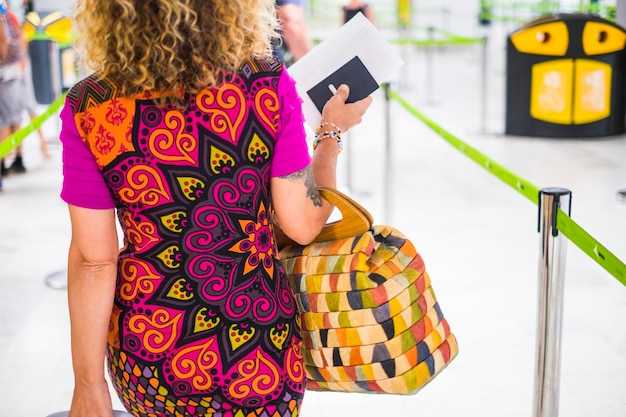
Print a single arrivals checklist and keep it in your carry-on so you can move across the terminal with speed at the point of entry in a modern setting.
Print essentials
Print onto standard paper the items you will need at the lines and at the point where you present documents. Include your passport data page, visa or entry paperwork, hotel confirmation (paid), a printed itinerary, and proof of any required vaccination. Add currency notes and a page with money details, including costs and how you plan to pay. Keep these in a clearly labeled folder as part of your kit, yours to access quickly. If your airline is Aerocaribbean, the same prints apply; without Aerocaribbean you still use this standard set. Printouts should be crisp and legible to speed verification. This approach works for different airline policies.
Pack smart in carry-on
Pack a compact kit with essential items to move through security and onto the flight with minimal delays. Include copies of the same documents printed above, in case a scan fails. Keep one set accessible in an outer pocket for the airline check or health desk, which helps guided checks go faster. Bring a small amount of currency for immediate costs on arrival, plus a card for cashless payments. Bring a pen for forms, a charger for your device, and a simple paper map or offline map of the terminal to help you find where to go next. Pick a bag that meets standard carry-on size to streamline the process and avoid paid check-in steps. If you fly Aerocaribbean, apply the same packing logic; the deal remains straightforward across carriers. Remember your wallet, IDs, and proof of vaccination if required.
Step-by-Step Immigration and Customs Process on Arrival
Follow these steps immediately on arrival to clear immigration smoothly.
In the central hall of Jose Marti International Airport, expect clear signage and dedicated counters. Move with the flow toward the bridge that connects the plane to the terminal, and keep your documents ready. thats why preparation matters for a quick start. We recommend keeping digital copies on your phone and bringing originals to speed the check.
What you want to have ready: passport, visa, arrival card, and any required health or travel documents. Depending on your status, you may also need consent for minors if traveling with childrens. Passports should be valid for the duration of your stay.
If some forms can be completed online, you can finish them online before you fly; otherwise you complete forms at the desk after you land.
Slots for service vary by hour. Approximately 20–40 minutes is typical at busy times, with longer waits on peak days. The process is common for first-time visitors, so stay calm and follow directions.
After immigration, follow the signs to the bridge leading to the baggage claim and the exit. Pass through any final checkpoints if required, then proceed into the arrivals area.
For car rental or other services, visit the HavanaAutos desk near the arrivals area; you can pick a vehicle and sign the rental agreement at the office.
Common tips: keep the receipts and stay near the counters to avoid confusion; many travelers find it helpful to ask staff for directions and recommended services.
| Step | What to do | Tips |
|---|---|---|
| Step 1: Immigration | Present your passport, visa, and arrival card at the central counters; answer questions concisely; pass through any biometric checks; sign the form if asked; accept the stamp. | Expect lines; slots vary by time; keep your travel party together; have copies ready. |
| Step 2: Customs | Proceed to the green channel if you have nothing to declare; use the red channel only for items you must declare. Show receipts for items and declare anything you are unsure about. | Common exception: personal items are usually allowed; if in doubt, declare to avoid fines. |
| Step 3: Exit to Arrivals | Follow the bridge signs to baggage claim and the exit; collect bags if needed and proceed toward the arrivals corridor. | Keep your passport and receipts accessible; this minimizes delays at the exit. |
| Step 4: Transportation | If you want a rental car, visit the HavanaAutos desk near the arrivals area; complete the rental paperwork at the office and pick up your vehicle after clearance. | Car pickup slots can be limited during peak hours; consider booking in advance if possible. |
| Step 5: Family Support | For childrens and accompanying adults, have minor-related documents ready; if manuela is traveling as a minor, ensure consent letters if required. | Ask staff for directions to SIM cards or local transport; many families find the information desk helpful. |
Where to Exchange Currency and What to Expect Rates
Begin at the CADECA desk in the arrivals area to exchange money quickly and safely. This casa de Cambio is the official form you’ll use at José Martí International Airport, known to travelers as CADECA. Look for the door with CADECA signage just after you exit baggage claim; the desk sits along the main corridor where signs guide travelers.
When you approach, the agent will explain the current rate and how much you want to exchange. Rates are posted on a bright board inside the office and on rate sheets; always confirm the rate before handing over cash. If staff ask for a declaration or ID, comply, and keep the receipt for your records.
Americans should be aware that you may see stricter checks and different treatment at some desks, especially if you carry larger amounts. For travelers, it’s common to exchange a modest amount now and save the rest for later if needed. The desk handles several currencies, but EUR and other options can offer better value, depending on the day.
What to expect about rates: the board can seem to shift quickly as supply changes, so it’s wise to compare two or three CADECA desks if time allows. The rate you see now is likely to change within minutes; if you’re staying near Martí, exchange a small amount first and decide whether to swap more after you’ve seen the current quote.
Other nearby options include the etecsa office for internet access or SIM cards, which helps you check rates online before you travel onward. Travelors can use the internet to compare what you’re offered at the desk with nearby boards; this helps you plan your transport and daily expenses with clarity.
After exchange, use official transport options for your next stop and avoid street exchangers that offer suspiciously high or low rates. Always count the cash and store the receipt. If you carry more than a threshold, be prepared for the declaration process at customs–this step is separate from the currency desk and may require you to show funds. In some cases, testing or verification steps appear at the airport; staying informed helps you navigate smoothly. Always keep your documents handy, and remember that this system includes a predictable workflow that minimizes surprises for Americans and other travelers alike.
Best Ground Transportation Options at Arrival Hall
Take the licensed taxi from the official desk in the arrivals hall; set the fixed-rate before you ride and confirm the drop-off point. The driver will greet you with a sign and guide you onto the street, helping load luggage into a clean, well-maintained car. If you’re traveling with friends, sharing the ride keeps costs reasonable and gets you to your area faster after customs. whats next after you land? Choose the option that matches your plans: taxi, private transfer, or rental car.
Health checks happen quickly, and the transport area is straightforward to navigate. theres a duty-free corner just outside the arrivals space for exchanging money to cover tips or snacks for the road. Think about what you want to do in Havana and how long you’ll stay on the island.
Official taxis and private transfers
- Official taxis: fixed-rate transfers to central Havana, Vedado, Miramar or Old Havana; driver meets you at the desk, payment can be made at the desk or in the car, and you’ll likely arrive 25–45 minutes after landing depending on traffic; drop-off is at your hotel or chosen address.
- Private pre-arranged transfers: arrange with your hotel or trusted operator; the driver waits at the arrivals area with a name sign and takes you directly to your hotel or chosen drop-off point; price is agreed upfront, no haggling needed.
- Car rental counters: for self-drive adventures; check the vehicle condition before leaving the lot, confirm fuel level and insurance coverage, and have a clear route plan ready.
Shuttle options, buses and practical tips
- Airport shuttles and hotel shuttles: shared van routes to major districts; confirm pickup times in advance and whether seats are paid or free; some hotels offer complimentary pickup if you book ahead.
- Public transport and long-haul buses: Viazul and other lines connect HAV with major towns; use this option if you want to save money and have time for island adventures; you’ll need to go to the bus terminal after you exit the arrivals area.
- What to prepare: have your hotel name or address written clearly, keep some cash ready for tips and small purchases, and carry a light layer since some cars can be cold inside after the flight; consider your health and share your plan with friends so they know where you’ll be.
Wi-Fi, SIM Cards, and Internet Access on Day One
Grab a Cuban SIM at the airport kiosk for instant connectivity on day one. This island is convenient for travelers who want to stay online as soon as you entered the country. After customs, head to the ETECSA counter near the arrivals hall and compare data options between a 3 GB and a 5 GB plan. Insert the SIM into your phone and activate it with the staff’s help. Look for the cupkm code on the packaging to confirm the right plan; keep your passport in hand for registration. With this setup, your flight into Havana and your first ride to accommodations starts with a solid connection rather than nothing.
Wi-Fi in Cuba relies on public hotspots and hotel networks. Plus, using a local data plan is convenient for day one to handle maps, ride apps, and quick messaging. Public Wi-Fi zones are common at hotels and tourist centers; log in with the number you just activated or with a portal prompt. The look and feel of the login page is pretty straightforward, and you can always switch to your SIM data if the hotspot is slow. If your accommodations provide Wi‑Fi, you can keep the data active for on‑the‑go use between rooms.
Prices are shown in USD day terms (usdday) at kiosks and in shops. A 3 GB daily package commonly costs around 10-15 USD, with larger bundles available. Some counters add a small activation fee, which you can confirm by asking for a printed statement. If something wasnt clear, ask for the last things before you confirm; keep the receipt for your records. Nothing beats having a clear price before you proceed, so you stay in control of your budget.
Tip: carry a compact offline map and write down your accommodations’ address. Prepare to switch between Wi‑Fi and your data plan as you move between neighborhoods or leaving the airport. The article on arrivals suggests you start day one with a plan, your code, and a grip on price; this helps you stay connected while you explore. If things feel uncertain, ask staff, and your own experience will be smoother. Yours will include a comfortable sense of being online when you need it.
Tips to Speed Through Baggage Claim and Exit
Attach a bright tag to each bag and keep a compact form with your name, flight, hotels, and emergency contact in your wallet. This helps you spot your bags on the belt and speeds pickup, letting you pass them to staff if needed and stride toward the front exit during busy times around usdday. Knowing the layout of the claim area helps you stay efficient, especially when belts are filled and the flow is slow.
Fast belt tactics
Check the monitors for your flight and baggage claim number, then move to the matching carousel. Keep all items in one carry bag when possible, so you can grab everything in one motion and avoid extra picking steps. Have your cards and the transportation form ready for the exit desk. If you travel with others, assign one person to watch the bags while the rest grab a trolley or shuttle, so you stay together. If you bought luxury goods or duty-free items, keep them separate and easily accessible for staff checks. This approach works even with crowded crowds and around peak times.
Exit strategy and onward
Outside, compare transportation options to hotels: shuttle, taxi, or rental car. If the forecast includes cold wind, keep a light jacket ready for the walk to the vehicle. Use the front curb to minimize walking and locate pickup points between terminals. On usdday, plan trip times to avoid long waits. Travel together and you reach your destination faster with less stress, fueling adventures of your Cuba trip and making the overall experience smoother than you expected.
Safety, Scams to Avoid, and Local Etiquette for New Visitors
Plan your first check-in and taxis in advance, and choose official transfers at Jose Marti International Airport to avoid delays.
Stay in public areas and keep your paper and passport secure. When you arrive, head to the official taxi desk or your hotel shuttle; the public queues at the terminal are clearly marked. In the four areas around the arrivals zone, you can find a safe path; wait for staff guidance. Expect routine testing and bag checks as you pass through security.
Scams to avoid include surprise charges for bags, or drivers who ask you to prepay for routes. Do not accept extra fees or documents that look unofficial. Always check-in at the airlines desks or hotel front to confirm your fare, and insist on a paper receipt. If you arrived from another area and someone offers help with your luggage for cash, deny and use the official services instead.
From Miami, greet people with a simple hola and buenos días; locals appreciate a friendly tone. When a visitor comes from Miami, they may expect a brisk pace; adapt by listening for cues and following direction. Some visitors travel with family groups. On this island, show respect in private spaces and ask before photographing. If youre visiting home stays or guesthouses, follow the host’s rules and check in with the owner about areas you may visit. In public, keep voices down, drive cautiously in traffic, and tip small amounts after you complete a service; taxis, restaurants, and hotel staff all welcome thoughtful appreciation. If youre current travel plans include a visit to four neighborhoods, you can rely on locals for directions and support.
Comentarios