Hungary on a Budget: Your Ultimate Guide

Hungary on a Shoestring: Your Guide to Budget Travel
Hungary, a land of thermal baths, stunning architecture, and delicious cuisine, is surprisingly accessible even on a tight budget. From bustling Budapest to the serene Lake Balaton, this guide will equip you with the knowledge to explore Hungary without emptying your wallet. We'll cover transport hacks, cheap accommodation options, and local tips to make your trip unforgettable.
Mastering Hungarian Transportation on a Budget
Getting around Hungary doesn't have to be expensive. Here's how to navigate the country efficiently and affordably:
Public Transport Within Cities
Budapest boasts an excellent public transportation system, including buses, trams, trolleybuses, and a metro. A single ticket costs around 350 HUF (approximately €0.90), but for longer stays, consider purchasing a travel card. A 24-hour travel card costs around 1650 HUF (€4.25), while a 72-hour card is around 4150 HUF (€10.70). These cards offer unlimited travel within the city limits. Always validate your ticket before boarding to avoid fines.
Train Travel Between Cities
The Hungarian State Railways (MÁV) offers a comprehensive network connecting major cities and smaller towns. Booking tickets in advance online, especially for popular routes like Budapest to Lake Balaton, can often secure cheaper fares. Look for 'Spar tickets' or discounted fares available on the MÁV website. For example, a ticket from Budapest to Pécs without discounts usually costs around 5000 HUF (€13), but with a Spar ticket, you might find it for under 3000 HUF (€8). Be aware that the journey may take 2-3 hours depending on the stops and train type.
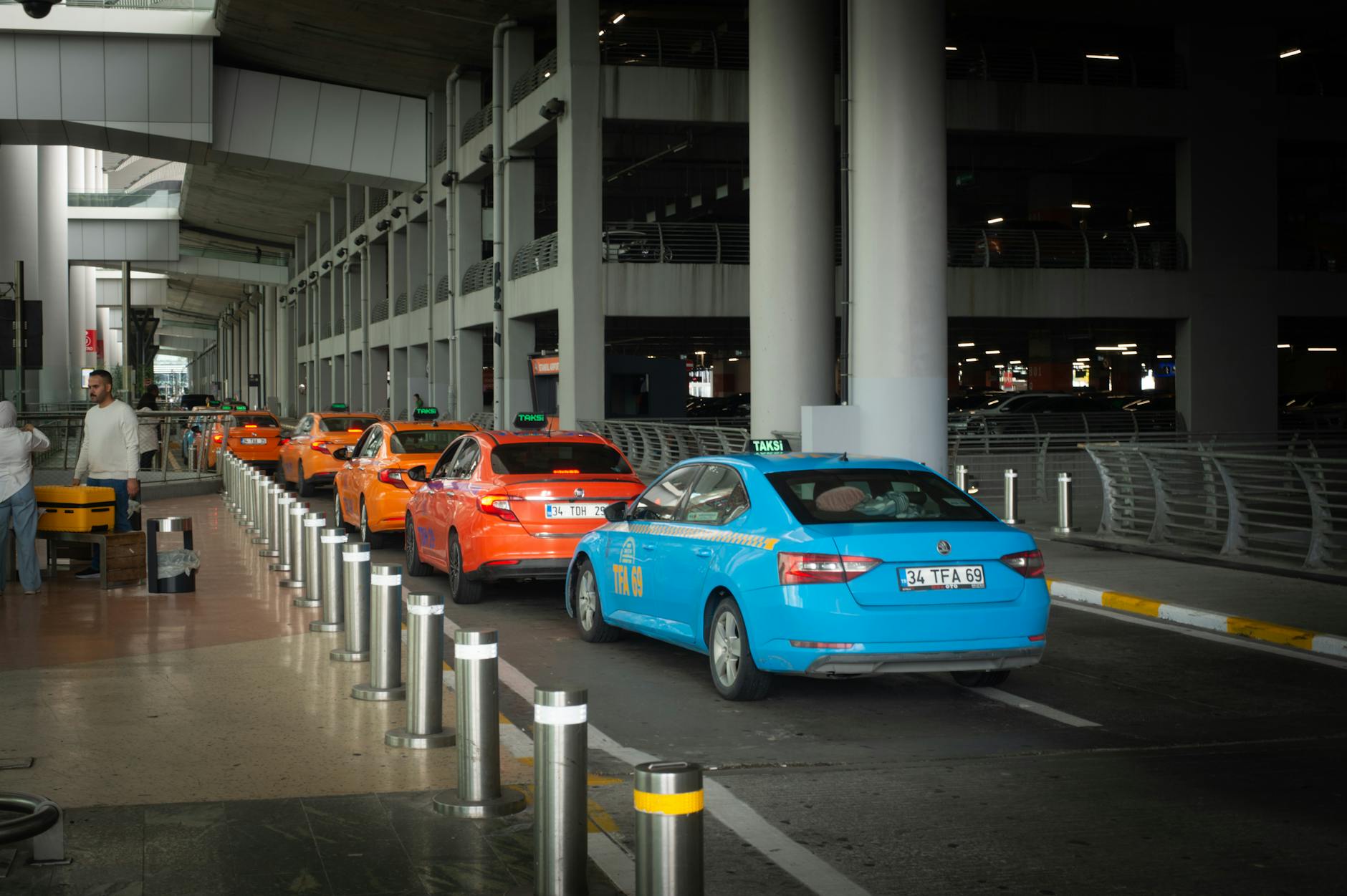
For a more convenient and personalized experience, especially when traveling with luggage or in a group, consider pre-booking airport transfers or city-to-city transfers. Services like GetTransfer.com offer a range of vehicle options, and pre-booking ensures a fixed price and avoids potential taxi scams.
Bus Travel
Volánbusz provides an extensive network covering areas not easily accessible by train. Bus travel is often slightly cheaper than train travel but may take longer. Check the Volánbusz website for schedules and fares. A bus from Budapest to Eger, for example, might cost around 3500 HUF (€9) and take approximately 1 hour and 45 minutes.
Pro Tip: Download the MÁV and Volánbusz apps for real-time schedules, ticket purchasing, and service updates. Using the BudapestGO app helps navigate public transport in Budapest.
Affordable Accommodation: Where to Stay on a Budget
Finding budget-friendly accommodation is crucial for saving money. Here are some options:
Hostels
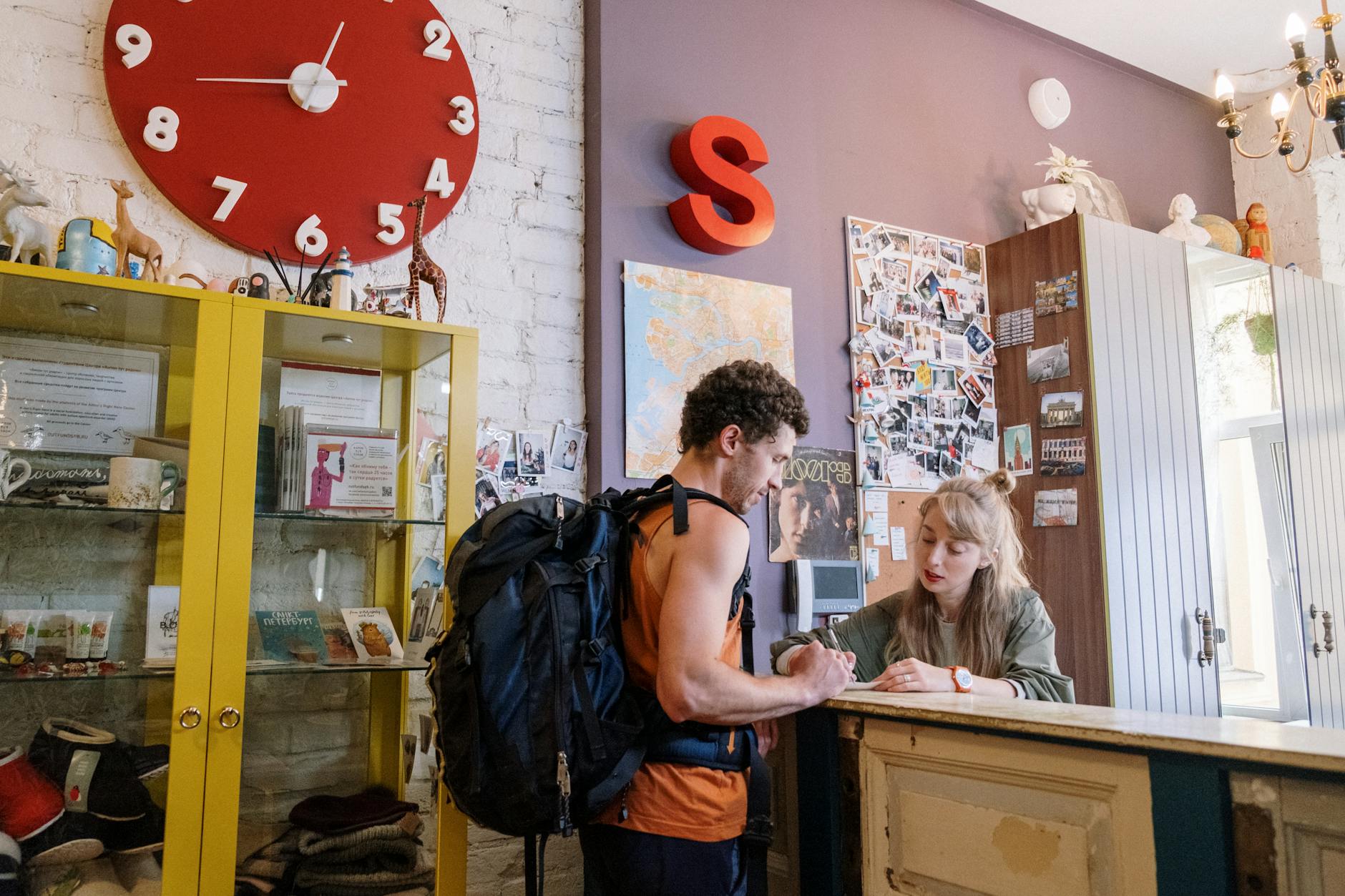
Hostels are the most budget-friendly option, especially for solo travelers. A dorm bed in Budapest can cost as little as 3000 HUF (€8) per night. Many hostels also offer private rooms at reasonable prices. Look for hostels with kitchen facilities to save money on food.
Guesthouses and Pensions
Guesthouses and pensions offer a more private experience at a slightly higher price. Expect to pay around 8000-15000 HUF (€20-€40) per night for a double room. These are often family-run and offer a more personal touch.
Airbnb
Airbnb can be a good option, especially for groups or families. You can find apartments and rooms for rent at varying price points. Look for apartments outside the city center for better deals. Prices can start from around 10,000 HUF (€25) per night.
Camping
For the adventurous traveler, camping is a great option, especially during the warmer months. Campsites are available near Lake Balaton and other popular destinations. Prices vary but are typically around 2000-4000 HUF (€5-€10) per person per night.
Pro Tip: Book your accommodation in advance, especially during peak season (summer and Christmas markets), to secure the best deals. Consider staying slightly outside the city center, as prices are generally lower.
Accommodation Comparison Table
| Accommodation Type | Price per Night (Approx.) | Pros | Cons |
|---|---|---|---|
| Hostel (Dorm) | 3000-6000 HUF (€8-€15) | Budget-friendly, social atmosphere | Less privacy, shared facilities |
| Guesthouse/Pension | 8000-15000 HUF (€20-€40) | More privacy, often family-run | Slightly more expensive |
| Airbnb | 10000+ HUF (€25+) | More space, kitchen facilities | Can be unpredictable, cleaning fees |
| Camping | 2000-4000 HUF (€5-€10) | Very budget-friendly, outdoors | Limited facilities, weather-dependent |
Local Hacks for Saving Money in Hungary
Beyond transport and accommodation, these local tips will help you stretch your budget further:
Eat Like a Local
Avoid tourist traps and eat where the locals eat. Look for 'kiszolgáló' restaurants, which are often more affordable. Try traditional Hungarian dishes like goulash, chicken paprikash, and lángos from local food stalls. Food markets like the Great Market Hall in Budapest offer delicious and affordable options.
Drink Smart
Drinking can quickly add up. Happy hour deals are common, so take advantage of them. Also, Hungarian wine is surprisingly affordable and delicious. Explore local wineries for wine tasting experiences.
Free Activities
Hungary offers plenty of free activities. Explore Budapest's parks, walk along the Danube River, and visit free museums and attractions on their designated free days (check the official websites for schedules). Many cities also offer free walking tours.
Utilize Free Wi-Fi
Take advantage of free Wi-Fi hotspots at cafes, libraries, and public spaces to avoid data roaming charges. Download offline maps and translation apps to help you navigate and communicate.
Learn Basic Hungarian Phrases
Learning a few basic Hungarian phrases will not only impress locals but may also help you get better deals. Knowing how to say 'hello,' 'thank you,' and 'how much does it cost?' can go a long way.
Pro Tip: Look for menus with daily specials (napi menü) at lunchtime, which often offer a complete meal at a discounted price.
What is the Best Way to Exchange Currency in Hungary?
Exchanging currency at official exchange bureaus (váltó) is generally recommended over exchanging at the airport, where rates are often less favorable. Compare rates at different bureaus before exchanging your money. Using your debit or credit card for purchases can also be a good option, but be aware of potential foreign transaction fees. Consider opening a bank account with no foreign transaction fees before your trip. Revolut and Wise have become popular choices for travelers to avoid traditional bank fees.
Is Budapest Really an Affordable European Capital?
Yes, Budapest is considered one of the most affordable capital cities in Europe. Compared to other major European cities like Paris or London, Budapest offers significantly lower prices for accommodation, food, and transportation. Of course, prices can fluctuate depending on the season and the specific area you are visiting, but overall, it remains a budget-friendly destination. By following the tips in this guide, you can enjoy a fantastic trip to Budapest without overspending.