



 Español
  English (UK)
  Русский
  العربية
  日本語
日本語  한국어
한국어  Magyar
  Türkçe
  Čeština
  Svenska
  Português
  Ελληνικά
  Suomi
Suomi  Nederlands
  Română
  Italiano
  Français
  Polski
  Українська
  Deutsch
  简体中文
简体中文  Slovenčina
 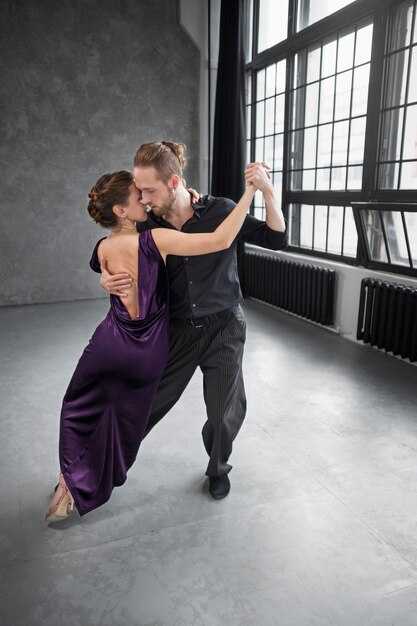 Best Tango Show in Buenos Aires – Top Tango Performances & Tips">

Best pick: Madero Tango in Puerto Madero offers a complete evening made for travelers who want value and flair. The dinner + 90-minute show is priced around US$120-180 per person, with options for wine pairings and a lujo VIP area. Watch the stage lights intensify as the dancers move in sync, giving you a moment that feels both staged and spontaneous. Plan to arrive early to stroll along the Puerto Madero waterfront, and book the 20:30 or 22:00 slot to avoid crowds. The market outside can be lively before the performance, with güemes street nearby. This option is the easiest entry point for first-time visitors who want a polished entertainment experience while staying in the center of fashion and nightlife.
Cozy alternative: El Querandó in San Telmo provides an intimate feel with a 60-70 minute show and a menu that pairs with a glass of Malbec. The venue’s cozy cabaret vibe makes it easy to focus on the performers, and the lights are kept warm to highlight footwork without glare. If you want a surprise moment, check for a late encore; they sometimes weave a short song into the close. The market area around the plaza is worth a stroll before or after, and madero is only a short ride away for a post-show drink. Tickets run roughly US$60-110, making this a strong choice for travelers seeking entertainment at a friendly price.
Iconic experience: Esquina Carlos Gardel offers a polished, larger-scale show with a live quartet, a dedicated stage, and lights that sweep the room. Dentro this space, watch the precision of the dance and the small improvisations that the troupe uses to connect with the audience. Reserve a lujo table by the window to catch the skyline, and choose a dinner package that includes dessert. The market vibe around the theater adds flavor: street musicians, stalls, and gems of Argentinian wines after the show. Some nights include a short surprise encore, so stay to the final bow over the last note.
Planning tips for a smooth night give you a practical list to follow that reduces stress and improves your experience. Book two to four weeks ahead for weekends; opt for midweek slots to avoid crowds. For lujo seating, choose VIP or private lounge; for a more cozy vibe, pick smaller rooms like El Querandó. If you want entertainment without a heavy dinner, look for stand-alone show tickets around US$40-70; if you price-in a dinner, expect around US$60-110 extra. Use transit options from your hotel to Puerto Madero or San Telmo; many venues provide affordable shuttle service, making the ride comfortable and quick. Arrive 15 minutes before the show to settle in, and allow time afterward to walk under the streetlights and reflect on what you saw – a moment to savor and share with others.
Identify signs of an authentic traditional tango show vs. a tourist-focused performance
Recommendation: Favor shows with a live ensemble, a historic venue, and a program grounded in tango heritage. Includes a full sequence of traditional numbers, a dedicated dancer roster, and a focus on craft rather than spectacle.
Located in a historic district or near caminito, the venue should feel part of the city’s living culture. The candlelit ambiance and chandeliers signal care for atmosphere as part of the art. Signs that the show is recognized by local tango communities include mentions of querandi and homero in the program or in the venue’s history notes. If pre-show options are offered, such as classes or sessions, you gain a taste of the craft before the main time. The right experience stays within the tradition and makes you stay longer and explore more gems of Buenos Aires tango.
What signals authenticity
Authentic shows feature a fully staged program that balances right technical precision with expressive storytelling. The dancer and the musicians interact within the music, not as separate gimmicks. The lineup includes a bandoneón, piano, bass, violin, and a lead dancer who delivers memorable solos while respecting the rhythm. The set, lighting, and costumes look historic, and the pacing respects the tempo of tango, allowing a candlelit finale that feels earned. Early cues of mastery appear in crisp footwork and clear musicality, and the stage is signed with care by the performers and crew.
Gems of true tango emerge in the details: a signature cue that reflects the era, context notes between numbers, and a sense that the show is part of a broader culture rather than a standalone performance. If the venue is located in a historic quarter and offers warm service, you’ll feel the difference between being entertained and being swept into an enduring tradition. The audience leaves with a sense of having witnessed something genuine, not simply a glossy tourism moment.
What signals tourist-focused
A tourist-focused show tends to aim for quick impact. The set may be shorter, the choreography repetitive, and the narrative built around spectacle rather than craft. Songs, lighting, and costumes are designed to wow for photos and social posts, sometimes at the expense of musical depth. You’ll often see sales prompts, packaged add-ons, and a push to stay for a post-show photo with a dancer. That approach tends to look more touristy than rooted in history.
These performances frequently sit along busy tourist corridors, near caminito in storefront locations or hotel lobbies, and may skip pre-show sessions or classes or treat them as marketing add-ons. If a venue prioritizes a glossy surface over the substance of the music, dance, and history, avoid it. Seek instead a space that offers time-tested pieces, attentive service, and a clear respect for the roots of tango. The difference is the depth you can feel in every step and breath, not just the shine on the stage.
Top venues in Buenos Aires for traditional tango shows and what sets them apart
El Querandí in San Telmo delivers a traditional, intimate night with passionate tangos in a vintage tenement setting, a strong start for anyone seeking authentic Buenos Aires flavor.
-
El Querandí – San Telmo
Why it stands out: a long-standing venue focused on traditional tango, with a compact stage and a warm, brick-and-wood interior that feels like a living room from another era. Shows start around 9 pm and run about two hours, with Saturdays drawing the strongest crowds from locals and tourist-oriented visitors alike. Front-row seating lets you feel every step, while nearby restaurants and a wine-friendly bar scene provide a full evening out. The program sticks to classic tangos, though occasional contemporary touches appear, and the atmosphere is ideal for couples and small groups seeking an authentic, intimate feel.
-
Café de los Angelitos – Balcarce area
What sets it apart: a legendary café that doubles as a stage for a polished traditional show with a refined vibe and a large, well-lit stage. Expect a robust lineup of tangos performed by seasoned dancers and a live band; Saturdays are peak nights with a festive mood. After the performance, you can wander to nearby areas and choose from several restaurants or a wine list at the venue. It’s a favorite for visitors seeking grand theater alongside a classic Argentine tango night called Argentinas heritage.
Note: the program sometimes includes works by Enrique Santos Discépolo, enriching the experience for fans of historical tango repertoire.
-
Bar Sur – San Telmo
Why it’s special: this intimate, cafe-style milonga keeps the focus on the dance and the musicians. The room is lively, with seating ranging from tables to a small stage area–perfect for getting close to the action. Shows usually begin late evening; Saturdays see a higher crowd, attracting tango enthusiasts from across the city. It’s a great option to pair a casual dinner at one of the nearby restaurants with a genuine tango session and a glass of wine in a relaxed setting, attracting both locals and visitors who want an authentic, low-key night.
-
La Catedral del Tango – Almagro
What makes it distinctive: housed in a renovated church, the space preserves a vintage, bohemian vibe with brick arches and eclectic decor. Performances emphasize traditional styles with space for improvisation, creating a raw, intimate feeling. Evening shows typically run around two hours, and Saturdays remain busy. The Almagro area offers a range of casual eateries and wine bars for a seamless night out, with restaurants nearby providing options before or after the show.
-
Tango Porteño – Centro
Why it appeals to visitors: a large, tourist-oriented production that blends dining with a full-scale tango performance, often featuring an extensive live orchestra and a choreographed cast. Meals and show packages are common, making it convenient for first-time visitors. Expect a polished, theatrical experience that highlights Argentinas tango heritage. Hours typically begin in the early evening, with late shows on weekends, and the venue’s central location makes it easy to explore surrounding restaurants and wine bars for a complete night out.
-
The Teatro Mundial (Mundial) – Corrientes
Highlights: a historic venue on the theatre stretch of Corrientes, known for grand tango productions and a wide production scale. It draws crowds from all areas of the city and beyond, offering high-energy shows that feel like a night at the theatre. Saturdays bring a lively atmosphere, and nearby dining options plus Argentine wine to complement the evening are readily available. If you’re after a big-stage tango experience with a splash of spectacle, this is a top pick.
What to expect in a tango show: duration, acts, music, and dress code
Arrive 15 minutes early to grab a cozy table closer to the stage; this ensures you catch the opening notes and observe the live movement from a comfortable vantage point. Tables along the edge let you see footwork up close while still enjoying the overall flow of the performance.
A typical show runs 90–120 minutes, with a brief intermission after about half. Expect five acts: intimate dancer duets, a few numbers with solo steps, and a finale featuring five couples weaving tight lines across the floor. If julio headlines one night, you’ll notice a seasoned dancer anchoring the set. The sequence evolves from closer, quieter passages to bolder, more expansive ensembles–giving those near the stage a deeper emotional arc.
Duration and acts

From start to curtain, plan for 90–120 minutes of live tango. Five distinct acts are common: a romantic duet, a trio or quartet display, a strong ensemble piece, and a final group tableau that often includes five couples moving in synchrony. Intermissions are short, typically 10–15 minutes, so you can chat at the tables and reflect on what you’ve seen. In theatres along Caminito or the downtown theatre district, some nights feature an extra solo by a guest dancer, adding one more moment to the evening.
Music, atmosphere, and dress code
The live band typically includes bandoneón, violin, piano, and bass, with occasional vocals between numbers. You’ll feel the tempo shift–from tender, lyric passages to urgent, driving figures that pull the room closer to the stage. Argentinians and visitors alike respond to the rhythm, nodding along as the dancers glide across the floor.
Dress ranges from smart casual to elegant. Comfortable shoes are essential for those planning to stay through the late curtain. If you’re visiting, exploring attractions along the theatre district or Caminito, many venues affiliate with nearby dining options so you can combine the night with a full experience. Some cabaret-style rooms encourage a relaxed vibe after the last bow, while others preserve a formal tone for the closing moment.
Practical tips for booking: best times, seating, and price ranges
Book these thursdays at central confitería venues to secure the best value and atmosphere. The nights showcase talented performers with traditional songs, argentine cafe warmth, and a comfortable central setting that embraces guests with warmth.
For seating, choose milongas with clear sightlines and request tables near the showcase. Tables along the edge deliver a solid view and your group stays together, while still leaving space for dancers to embrace the floor between sets, giving your group time to settle in and ensuring comfort. If you travel with a group, opt for a group table to simplify service and keep your night relaxed. The venue embraces the energy of the night.
Price ranges vary by venue and inclusions. General seating typically runs about 20-40 USD (3,000-6,000 ARS). Dinner + show adds roughly 15-25 USD, and premium 5-star experiences can reach 60-120 USD (12,000-25,000 ARS). Some confitería or cafe configurations incorporate drinks or tapas, which helps with budgeting; always check what is included and what is paid on the side. Incorporating these details helps your night stay predictable and comfortable.
Booking tips to deliver a smooth night: reserve early for these popular nights; on thursdays, arrive 15-20 minutes before the show to settle in. If possible, choose central venues that combine the cafe vibe with a showcase of central songs and performances. Incorporating these steps helps your plan stay predictable and comfortable.
Choosing between traditional and touristic shows: a quick decision guide and recommended picks
Go traditional if you want authenticity and a strong sense of tango history; opt for a touristic show if you prefer a seamless, easy night with dinner and a high-production feel.
Decision quick guide: first, map your goal. If your priority is atmosphere and the craft itself, choose traditional venues in San Telmo or around Avenida de Mayo where dancers, musicians, and hosts keep the spell alive and the magic clear to those who stay focused on the performance.
Second, weigh your group. Those traveling with partners or family who appreciate a compact, intimate setting may enjoy traditional spaces where the dancers connect with the audience and the audience can follow the storyline during the dances and vocal numbers.
Third, consider language and timing. If English commentary is essential, touristic shows usually provide bilingual guides and clearer timelines; those times tend to be predictable, with proceed-overs and intermissions that fit busy itineraries.
Fourth, budget and experience. Traditional options often offer good value for the core tango experience and allow you to opt for drinks or dining separately, while touristic shows present a complete package with dinner, photos, and a large cast, which can be less flexible but more effortless.
Fifth, location and accessibility. If you’re staying along Avenida Corrientes or near Avenida 9 de Julio, both kinds of shows are easy to reach; those in Angelitos or nearby areas give you a chance to walk afterward and soak up Buenos Aires at night.
Bottom line: if you want semantic depth, history, and a personal connection with the dancers themselves, pick traditional nights; if you want broad entertainment with a reliable schedule and a complete package, choose touristic productions that deliver a strong, predictable performance every time.
Traditional picks: Café de los Angelitos, El Querandó, and Confitería Ideal offer intimate rooms, live orchestras, and dances that reflect working-class roots and the evolution of tango. At Angelitos, the atmosphere blends history with modern touches, giving you a sense of authenticity along narrow San Telmo streets and avenues where locals would stroll after work. Those venues stay focused on the entire experience, making it easy to follow the narrative and feel the emotions of the dancers and singers.
Touristic picks: Tango Porteño, Madero Tango, and Señor Tango stand out for big productions, multilingual commentary, and distraction-free planning. These shows emphasize variety–from contemporary choreographies to phenomenal sets–so everyone can enjoy the performance even if you’re new to tango. Expect generous spaces, strong lighting, and clear pacing that keeps the magic alive from the opening notes to the final bow.
Practical tips: book ahead on Thursdays, when lines shorten and seats become easier to choose; arrival at the venue 20–30 minutes early helps you settle in and decide where to sit for the best view of the dancers along the stage. Dress smart casual to keep it comfortable and respectful in traditional rooms, or opt for slightly more formal attire if you’re choosing a dinner-inclusive show. No matter your choice, you’ll find good options that suit every mood and budget, with partners and friends leaving with memories that last times and improve your Buenos Aires experience as a whole.
Personal note: if you’re curious about the journey itself, try a traditional night first to feel the core essence, then book a touristic evening for a broader sense of the city’s entertainment options. This approach would give you the best of both worlds and help you decide what suits your interests, whether you’re seeking raw emotion or a clean, high-energy performance that everyone in your group can enjoy.
Comentarios