



 Español
  English (UK)
  Русский
  العربية
  日本語
日本語  한국어
한국어  Magyar
  Türkçe
  Čeština
  Svenska
  Português
  Ελληνικά
  Suomi
Suomi  Nederlands
  Română
  Italiano
  Français
  Polski
  Українська
  Deutsch
  简体中文
简体中文  Slovenčina
 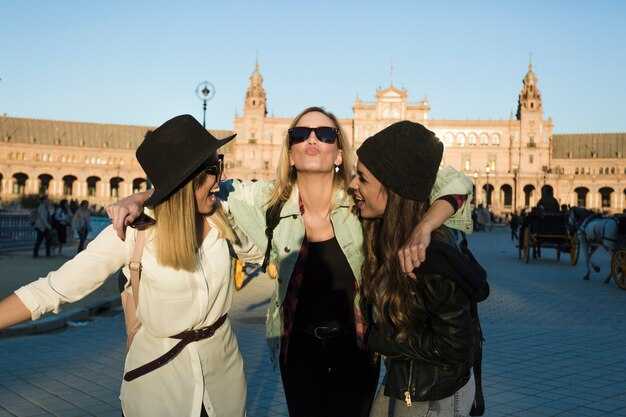 Best Places to Visit in Barcelona That You Can’t Miss">

Go to montjuic for your first stop if you have limited time. The ascent yields sweeping harbor views, the historic Montjuïc Castle, and the Fundació Joan Miró (miro) collection nearby. In the open-air spaces, fountains and gardens blend with museum works, creating an atmospheric start to your Barcelona visit.
Walk the Gothic Quarter and El Born for a dose of beautiful architecture, location magic, and boutiques that range from tiny studios to design studios. The scene around Plaça Reial and the Picasso Museum area is ideal for a 90-minute stroll, with shaded lanes and street performers that appeal to fans of authentic city life. dalí motifs also pop up in a few contemporary galleries nearby, adding a surreal touch.
Park Güell offers a splash of color and a design language that makes Barcelona instantly recognizable. The mosaic benches, dragon fountain, and sunlit terraces create a beautiful scene that blends nature and art; plan 2-3 hours to climb from the main gate to the hilltop terrace. If you’re a football enthusiast, set time for Camp Nou: the museum and stadium tours attract teams y fans alike, with a close look at Barcelona’s storied seasons.
La Boqueria Market and the characterful El Raval add a different rhythm to your day. Grab fresh juice, try tapas, and shop at boutiques and craft stalls along the Rambla. For a calmer pace, head to Ciutadella Park and the nearby arcades, where ponds and green spaces provide a welcome contrast to the bustling city core. The parques y el location near the city center make these spots easy to fit into a single itinerary.
For a compact, highly curated day, follow this route: montjuic in the morning, Gothic Quarter and El Born in the late morning, Park Güell in the afternoon, and a sunset stroll along the beach at Barceloneta. This plan is recommended by locals and frequent visitors alike, and it helps you make the most of Barcelona’s art, architecture, and seaside air. The city location is generous with what it offers, so you can adjust pace and priorities to your interests.
Iconic Barcelona Sights: From Sagrada Família to Park Güell
Start with a sunrise entry to Sagrada Família and walk toward the city from the basilica’s glow; youll see the stone come alive as the morning light hits the towers, and youll plan Park Güell for the same day. A nod to columbus history flickers in the façades, echoing barcelonas spirit, with countrys beyond the skyline hinting at adventures yet to come.
From Sagrada Família, stroll toward Park Güell; the view is striking, with captivating mosaics and a perspective ideal for photography. You can also frame the city from the same vantage point as many visitors do, ready for iconic shots.
Perched on Carmel hill, Park Güell rewards you with sweeping views, playful tilework, and a style that feels like stories carved in color, with stone thrones appearing in the benches for a playful touch.
jaume anchors Plaça Jaume I in the Gothic Quarter, a close starting point for a walk through colonia streets and medieval corners. Crowds flock to the square in the evening, though you should step away to quieter lanes for calm angles.
A short detour to colonia Güell reveals Gaudí’s unfinished crypt, a quiet counterpoint to Barcelona’s bustle and a highlight for architecture fans.
sitges is a close-by coast; take a train and come back refreshed; after the beach, sample local dishes and capture the sunset with a few coastal photography sessions, though you may want more time.
To finish, this route delivers best photo opportunities, barcelonas color, and more stories you can reuse in your own photography portfolio; be ready for crowds, but plan timed entries to minimize delays.
One-Day Smart Itinerary: See Barcelona’s Highlights in a Single Day
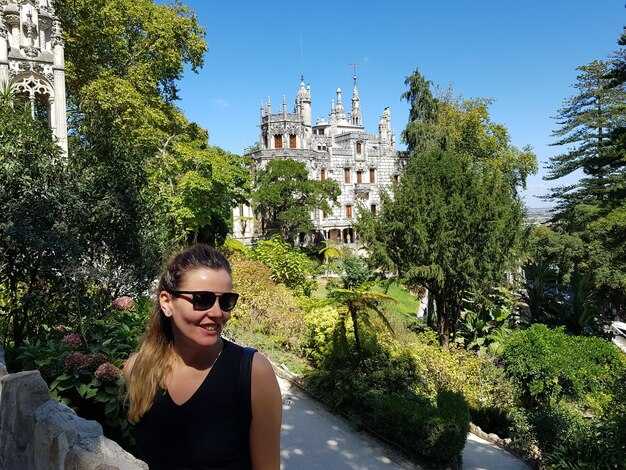
Grab your zaino and map a tight loop that starts in the atmospheric center, threads Barri Gòtic streets with the Cathedral, and pairs history with art‑nouveau pavilions. This unmissable plan lets you take in the main sights within hours, not a long hike, and gives you space to spend time sipping coffee or grabbing a quick bite. For the architecture lover and for duncan, the pace offers a range of viewpoints that suit yourself and your travel partner. Use this as the basis for your day, and you’ll feel you’ve seen the essence without burning out.
Morning highlights
Begin at the center around the Cathedral and the narrow lanes, where medieval façades and quiet courtyards reveal the city’s history. From there, take a short walk to the Sant Pau complex–montaner’s pavilions set in lush gardens–where a calm, bright rhythm awaits. The architecture lover’s eye will appreciate the balance of detail and space, and travellers will enjoy the atmospheric light filtering through arcades. Pair this with a quick coffee stop and you’re ready for the next segment.
Afternoon and evenings
Visit Sagrada Família for a true Barcelona icon; the exterior view alone is unmissable, and you may choose to go inside if lines allow. If lines are long, consider a plan B and spend that time outside instead. Afterward, drive to Montjuïc to escape the crowds and enjoy a broad range of viewpoints across the harbor and city. Then wander the El Born neighborhood, where plenty of atmospheric streets, boutiques, and tapas bars invite a relaxed pace. Grab a fair lunch or snack nearby, and as the day closes, stroll along the waterfront for a final view that travellers compare with their own memories. In the evenings, the city breathes with activity, giving you a memorable ending to your day.
Seven Steps to Create Your Own Cava: From Grape Choices to Bottling
-
Choose three cava classics–Xarel·lo, Macabeo, and Parellada–and lock in a clean base wine. Keep your working space cool (12–14°C) to protect acidity. These grapes carry medieval roots in sparkling-wine history and set the frame for fine bubbles. Include a plan for early blends and a tasting ticket for later validation. In Barcelona, the scene around jaume I and near Casa Amatller, with quick visits to Boqueria and Pedrera, can spark ideas for aroma and texture.
-
Press the grapes gently and collect the free-run juice to form the base. Separate juice from pulp, then ferment at cool temperatures to preserve delicate aromatics. Use stainless steel or neutral oak to keep the flavor clean and bright. This step builds the backbone your later steps will support with time and patience. The room where you store base wine should stay dark and stable to avoid heat spikes.
-
Blend the base wines from the three varieties to balance acidity, body, and aroma. Test 2–3 blends in small vats, then select the best. A starting point is roughly 60–70% Xarel·lo, 20–30% Macabeo, and 10–15% Parellada, then adjust to taste. The process marries 20th-century tradition with your personal style; keep a hunt-like log to track aroma, texture, and finish that yield the liveliest bubbles.
-
Prepare tirage for second fermentation: add a measured dosage of sugar and yeast into each bottle, then seal. The second fermentation in the bottle creates the characteristic sparkle. Use bottles rated for high pressure and keep them cool during this stage. This is when bubbles really begin to form, turning your blend into a finished-like product. If you plan a Barcelona visit, grab a tasting ticket and see a local winery in action.
-
Aging on lees: store the bottles on their sides in a cool, dark room. Minimum aging is nine months for a basic cava; longer aging yields more complex notes and finer bubbles. This phase adds brioche and nutty nuances and deepens texture. From Barcelona, plan a short bus ride to nearby facilities to observe aging rooms in practice, and imagine translating that experience into your own setup.
-
Riddling and disgorgement: gradually rotate the bottles to move sediment toward the neck, then freeze and eject the sediment. Manual riddling works well for small batches; a gyropalette automates the process. After disgorgement, top up with dosage to reach your chosen sweetness level and cork securely. This step sharpens clarity and ensures the final bubbles stay lively after opening. An open tasting in a small room can help a visitor or tourist sample your result and give feedback, especially if you have a guide like Lluís on hand to explain each move.
-
Packaging, labeling, and serving: select a bottle style and label that reflect your effort; indicate sweetness level (Brut, Extra Brut, etc.) and store the finished cava upright in a cool space. Offer a tasting sheet and consider a small event with a ticket system for guests. To anchor the Barcelona vibe, pair the cava with tapas from Boqueria and take a walk through the jaume quarter near Pedrera and Casa Amatller–these visuals connect your home-made cava to the city’s roots and make the experience a must-see for visitors.
Cava Tastings and Tours: Where to Learn and Savor Nearby
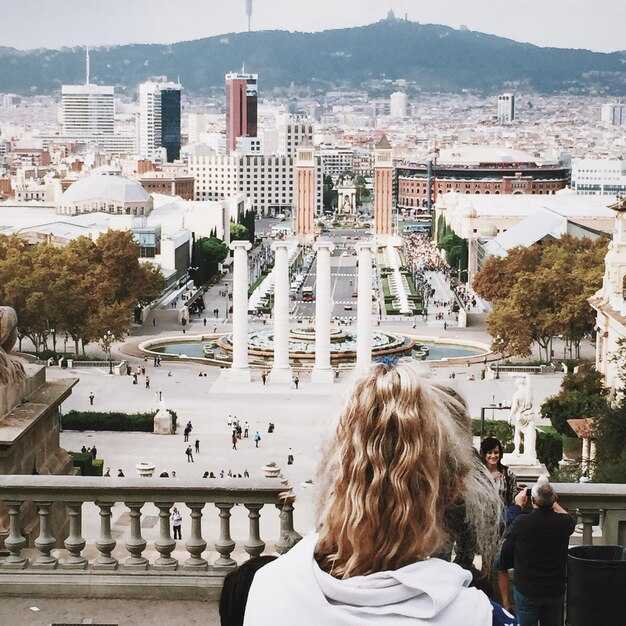
Book a half-day cava tasting and cellar tour in Sant Sadurní d’Anoia, just an hour from Barcelona, and stroll the streets past windows and tiles on the way to the tasting.
These next picks bring together big-name wineries and intimate estates, including Freixenet, Codorníu, Gramona, Recaredoy Juve & Camps. You’ll learn cava basics and sample 2–3 sparklers at each stop, a popular activity for groups, guided by locals who share the history of the Penedès region.
Freixenet in Sant Sadurní d’Anoia offers a 60-minute cellar tour through vast corridors and iron gates, ending with a three-wine tasting. The cool, wide halls feel cinematic, and a panoramic terrace lets you compare styles against a vineyard backdrop.
Codorníu blends art nouveau architecture with a 75-minute cellar tour and a tasting of three cavas. Look for the brick-and-iron facades, the Windows framing your view, and the colorful tiles along the paths; the terrace provides panoramic vineyard sights ideal for filming with friends.
Guell Park detours and boutique estates add variety to these itineraries. guell-inspired mosaics and Gaudí-inspired facades nearby offer a nice contrast to wine, a wide backdrop for photos that you’ll want to share with friends.
Gramona y Recaredo offer intimate, family-run experiences. Gramona emphasizes long-age blends; Recaredo highlights traditional methods and a focus on purity. Both require advance booking and feel less touristy than larger estates, making them a better fit for a relaxed afternoon with your crew. Some evenings, local concerts in the towns add a lively end to the day.
How to plan: take a regional train from Barcelona to Vilafranca del Penedès or Sant Sadurní d’Anoia, then a quick taxi or ride-share to the wineries. If you want more options, these itineraries pair well with sightseeing in the surrounding citys and a visit to Guell Park for Gaudí-inspired photos, a nice mix of wine culture and city charm you’ll want to share with friends. For a smooth day, combine two visits and finish with a casual dinner at a local chef‑run bistro where cava pairs beautifully with seafood and tapas.
Practical Planning for Your Trip: Tickets, Timing, and Local Etiquette
Taking a few minutes to compare official options adds flexibility for your dates. Grab skip-the-line tickets for Sagrada Família and Park Güell four weeks ahead to lock in morning slots that fit your plans and hit the biggest highlights. If you travel with groups, buy a pair of tickets together to keep everyone on the same schedule and avoid scattered queues. If you heard tips about a combo ticket, grab it; this form of ticket saves time and keeps you ready for the next highlight. If you need real-time updates, call the official line for current availability. This approach makes your trip feel rich and helps you manage a tight schedule.
Tickets and Timing
| Place | Mejor época para visitar | Ticket Tip | Etiquette Note |
|---|---|---|---|
| Sagrada Familia | Morning 9–11; avoid peak rush | Buy online 4–6 weeks ahead; consider a combined ticket | Respect ‘no flash’ rules inside sacred spaces |
| Parque Güell | Early opening; 8–10 | Monumental Zone needs separate ticket; timed entry | Don’t block pathways; keep kids away from edges |
| Casa Milà (La Pedrera) | Mid-morning | Timed entry; rooftop option may be extra | Follow interior photography signs |
| Barri Gòtic (Gothic Quarter) | Late afternoon | Most streets free; major sites require separate tickets | Walk on sidewalks; respect residents |
For a richer, less touristy experience, pair a decorated casa block stroll with tiny back streets and typical plazas. The big sights sit among surreal contrasts, and a glass-walled cafe break helps you recharge. If a local named William offers ideas, listen–travelers want options that include escapes to green spaces and gardens between mansion blocks, so include a couple of the city’s highlights. If Salvador leads a small group, keep pace and enjoy the conversation. With millions of visitors each year, a well-timed plan keeps you ahead of lines and ready for the next show.
Etiquette and Local Tips
Greet staff with a simple “Hola” or “Bon dia” in Catalan; a quick “gràcies” goes a long way. Use posted signs to guide photography, and avoid flash inside interiors. Keep voices down on transit and in narrow streets; stand back on sidewalks to let locals pass. Tipping isn’t mandatory, but a small gesture at cafes or on guided tours is appreciated. If you’re traveling with groups, appoint a meeting point and a backup plan in case someone gets separated. Anyone can blend in by observing local rhythms: markets, quiet courtyards, and late-evening strolls. Ready to explore? Step into the city with courtesy and curiosity, and you’ll discover a city that welcomes travelers with warmth. This tradition has drawn visitors for years.
Comentarios