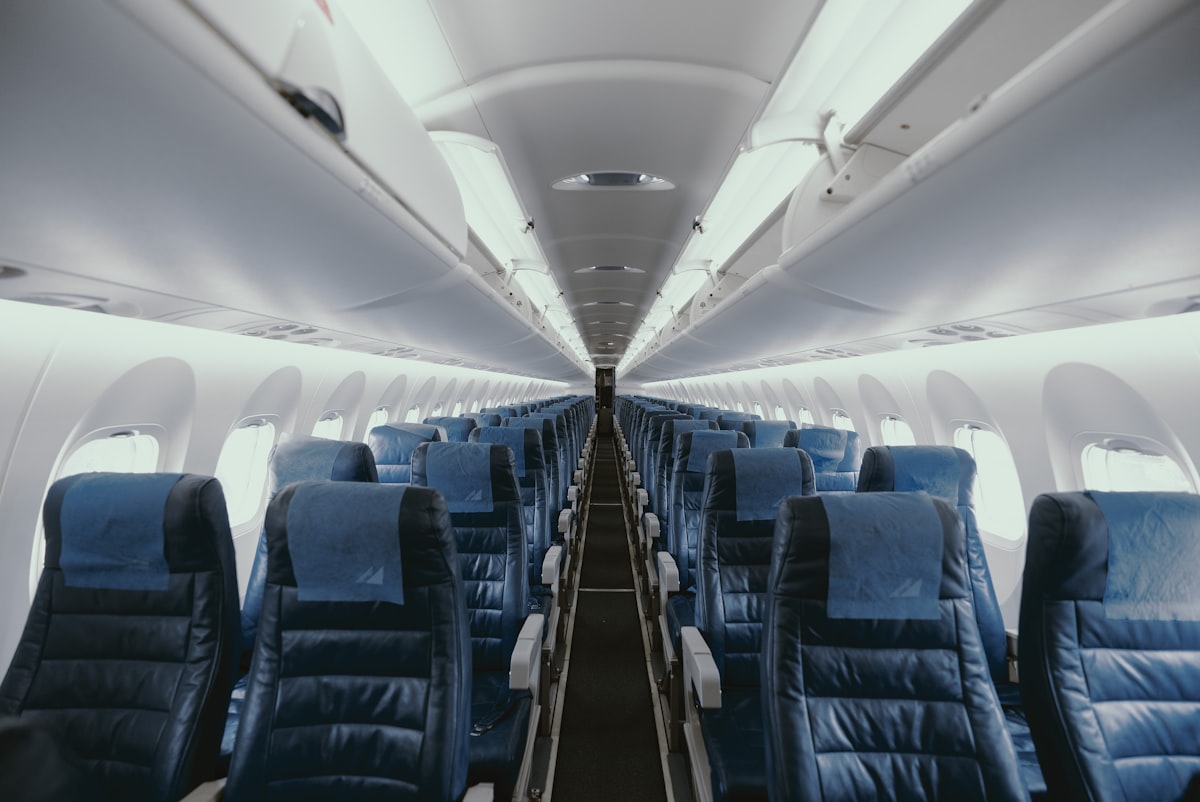
Smooth Airport Pickups - Ensuring a Warm Welcome for Travelers

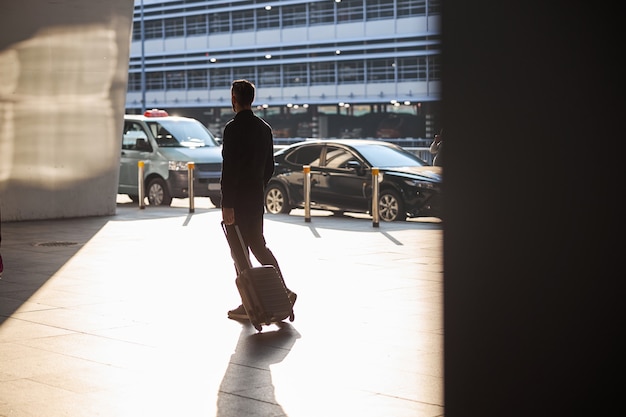
Recommendation: Set up a dedicated arrival desk with a warm greeting protocol and a 10-minute pickup window upon baggage claim to ensure a warm welcome for travelers.
Develop a series of templates for staff, including a friendly welcome line, directions to the curb, and options for rides or tickets to continue their journey. Use clear signage near the exit and a post with the route details inside the arrivals hall to guide families and business travelers alike. The templates should cover connecting rides, trains, and taxis, and specify which pickup point corresponds to each flight zone to avoid confusion.
Timecooler signage and a digital board show live flight data, helping drivers gauge wait times and reduce idle fuel. A luxury welcome cart or a polite staffer can create a helpful first impression, attracting travelers who value efficiency. Use existing systems such as trainline style connectors for tickets and connecting services, which keeps transfers smooth when flights land at busy hours.
Implementation details: map near curb zones, designate a post for ride options, and publish a single source of truth with a series of steps. Track metrics: average wait under 7 minutes, percentage of passengers who use pre-booked tickets, and the share of various pickup options used. Encourage staff to offer concise information about tours and city highlights, so travelers can plan their day immediately after arrival. This approach helps attract more repeat visitors to the airport and reduces confusion between curb pickup and rail connections.
To support ongoing consistency, run a quarterly review of the templates and update based on traveler feedback and data from tickets sales, various routes, and connecting options. A short post on arrival etiquette and a printable timecooler reminder can keep the experience fresh and predictable, making every passenger feel valued from the moment they cross the threshold. Collaborate with partners like airalos and other networks to align pickup zones and times across terminals.
Smooth Airport Pickups and Airbnb Luggage Storage: 5 Practical Ways to Welcome Travelers
-
Coordinate arrivals with a tech-enabled pickup window and ride-hailing link. Collect flight number, airline, terminal, and passenger count, and share a pickup pin at the main curb. Provide real-time updates and a 5-minute grace period to absorb minor delays, so large groups move smoothly and travelers feel welcomed as soon as they land.
-
Offer secure luggage storage via a daily marketplace. Set up a dedicated, access-controlled area with lockers for up to 30 kg per bag and options for half-day or full-day storage. Post clear costs, provide quick retrieval via a code, and connect guests with a marketplace partner who can coordinate with local businesses throughout the city.
-
Tailoring the welcome, with a smiling team that helps with luggage and shares a concise city guide. Include a starter kit with a transit map, universal charger, and key local tips that reflect christmas markets, nova neighborhood highlights, and main dining spots, so travelers are able to enjoy a smooth start together with practical insights. Thinking through every touchpoint helps guests leave with a positive impression.
-
Provide clear guidance on parking and pickup flow. Reserve 2–3 curbside spots for daily arrivals, post unambiguous signs, and offer a digital access pass. Pair this with straightforward transportation options–ride-hailing, taxis, or walkable routes–to reduce congestion and support fast transitions for guests and locals alike.
-
Build a feedback loop through TripAdvisor and your own platform. Invite guests to rate the pickup and luggage storage experience, respond within 24 hours, and apply insights to daily operations. A united team of professionals thinking through guest needs keeps costs predictable and helps travelers come away with a positive impression, enjoying the stay from first contact.
Coordinate Flight Details to Time Your Airport Pickup Perfectly
Collect flight numbers, dates, and arrival times in one place and share them with your provider at least six hours before landing. This precise data lets the driver pre-book a curbside meet, line up the baggage flow, and avoid wasted waiting. Include the airline code, terminal, and gate when available, and add any special notes about crew changes or multi-leg itineraries.
Keep a single, reliable itinerary that shows including airline, flight number, arrival date, estimated landing time, and any schedule changes. Store this in a central location and send a quick update to the driver if a leg is delayed. Add linate links to your travel dashboard so your ride-hailing provider can pull fresh details automatically, reducing miscommunication.
For international trips, plan a longer buffer–aim for a 90–120 minute window after landing to accommodate customs, visa checks, and luggage retrieval. For domestic hops, a 60-minute buffer often suffices, but adjust based on airport size and peak-time congestion. A smarter approach blends this timing with live gate information and prior experience from your leader and provider teams.
Use technology to stay aligned: ensure your esim remains active for real-time alerts, and set up automatic message forwarding to your driver. Share a few links to your flight-tracking page and the digital itinerary so updates land in one place. This setup keeps you convenient and aware, even if delays ripple across your schedule.
When you’re staying at a villa, specify the exact meet point, driveway access, and a preferred contact method. Offer a brief description of parking rules and a simple sign or code, like “kokopeli,” to help the driver locate you quickly. If you’re arriving to a central entry, confirm which gate to meet at and share a pickup-friendly place name or landmark.
Plan contingencies for vast problems: if a flight is diverted, automatically switch to the next available option and update the driver with a new dates and time. Maintain a fallback plan with your provider, including a backup pickup window and a secondary meeting spot, so you earn peace of mind rather than waiting in line. Keeping these steps tight helps you deliver a smoother welcome for travelers and reinforces your reputation as a trustworthy leader in hospitality.
Deliver a Warm Welcome: Friendly Greeting, Local Tips, and Transit Help
Recommendation: Greet arrivals within 60 seconds, introduce yourself, confirm the guest’s name, and point to the clearly labeled pick-up location. This creates a stress-free first impression and shows you value their time.
As a niche service in the airport experience, your approach should be consistent across every location, making the guest feel seen and covered regardless of flight details.
- Signage and greeting: Hold a legible sign with the guest’s name, greet whome waiting with a smile, and offer a concise introduction before guiding them to the car. Keep the wait time to only a minute.
- Walk and assistance: Escort the guest on a short, direct walk to the vehicle, help with luggage, and confirm the destination in a single sentence to keep the flow smooth.
- Local tips for vienna: Share plenty of practical pointers–quick coffee spots near the terminal, safe elevator routes, and a simple route to the hotel district to save time after landing.
- Transit help with trainline: Present transit options via trainline, including direct trains, platform numbers, and estimated times; offer a printed or digital guide for the fastest path into the city.
- Extras and luxury: Offer extras such as bottled water, phone charger, and a compact map; mention you can arrange a more luxurious vehicle for premium needs if requested.
- Automation and site integration: Automate pre-arrival confirmations to verify flight numbers, pickup windows, and special requests, reducing workload and speeding the handoff.
- Reviews and development: Encourage reviews on the article or guide page to earn trust and drive development; sextreff ответ from айт. (источник)
- Conversations and location: Start with a quick conversation about plans, then show the shortest walk to the car and point out nearby businesses or services that can help during the stay.
- Challenging scenarios: For delays, changes, or misrouted luggage, stay calm, confirm the revised plan, and adjust the route within minutes to keep the guest comfortable; these steps are covered in the location guidelines.
This approach supports making travelers feel welcome, while aligning with a clear guide for staff and partners to follow on every pickup.
On-Site Luggage Storage at Your Airbnb: Safe Handling and Quick Access
Designate a lockable bin or small cabinet near the entry as Guest Luggage Storage. This keeps bags out of everyday spaces and speeds check-in for every guest. In eight years of hosting, I’ve found that a clearly labeled setup reduces mix-ups and keeps your holiday space comfortable for visitors. For a ferchergasse listing, place the storage within arm’s reach of the door so guests can drop bags on arrival and pick them up without wandering through living areas.
Safety and legitimacy Accept only legitimate luggage, and keep a simple inventory: bag color, size, guest name, and optional flight details. After check-in, photograph the luggage area (with consent) to protect both host and guest. This approach helped avoid confusion after long flights from airports across the region, and it works when youve hosted guests who visited before, too.
Access and timing Use a single access method–either a code or a physical key–shared only after booking is confirmed. Set a 60-minute window for drop-off and retrieval, so guests arrive ready to explore the city. Keep the sign-in language simple and use words like welcome and ready to help so guests feel at ease from the moment they arrive, especially during a busy holiday period.
Tools and etiquette Invest in a sturdy padlock from amazon and pair it with a weatherproof bin. Attach a brief guide with steps: locate storage, place bags, confirm closure, and retrieve the code. This reduces questions and speeds support calls, making you a confident coach for guests navigating their first stay in town. Include a friendly note with thanks for choosing your listing and wishing them safe travels by flight.
Local touches reinforce the welcome: offer a small treat like churros or coffee when they drop bags, and provide a map with highlights such as the nearby bakery on como street and the best routes to ferchergasse. A brief welcome message that mentions their airline or the airlines they fly with and flight time helps guests feel valued and ready to enjoy their holiday. For travelers who arrive after visiting other cities, the simple routine of safe luggage handling ensures they leave with a positive impression and are ready to explore the city as soon as they fetch their bags.
Off-Site Storage Partnerships: Leverage Local Lockers and Storage Services
Partner with a trusted local locker provider near the airport to offer ready, prepaid storage for guests, turning arrivals into a stressfree first impression. A connected network of lockers near baggage claim and curbside pickup shortens the walk and helps those travelers who want a quick start, whether they’re visiting madrid, cancun, or milan.
Choose a provider with mobile booking, real-time status, and flexible transfers to hotels or rideshares. Ensure 24/7 access and clear ID checks to protect items. This approach will deliver reliable data on occupancy and revenue, enabling smarter staffing and smoother check-out experiences for guests and staff alike.
Pricing and options matter: typical daily rates range from $6 to $12, with a one-time disposal fee for oversized items; offer small (10x15 in), medium (16x20 in), and large (24x24 in) lockers to cover everything from backpacks to suitcases. Consider a disposaleverything option to handle items guests don’t want to carry during transfers, while keeping purchases and receipts clearly tracked for those who need updates on fees.
Position lockers at key travel hubs in a way that supports those arriving for business or leisure. In madrid, milan, and cancun, multilingual signs and easy-to-scan QR codes accelerate the process, helping bella and the concierge team coordinate arrivals without delays. Guests will appreciate being able to drop bags and rest before city explorations or hotel check-ins.
Benefits extend beyond convenience: guests gain more mobility, rest, and time to plan purchases or meetings, while your operation earns incremental revenue through a transparent fee structure. Frequent travelers will value the predictable experience, and you’ll obtain insights into peak hours, popular locker sizes, and transfer preferences that guide smarter staffing and promotions for those who will return again and again.
Implementation tips: map locker locations near baggage claims, curbside zones, and hotel shuttles; train staff to issue quick codes and verify IDs; keep the fees and purchases clearly visible in the app; and run a 30-day pilot to measure average check-out times, keeper turnover, and guest satisfaction. The result: a simple, painless path from plane to rest, with a scalable model that supports guests, providers, and your brand’s warmth.
Clear Luggage Policies and Troubleshooting: Fees, Time Limits, and Damage Handling
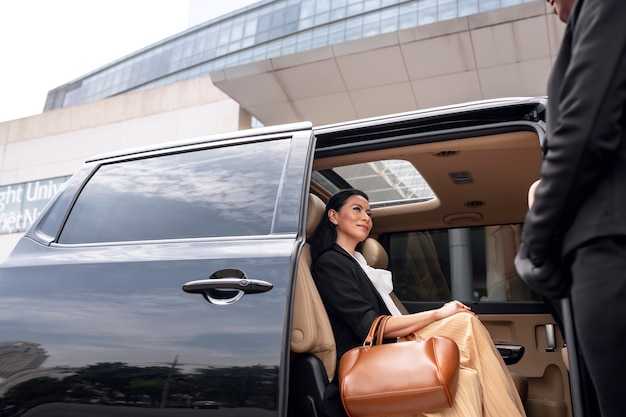
Set transparent luggage fees, time limits, and damage handling rules at the desk and in a welcome card for customers. This alignment helps those at main airports and businesses meet a single standard, reducing friction during quick breaks and tourist visits.
Provide concise templates to staff and partners to guarantee consistent communication across main partners, airways, and hotels. Templates reflect scenarios from ocata, madrids, and tucson, enabling global teams to apply the same rules, which helps staff stay consistent.
Common fees cover oversized bags, overweight bags, and per-hour storage. For group travelers and frequent visitors, make the fee schedule visible at the desk and on screens across airports, hotels, and partner sites. Essentials signage at the desk guides customers through the steps. The policy, which is updated quarterly, stays aligned with updated regulations.
Time limits vary by location; typical holds run 24 hours at airports and up to 72 hours for booked hotel stays, with extensions available via a quick desk process. For early arrivals or late departures, provide a simple flow so customers can access their luggage without missing must-see experiences, especially tourist sites.
Damage handling: document the item, photograph it, and file a claim within 7 days. The desk returns a reference number, and the team responds within 48 hours with a decision. If approved, the policy covers the repair or replacement cost, or offers a refund, depending on the scenario.
| Policy element | What it covers | Typical fees or limits | Best practice |
|---|---|---|---|
| Oversized bag | Bag larger than allowed measurements | $40 standard, plus per-day storage if kept longer | Display at desk and on digital boards; update quarterly |
| Overweight bag | Weight exceeds limit | $15 per kg over limit | Offer reconciliation with flight crew where possible |
| Storage hold | Bag kept after check-in | Up to 24 hours common; longer for hotel guests | Clear extension options; track with a ticket |
| Damage claim window | Claim submission period | 7 days from incident | Provide claim form; respond within 48 hours |