
Navigating King Abdulaziz International Airport via Haramain Railway
Take Haramain High-Speed Railway to KAIA for a fast, reliable airport connection. This option creates a smooth start by avoiding highway traffic and delivers you close to check-in zones. Before you depart, check the application for recent information and platform numbers so you have up-to-date details. If you arrive on an early flight, the first trains from Medina or Mecca align with morning flights; the timetable updates automatically, keeping you on track.
The Haramain route connects Medina, Rabigh, Jeddah, and Mecca with a dedicated airport station at KAIA. The system offers precise train intervals, typically every 30 minutes at peak, and a single ticket covers both the rail ride and a convenient link to the terminal via covered walkways. Use the official application to verify information on timings and platform locations.
From the KAIA station, you have several options to reach the city centers or coastal places. Taxis and ride-hailing services offer direct transfers to major hotels, business districts, or rental car counters. If youre arriving with heavy luggage, look for curbside taxi lanes or airport rentals on the arrivals floor. The easiest means to reach the city while staying on schedule is to plan ahead using the Haramain timetable in the application.
Rental cars, maintenance, and car-sharing options are listed at the KAIA rental desks, right near baggage claim. Conditions for luggage, child seats, and driver eligibility vary by provider; check the information desk guidance and the application for current rules. For flights, compare your Haramain arrival time with your departure window and avoid overlaps; never assume a single option will fit all your places.
Major airports, rail nodes, and hotel districts cluster around KAIA, with signage in English and Arabic that explains connections. The information boards show platform numbers, train types, and route progress, allowing you to plan a quick transfer over a short walk. If your flights are tight, use the rail option for predictable travel means rather than relying on street traffic. The Haramain system continues to add new places near each stop, expanding your means to commute efficiently.
Locate the Haramain Station inside KAIA and entry points
Head to the central concourse at KAIA and locate the Haramain Station, which sits beneath the terminal complex and is linked to all terminals by covered walkways. Youll see clear Haramain High Speed Rail signs guiding you toward the boarding area, and signage will direct you until you reach the platform. The layout keeps you comfortable as you move from the flight zone to the rail, with wide pathways and easy-to-read maps to help you reach your destination.
Entry points include a road-access gate at kaia's forecourt, a parking garage exit that connects to the transit spine, and an internal pedestrian route from Terminal 1 and Terminal 2. KAIA has an agreement with Haramain to synchronize timetables and facilitate smooth transfer for travelers. If you arrive by taxi, tell the driver to drop you at the Haramain Station entrance near the al-mukarramah wing; buses stop at the same precinct for a seamless connection. From the road network you can reach the station further via a dedicated KAIA entrance that keeps your trip efficient, including direct links from the al-mukarramah road corridor.
From the Haramain Station, you can transfer to taxis, cars, or buses to reach your final destination; you can arrange your own transfer or use KAIA's official services. The setup is designed to be seamless and affordable, with clear signs, real-time updates, and staff ready to help at peak times. Youll move quickly from boarding to the rail platform and then onto your flight connection or onward travel.
Parking covers short-term and long-term options in the KAIA garage, with parking for cars and easy access to the transit area. Rates are affordable, and payment is available by card. The arrangement prioritizes comfort, with seating near the station, climate control, and helpful information screens to coordinate your flight timetable. If you plan a trip that starts here, arrange a transfer in advance to avoid queues and keep your schedule intact, ensuring a seamless experience from the moment you arrive at KAIA until you reach your destination.
Ticketing options at KAIA: desks, kiosks, or mobile app
Definitely download the KAIA mobile app before you travel; it consolidates ticketing, shows your schedule, and allows checking in from anywhere, providing a smooth access to gates. The terminal is spacious, visitors and locals alike benefit from real-time updates, and the app works well with careem for transporting to KAIA. Throughout the year, using the app reduces queues and gives you the advantage to determine the best option at peak times. All three ticketing paths – desks, kiosks, and the mobile app – are economical choices compared with private assistance. This section covers desks, kiosks, and the mobile app so you can plan for Madinah routes, including medinah, masjid access, and other city connections. Travelers from madinah can use these options as well.
Desks and kiosks: where to head
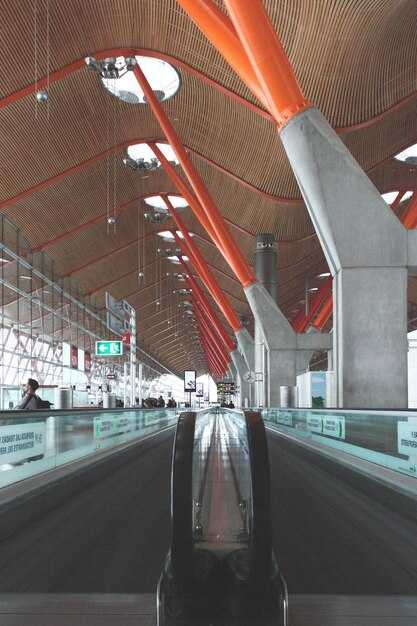
Desks provide personal service for complex bookings; you’ll need your passport for verification. Kiosks offer self-service check-in and printing of boarding passes; both are well distributed across arrivals and departures, with additional units near the masjid area in some terminals. For visitors from medinah, staff can offer language support and guidance, while locals may favor the quick self-check-in at kiosks. Expect longer lines at peak times, but checking your booking on arrival helps you choose the fastest path. Use these tips to move efficiently through the process and access the services KAIA provides.
Mobile app: your pocket ticketing assistant
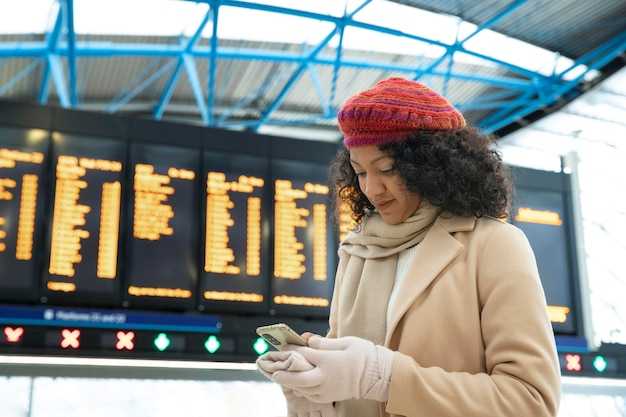
The KAIA mobile app stores your ticket, displays your options (desks, kiosks, or mobile pass), and provides status checks and updates throughout your trip. It helps visitors and locals in Madinah coordinate with the airport schedule and airport transport. For medinah travelers, the app helps you align with the train or other connections. Plus, the app supports checking in for multiple passengers in one go, which is useful for groups.
| Option | How it works | Best for | Tips |
|---|---|---|---|
| Desks | Staffed counters with passport verification; can modify bookings | Complex itineraries, families | Carry passport; arrive early to avoid peak queues |
| Kiosks | Self-service check-in; print or download boarding passes | Standard tickets, quick checks | Have booking reference handy; follow on-screen prompts |
| Mobile app | Digital tickets, live updates, schedule view | Most convenient; reduce contact | Download before travel; enable notifications; keep device charged |
Security and document checks before boarding the Haramain Train
Arrive at least 60 minutes before departure; the Haramain route remains a popular choice for travelers. Keep your passport, visa/ID, and booking code ready for the security checks.
abdulaziz safety standards guide these checks at mecca and throughout the kingdom; trained staff and security performers help enhance predictability, creating a smoother experience and highlighting ways to avoid delays. On busy days the process can feel hard, but clear signage and staff directions keep you moving.
This year, dont ignore the signs; prepare e-mail confirmations, have your documents ready, and follow the on-site instructions to ensure a seamless process.
What to have ready
- Passport, national ID for residents, visa (if required), and the Haramain booking code; bring e-mail confirmations and any hajj-related permits if applicable.
- Be aware of kaia guidelines for peak periods; when traveling during peak periods, some checks may require additional documents from locals and visitors alike.
- Check that items you transport comply with conditions for high-speed trains and kingdom baggage rules; this reduces hold-ups during screening.
- Discounts or special offers booked through the operator can appear on receipts, but you must show valid tickets at the checkpoint.
Checkpoint flow and tips
- Enter the security zone with your documents; present them to the officer, remove metal items as requested, and place electronics in the tray for scanning.
- The staff verify your booking code against the system; successful verification grants access to the platform and helps keep things moving.
- Baggage screening follows; ensure luggage follows size and weight limits and remove prohibited items before reaching the belt.
- If a question arises about a document, dont panic; negotiate politely with staff to resolve any mismatch or missing item quickly.
- Once cleared, head to the platform for your high-speed train to mecca or medina. If crowds are heavy, consider arriving earlier or using holidaytaxis for a smooth pre-boarding shuttle.
Reading signs: platform numbers, coaches, and boarding practices
First, locate your platform by reading the large numeric boards at the concourse. The signs outline the track and destination; head to the platform shown. Upon arrival, verify the platform matches your ticket and check the coach numbers displayed on the car signage. Details like the car sequence, door numbers, and service level appear on the displays and in your e-mail confirmations. Save time by reviewing this information before you head to the platform and refer to staff with any questions for further guidance. If a sign is unclear, ask a driver or station agent for help to keep yourself on the right track. Staff and drivers are ready to assist.
Coaches and car signs
Coaches are labeled with numbers that map to doors on the platform signs. Head toward the doors that align with your coach number, and match the exterior sticker to the interior signage. When the train arrives, the car number is illuminated above each door, and the same panel shows seating classes and services. If you need to change cars, refer to the on-train signs and follow directions from attendants; either stay seated or move calmly with the flow to the next car. Including traveler needs such as accessibility helps you choose the right car.
Boarding practices
Queue along the marked lines and wait behind the yellow edge until the doors open. Board with your belongings in a steady, controlled flow; if you are transporting luggage, keep to the sides to avoid blocking others. Wear comfortable shoes and follow staff directions; the signs outline where to stand and which doors open first. On arrival, collect your items and head toward the exit; outside you will find taxis, hotels, and mall services, with clear ways to reach them. If you need assistance, service desks can help and may send you an e-mail with step-by-step directions for your needs.
Baggage guidance: allowances, handling, and storage on the train
Carry a compact carry-on and a small personal item; before boarding, place them in overhead access space to speed your connection at King Abdulaziz International Airport and along the rail journeys. These bags stay close to you, being easier to access throughout the ride, then you’ll find it making the trip smoother.
The operator offers one carry-on and one personal item per traveler; they must fit in overhead bins or under seats, with end-of-car racks used when space allows. Because space is shared, expect variability by station and time of day. If you exceed these limits, there may be a fee (money) or you may be asked to re-pack before boarding. These guidelines are the agreement you accept when you book, and fact-based limits are published for each service and station.
Carry-on allowances
Specific guidance: keep total dimensions and weight within common ranges. In practice, aim for a carry-on that fits in an overhead bin and a personal item under the seat. A typical target is up to about 10 kg in total for the two items. These limits apply across economy seating and all fare types; because policies can vary by service offering, verify the exact numbers on your ticket. The rules are consistent across stations, offering a smoother experience for access and transfers, plus more predictability for travelers on these journeys.
Handling and storage on the train
Load bags with care; if you need help, staff can assist and point to the best storage. They offer guidance on secure placement, especially for heavier items. Keep aisles clear and avoid blocking doors; use luggage racks, end-of-car storage, or under-seat space. Storage options run throughout the train, so you can move items between cars if needed. Sadly, some oversized bags may not fit overhead or in end-of-car lockers, so plan with a lighter setup alike to what most travelers use. These practices apply across the rail transportation network, making access easier for every passenger, whether on a short hop or longer journeys.
Haramain timetable: frequency, travel times, and peak hours
Book a direct Haramain train from the airport area or Mecca to Medina during off-peak hours to save time; check the document from the operator for today’s departures and platform details.
Frequency and reliability
- Peak hours run directly every 15–20 minutes in the core morning (06:00–09:00) and evening (17:00–20:00) periods, ensuring fast connections for flights and work plans.
- During off-peak times, trains depart roughly every 30–60 minutes; verify the current outlines in the timetable document, as factors like holidays and maintenance may shift the cadence.
- Over the years the agreement between authorities and the operator has stabilized the schedule, so you can expect consistent options between terminals such as Mecca, Jeddah, KAEC, and Medina.
- Direct Mecca↔Medina services take about 2h30m–2h50m; trains with stops may extend to around 3h00m–3h15m.
Travel times by segment
- Mecca to Medina (direct): 2h30m–2h50m; with one or two stops, plan for 3h00m–3h15m.
- Mecca to Jeddah: 40–60 minutes on the high-speed segment; Jeddah to Medina: roughly 1h20m–1h45m depending on stops.
- Terminals and facilities: each city hosts a dedicated Haramain terminal with amenities such as lounges, restrooms, Wi‑Fi, and charging points; parking is available at the main hubs for quick transfers.
Peak hours, planning, and flights
- Peak travel concentrates in the 05:45–09:15 and 16:30–20:00 windows; plan to align your train with flight times to minimize waiting.
- If sightseeing is on your agenda, you might allocate a day to move between Mecca’s kubah area, the airport area, and Medina, using the faster routes to maximize time for more sites.
- To arrange a smooth connection with flights, aim for trains that arrive within 60 minutes of your departure time at the airport; this keeps you within a comfortable buffer for security and boarding.
Practical tips
- Use the document outlines to determine the precise range of trains available on your travel date and book directly through the operator’s portal.
- Onboard work is feasible during the journey thanks to reliable high-speed service, but pick a seating option with power outlets if you need to work while traveling between terminals.
- If you are driving, check parking options at the station you’ll use and arrange parking ahead of time to avoid delays.
- For a richer travel plan, combine sightseeing with fast transfers between Mecca, Jeddah, KAEC, and Medina, keeping in mind peak hours and the latest timetable document for the most accurate times.
Disembarkation at KAIA: reaching terminals and onward transport
Go to KAIA's arrivals hall directly, collect your bags, then follow signs to the haramain station inside the airport complex. Arriving passengers should head to the haramain counters to buy tickets and confirm connections. these routes connect KAIA with Mecca and Medina, and the haramain platforms sit near the makarem outlets and the main transit concourse–making onward transport straightforward. This path offers significant time savings for travelers. Prices for coach and train tickets vary by destination and service class; determine the best option for your itinerary by checking the haramain counters and airport screens. Tips: buy tickets as soon as you reach the station to avoid queues later; these conditions help travelers stay on schedule.
Arriving and onward options
From the haramain station, you can board trains to Mecca or Medina or switch to a coach for shorter hops. Travelers often pair the rail leg with a local coach or taxi to the hotel; locals can give quick advice on the closest drop-off points, but it’s best to decide yourself once you compare schedules. Arriving bags in hand, collect tickets at the counter, then choose your connection–the advantage is fast, predictable runs throughout the day.
Practical tips for a smooth transfer
Look for clear bilingual signage and keep your travel documents ready. Conditions at the terminal affect transfers, so allow extra time during peak periods. Further, if you’ll stay near haramain routes, makarem hotels are within easy reach from the station, which makes a short walk to your room convenient. For onward travel, prices can differ between coach and train services; just compare times, board promptly, and you’ll minimize delays as you travel between terminals and onward transport.


