



 Ελληνικά
  English (UK)
  Русский
  العربية
  日本語
日本語  한국어
한국어  Magyar
  Türkçe
  Español
  Čeština
  Svenska
  Português
  Suomi
Suomi  Nederlands
  Română
  Italiano
  Français
  Polski
  Українська
  Deutsch
  简体中文
简体中文  Slovenčina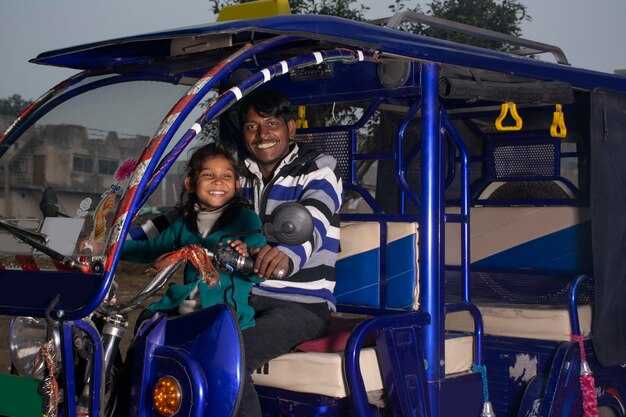

Yes – Kinshasa is travelable if you follow a clear plan: travel with a trusted team, use official transports, and stay in well-lit, populated areas after dark. The following steps keep your trip smooth and secure.
In the city, basic infrastructure varies by district, but you’ll find operating hours for hotels and major venues predictable in the core areas. Throughout Kinshasa, security patrols in business districts add an extra layer of safety, and their day activities–markets, museums, riverfront promenades–draw crowds of locals and visitors alike.
Choose vetted transports: hotel shuttles, official taxis, or app-based rides vetted by your hotel. Avoid informal clandos or unregistered drivers. Road conditions can slow your schedule, so plan extra time for meetings and airport transfers. You might find yourself waiting a bit during peak hours. Follow common sense in crowded places; stay in καλά φωτισμένο areas and avoid isolated routes after dusk.
If you visit markets and parks outside the city, follow park guidance to protect wildlife and your safety. In Kinshasa itself, enjoy their dish Poulet Moambe at reputable restaurants and buy products from established vendors–this supports their επιχείρηση and helps ensure food safety. Look for districts with steady electricity and clean water, and choose vendors with visible licenses.
Kinshasa sits along the Congo River basin, and the surrounding layout influences traffic and transit options. Carry the right documentation: passport, visas, and hotel confirmation; leave copies with your hotel and a trusted contact. A practical plan includes a local SIM card, emergency numbers for police and medical aid, and a bilingual guide who can assist with basic conversation and directions.
Safe Neighborhoods for First-Time Visitors in Kinshasa

Base yourself in gombe for the first 48 hours to anchor your visit around the safest, most maintained streets and a high concentration of hotels and services. This keeps your travel plans straightforward and helps you adjust to Kinshasa’s rhythm with reduced risk. Use a taxi booked through a reputable stand, and arrange day trips with a known guide. french is the working language in most services, so having a basic phrasebook or translation app is useful for meals and friendly conversations. Given the border location and crowded markets, this approach helps you stay sure and prepared from the start, especially before you venture farther from the city center.
From gombe, plan day trips to nearby districts like Ngaliema for leafy residential views and Kalamu for varied dining options. Limete’s commercial corridors offer straightforward banking and shopping, but crowded streets require careful attention, especially around markets. If you like to sample ethnic foods, choose established restaurants that emphasize safety and hygiene. For a nature break, consider a guided trekking or hiking route on the eastern outskirts with trained guides and safety training, keeping to maintained trails and staying hydrated throughout your visit.
Getting around safely
Always use a registered taxi or trusted ride-hailing option; confirm the driver’s identity and plate number before you start, and carefully share your route with someone you trust. Avoid walking alone after dark in crowded areas, and stay close to staffed venues such as hotels or restaurants. Carry a small amount of cash in a secure wallet, and keep originals of your registration papers and hotel contact in a digital backup. If plans change, adjust quickly and inform your guide or hotel staff, which helps you travel with confidence and meet safety standards.
Neighborhood highlights and practical tips
Gombe offers riverfront views and well-lit streets with visible security; visit during daylight hours if possible and use viewing points along the promenade to relax safely. For meals, rely on reputable eateries that balance french-influenced dishes with local ethnic foods; check reviews, and avoid crowded street stalls at night. If you plan a short outdoor escape, a safe and well-planned trekking option in the eastern outskirts provides an active break without leaving the city’s safety net. Bring essentials: water, sun protection, a portable charger, and a simple map, and review your travel plans with the hotel’s front desk as you travel, especially the last day of your stay, to ensure everything stays on track throughout Kinshasa.
Daily Safety Checklist for Kinshasa Travelers
Before you set out and on arrival
Carry two copies of your passport and visa, plus emergency numbers and the hotel address. Since security conditions can shift, keep one copy offline and one on your phone. Include contact details for your embassy or consulate; if you are from canada, ask for the latest advisories and services. If something happens, share your plan with a trusted friend and note it for myself.
Choose trusted transport for your arrival. Stop using street touts and negotiate only with official taxi crews or registered ride‑hailing apps; agree on prices in advance. For transportation, rely on established options and avoid unmarked vehicles that ask for cash upfront.
Health is key: vaccines up to date, carry a compact first‑aid kit, and bring any personal medications in their original packaging. Usually, travelers keep a small bottle of hand sanitizer and rehydration salts in their day bag. If you have a known allergy or condition, carry documentation in French or Lingala if possible.
Master a few local language basics to reduce risk of miscommunication. Learn greetings and simple phrases, then keep a translation app offline for quick reference. If you plan a museum or market visit, know opening hours and avoid carrying valuables in crowded areas; north Kinshasa streets can be busy and noisy, which raises distraction risk.
Protect belongings and plan for city logistics. Never leave wallets or phones in sight in crowded spaces, and use hotel safes for valuables. Remember to stay hydrated and avoid large displays of cash. Enjoy a museum or park visit with a compact bag and a buddy, and if something feels off, step back and reassess your route.
Daily safety habits on the ground
Build a simple routine each morning: map your route, note safe transit options, and share your plan with a trusted contact. Keep your phone charged, offline maps loaded, and a local number saved in memory in case a network drops.
Stay aware of your surroundings and north city parts you’ll visit. Move calmly, avoid isolated corners after dark, and choose well‑lit streets with people around. If you hear a loud or unusual sound, pause, observe, and switch routes if needed.
Money handling matters: carry the right amount of cash in small notes and use secure payment methods. Know typical prices for taxis and street goods to avoid overpaying; when in doubt, ask for a written quote before a ride or service. Do not flaunt valuables in crowded markets or on crowded minibuses.
Emergency readiness pays off: know the local emergency number, your hotel front desk contact, and the nearest hospital. If you feel uncomfortable, stop and seek help from staff or a local guide. Keep your passport photocopy separate from your wallet and schedule check‑ins with home contacts, including myself if you’re sharing updates.
When you travel with a clear plan, you can enjoy experiences safely. If you’re excited about a new neighborhood, move at a measured pace and stay near populated, well‑lit routes. Museums, markets, and street food can be rewarding–stick to trusted stalls, watch for mobility gaps, and always prioritize personal safety over speed.
Getting Around: Transport Tips to Minimize Risk
Book a vetted driver through your accommodation or a reputable company, and place an order for pickup before you depart. This single step limits delays, confusion, and unverified offers.
Choose transportation with clear identification and documented safety standards. Favor safemotos and licensed taxis over informal rides, especially in crowded areas or after dark. When travelling, always verify the driver’s identity and vehicle before starting the trip.
- Record the driver’s name, plate, and contact details in advance; insist on a pre-arranged fare or meter, and request a written estimate for the trip when possible. If the plan changes, update a trusted contact.
- Use accommodations’ recommended drivers or networks that meet safety standards; avoid unregistered operators and private pickups that lack accountability.
- For longer trips or trips to outlying areas, book through a licensed transportation company rather than street-hawker options to reduce risk and raise reliability.
- Agree on a pickup point and route. You should keep the route visible to a friend or hotel staff, and confirm any changes through the driver.
Road conditions vary: main roads are generally usable, but side streets can have potholes and rain can cause flooding. Drive slowly in congested areas, and avoid unlit shortcuts at night. If you must travel after dark, choose a known corridor and a driver you’ve met through your accommodation.
- Dress for the weather and terrain: light layers, sun protection, sturdy shoes, and a small bag that stays close to your body.
- Keep valuables secure and minimize visible cash. Carry a hotel address in French to help with directions if needed.
- Malaria protection matters: take prescribed prophylaxis, use repellent, and ensure your lodging has screens or nets if possible.
For trekking and day trips outside the city, hire a local guide and a reputable operator. Check that the vehicle has seat belts, emergency contacts, and GPS tracking when available.
- Ask about rates up front and confirm what’s included (fuel, tolls, guide, and entrance fees) to avoid surprises; whats the expected duration, what weather issues can affect the route, and what areas should you avoid?
- Avoid nomads or informal routes that lack documentation or insurance; stick to approved routes and operators.
- Inquire about safe neighbourhoods and areas to avoid, especially at night, and plan a safe grand route back to your accommodation.
highlights: travelling with preparation, choosing reliable transportation, and keeping to safe areas significantly reduce risk while you explore Kinshasa’s vibrant street life and grand markets. Much of the risk comes from night travel and unverified operators; focus on what’s within your control for a smooth trip.
Nighttime Safety: Staying Safe in Kinshasa After Dark
Begin by booking authorized transport back to your lodging and skip unregistered taxis after dark. A pickup arranged through your hotel or a trusted app keeps you in control of route and timing.
Move through crowded, well-lit areas along the grand boulevards and riverside districts. Avoid dim side streets, especially after nine. Keep valuables secured and walk with a small group when possible.
Costs rise at night, so agree fares in advance and use a known service. Having a contact in your transport app or hotel desk helps if plans shift after you step out for an evening activity.
Smart nightly routines
Rely on lodging staff to arrange late transport or share a ride with neighbors when available. Public rail services operate with limited hours; if you must use them, do so in daylight and stay within crowded stations.
Choose lodging that offers a 24/7 front desk, solid access controls, and a safe drop-off point. A comfortable room on a higher floor reduces street noise and helps keep entry points visible from the street.
Before travel, check immunizations with your doctor and carry a compact first-aid kit. Keep a digital copy of your passport and emergency contacts on your phone and share your itinerary with a trusted contact.
Stay informed through authorized channels, such as your embassy or city tourism office, for night-time hours and safety advisories. If you feel uneasy, leave the area and head to a busy, well-lit venue with security staff on site.
In summary, combine careful planning, reliable transport, and common-sense steps to enjoy Kinshasa after dark while keeping risk to a minimum.
Local Resources and Real-Time Insights for Travelers
Register with your hotel desk and a trusted local guide immediately after arrival, then follow a basic travel plan and use right, registered airport transfers or hotel-arranged rides. Keep your registration details and emergency contacts handy, and ask staff for the description of the route before setting out. Hire licensed drivers only.
Download offline maps and a flight-status app; if you need updates, follow embassy advisories and city alerts. Locals often switch to Lingala in street markets, which makes communication easier; enjoy smoother conversations with a few phrases. The right apps provide real-time alerts and a quick description of what to do in case of disruption.
Check river ports for schedules and notices. For trains, confirm times with the national operator or your hotel desk. If you hire a guide, insist on a clear route description and a fixed cost. For meals, street vendors offer meals around 2-5 USD, while midrange meals run 6-12 USD; taxi rates from the airport to central areas typically range 8-15 USD during the day and can rise above 20-25 USD at night. For luxury stays, choose a suite and let the hotel arrange a private transfer.
Real-Time Tools and Local Contacts
Maps.me and flight trackers keep you informed; use them along with the hotel concierge for right guidance. Bookmark your country’s embassy page for registration instructions and emergency contacts. Ask for trusted guides or drivers who share a clear description of the planned route and final costs before you start. For trains and river transport, verify schedules with the operator and the port desk.
Budgeting, Offers, and Local Etiquette
Costs vary by neighborhood and time of day; follow rates and avoid offers that seem too good to be true. Request a full description of included meals and services and the total cost before you proceed. Be cautious of any prize-like offers or tours that won’t provide a bill. Use basic etiquette–greet with a handshake, speak politely, and use Lingala phrases where possible–and follow local regulation to keep interactions smooth. If you need deeper insight, hire a licensed guide for a half-day or full-day tour; excited travelers are making travel safer, and careful planning now saves uncertainty later. Be mindful of safety considerations in crowded areas.
Σχόλια