
How to Get Around Marseille - A Practical Transit Guide

Take the Metro from Gare Saint-Charles to the Vieux-Port area; this busy option is the fastest way to move around Marseille and usually takes under 10 minutes on weekdays.
Buy a single ticket or a day pass via the RTM app; the process is quick, and in april schedules can shift on weekends, so check live timetables before you go. A full day pass covers all transport modes, which is useful for back-to-back rides; dont forget to validate at the start of each ride.
In saint-marcel and the central districts, buses connect to coastal routes along the Corniche; if you plan long-distance trips to outlying towns, the intercity network from Gare Saint-Charles offers direct connections and is often cheaper than a taxi. For those who want flexibility, keep a few high frequency options ready: the metro runs from 05:00 to 00:30 on weekdays, with even longer hours in summer. From the charles interchange, you can hop a tram toward Notre-Dame de la Garde and the old port area. avoir
To avoid crowding, time your rides away from peak hours, and prefer the metro for long-distance hops over the coast. The M1 and T1 offer high-frequency service, with trains every 7–9 minutes during the day and every 12–20 minutes late evening. If you travel with luggage or a stroller, note that most vehicles provide space during off-peak hours.
As you plan, use real-time updates in the RTM app to accommodate changes; the app also shows same route options across lines so you can compare time and transfers. If a line is disrupted, the operator applies detours and you can switch to bus services that run parallel routes. Check schedules two weeks ahead, with april timetable changes, so you know what to expect.
Taxi Ranks in Marseille: District Guide and Key Hubs
Head to the Vieux-Port taxi rank for the fastest pickup; theres a steady stream of sedans and often a super option in a limo with a qualified driver. Find a secure seating arrangement, check the meter, and beware unofficial touts nearby; absolutely insist on a licensed vehicle and clear routes to your road destination.
Notre guide touristique notes major hubs across the city: Gare Saint-Charles (the main rail hub), Vieux-Port, Castellane, and Noailles. These ranks handle major traffic, with clear signage and nearby loading zones. The nearest stand to your hotel makes pickup easy, and if you're in a residential district you can walk to a marked rank to avoid circling in traffic. Marseille routes typically split between urban roads and coastal arteries, so ask for the fastest route to beat traffic.
Major hubs and pickup flow
Gare Saint-Charles offers a dedicated rank right by the station; the Vieux-Port stand sits along the quay near the old port warehouses; Castellane and Noailles host compact clusters near metro interchanges. For arrivals, the airport taxi stand is a short walk from baggage claim, and signage directs you to the secure queue. If you’re heading toward touristic districts, these stands provide reliable service, and drivers usually know the routes well to avoid delay in traffic.
Booking tips and routes
Always use the official pickup points or a reputable booking app to secure a sedans or limo with a qualified driver. If you need a specific seating arrangement, specify it when booking; seating preferences help ensure a comfortable ride. For darrivée details, share your flight or ferry arrival time; drivers coordinate to meet you at the arrival hall, and you can pick the nearest rank for pickup. There are various options, and often a driver can suggest a route that avoids congestion on the road. If you plan a longer trip to andernos, confirm the route and price before boarding; booking ahead is the safest way to ensure a secure pickup and a smooth ride.
Spotting Licensed Taxis and Reading the Meter
Always ride from a designated taxi stand or book with a licensed operator; switch on the meter before you start. Look for the rooftop taxi sign, a clear licence plate, and the driver's badge. If the meter stays off, politely decline and wait for the next open stand. In Marseille, licensed taxis serve maritime and tourist zones from Vieux-Port to the gare and zones touristique around the port, providing a safer ride in traffic.
How to spot a qualified driver
Confirm the driver can accommodate your party, especially if you travel with luggage; licensed fleets include various minivan options. Check the official sign, the badge, and, when available, the ratings from the fleet's services. You may avoir a preference for a quiet ride by asking politely; the driver should respond politely and be ready to assist. If you need a backup, you can call via télé to the operator; note the vehicle ID and keep a quick photo for reference. Most drivers aim to deliver a smooth, respectful experience for touristes and locals alike.
Reading the meter, charges, and quotes
The meter shows base fare plus pricekm, plus surcharges for late hours, long-distance legs, and port calls. During busy traffic periods or when heading to trains stations, the meter time increases and the final note reflects the time spent in traffic. If the driver offers a quote, compare it against another licensed taxi in the gare or port area; a quote should be clear and include any extra services. For cheaper options, ask for a pricekm comparison across different taxis and consider a standard-route within the city center. Keep in mind that a véhicule can be a standard sedan or a minivan to accommodate larger groups and all their luggage; toutes les options should be transparent before you depart.
Booking a Taxi: Apps, Phone Lines, and Street Hails

Soit via an app, soit via a phone line, book a Marseille taxi with a clear quote before you ride. Some apps present quotes from nearby drivers so you can compare fares in real time. For nighttime trips, expect a surcharge; check departure times and confirm the driver's details before you enter the car. After departure, the meter starts, so the quote you see should cover the ride.
Apps and providers streamline the process: use established services such as G7 and a few local cooperatives; the app displays live tracking, vehicle type, and a quotes list. You can request assistance for luggage, and the driver’s numéro and plate appear in the app for quick verification. If you need a drive, select a driver who can drive you safely and keep communication clear in case of any confusion.
Phone lines offer a reliable fallback: call the official Marseille taxi line; there you can provide pickup address, drop-off, and any special instructions, then request a quote. There, the agent will confirm the departure and share the driver’s details. If you have a difficult route, you can ask for assistance via the line and keep votre réception for records. Check the details and expect a straightforward answer.
Street hails also work near railway hubs: stand at a licensed rank with blue signs, present your destination, and request a fare quote before departure. If you need a receipt, ask for a facture and votre réception so you can keep it for your records. Some local operators based in Eure, such as sheppard, can arrange cross-region rides if needed. Always ensure the taxi is licensed and qualified to avoid problems; use a check with the signage and plate number before entering the vehicle. There, you should find prompt confirmation from the driver to ease the next steps.
| Option | How to book | What to expect | Notes |
|---|---|---|---|
| Apps | Open the app, set pickup, view quotes, select driver | Live tracking, ETA, vehicle/driver details, quotes | Nighttime surcharges may apply; check departure |
| Phone lines | Call the official line, provide pickup/drop-off, request quote | Direct confirmation, driver details, numéro | Useful if internet is slow; request facture if needed |
| Street hails | Use licensed ranks; look for blue signs at railway hubs; hail a taxi | On-the-spot meter after departure; quick quote | Only licensed taxis; carry exact change if possible |
Public Transit Basics: Metro, Trams, and Buses – Routes and Frequency
Get a 24-hour RTM pass to cover metro, tram, and bus rides; it's offered and saves time on transfers. Buy at ticket machines, stations, or via the RTM app. If you booked a plan, numéro ready and they will show it when prompted. For assistance, contacter staff in disposition at major hubs. After you tap in, arrival boards update every few minutes, and you can use the second option if a line is crowded.
-
Metro – M1 and M2
- Headways peak at 2–3 minutes during weekday mornings and late afternoons; off‑peak gaps run 4–6 minutes. First trains around 05:00, last trains near 00:30.
- Key interchange points include Vieux-Port, Castellane, and La Timone. They indicate destinations with indiquer the next stop on the screen, so you know when to alight.
- Maritime routes emerge near the Vieux-Port for quick access to coastal districts; total coverage is designed for frequent off‑peak travel.
-
Trams – T1, T2, and T3 (and nearby shuttle services)
- Trams run every 7–10 minutes in daytime; evenings extend to roughly every 12–15 minutes. Weekend service can vary, so check the app for updates.
- Popular corridors connect the southern docks to central Marseille; use these lines for direct access to the maritime districts and the port.
- If you need to switch, the transfer points are clearly listed at stations; plan with the second route if your first option is paused for maintenance.
-
Buses – hundreds of routes
- Buses provide broad coverage beyond metro and tram lines; frequency ranges from every 5–7 minutes on busy corridors to every 15–20 minutes on outer routes.
- Night and weekend service exists on several corridors; consult the app for types of lines and real‑time arrivals.
- At major stops, staff offer assistance and can help you choose the mini ticket options or explain how to use a broader pass. If you need to modify a plan, you can booked changes at the counter or via the app.
-
Train connections and arrival planning
- Regional trains (TER) depart from Saint-Charles and connect to suburban towns; headways vary by line, typically every 20–60 minutes.
- Arrivals are shown on digital boards; if you are meeting someone, they may arrive sooner than expected thanks to dedicated timetable slots. If you arrive after a delay, look for the next available service rather than waiting at a congested stop.
- When you need to switch modes, RTM staff and volunteers are qualified to assist; you can contacte them for precise routes and numéro references.
-
Practical tips for quick moves
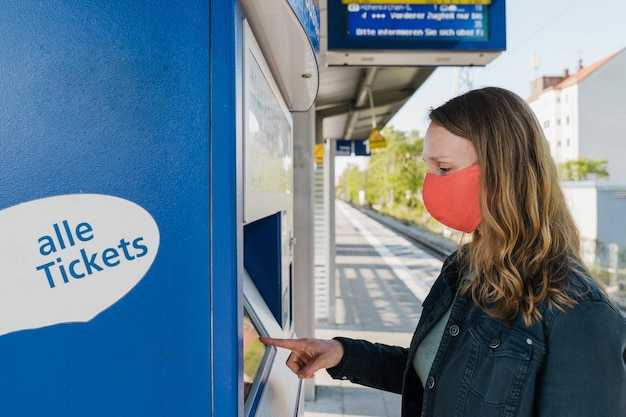
- Carry enough cash or a contactless card; many kiosks show prise options clearly, and you can use panier in touchscreens to add tickets before you cliquez the confirm button.
- Use several routes to reach your destination; recommended paths often involve one transfer at a central hub like Saint-Charles.
- When in doubt, check the route map and use the app to set up arrival alerts; they help you time your next move without rushing.
- If you drive into the city, be mindful of critair zones and plan park-and-ride options near maritime districts; vehicles with appropriate Crit'Air stickers face fewer restrictions.
- For complex trips, outline several options and compare total travel time; this is especially useful for late evenings or when the Nocturnal service is active over the weekend.
- If a line is temporarily disrupted, the system usually offers at least one backup route (second option) over nearby corridors; use the app to indicate the change and proceed with the new plan.
- Always have a backup plan: a nearby tram or bus stop often provides a mini route to your destination if you miss a connection.
In Marseille, public transit blends quick metro hops, scenic maritime routes, and practical bus connections–perfect for exploring the Vieux-Port, Corniche, and surrounding neighborhoods with confidence and ease.
Tickets and Passes: Where to Buy, What They Cover, and Validation
Get a 24-hour Pass at the blue vending machines or RTM counters to cover most daytime rides; it grants unlimited travel on buses, trams, and the metro for 24 hours from first validation. This option is totally hassle-free and a perfect fit if you expect to ride several times in a day.
Where to buy: at major stops with blue ticket machines, RTM offices such as Vieux-Port or Saint-Charles, select newsstands, or online via the RTM app or site. If you arrive late, you can also arrange a pickup with a travel assistant, though this isn’t necessary.
Types include single tickets (t+), a carnet of 10 tickets, 24-hour Pass, 7-day Pass, and monthly Pass. The carnet offers better value than ten singles, and the 24-hour Pass is ideal for a long day of sightseeing.
What they cover: A t+ ticket covers one ride and allows transfers within the 1-hour window; a carnet lowers the cost per ride; a 24-hour Pass covers unlimited rides for 24 hours from first validation. Nighttime travel and weekend service are included when the schedule runs with regular intervals.
Validation: Validate on boarding at the validator near the door; the machine records the time and, if applicable, the zone. Keep the ticket until you exit; if you forget to validate, expect a fine. The process is quick and keeps queues moving at busy stops.
Nighttime tips: For late departures, the 24-hour Pass remains the simplest option; you can hop on and off without worrying about small fares. If you take a minivan shuttle from the airport, note that RTM tickets generally do not cover private transfers; use a fare-compatible option or hire a separate ticket. Alors, you’ll stay flexible with blue signage guiding you.
Helpful notes: If you avez questions, the help desk speaks french and English and welcomes you with clear, concise instructions, avec patient guidance. The signage and the Ticket itself use easy icons, and the taximeter-like readers on some buses confirm the fare as you board, which is part of the standard process for the network. Welcome to Marseille transit–perfect for locals and visitors alike.
Comparison and value: Do a quick comparison of types and consider a round trip if you know you’ll return to the same area. Surveys by kumar and sanchez-clark show the 24-hour option often yields the best value for stays longer than a day, with moindre cost per ride when you ride multiple times. If you travel with a group, the 24-hour Pass can cover everyone, eliminating the hassle of buying multiple singles.
Last note: For a flexible plan, buy available regular passes and top up as needed; the process is straightforward, and you’ll welcome the smoother rides and predictable costs. If you want a perfect balance between time and cost, start with a blue 24-hour Pass and add more if your schedule fills a second day later.
Night Transit: Safe Options and Taxi Alternatives After Dark
Book a licensed taxi from a hotel stand or via a vetted rideshare app and ask for quotes before departure. conseillons voyageurs: verify the car's numéro and the driver's plate, and keep notre contact details handy in case you need assistance. This approach keeps the process polite, predictable, and most secure from the start.
Night transit after hour: generally, buses and trams run after hour with a lighter schedule, but they connect to major hubs in central Marseille. If what you want is reliability, these options provide it. Use the RTM app to check the exact hour and the numéro on the stop board to time your walk from places you visited, like museums. If you're staying near saint-marcel, late routes provide a link to the Vieux-Port and other nightlife districts so you can rove the area safely.
Taxi alternatives after dark include official taxi dispatch numbers and vetted rideshare options. Youve got a polite driver, a clear price before the ride (prices), and a traceable route. If dont feel safe, dont hesitate to switch to another option. Plus, you can ask your hotel for a lettre or a written note to present to the driver; some services offer a free digital receipt or tickets in the app to keep track of your travel. Avez-vous tried this setup before?
Case by case safety tips: stay on well-lit streets and main routes after hour. If the situation feels uncertain, rove only through lit areas near taxi stands or transit hubs. In a pinch, head to a staffed venue or hotel lobby and arrange a new departure. Thank you for planning ahead–your travel back to your hotel should be straightforward, with arrival times (arrivée) and the numéro of the taxi confirmed.
Museums and late openings: when planning a late return, check last departures and consider pre-booking a taxi or rideshare to avoid waiting. Prices and tickets can vary by service, so verify the cost before you depart. If you’ve got a late-night museum visit, keep a backup option ready and know the fastest route to your hotel. You can also carry a simple lettre from the hotel to confirm pickup if needed and ensure a smooth arrivée back to your hotel.


