



 Ελληνικά
  English (UK)
  Русский
  العربية
  日本語
日本語  한국어
한국어  Magyar
  Türkçe
  Español
  Čeština
  Svenska
  Português
  Suomi
Suomi  Nederlands
  Română
  Italiano
  Français
  Polski
  Українська
  Deutsch
  简体中文
简体中文  Slovenčina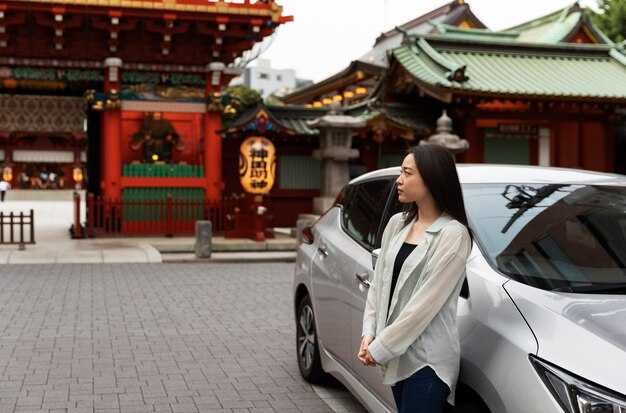

Take a metered taxi or use a ride-hailing app for predictable fares. In central Tokyo, the base fare starts around 410 JPY for the first 1.052 km, with distance-based charges around 80–90 JPY per 300–350 meters thereafter and a late-night surcharge of about 20%. You can easily compare rates on the operator’s site or within the app, and information is updated by major firms to reflect traffic and area changes.
First, decide between flag-down options and app-based rides. In central areas, flag-down taxis are common, but wait times vary with demand. For more predictable costs, use major apps that show distance-based estimates before you ride. You can also check fare information on the site. Some taxis offer wi-fi inside the car to help you stay connected while you travel.
Tokyo particularly benefits from clear pricing. Each area uses the same core structure: a short initial fare, then distance-based charges, plus possible surcharges. If you travel with luggage, plan for extra handling time at busy stations. For short hops, flag-down can be convenient; for longer trips, apps help you lock a fare and avoid surprises. Also, consider good options that cover central areas and outer neighborhoods to fit your schedule.
Airport trips in Tokyo illustrate the range. From Haneda, expect roughly 5,000–6,000 JPY to central Tokyo; Narita trips run about 20,000–30,000 JPY depending on traffic and tolls. Some airport taxis offer fixed rates, and you can confirm these on the site or via major apps. If you’re staying in a good hotel near a central station, you may prefer rides that avoid rail transfers, as city-wide efforts to streamline airport transfers continue.
To finish, pay attention to payment options. Many major firms accept credit cards or IC cards, and you can also pay by smartphone in some cases. Tipping is not expected in Japan, but rounding up to the nearest 100 JPY is appreciated. For faster handling, have your destination written in Japanese or shown on a map to help the driver find the right street quickly.
Meter Basics: How the fare starts and grows
Know the base fare: Tokyo taxis start at about 410 yen for the first 1.052 km. After that, the meter adds roughly 80–90 yen for every 237 meters or 60–90 seconds in slow traffic. Late-night surcharges push the total up by about 20% from 22:00 to 5:00, and highway tolls are added on top when you use toll roads. If you’re leaving from bustling hubs like Roppongi or Shibuya, even a short ride can climb quickly; the path the driver takes affects the final number, especially in dense streets where detours creep in. These rates are based on standard city tariffs, but expect variations in rural areas or places like Nago. For a typical 3–5 km downtown ride, expect roughly 1,000–2,000 yen; check the marquee display in the front window for confirmation. Watching the meter helps you plan, and you can cover any overages with a calm, polite request to verify the route if needed. In areas with old ruins or forested outskirts, the road layout can add distance and time, pushing the total higher than a straight-line estimate.
These factors determine how fast the meter grows: distance, time, and any tolls. When you hail a taxi, the meter starts once you sit in the front seat and the driver begins the trip. The meter increases with every 237 meters or every 60–90 seconds in traffic; in busy districts like Roppongi’s marquee-lit streets, a detour for a longer path can push the fare above the baseline. If you’re getting a long ride to a rural or forested area, the cost can cover covering longer distances and occasional waiting. When planning tours or a city quest, consider whether a fixed-price option would be better; some operators offer tours with set fares to minimize surprises. If you need to stop along the way, say tomete.
Getting a quick baseline
Baseline numbers: base fare ~410 yen; increments ~80–90 yen per 237 m; late-night surcharge ~20% (22:00–5:00); highway tolls add on top; in busy routes like near Roppongi, add about 10–20% more depending on detours; for a 3–5 km ride, plan on 1,000–2,500 yen depending on traffic. Always verify the front meter; if you plan long taxi tours, compare with a fixed-price option to avoid a long road.
Tips, etiquette and practical moves
Tipping is not common in Japan; you can simply round up the fare or thank the driver. Avoid tipping; tipping is not expected. Etiquette: sit in the front when comfortable; ask for a direct route to minimize costs; use hailing in crowded areas or order via an app where available. If you’re paying with cash, have a mix of coins to handle small increments; for long rides, consider a taxi-tour with a set price to cover a specific route. This approach will help you manage costs and enjoy more seamless transfers, from Nago to central urban centers, or rural forest road connections. If you need to stop or adjust on the way, say tomete and do so politely.
City Fare Ranges: Tokyo, Osaka, Kyoto at-a-glance
Recommendation: Budget for typical 2–5 km city rides: Tokyo 1,000–2,800 JPY, Osaka 1,000–2,400 JPY, Kyoto 1,100–2,600 JPY; Tokyo tends to be higher, while Osaka and Kyoto offer similar mid-range costs, considering airport trips, nighttime surcharges, and city geometry.
Fare snapshots
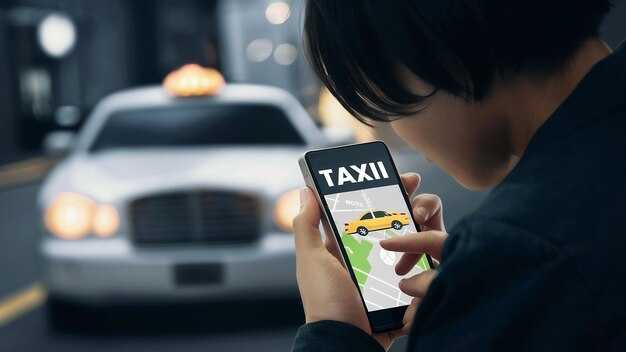
- Tokyo: Base fare around 410 JPY; each 237 m adds about 80–90 JPY; simple daytime trips 2–5 km usually 1,000–2,800 JPY; 5–8 km 2,000–3,800 JPY; airport trips (city center to Haneda area) typically 4,000–8,000 JPY; Narita-bound rides can exceed 12,000 JPY; nighttime surcharge around +20% from 10 PM to 5 AM; meter coverage is consistent, which comes in handy for planning and is covered by most companies.
- Osaka: Base fare around 410 JPY; increments ~80–90 JPY per 240 m; 2–5 km daytime rides 1,000–2,400 JPY; 5–8 km 2,000–3,800 JPY; Kansai Airport rides 4,000–7,000 JPY; night surcharge +20–30% after 10 PM; handling is straightforward, and transitions between neighborhoods stay predictable with the major company apps.
- Kyoto: Base fare around 420 JPY; increments 80–90 JPY per 260 m; 2–5 km 1,100–2,600 JPY; 5–8 km 2,100–3,800 JPY; airport trips via Itami or Kansai 6,000–9,000 JPY (Itami) or 8,000–14,000 JPY (KIX); nighttime surcharge similar; simple routes around heritage zones can be slightly higher due to winding streets, while the core pricing remains comparable.
Practical planning and tips
- Planning ahead: use app quotes to compare, since some routes have flat airport rates; this also helps you avoid overcharges during peak hours. In this article, consider checking the prices from major company apps to get the right estimate and keep your quest for budget-friendly trips on track.
- Flexibility and transitions: for a city quest, explore options by distance; some rides benefit from shared routes offered by major companies, while others are straightforward meter-based; transitions between neighborhoods can affect time and price, so look for routes that minimize backtracking for better handling.
- Parking and waiting: long stops mean extra charges; factor waiting time into your plan, especially near tourist sites.
- Where to ride: center districts have the best coverage; near stations you get faster pickups, while remote areas can take longer to locate.
- nakagusuku note: the same fare logic applies regionally, so planning in one area helps in another–even when you’re touring smaller towns.
- Next steps: if you’re exploring a city, compare prices with a couple of apps, especially for airport runs and late-night trips; looking to save money, make this a simple habit and you’ll stay within budget.
Street Hailing: 3 practical tips to catch a taxi quickly
Stand at a central, well-lit curb on a busy street and hail with a clear, steady hand to maximize your chances within the first 60 seconds.
Keep yourself visible and avoid stepping into traffic while a taxi approaches; if it slows, make eye contact and gently nod to indicate you want to hire. If the car turns (hidari) at an intersection, stay in the safe zone and wait for the turn to complete before moving closer.
Tip 1: Choose central pickup points and signal clearly. Locate a central curb near a major intersection or hotel drop-off where traffic flows and taxis pass with ample frequency. Stand with feet planted, palm open, arm extended smoothly, and face the driver as the cab nears. This reduces hesitation, especially on tours or visiting routes that draw more riders in the area.
Tip 2: Have the destination ready and use input when possible. If you can, input the address into a navigator or show a nearby landmark to the driver to avoid getting lost. For distance-based fares, confirm the expected meter behavior before starting and be aware of additional charges like tolls. Some taxis offer wi-fi; if you need it during a longer getting or adventure, ask briefly before departure. If you’re visiting heritage sites, mention the specific spots to keep the route efficient.
Tip 3: Manage fare expectations and signaling cadence. Standard fares in Japan are meter-based, so expect a distance-based rise as you move. Tick the meter by staying seated and avoid unnecessary back-and-forth; if you need to stop at a particular turn, say “turn” clearly and point to the spot. If the curb is limited or a pickup is crowded, switch to a nearby visible spot or ask a nearby driver for input on the best nearby stand. For larger groups or longer hops, consider a hire option only after confirming the rate and any additional charges.
| Περιοχή | Typical behavior | Quick action |
|---|---|---|
| Central Tokyo streets | High turnover; taxis pass frequently | Stand on a central curb, signal early, keep eye contact |
| Kyoto downtown | Moderate demand, queues near stations | Use curb with good visibility; have destination ready |
| Ryukyu regions (Naha, Okinawa) | Smaller fleet, waits can be longer | Head to main thoroughfares or hotel stands; confirm fare before hiring |
Surcharges You Might Encounter: Night, tolls, rush hour
Budget an extra 20-40% for night trips, plus tolls; use an online fare estimate before you ride to avoid surprises and compare offers from different services.
Night surcharges kick in in many cities after around 22:00, adding roughly 20% to the base fare; in busy periods or on longer trips, the bump can reach 30% or more.
Tolls on expressways add costs you should plan for; a short inner-city leg may cost little extra, but a longer route to the coast or a resort area can add 300-1,500 JPY per leg, or more when highways are used.
Rush-hour rates appear in some hours on commuter routes; during peak times in both big cities and tourist hubs, the cost can rise by 10-20% on top of the base fare. Almost always, a surcharge applies during these windows.
When you hail a taxi, costs can vary based on whether the ride is reserved or hailed; reserved rides may offer a fixed or capped fare, while hailing can come with longer waits and higher surge costs in busy districts.
For trips that include Toyosaki or Gyokusendo, long routes and highway tolls can push the total higher; weve found that apps and online shopping platforms with live estimates help you plan before you ride and spot affordable options or offers.
Practical tips to reduce surcharges
Use online tools to get an estimate and compare vehicle types; during night or rush hours, choose a shorter route that avoids tolls when possible, and consider a reserved service if it keeps the cost predictable.
Pair up with a travel buddy to share the cost on longer trips; both travelers can save when you book a service with a fixed fare or discount offers; adventure-seekers traveling between cities like Toyosaki and Gyokusendo should check toll routes in advance.
Estimating Fares Before You Ride: Quick scenarios
Make a quick, practical forecast before you ride: initial fares in Japan start around ¥410–¥730 in most cities; add roughly ¥80–¥100 for each extra kilometer and a short waiting fee during moving traffic. tomete adjust as you compare options to keep every estimate right for planning transitions between areas. This article covers common, actionable numbers you can rely on.
Scenario 1: Short ride in central areas
A 2–3 km trip within central wards is usually around ¥1,000–¥2,000. If you move into slightly heavier traffic, the meter climbs by a few hundred yen. To stay comfortable, pick a pickup point on a main road and confirm the route on the app so your vehicle stays moving toward the right destination and you stand ready for the pickup. For predictable costs, ask about fixed-rate options available in some areas, especially for airport transfers and late-night rides. please have cash or a card ready at the pick-up.
Scenario 2: Rides to airports or less dense areas
In suburban zones or for airport runs, expect ¥2,000–¥4,000 depending on distance, time of day, and tolls. A fixed-rate paid option can be worth it for an affordable, predictable price, particularly when paths through busy corridors add minutes to the ride. If you choose a larger vehicle or a paid service, anticipate a slightly higher fare but a more comfortable experience for luggage. During planning, check your pick-up spot and the path to minimize extra kilometers, and decide whether a standard vehicle or a larger one best fits your needs. arigatou
Paying and Tipping: Etiquette and payment methods
Before you ride, know your options and keep the plan simple: carry yen for the fare and tolls, and confirm payment methods with the driver at the open taxi stand. In tokyo, the base fare starts around 410 yen, and a short hop in central tokyo often stays under 2,000 yen, while airport trips can run higher due to tolls and distance. If you’re venturing from the airport toward the south side or a hotel near toyosaki, budget for express tolls and possible congestion at rush hour. A reliable taxi queue at the airport or major stations is available, and you’ll often see signs indicating card acceptance. If you want flexibility, choose a fleet that offers card terminals or IC card readers–these options are common on routes through central tokyo and at tourist touches such as tours near the city center.
Payment methods
Cash remains the simplest option, but card and IC card payments are available on many taxis, especially in tokyo, at airport stands, and in luxury fleets. Look for a payment icon on the meter or ask the driver before you sit. Suica, Pasmo, and other IC cards work in many vehicles, speeding up the process when you’re traveling with luggage or venturing between stations. If you prefer cards or mobile wallets, select a taxi with a card terminal or a partner app; before you ride, confirm the method to avoid delays during peak hours. For routes that go through open expressways, tolls appear on the meter and are charged to you, so have extra yen ready. Some operators offer fixed-rate options that cover fare and tolls, which can be a simple choice for a south tokyo itinerary or a day touring into toyosaki and nearby districts.
Tipping etiquette
Tips are not common in Japan; a quick thank you at drop-off is enough. If you want to show appreciation for exceptional service, keep it simple: a polite word and a small gesture, or, only if the driver invites it, leave a tip left in yen as you exit. Do not leave money in the cab or in the pocket, and avoid pressuring the driver for change. For airport transfers or premium tours, gratuity is rarely expected, but good service deserves acknowledgment with a smile and kind words.
Alternatives to Street Hailing: Apps, stands, and hotel pickups
Book a ride through a trusted app to lock in a fare before you step outside and to track your car in real time.
Apps to consider in major cities include DiDi, JapanTaxi, and LINE Taxi. They provide fare estimates, driver and car details, and arrival updates, so you can plan your route and avoid flag-down risks. Typically, you’ll choose pickup, confirm a car type, and pay via the app or at the end, with a clear receipt showing distance and time. If you’re traveling with wi-fi or strong mobile data, you gain real-time updates and fewer surprises on the road.
Stand-and-pickup options and hotel services offer concrete alternatives when you prefer in-person coordination. Look for official taxi stands near stations or airports; signs and staff guide you to the correct queue, and glass-fronted cabs usually display clear logos and meters for transparency. When you stay at a hotel, the concierge can arrange a pickup in the lobby, share the driver’s details in advance, and confirm the estimated arrival time, which helps passengers manage luggage and time more reliably. For longer or custom itineraries, hotel pickups provide a dependable bridge between your planning and the road.
Planning scenarios help you pick the best option. If you’re exploring heritage sites like gyokusendo or other cultural spots, a pre-booked ride via app or hotel pickup minimizes transfers, covers larger distances, and reduces waiting by the road. Whether you’re in the kingdom of Japan’s cities or smaller towns, these options cover the majority of trips and offer predictable fares, room for other passengers, and clearer safety cues (driver identity, license plate, and company name) than flag-down hailing. When you estimate fares, factor in peak times, traffic, and your luggage needs; in many cases, a booked ride is more reliable and safer than waiting on the road.
Σχόλια