



 Ελληνικά
  English (UK)
  Русский
  العربية
  日本語
日本語  한국어
한국어  Magyar
  Türkçe
  Español
  Čeština
  Svenska
  Português
  Suomi
Suomi  Nederlands
  Română
  Italiano
  Français
  Polski
  Українська
  Deutsch
  简体中文
简体中文  Slovenčina
Head out with a clear plan to cover a short, walkable loop around the Colosseum site, Roman Forum, and Pantheon, then rest at a park with a view. Wear comfy shoes and pack water for Rome’s heat in the afternoon.
For longer hops, offers reliable options: taxi, kiwitaxi, or public transit; book ahead, confirm driver name, and check live ETA so you reach the plane on time. Bring a small site map on your phone for quick checks.
Night reveals new angles: see Trevi Fountain glitter, Campo de’ Fiori energy, and Villa Borghese terraces. Those views, explored by lanterns and street life, come alive as the crowds thin and the city cools, ranging from lanterns to sunset silhouettes.
Food tip: allamatriciana shines at trattorias near Trastevere; pair with a glass of wine and a quick espresso. Lovers of Roman food will notice how pasta shape changes with the sauce on your plate.
theres a quick note on pacing: keep to a site-ready loop, pace yourself, and check heat and night hours. This guide offers a head start for exploring the Rome site with confidence.
Rome Travel Guide Infographic
Book timed entries for the Vatican Museums and Colosseum, then explore the city on foot to beat crowds. Prices vary by site and season, so purchase tickets online in advance and keep the confirmation on your phone. Between major stops, map a compact loop linking the Pantheon, Trevi Fountain, and Trastevere for something memorable. The city can feel packed in peak hours; when crowds peak, seek shaded corners; beware of hard-to-spot lines and cars lingering near crowds. the pace can be hard on your feet. reading a simple map helps you plan within walking distance of key locations and avoid getting lost. Rome’s extensive transit makes it easy to move between districts, while an espresso stop or gelato break can catch a moment of luxury in the day. pepper aromas drift from markets, reminding you to pause and soak in daily life. These tips help you make the most of your time in a city that has something incredible at every corner. sitting in a quiet square with espresso and gelato gives a perfect pause.
Smart Stops and Pace
Walkable routes connect major landmarks; balance long walks with short rests to keep the day enjoyable. within the historic core, walking is fastest; extensive bus and metro lines help you reach locations farther afield. When you’re working with a tight schedule, reading a map and planning the day in chunks keeps you on track. Prices for tickets and passes vary; purchase the most suitable option online and keep confirmations handy. Catch a quick espresso and gelato break between stops, and sit to watch the city life unfold. The pepper scent from a market stall hints that you’re in the right neighborhood for authentic bites.
Tickets and Local Flavor
Reserve timed entries to reduce lines; purchase tickets for Vatican and Colosseum online well ahead. Prices change by season; reading the official sites helps you spot the best deals. In addition to major sites, use the extensive network to reach neighborhoods like Monti or Testaccio for a more relaxed pace. When you want something lighter, grab gelato or a coffee in a tiny cafe, often packed with locals at off-peak hours. Sitting in a sunlit square beats standing in line, and a short break can make the rest of the day feel effortless.
Best 48-Hour Rome Itinerary by District
Purchase skip-the-line tickets online for the Colosseum and Roman Forum to save hours, then organize a district-first route that keeps you moving without wasting daylight. Start in Centro Storico and loop to Monti, with a relaxed tempo and plenty of shaded breaks.
Day 1: Centro Storico & Monti
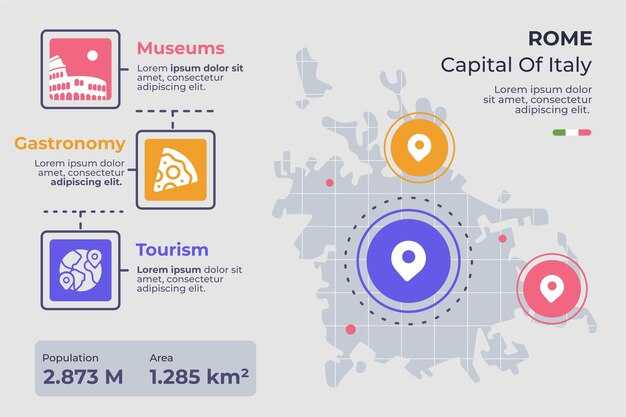
Rise early and head to the Pantheon area; the marble dome glows at dawn. Read the city signs, follow a tight route to Piazza Navona, then make a quick detour to Trevi Fountain and the Spanish Steps. Next, stroll into Monti for lunch, where you can sample supplì, carciofi, and a crisp Roman espresso in a boutique cafe. Pack light bags and wear a comfortable scarf; Monti’s lanes are cobbled and easy to navigate on foot. To avoid long lines, purchase a combined ticket for the Colosseum, Roman Forum, and Palatine Hill ahead of time and transfer by a short walk or a bus line andor tram if you prefer. In Monti, the design of your map matters: keep a compact loop, then sit for a sitting break in a quiet piazza. The energy among locals is warm, roman hospitality from shopkeepers is smooth, and you can read a local menu while deciding on a specialty like cacio e pepe or amatriciana. After sunset, head toward Capitoline Hill for city views and a magic glow on ancient stones, then finish with a casual dinner in Centro Storico or a rooftop bar downtown. When crowds spike, stay alert and choose quieter streets for a final, relaxed stroll.
Day 2: Trastevere & Vatican Area
Begin in Trastevere with a morning stroll along cobbles, then cross the Tiber for a taste of Campo de’ Fiori and the Sant’Eustachio coffee you need to power through the day. If you crave a Sunday market rush, Porta Portese is an option with loads of stalls and inexpensive finds; otherwise enjoy a slower pace, stopping for a light breakfast and a fresh ricotta pastry. The arcades here offer roman hospitality in cozy corners, perfect for a quick sitting break and a sharpened eye for design in handmade goods. Next, take a transfer to the Vatican area. Pre-purchase timed-entry tickets for St. Peter’s Basilica and the Museums to minimize lines; even a short queue becomes tolerable when you have a plan. The Basilica’s vast interior and the Sistine Chapel ceiling are awe-inspiring; allow time to linger on the square and listen for the sound of church bells. Afterward, return toward your lodging by metro lines A or by a scenic walk along the river, fueling fatigue with a gelato and a light scarf around your neck. If you still have energy, read through Pinterest boards or Reddit threads for last-minute dining picks and local specialties to close your two-day loop. Easier with a lighter pack, you can pivot to a final stroll along the Tiber or a quick, relaxed transfer to your next stop.
Getting Around: Metro, Buses, Trams, and Walking Routes
Buy a ROMA 24H transport pass at machines near stations or Tabacchi to save money and time. This pass covers metro, buses, and trams for the day and makes it easy to follow your agenda without hunting for tickets after every ride.
Metro and Rail
Rely on the metro for fast links across central Rome. Line A (orange) and Line B (blue) connect key sights; you can reach Vatican City and the Colosseum with simple transfers. Trains run from early morning to late evening and get crowded during peak hours, so plan travel outside rush times whenever possible. Always validate your ticket on entry and keep it handy until you exit. Tickets are available at machines and Tabacchi; booking a pass in advance can smooth your day and avoid queues.
- Tip: Use the official app to check lines, schedules, and any service changes; this is a reliable way to avoid getting stuck in crowds.
- Express options exist to reach major sights quickly; these lines help when you’re short on time and want to see places in a day.
- Rental options near stations include bikes and e-scooters; loads of small shops offer daily rates for city hops, letting you cover tons of ground without large bags.
- Dogs are allowed on many lines when leashed; verify in advance if you’re traveling with a larger dog or a carrier for comfort.
- Money-saving tip: use contactless payment where available; it speeds up entry and reduces handling of tickets.
Walking Routes
Walking is a fantastic way to encounter tons of gems tucked into Roman streets. A roman-style route packs piazza after piazza with fountains, churches, and shops. Start at the Spanish Steps (Piazza di Spagna), swing to Trevi Fountain, then loop to the Pantheon and Piazza Navona. This 2–3 km walk keeps you in the heart of historic Rome and minimizes the need for bags and extra transport.
- Route 1: Piazza di Spagna → Trevi Fountain → Pantheon → Piazza Navona
- Route 2: Vatican area → Castel Sant’Angelo → Trastevere via Ponte Sisto for a lively, pedestrian-friendly finish
Practical notes: carry a lightweight bag, wear comfortable feet, and take breaks at a piazza cafe for language-friendly tips from locals. If you’re on a tight schedule, booking a guided or audio tour along these routes can help you maximize time and avoid long lines. For late arrivals, plan your steps from the airport with a small express transit option, and keep your flight times in view to avoid rushing.
Where to Stay: Neighborhoods for Easy Access and Budget
Choose Monti for easy access to sites and budget stays. This area sits near the Colosseum and Termini, offers fixed room rates, many hotels, and a lively energy that blends italians, locals, and travelers. Trattorias line the lanes, markets spill into the squares, and a sign on every block points to the next landmark. You’ll find trains to museums and day trips, with links to maps and guides that simplify planning. Reading through guest tips helps you pick a place that suits both sleep needs and price points. This matter is simple: budget stays near trains keep trips relaxed and affordable.
For a slower pace with a real neighborhood vibe, Trastevere offers options that are friendly to budgets. It’s packed with budget hotels and guesthouses, and the energy in the piazzas is awe-inspiring after sunset. Crowds can be heavy near the river, yet most sites are still reachable on foot in 15–30 minutes or quick rides by trains to Termini. Markets and souvenir stalls let you bring back a real piece of Rome, and trattorias serve affordable meals that italians love. This area feels both lively and welcoming, fostering learning about daily life while you eat and stroll. People mingle freely, and energy stays high even after the sun goes down.
Smart picks and practical tips
Monti and Trastevere cover many angles. If you want a fixed base with easy trains to trips, museums, and markets, Monti stands out. If you prefer a walkable vibe with a real, reading-friendly atmosphere, Trastevere shines. In both neighborhoods, plan walks that reveal sites, churches, and hidden trattorias; stay in hotels or apartments with good link access to Termini and other hubs so you can move freely. Souvenirs, reading, and energy align to make your Rome stay memorable–real experiences that italians and visitors value. This article shares practical details to help you decide which area matter for your plans.
Top Ancient Sites and a Smart Route
Start at the Colosseum at opening time to beat the rush and discover the amazing arena, located in the heart of Rome and still dominating the skyline. The front entrance is a photography magnet, and the ground around the arches feels charged with history, a perfect kickoff for a day that proves how much this city has shaped the world.
From there, stroll the Roman Forum and climb Palatine Hill, which sit side by side and let you read centuries of daily life in stone. It takes about 2 to 3 hours to cover the main ruins if you move steadily, and you can carve out longer breaks by using a compact storage solution for water and maps so you stay hands-free while you explore.
Next, head to the Pantheon, a famous temple whose dome still inspires awe, then wander to the piazzas around Trevi Fountain and Piazza Navona. The route keeps you close to heritage sites while letting you enjoy short tram hops when you need a breather; you’ll find quiet corners that feel far from the crowds as you step onto the ancient ground and soak in the atmosphere.
Food breaks fit naturally into the plan: try a simple dish of pecorino and pepper on a local board, grab a fried pastry, or savor tiramisu at a nearby café. These small bites complement a day of discovery and help you keep the momentum without losing momentum–that dream Rome balance you’re after, when working through a well-planned route makes the experience smooth and delicious.
Culinary Stops: Gelato, Pizza, and Trattorias on a Budget
Start with a gelato near the Trevi Fountain to fuel a day of exploring, then keep the scoop small to stay on budget while you wander the narrow streets. A quick, better option is to choose a shop with visible fruit flavors for a refreshing balance between price and quality.
Gelato tips: look for a shop with clean glass, buy a single flavor for a lighter cost, and avoid extra toppings that can push the price up. An extensive flavor list can still stay low-cost if you pick one dependable option and savor it slowly as you stroll between viewpoints, letting the neighborhood aromas guide you. If you’re traveling with friends, rotate flavors to taste more without multiplying costs, a simple insider trick that yields more variety at the same value. drink water between stops to stay hydrated and keep your energy level even.
Gelato and Pizza: Budget-Friendly Transitions
Pizza by the slice offers an efficient way to feed a traveling crew, with typical slices ranging from 2.5 to 4 EUR depending on the area. In busy zones, lines often signal turnover and freshness, so a quick bite by a fountain side can be both tasty and practical. If you’re staying near borghese areas, look for pizzerias that sell by the slice rather than whole pies to stay on a low-cost plan while still sampling the city’s crusts.
General guidance: choose places where the menu is straightforward and portions match your appetite. A small, shareable pizza can become a reliable staple during a day that includes museums, churches, and a few leisurely strolls. This approach keeps you well within a reasonable budget and lets you cover more ground without sacrificing flavor.
Trattorias and a Simple Allamatriciana Strategy
Trattorias off major tourist routes generally offer better value than waterfront eateries. Expect pasta dishes in the 12–18 EUR range and hearty sauces that pair well with shared bread and water. For a classic Roman option, allamatriciana can be a reliable, budget-friendly choice when you spot it on the daily specials board. If you’re unsure, ask the waiter for the “piatto del giorno” and you’ll often discover a satisfying alternative under 15 EUR. Insider tip: order a pasta main and a shared antipasto for a balanced meal without overspending, and save room for a light dessert.
| Περιοχή | Place | Τύπος | Typical Price | Σημειώσεις |
|---|---|---|---|---|
| Borghese | Local gelato cart | Gelato | 2–4 EUR | Seasonal flavors, add-ons push price up; keep it simple |
| Near Trevi Fountain | Pizzeria al taglio | Pizza by slice | 2.5–4 EUR per slice | Look for turnover; good value for quick meals |
| Testaccio | Trattoria tradizionale | Pasta main | 12–18 EUR | Daily specials; allamatriciana sometimes on the board |
| Trastevere/outer routes | Casual trattoria | Pasta + pizza | 12–18 EUR | Insider trick: ask for menu del giorno |
To expand your options, check a google guide or a forum for up-to-date, low-cost picks in specific areas. These sources often list places that still feel local and genuine, helping you build a practical list for traveling days. The article format here offers something concrete: a balanced approach that keeps meals satisfying without turning a Rome itinerary into an overlong schedule.lets encourage a steady pace, moderate spending, and opportunities to try something new with every stop, while keeping your overall budget in check for a richer overall experience.
Vatican Museums: Booking Tips, Timed Entry, and Crowds
Reserve a timed-entry online at least two weeks ahead, then head to the entrance at opening time to shorten lines and reach the galleries with calmer crowds.
Booking tips and practicalities
Use the official Vatican Museums site to book a timed entry which usually includes a fixed entry window. When you checklists, note the card you’ll use for payment and keep the booking reference handy. Distances from the Ottaviano area are walkable, so plan a smooth start from your hotel or transit stop. Pepe tips: which seasonality affects availability, so check dates a few days ahead. If you wish, consider exclusive add-ons like guided routes offered through official partners.
- Bring the card used for purchase and a photo ID for verification.
- Checklists include: booking reference, QR code (print or save on your phone), comfortable shoes, and a small bag for essentials.
- Prices and options may include a commission; confirm total before paying.
- Wheelchair or stroller needs? Rental and accessible entrances are available on site.
Crowds, timing, and routes
Lines usually shrink dramatically with timed-entry, but on peak days some queueing appears at the main doorway. When you plan your route, choose a path that starts with the Sistine Chapel and then moves toward quieter galleries, which can save you time and preserve your energy. Whether you travel as a couple, with friends, or as a family of lovers of art, a well-structured plan helps you taste highlights without feeling rushed. The capital Rome sits nearby, and you’ll often hear locals say the best plan is to visit early, then take a break and return to the galleries that interest you most.
- Arrive at or before opening for the lightest crowds and true clarity of the routes.
- Late afternoon entries are usually quieter, but some sections may close earlier; check today’s schedule.
- Accessible entrances and elevator routes help if you’re visiting with mobility needs; dogs are not allowed in galleries, except service animals.
- For a smoother day, consider a rental wheelchair if needed and plan rest stops; there are comfortable cafés just outside the museum complex.
- If you’re arriving from afar, kiwitaxi offers transfers from airports or train stations to the Vatican area, making the journey easier for big groups or those traveling with children.
Seasonal Packing and Weather: What to Expect and What to Pack
Pack a flexible, layered wardrobe for Rome: breathable tees, a light sweater, a compact windbreaker, and comfortable walking shoes. Add a scarf for interiors and chilly evenings, plus a small umbrella for quick showers. Create a packing list that covers your travel window, not a one-size-fits-all bag.
Spring (March–May): Daytime 15–23°C (59–73°F); nights 9–14°C. Expect occasional rain, so carry a light jacket and compact umbrella. A breathable scarf helps in churches and museums with cool air conditioning. Choose multi-purpose pieces that mix with brands you already own; a plazzetto-ready dress made to pair with a cardigan works well for dinner near a plaza.
Summer (June–August): Daytime 28–34°C (82–93°F); humidity high; plan outdoor sightseeing for early morning or late afternoon to avoid the rush. Wear breathable fabrics, a wide-brim hat, sunglasses, and comfortable sandals. Stay hydrated; carry a small pack for day trips to parks such as Villa Borghese. At midday, cool interiors in museums or churches help you recharge; check for free hours on some days and plan accordingly.
Autumn (September–November): Daytime 18–26°C; nights 12–18°C; rainfall increases toward November. Pack a light waterproof layer and a medium-weight sweater. The weather invites long strolls through plazas; keep a scarf handy for chilly evenings. The city often sees a smoother rush as school groups come and go, so time your queue around lunch hours.
Winter (December–February): Daytime 8–15°C; nights 2–5°C; rain possible several days each month. Layer up with a warm coat, a scarf, gloves, and waterproof footwear. Museums provide captivating warmth and calm; indoor dining is a must, with meals like allamatriciana made to enjoy after a museum visit. If you fly in, plan your plane arrival and choose a reliable shuttle to reach your hotel.
From plane arrival to hotel, book an airport shuttle or train and use city transit to move between sights. Keep cash for markets and street vendors, but cards cover most cafes and museums. A quick chat with an advisor or a travel forum helps tailor your plan. For a day of exploring, visitors come prepared to keep pace without miss highlights or long lines.
Rome serves a captivating mix of cuisine and culture: sample classic dishes near a plazzetto after a museum stroll, and save room for a late dinner. For packing, keep a compact bag with a water bottle, a city map, and a small pad for notes from your advisor and forum tips. The dream of discovering Rome comes alive when you come prepared, avoid long queues, and explore the Forum, parks, and museums with ease.
Σχόλια