
Taxi Safety in Lima and Other Peruvian Cities | Travel Tips and Safety Advice – Part 5

Always use official taxis or trusted ride-hailing apps from the airport, hotel, or a known taxi stand. In metropolitan Lima and other largest Peruvian cities, plan ahead, confirm the driver’s name and plate in the app, and make sure the meter is on or a quoted fare is visible before you start. Please keep the app open and share ride details with someone you trust.
Look for official branding in colors on the doors and dashboard, and verify the vehicle matches the photo and license in the app. Buckle your belt and avoid extra stops; if the driver asks you to go somewhere unfamiliar, cancel and request another ride. These steps reduce risk at any time of day.
Know the official pickup points and hours for airports and the largest fleets to avoid street-hail chaos. For visiting expats and travelers, use only established fleets in Lima's metropolitan belt and in other cities like Arequipa and Trujillo. These fleets usually offer receipts, driver verification, and GPS tracking, which helps anyone track the ride in real time or share details with them.
When visiting nightlife districts, walk to lit corners and wait at official stands; if a ride seems late or the driver can't provide a clear route, ask for a different car, cancel, and request another ride. In the city center and tourist zones, some drivers may tailgate or pressure you to change routes; stay calm, decline, and report suspicious activity to the official transport authority. Rodriguez may be a common local name you hear among vetted drivers, so ask your hotel staff for a verified contact if you must book by phone. The safety measures in the century of rapid transport updates rely on clear IDs and real-time tracking.
For a smooth experience, combine these checks with one simple routine into your travels: always choose official transport options, confirm the fare before departure, and bookmark a fallback ride. This approach is perfect for anyone visiting the region, and it helps expats stay safe hours after arrival. Please remember to look for transport options that offer receipts and share your trip with a trusted contact at times of uncertainty.
Taxi Safety in Lima and Other Peruvian Cities – Part 5: TAP WATER RISK HIGH
Always boil tap water or use bottled water for drinking and brushing teeth in Lima and other Peruvian cities. TAP WATER RISK HIGH requires you to treat water before consumption and avoid ice from unknown sources. In historic and historical districts, infrastructure gaps can raise contamination risk, and the population relying on municipal supply may face interruptions. For travelers with families, pack suitcases with sealed water bottles and carry a reusable bottle to refill from trusted sources in hotels or reputable cafes. youll find bottled water from reputable brands is the safest option, and many venues label their water source. Hotels and buildings often offer filtered options, making it easier to stay hydrated during long hours of sightseeing. We recommend watching a video to create a personal safety plan before you travel.
Measures you need to follow now: check bottle seals, avoid tap water for ice or rinsing produce, and use electrolyte drinks if you suspect dehydration after a day of travel. If you are alone, stay in well-lit, busy areas and protect yourself and your property. Although you may exchange money only at official offices, avoid street exchanges to reduce risk of scams. For monthly safety, ask your accommodation about water safety statements and use buildings with in-house treatment. If you need to wash produce or brush teeth, use water from trusted sources; then drink only bottled water. Then plan to review receipts at the end of the month and keep track of any charges you think are made in error.
Taxi safety tips for travelers
Create a simple driver-check routine before each ride: verify the fleet is licensed and displays stickers, confirm the driver name and vehicle, and use an app that shows the route hourly and fare. If something feels risky, take another option. youll also watch a short video to reinforce safe behavior, then keep your suitcases close and your valuables secured. In busy hours around historic buildings, often very common scams target travelers; stay in well-lit areas and avoid accepting unsolicited rides. Long trips between cities should be planned with official fleets; if a ride feels off, ask for a new car and report the incident to the app provider. After each trip, review charges and, if needed, request a fine refund or clarification. This routine helps travelers, families, and solo travelers protect themselves while moving through crowded districts and historic sites.
Use Licensed Taxis or Reputable Ride Apps Only
Always choose licensed taxis or reputable ride apps only. Verify the taxi is registered, carries official stickers, and the license plate and vehicle details display correctly in the app, not on random photos. In the center and in perus towns and valley routes, rely on a service that provides an estimated fare and live tracking, particularly when travelling with families. For hour-long or late-night trips, this approach stays affordable and safer than street hails. Use the operator’s website to confirm licensing, rules, and contact options; this helps customers and drivers stay within safe parameters. If a driver cannot show proper documents or the car lacks credentials, these arent legitimate options; walk away and request a ride from another licensed provider.
Keep an eye on the ride’s display before boarding: the app should show the driver’s name, photo, car model, and license plate, reducing the chance of mismatches in busy traffic. Restaurants and other crowded spots can attract unofficial cars, so stick to a pickup point shown in the app or at a recognized taxi stand. The right choice is one that clearly shows real information and offers a secure exchange of trip details through the platform.
Safety checks at a glance
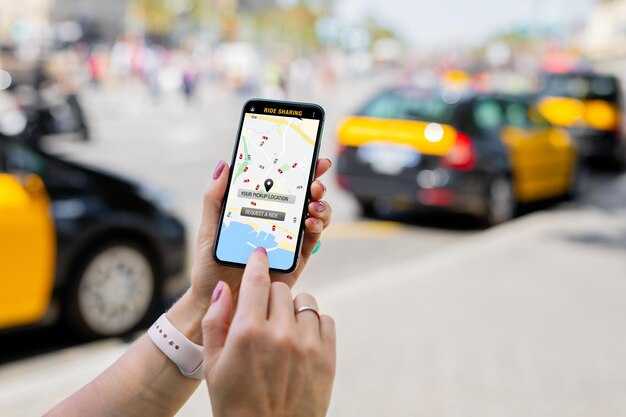
The following steps help you stay protected, especially when traveling with kids or seniors: verify the taxi is registered and has stickers, compare the app’s driver photo with the person who arrives, and confirm the vehicle’s display matches the listing. If anything seems off, cancel through the app and request another ride. Always confirm the estimated fare before starting; apps can show a price range and surge notices so you aren’t surprised at the end of the ride.
Verification and safety at a glance
| Aspect | Licensed Taxi | Ride App |
|---|---|---|
| Verification | Registered vehicle, visible stickers, plate checked | Driver profile, vehicle details, live ETA |
| Safety Features | Printed receipt, official contact center | In-app SOS, trip sharing, real-time tracking |
| Cost predictability | Metered or published rate | Estimated fare before pickup, surge alerts |
| Pickup | Stand or hotel lobby through a licensed queue | Map-based pickup, secure exchange with driver |
Verify Driver Identity, Vehicle Details, and Trip Authorization
Always verify driver identity before you enter the vehicle by cross-checking the booked ride's driver photo and vehicle details in your app. Compare the name, plate, and car model shown on screen with the person in front of you; if anything seems off, cancel and request a new ride here. This step protects you from unvetted drivers and helps you enjoy a safer trip from the start.
If the app shows Luis as the booked driver, inspect the car for official stickers on the doors and windshield and verify the plate and color match the app listing. A reliable vehicle displays consistent branding and a visible official plate; when in doubt, skip and request a different driver.
Identity and Documentation
Keep the app’s driver profile visible and ask for the driver’s ID if required by local regulations. The photo should resemble the person beside you, and the ride’s destination in the app must align with your plan. Do not board if you’re traveling alone and the driver refuses to show credentials or attempts to use non-platform payment methods.
In Cayma or other city neighborhoods, carry your booking details and verify the driver's identity even more carefully because street layouts vary. If the driver refuses to show credentials or the profile photo differs, decline and report it through the app for help.
Vehicle, Route, and Trip Authorization
Check the vehicle information: plate, model, color, and capacity; the app should list space for your group and any luggage. The route shown in the app must reflect your intended destination; avoid detours or going off the published path. If weather or road conditions change–landslides along a valley route or roads near volcanoes–pause and reauthorize through the platform rather than negotiating directly with the driver. Compare the estimated cost in the app with anything the driver quotes, and avoid paying cash for unverified trips.
Choose reliable options like Cabify or officially registered yellow taxis when possible; stay alert to distractions such as in-car entertainment and keep valuables out of sight to help prevent theft. If something feels off, seek help via the app’s safety tools and exit at the nearest safe location. The precautions below are designed to keep you protected whether you’re coming from Lima, heading toward Cayma, or traveling to a valley town along the coast or highlands.
Set Fare and Route Before Departure: How to Confirm Meter or Fixed Price
Insist on meter use or fixed price before departure, and confirm the method with the driver in clear terms. In arequipa and other metropolitan centers, licensed taxis typically display a meter or a posted rate card; verify which option applies before you sit down and ensure the fare will reflect distance and waiting time.
How to confirm meter or fixed price before boarding: check the meter and rate card; if the driver quotes a fixed price, ask for it in writing or via the company app; photograph the vehicle's license plate and taxi ID for reference, and note the driver's name when possible.
Route confirmation: tell the driver your exact destination and request the fastest or most direct route; use your map to verify the path as you ride, and steer away from unnecessary detours through remote streets or side neighborhoods; if the driver proposes an alternative, ask for a brief explanation.
Costs and safety for families and tourist groups: near a resort or busy center areas, ask about the fare breakdown and any extra charges (tolls, waiting time); rely on reputable services at airports or hotels; for international travelers, check recommendations from your hotel and local laws and protections; for retirement trips or visits lasting a full month, plan ahead; bring small bills to avoid change issues; youll compare the quoted price to the meter once you reach your destination and adjust for any differences.
Reality check and reminders: the reality is most rides are safe, but scams exist; keep a copy of emergency numbers and the taxi company's contact; in case of a suspicious quote or refusal to use the meter, step out and seek a trusted service; if you travel with families, this routine reduces stress and makes your day smoother, whether you’re in Lima, arequipa, or another city; stay alert for signs of terrorism and report any concerns immediately; try to ride during daylight and use known stands or hotels to increase safety.
Weather and road considerations: in the rainy month, landslides can block routes near remote areas; always discuss an alternative plan with the driver before departure to avoid delays; this simple step helps you take control of both safety and costs.
During the Ride: Lock Doors, Buckle Up, and Secure Luggage
Lock doors before the ride begins and keep them secured for the full trip. Fasten seat belts for every passenger and stay focused on driving. This simple habit reduces risk on every trip.
- Doors and seating: First check doors, then move. Ensure all doors click into place before driving; dont proceed if a door doesn't latch, and request a pause or a replacement vehicle to protect everyone in the car during the ride.
- Luggage security: Secure all luggage in the trunk or cargo area; use straps; in a minivan, place bags in the full cargo space behind the second row to stabilize weight and prevent shifting. This protects valuables and reduces clutter inside the cabin.
- Booking and app safety: Book trips only with official operators; the app operates with live tracking and provides a video feed for verification. The provider can alert if the driver deviates from the planned route, and the app provided alerts help you stay informed.
- Clothing and avoiding hazards: Avoiding loose clothing that could snag doors or balance; keep sleeves, scarves, and jewelry secured while the vehicle is moving. This active check helps the driver stay focused and safe.
- Valuables and visibility: Dont display valuables; carry them in clothing pockets or a close bag; avoid leaving phones or wallets on seats to reduce visible targets.
- Center and Cayma awareness: In Cayma and center Lima, traffic can surge during peak hours; average trip times rise, so plan for potential delays and use the center routes when possible to improve reliability. Booking ahead lowers risk.
- Payment and seating: Carry only the necessary card; pay through the app when possible; keep the card secure and out of reach. In a minivan, sit away from doors toward the center to reduce exposure and keep balance stable.
- Post-ride reminder: The app provided resources and safety tips; if something feels off, report it via the app immediately. This can produce useful data for operators and makes safety protocols stronger, which increases trust and safety for riders like you. Then apply these steps to every ride to keep safety on track.
In this century of urban mobility, these routine checks make trips safer, protect clothing and belongings, and help you enjoy each journey with confidence. The approach is practical, active, and easy to implement, and it aligns with standard practices provided by Lima and Cayma taxi services.
Night Travel in Lima and Other Cities: Best Practices for Visibility and Pickup
Always book a licensed ride through a trusted app or at a designated stand, and confirm the driver's name, plate, and vehicle before you approach. If you need a transfer between zones, use the app to arrange it; this option is considered safer by many expats.
Make yourself very visible at night: wear brighter colors or a reflective vest, keep the bag in front of you, and use the phone's flashlight or a bright screen when walking to a pickup point. A quick checklist takes less than a minute to confirm lights, colors, and car details, and you should apply common sense if something feels off.
When waiting for pickup, choose a lit area near the estación or outside a supermarket entrance with cameras and staff nearby. Stand away from rear doors of parked cars and avoid dim corners near condos or remote blocks. If the street looks quiet, step to a busier crosswalk and watch the flow of pedestrians.
For luggage and items, keep suitcases secured in the vehicle's trunk or a designated luggage area. Carry daily items in a comfortable, crossbody bag and place valuables in front pockets. Avoid leaving items on the rear seat and never expose expensive gear in public.
Know local customs and past patterns: locals and expats share safer routes, especially in historical districts and newer neighborhoods, while remote sections require extra caution after dark. Plan your route with a map and review recent safety tips from neighbors or hotel staff.
Payment and transfers: prefer card payments or in-app transfers; carry only the change you expect to need and keep it in a closed pocket. Before leaving the vehicle, note the driver’s name and plate and confirm your destination is saved in the app.
General tips: avoid drinking and walking alone after late hours; if you drink, arrange a ride in advance and stay with friends or colleagues. If you must leave a place, head to a well-lit exit and use public areas with cameras wherever possible. The night scene around estación areas can be very active, so you should leave with a trusted ride and avoid solo departures. Pickpockets may target crowded spots, so keep phones and wallets secured.
Tap Water Risk High: Safe Drinking Water Options and Hygiene Tips
Recommendation: Use bottled water for drinking, or boil tap water for at least one minute before drinking or cooking. After boiling, transfer the water to a clean, covered container and keep it away from belongings that could recontaminate it. If bottled water is not available, a suitable portable filter with a short post-treatment step can reduce risk while doing travel, especially for a passenger moving through Lima and the rodriguez area. Watch a short video to learn the correct steps and check the latest regulations and healthcare recommendations before you live in a new area.
In high-risk conditions, protect yourself by applying hygiene and practical precautions: target the water you drink, and keep your lifestyle simple to reduce chances of illness. Remember that even clear water can carry dangers and is easily contaminated; verify sources before use and avoid water from taps in unfamiliar buildings after heavy rain. For the same precautions, use bottled or boiled water for drinking, and for brushing teeth in shared accommodations, rinse with treated water. In rodriguez area, local stores often offer treated water; verify it is suitable for drinking, and if in doubt, ask a staff member or healthcare professional. If you suspect contamination, contact healthcare authorities and follow their recommendations.
Safe Drinking Water Options
Step 1: Bottled water is the simplest choice; inspect the seal and expiration date. Step 2: Boil tap water for at least one minute, then cool in a clean, covered container. Step 3: Use a portable water filter suitable for travel (ceramic or carbon) and follow up with a basic post-treatment if indicated. Step 4: When neither bottled nor boiled water is available, use chlorine drops or a UV purifier according to the product directions. In the rodriguez area and in other zones with estimated contamination, combine methods to target microbes and improve safety. This approach works for many persons who live a busy lifestyle and need reliable options that fit a same-day plan. It takes only a few minutes to complete these steps.
Hygiene and Handling

Keep belongings away from water sources and storage containers to minimize cross-contamination. Sanitize bottles and jugs before use; wash hands with soap and water for at least 20 seconds or use hand sanitizer when water is scarce. After handling water, dry containers thoroughly and store them in a cool, shaded place away from doors and direct light. For passengers staying in shared rooms, use dedicated water bottles and cap them between uses to reduce the risk of contamination. If you feel unwell after drinking questionable water, seek healthcare promptly; dehydration symptoms include dizziness, dry mouth, and dark urine. The need for precautions is real, especially in crowded venues where the area can influence risk levels you face during your travels.
What to Do If You Feel Unsafe: Exit Strategy, Documentation, and Local Contacts
If you feel unsafe, exit the ride at the next safe stop and move toward a busy, well-lit area where you can see other people and staff. Keep your movements calm and purposeful to avoid confusion.
Exit strategy
- Head to a place with activity, such as a hotel lobby, a café, or a shop on a central Lima street; colonial districts tend to have brighter storefronts that deter trouble. In average Lima evenings, stay on very busy streets and avoid remote pockets.
- Ask the driver to stop at the next safe spot; if they refuse, request help from locals or step out at a well-populated corner. If you feel pressured, use the app’s safety features to request a trusted alternative.
- Stay in sight of others and avoid alleys or empty corners; move toward crowds, cameras, and staff members whenever possible.
- Keep items secure: carry only what you need, use front pockets or a zipped bag, and avoid flashing valuables in very visible pockets.
- When you exit, walk to a safer area rather than remaining in the car; if you still need a ride, check with a hotel, a trusted local, or a known driver you’ve visited before.
Documentation
- Take photos of the sedan’s exterior, the sign or company logo, and any visible identifiers; note the time and area. Save files offline if possible before you report.
- Write a brief description of the situation, including the car type (sedan), color, and any distinctive details; include a note of the driver’s appearance if safe to do so.
- Record where and when the incident happened; before you report, jot down the route and nearby streets you used to help authorities understand the situation.
- Secure items and cards. If a card was used, contact your bank to monitor or block charges and keep receipts or screenshots of the ride for reference.
- Log the incident in the ride-hailing app or with local authorities; if you feel at immediate risk, contact the hotel staff or police for a safe handoff.
Local contacts
- Hotel staff and reception can arrange a safe ride and provide area tips, especially in Lima’s busy zones and near colonial landmarks.
- Locals you trust–shopkeepers, neighbors, or a known driver such as rodriguez–can offer quick guidance or a recommended pickup point; if you know such a contact, save their number for fast help.
- Consulate or embassy contacts and the local tourist police should be saved in your phone for quick access during a visit; share your location with them if you feel at risk.
- Rideshare safety features: use the app to share your live location with a friend, enable emergency alerts, and request a different driver if the situation seems risky.
- For longer stays or visits, keep a quick-access list of contacts: hotel, rodriguez, a nearby taxi office, and the local police station; this is especially helpful in remote areas or when transferring between flights and different districts.


