



 Deutsch
  English (UK)
  Русский
  العربية
  日本語
日本語  한국어
한국어  Magyar
  Türkçe
  Español
  Čeština
  Svenska
  Português
  Ελληνικά
  Suomi
Suomi  Nederlands
  Română
  Italiano
  Français
  Polski
  Українська
  简体中文
简体中文  Slovenčina
 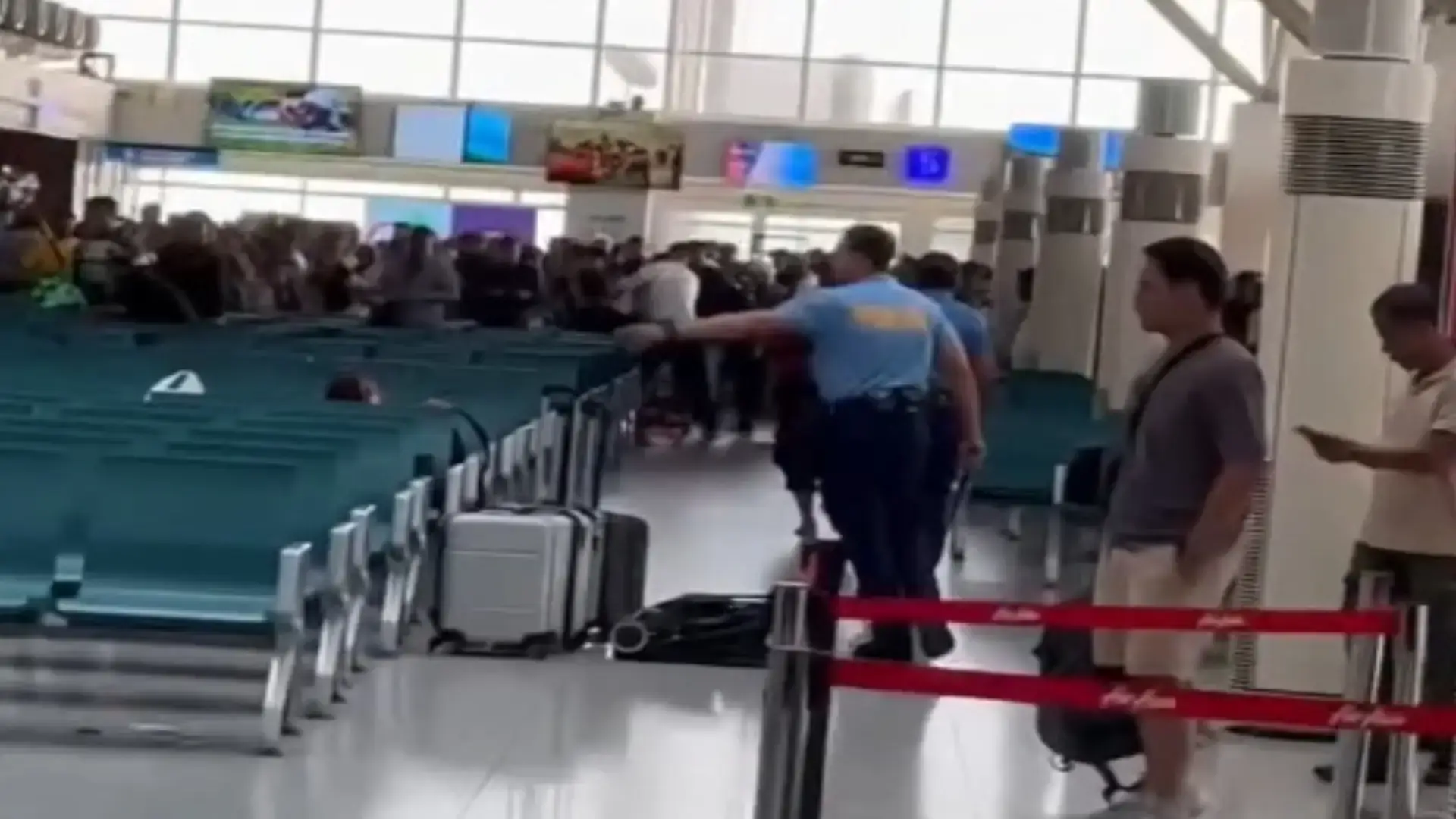 Philippines rolls out national airport security audit following knife attack at Iloilo International Airport">

Security screening checkpoints and access-control protocols at Philippine regional airports are slated for a nationwide audit by the Philippine National Police (PNP), with a priority on screening procedures, terminal access points and emergency response times.
What prompted the audit
A passenger wielding a knife at Iloilo International Airport on 28 January attempted to stab an on-duty police officer at the departure area. The officer shot the suspect, who was reported to be from Camiguin and en route to Davao. The wounded individual was taken to hospital. The incident exposed an operational change: initial security screening at the departure entrance had been removed in the last quarter of 2025 to streamline passenger flow, a move now under urgent review.
Coordination and scope
The PNP has announced active coordination with the Civil Aviation Authority of the Philippines (CAAP) and local airport security units to assess current procedures. According to PNP leadership, including PNP chief Gen Jose Melencio Nartatez Jnr, the audit aims to identify gaps and strengthen screening, particularly at regional and provincial airports where resources and layouts vary widely.
Necessary inspections
The audit team will focus on three operational pillars:
- Screening procedures — checkpoints, baggage inspection equipment, and staff training;
- Access point controls — public-versus-secured zones, vehicle and pedestrian entry, and ID validation;
- Emergency response protocols — armed response coordination, medical evacuation timelines and communications with airside operations.
Audit focus and passenger impact
| Bereich | What auditors will check | Likely impact on passengers and transfers |
|---|---|---|
| Screening checkpoints | Equipment placement, staffing levels, SOP adherence | Possible reinstatement of entry scans; slight increases in queue times |
| Access control | Vehicle staging, drop-off zones, credential checks | Changes to meet-and-greet locations; drivers may be asked for ID |
| Emergency response | Response time logs, inter-agency drills, comms links | Stricter perimeter control during incidents; temporary road closures |
Practical tips for travelers and transfer providers
At a glance, passengers and drivers can expect a few operational shifts. To have a mind to act effectively, consider these steps:
- Arrive earlier than usual—allow extra time for reinstated screening.
- Carry a government ID and have booking confirmation ready for drivers or security checks.
- Drivers and transfer services should brief passengers on exact pick-up points and possible reroutes.
- Keep communication lines open: use apps or direct messages to confirm meet-up locations and any sudden changes.
Implications for taxis and transfer services
For taxi companies, limousine services, and private transfer operators, the audit may mean more rigorous ID checks at curbside and stricter rules for staging vehicles in front of terminals. Transfer platforms that list vehicle details and driver credentials—allowing passengers to see make, model, license and ratings in advance—will help reduce confusion at busy airports. For example, platforms like GetTransfer.com let users choose an exact vehicle and view driver profiles beforehand, a practical advantage when terminals tighten controls.
Operational checklist for transfer drivers
- Keep driver license and company ID visible and up to date.
- Confirm passenger name and flight or booking reference before arrival.
- Be prepared to relocate to a designated meet-up zone if airport layout changes.
- Maintain clear signage in the vehicle and use in-app messaging for quick identification.
Provide a short forecast on how this news could impact the global tourism and travel map. If it’s insignificant globally, please mention that. However, highlight that it’s still relevant to us, as GetTransfer aims to stay abreast of all developments and keep pace with the changing world. Start planning your next adventure and secure your worldwide transfer with GetTransfer. Book your Ride GetTransfer.com
Key highlights: the audit will prioritize screening, access control and emergency protocols; the incident at Iloilo underscores vulnerabilities when screening is reduced; regional airports may see the largest operational changes. Yet even the most detailed reviews and the most honest feedback can’t truly compare to personal experience. On GetTransfer, you can hire a car with driver from verified providers at reasonable prices. This empowers you to make the most informed decision without unnecessary expenses or disappointments. Benefit from convenience, affordability, extensive vehicle choices and a wide range of additional options provided by GetTransfer.com. Book now, GetTransfer.com
In summary, the PNP-led airport security audit aims to tighten screening and access at Philippine airports to reduce the risk of weapons getting airside and to shorten emergency response times. Travelers should expect potential changes to drop-off and pick-up routines, slight increases in processing time at gates and clearer rules for driver credentials. For taxi and transfer users, pre-booking with a transparent service that shows vehicle, driver and fare details helps ensure an exact meeting point at the airport and reduces uncertainty about price or service quality. Whether you need a private car, a multi-seater van or a cheap cab to the city center, planning ahead—checking fares, driver license and vehicle information—will save time and stress. GetTransfer.com’s global, user-friendly platform supports this approach by offering transparent listings of cars, drivers, fares and extras so you can quickly book the best service at the right price for your destination, airport pickup or city transfer.
Kommentare