



 Deutsch
  English (UK)
  Русский
  العربية
  日本語
日本語  한국어
한국어  Magyar
  Türkçe
  Español
  Čeština
  Svenska
  Português
  Ελληνικά
  Suomi
Suomi  Nederlands
  Română
  Italiano
  Français
  Polski
  Українська
  简体中文
简体中文  Slovenčina
 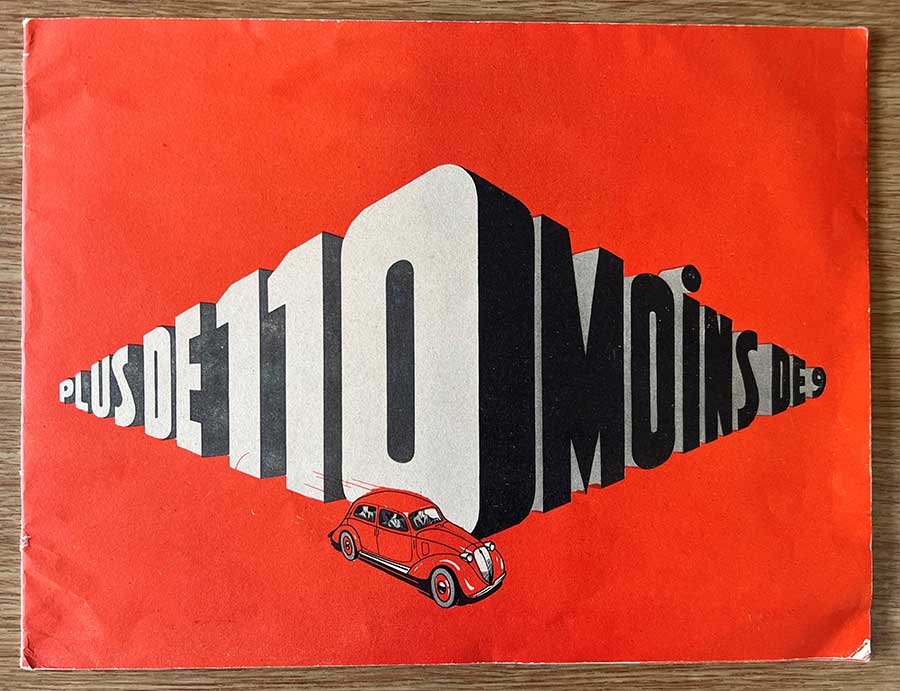 Exploring 1930s Commercial Graphics and the Legacy of Jobbing Printing in Design">

Unveiling the Charm of 1930s Commercial Graphics
The world of commercial graphics in the 1930s unveils a vibrant canvas of artistic expression that combined creativity with commerce. This era showcased the impact of Jobbing Printing, a form of short-run print work that brought eye-catching designs to everyday advertising, packaging, and promotional materials.
What Exactly Is Jobbing Printing?
Jobbing Printing refers to printed materials produced in small quantities, typically no more than a few sheets. It includes advertising posters, leaflets, company catalogues, magazine covers, and labels — essentially compact bursts of communication designed to engage quickly. This technique was widely used in Europe during the 1930s and remains highly relevant today in various forms, including modern promotional leaflets and underground exhibition posters.
Historical Origins and Industry Impact
The term dates back to the 19th century and was well described by Beatrice Ward, a notable typography expert, who referred to collections of these printed ‘jobs’ that tracked the trends of their times. It was after the financial strain of the 1929 Wall Street Crash that businesses worldwide saw the need to ramp up economic activity, with striking graphic design playing a significant role in drawing consumer attention. Prominent companies like Fortnum and Mason, Guinness, and Shell harnessed the talents of innovative artists and designers to craft advertisements that were as functional as they were visually appealing.
Philip James and the National Art Library’s Valuable Collection
The collection preserving these fascinating examples was initiated in 1936 by Philip James, who was active in gathering notable commercial prints by reaching out to international artists, printers, and publishers. His vision was to assemble a study reference around the modern commercial designs of the time to inspire future creatives. While collecting activity paused during World War II, additions in the later decades enriched the archive, providing modern insights into the evolving visual language of trade literature well into the 21st century.
Behind the Display: Curators at Work
Carefully curated by a dedicated team, this archive-based display connects graphic artworks with the letters and correspondence sent by Philip James himself, offering a window into the relationships and context behind each piece. These archival letters will soon be fully accessible for study, broadening appreciation for the interconnected world of 1930s commercial design.
The Creative Duo: Jan Le Witt and George Him
A spotlight within the exhibit is cast upon Polish Jewish designers Jan Le Witt and George Him, whose collaborative work flourished from 1933 onwards. Their portfolio includes imaginative designs for companies like Birds Eye, mixing surreal, witty elements with striking visual communication. After relocating to London in 1937, encouraged by cultural institutions and publishers, their creative brilliance gained attention from well-known artists and high-profile clients including the Post Office and London Transport. Their ability to inject humor and surrealism into commercial art made their work stand out distinctly at the time.
Table: Examples of 1930s Commercial Graphics and Their Uses
| Type of Jobbing Printing | Typical Uses | Notable Characteristics |
|---|---|---|
| Posters | Advertising exhibitions, products, events | Bold colors, typographical emphasis, concise messaging |
| Leaflets | Promotional handouts, company information | Compact design, direct calls to action |
| Magazine Covers | Publication branding, reader engagement | Artistic covers focused on modern typography and imagery |
| Labels | Product packaging, branding | Compact, clear, and functional design elements |
Connecting Past Design to Today’s Transfer and Travel Experience
Why does understanding 1930s commercial graphics matter today, especially in a world of taxis and transfers? The answer lies in the continuing importance of clear, compelling visual communication. Whether it’s the signage at a bustling airport taxi stand or the promotional brochures for a city tour, the legacy of Jobbing Printing teaches us how to grab attention quickly and effectively — a crucial factor in travel and transportation services.
Plattformen wie GetTransfer.com embody this legacy by transparently showcasing detailed vehicle options including make, model, and driver ratings, allowing travelers to make informed choices with ease. The clear presentation of options is modern commerce’s echo of those vibrant 1930s posters and catalogues.
Key Takeaways and the Value of Personal Experience
This exploration highlights the fascinating world of commercial graphics from the 1930s, revealing how artistic innovation drove economic and marketing developments. Yet, as intriguing as reviews and historical feedback can be, nothing quite compares to personal experience. On GetTransfer, travelers can hire cars with drivers from verified providers at competitive prices, making it easier than ever to benefit from transparent, affordable, and varied transfer services worldwide. The combination of rich vehicle choices and options ensures anyone can tailor their journey according to exact needs, all with transparency that feels familiar in the spirit of good design and communication.
Book your ride today and discover the blend of art and convenience at GetTransfer.com.
Looking Ahead: The Broader Impact on Travel and Tourism
While this artistic chapter from the 1930s has a niche appeal globally, its influence resonates in how destinations promote themselves and how travelers seek clarity and trust from service providers. The cultural drive for beautiful, accessible, and compelling design enhances the joy of travel, making each step — from airport pickup to city tour — a seamless, enjoyable part of the journey. GetTransfer aims to stay at the forefront of these evolving demands, offering global travelers a simple, transparent solution to book personalized transfers, tours, and deliveries with confidence and ease.
Travel planning becomes not just about getting from A to B, but about enjoying every moment along the way.
Kommentare