



 Deutsch
  English (UK)
  Русский
  العربية
  日本語
日本語  한국어
한국어  Magyar
  Türkçe
  Español
  Čeština
  Svenska
  Português
  Ελληνικά
  Suomi
Suomi  Nederlands
  Română
  Italiano
  Français
  Polski
  Українська
  简体中文
简体中文  Slovenčina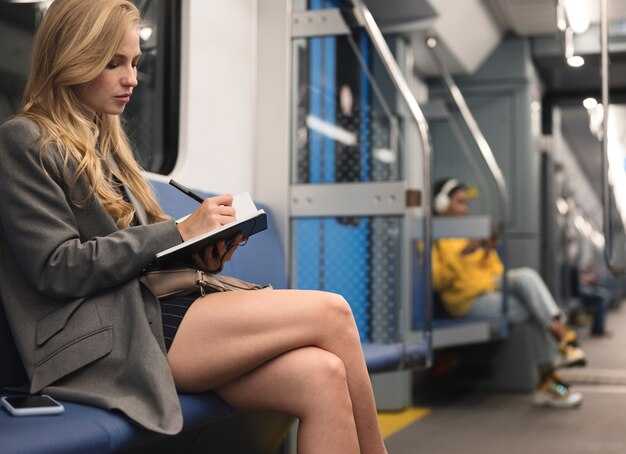

Get a 24-hour AB ticket on arrival, and if you use a paper ticket, stamping the start time is recommended. You can ride all day across U‑Bahn, S‑Bahn, trams, and buses, which reduces stress and helps you focus on what you want to see in Berlin.
Where to buy and what to choose: Use the BVG app or ticket machines in stations. If you dont know where to start, this quick guide points you to the right option. For most visitors, AB covers central Berlin; upgrade to ABC only if you plan trips to airports or areas beyond the core. This setup lets you access all modes without extra costs for transfers and lets you ride multiple trips on a single ticket. If you plan a seven-day stay, you can rent a seven-day pass for longer flexibility; check current options in the app.
Who benefits from Berlin transit discounts: Students and children have reduced fares with valid IDs. Students can present a student card; children under 6 ride free, and children aged 6–14 usually pay half price. Look for источник in official pages for precise rules and documents. Access is generally good, with most lines and many stations offering ramps, elevators, and accessible routes.
Seven practical steps to moving smoothly between streets and stations: plan routes in the app, walk to the nearest station, pick the appropriate ticket (AB for central Berlin), stamping or tapping as required, press the button to request a stop on buses and some trams, monitor live arrivals on the screen, and ride electric buses and trains with confidence. The app shows multiple connections and real-time updates so you can skip waiting times.
Access and safety on the go: keep your location in mind and stay aware of your surroundings on busy streets. Carry a photo ID for discounts, yet avoid leaving valuables in sight. When traveling with others, coordinate transfers so everyone stays together and you can plan short walks between stops if needed. Use stamping or contactless tap where applicable, and always follow posted signage to pass through streets and stations confidently.
Choosing the right fare: BVG passes, AB/ABC zones, and how/when to validate
Recommendation: If your stay is up to a week and you’ll travel mainly in central Berlin, get a 7-Tage-Ticket for AB or ABC; for longer stays, choose a Monatskarte; for a very short visit, a Tageskarte AB is usually the simplest option.
Zones explained: AB covers central districts such as Mitte, Prenzlauer Berg, and Kreuzberg. If you’ll venture to the outer ring or zone C, choose ABC. Check your accommodation in Prenzlauer and plan routes with maps to decide which combination fits your days.
Ticket types and validation: Einzelfahrschein and Tageskarte require validation when you start a trip; you should validate on entry. 7-Tage-Ticket and Monatskarte don’t require stamping, and you can show the QR code from the BVG app or a linked card to inspectors. Alternatively, keep a digital pass ready on your phone to speed the check, especially on busy days; a daylines pass is convenient for multiple trips in a single day.
Buy and manage: Use the BVG app or vending machines at central stations to grab and activate tickets; keep a card or wallet handy for quick purchases, especially if you’re using multiple devices. Before you travel, check a quick route on maps so you don’t pay for bigger zones than needed. This brief bolt of information helps plan your days and save time at stations.
Mobility mix: e-scooters and scooters are common for last-mile travel; car-sharing helps when you stay away from central lines. Mainly you will rely on subway and buses in central Berlin. If you’ll stay months, consider a Monatskarte; for weeks or days, the 7-Tage-Ticket plus daylines gives flexibility. When you reach your accommodation, show your pass if asked, and enjoy a smoother travel experience.
U-Bahn, S-Bahn, tram, and bus: which network to use for common routes
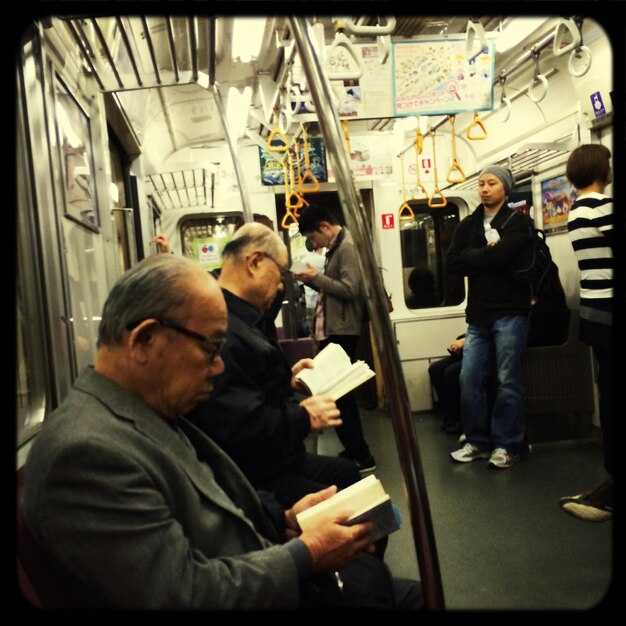
For most common city-center trips, the U-Bahn is your best first choice. It’s easy to navigate, trains arrive every few minutes at peak times, and youll reach major spots quickly. Front cars tend to be less crowded in busy mornings, and English signage helps you inside the stations. With a valid ticket, you can move across U‑Bahn, S‑Bahn, tram, and bus using the same pass; Jelbi makes it easy to buy a multi‑mode option. Knowing the main interchange hubs helps you feel confident, and the ermäßigungstarif discounts apply to eligible fares. If you come from the Ringbahn or from the suburbs, the S‑Bahn offers faster hops for longer distances; you can switch to the U‑Bahn once you’re in the core. Some buses and trams run double-decker on busy corridors, which can help on shopping days or when you’re with a group.
Trams shine for neighbourhood trips and shopping along routes in Mitte, Prenzlauer Berg, and Friedrichshain. They run through busy streets, connect with U‑ and S‑Bahn hubs, and let you go inside neighbourhoods and then hop onto a different mode if needed. Buses fill gaps where trains don’t go directly, and some lines use double-decker vehicles for extra capacity. Tickets can be bought at machines (often with English options) or via the Jelbi app, with prices shown in euros. A day pass or short-term pass keeps options simple, and ermäßigungstarif discounts may apply for eligible riders. The system is designed to be easy for visitors who want to feel productive and still have time for shopping.
Choosing the right network
In practice, pick the U‑Bahn for fast, direct hops across the city center. If you’re crossing from one side to the other or heading toward the suburbs, the S‑Bahn is usually faster, especially when you ride the Ringbahn (S41/S42) for loop trips with one transfer. For street-level trips inside a single neighbourhood, the tram provides direct routes along major streets. Use the bus for final‑mile connections near flat, residential blocks, and check the Jelbi app to compare routes across modes. Regardless of route, aim for the fewest transfers to keep the ride easy.
| Route | Best network | Typical duration | Why it works |
|---|---|---|---|
| City-center cross (Alexanderplatz to Potsdamer Platz) | U‑Bahn | 8–12 min | Direct line, high frequency; english signage helps inside stations |
| Cross-city to outer districts (e.g., Neukölln, Pankow) | S‑Bahn | 20–35 min | Faster over longer distances; Ringbahn connections when possible |
| Neighborhood hops (Mitte, Friedrichshain, Prenzlauer Berg) | Straßenbahn | 12–25 min | Direct routes through busy streets; easy to spot stops |
| Local shopping trips near home | Bus | 8–15 min | Flexible stops; good final‑mile option; some double-decker buses on busy corridors |
Warschauer Str. is a practical example of a transit hub where you can switch between lines and connect to vibrant neighbourhoods. In this area, you’ll find clear English captions and helpful station staff. Carry a valid ticket or a Jelbi pass, and use the machines in the stations to top up if necessary. With these tools, you’ll move around Berlin with confidence, no matter your route or mood.
Where to buy tickets and how to validate them fast
Buy a weekly ticket in the BVG app and activate it immediately; you’ll ride on every rail line with clockwork reliability and stay flexible for plans.
Alternatively, buy a standard ticket at a ticket machine in any station or via bvgde (bvg.de); the tariff screen shows single, 24-hour, and weekly options, based on the zones you select, so you can pick what you need. All information is in one place, everything you need is on screen.
Fact: digital tickets activated in the BVG app are valid from activation and require no extra validation. If you still hold a paper ticket, validate once in a yellow validator before boarding a bus, tram, or entering the rail network.
On saturday, lines at machines can be long; speed things up with the app and have your ticket ready before you reach the platform.
Bike-sharing is another alternative for short hops; in deutschland, cities offer bicycles you unlock with an app, so you can reach the rail stop quickly. It’s a practical alternative to waiting for a connection on busy lines.
Some lines use double-decker vehicles to add capacity on busy routes; you’ll notice these on central corridors, delivering more seats along the lines.
источник: BVG guides and official data (bvgde).
Planning in real time: BVG app, official maps, and live delay alerts
Install the BVG app and enable live delay alerts. For english speakers, the app offers an english interface. The app provides real-time departures, platform notices, and a unified view of routes across U-Bahn (yellow lines), rail, s-bahn, tram, and bus, so you can plan with confidence rather than chase schedules.
Rely on official maps in the BVG app or on the BVG website for clockwork accuracy and easy navigation. Use the map view to spot rail connections, boarding points, and transfers; keep a little margin for walking between lines. For a quick cross-check, open links to Google Maps directions or the city’s planning pages, especially when you’re outside central Berlin or heading to a university district.
Set push notices for your lines; if a delay hits, you’ll receive a notice and can switch to an alternative route or other lines to save time. You’ll see service notices as you travel and can plan again to minimize waiting and missed transfers.
Ticket validation remains your best defense against fines: validate at boarding or in-app before boarding; the app shows validators’ locations at stations. A smooth check reduces stress during transfers and keeps you on track with clockwork timing.
For trips to the suburbs or campus areas, plan with s-bahn to the city core, then switch to U-Bahn or tram as needed. When heading to a university or outside the center, this right mix keeps you moving without wasting time. The yellow U-Bahn lines map clearly helps you compare options quickly.
Keep in mind a multi-modal approach: use e-scooters and scooters for the last mile if trains stall. In the capital, links between BVG and private providers–including google–create flexibility for waiting times. Staying flexible with your plan and using taxis as a backup helps you stay on schedule.
Late-night transit: after-hours services, night buses (N), and connections
Recommendation: check the BVG Navigator for updated Nachtbus schedules and plan your route to a central transfer hub; if you’re in the outskirts, expect fewer options and longer waits, or alternatively rent a bike for the last mile.
- After-hours overview: Nachtbus lines (N) fill gaps when the subway and underground pause; in practice you’ll find more frequent service in the core and fewer options on the outskirts; lines run Fri–Sun and on weekends late at night, with typical frequencies from every 15–20 minutes in the center to every 30–60 minutes elsewhere. In the morning, some lines resume earlier; always verify updated information from your source (источник) and the BVG app.
- Where to catch and how to connect: catch at major street stops near stations, or at central hubs like Alexanderplatz, Ostbahnhof, and Hauptbahnhof; those connections link to metro (underground), S-Bahn, and other modes, making it possible to reach everywhere; white timetable panels mark Nachtlinien and show the next departures.
- Tickets and costs: use the standard tickets (single, day pass) or a Nacht-ticket option if available; prices are shown in euros and depend on zones; buy via the BVG app or at machines; list the options and choose the best option for your night ride.
- Practical tips and examples: plan for transfers, as you may need to switch between bus and underground; if you’re near a berg neighborhood or little streets toward the outskirts, a night bus is usually the most reliable way to get back to the center; alternatively, you can rent a car or use ride-hailing for a single late trip; trainsthe cross-line approach helps minimize waiting.
Transfers and crowd tips: smooth transfers, peak hours, and crowd management
Plan transfers with Jelbi to minimize walking and waiting; use one QR code to switch between BVG modes, and validate tickets in-app. If you lose your phone or ticket, you can buy a replacement via Jelbi and keep moving–theres no need to stall at the station. Also check daylines for first and last trains so you won’t miss a connection on a late Friday night.
- Smooth transfers: aim for routes with a single transfer and short walking distances between platforms. In busy hubs like Alexanderplatz, Hauptbahnhof, Ostbahnhof, and the Oberbaum area, follow the crowd flow signs and use corridors that minimize cross-traffic. Allow 3–5 minutes for alighting and boarding; if a train arrives packed, wait for the next one or try a different line to avoid squeezing through doors.
- Peak hours and crowd management: weekday peaks run roughly 07:00–09:30 and 16:00–18:30; Friday evenings bring additional crowds around central corridors and near Oberbaum. If you’re sightseeing or commuting during these times, consider bike-sharing for last‑mile segments, which gives you more space and flexibility. For longer hops, you already know you can rent a bike or scooter via Jelbi and ride a few miles to your next stop.
- Tickets, validation, and access: always validate at the start of your trip; the Jelbi app handles multi‑operator validation and can alert you when you’re near the end of your 2‑hour window. If you need to switch to another mode, your active ticket remains valid for transfers, but you’ll want to confirm with the app–youll see a clear status update. If you need a quick backup, use the links to buy a fresh ticket, then validate again to stay covered.
- Crowd etiquette and safety: let people exit before you attempt boarding, stand to the right on escalators to keep the flow smooth, and avoid blocking doors. Near busy spots like oberbaum, watch for shifting crowds after events and adjust your pace accordingly; small pauses to assess the platform can prevent last‑minute squeezes.
- Practical tips and options: if a line is overly crowded, switch to a nearby parallel route or a different mode. Bike-sharing stations are common near big hubs, and renting a bike can cut through dense foot traffic; english‑language instructions are widely available in Jelbi and at BVG stations, with clear tickets and daylines posted at each stop. Also, keep a printed letter or digital backup of your pass handy as a quick reference in busy moments.
Accessibility, luggage, and bikes: moving through Berlin with gear
Practical tips
Plan every leg based on experience with the BVG FahrInfo app to confirm elevator access and which doors open closest to your baggage or bike space. youll see underground routes and can filter for accessibility; if the station you need lacks convenient access, change at a nearby stop with different options. users with gear should prioritize routes with accessible stations, and what you carry can influence the best line to take.
Luggage and boxes: travel with bags or boxes and position gear near the doors so you don’t block the aisle. Favor stations with step-free, wide doors and low-floor vehicles to speed boarding. If you carry a lot of gear, aim for routes with surface stops where you can manage boxes without squeezing through narrow spaces. A monthly pass may be cheaper if you plan several rides, or use an einzelkarte for a single trip; you can top up tickets at machines or in the app; youll also find family and tourist-friendly options that fit into your plans. Keep the name on your app profile consistent to avoid confusion. This setup can give you flexibility.
Bike-sharing and bikes: Berlin’s bike-sharing network, including Nextbike and others, lets you pick up a bike at docking stations across the city; this transportation option fits into Berlin’s transportation network. Unlock via the app, onto your next stop, ride between stations, and swap if a dock is full. What you carry matters, so pack the essentials and leave bulky gear at home when possible. If you carry a bike you can still ride into the city center across long stretches, but check the route and times; on some routes you may need to change lines or wait for a less crowded car. For tourist days, a bike helps you cover more ground into neighborhoods; there are also dedicated bike-friendly routes along main streets. On a saturday, expect busier docks and more riders, so plan ahead and choose stations with available spaces. example: you can combine a bike ride with a U-Bahn segment for a quicker hop into the city center.
Kommentare