



 Deutsch
  English (UK)
  Русский
  العربية
  日本語
日本語  한국어
한국어  Magyar
  Türkçe
  Español
  Čeština
  Svenska
  Português
  Ελληνικά
  Suomi
Suomi  Nederlands
  Română
  Italiano
  Français
  Polski
  Українська
  简体中文
简体中文  Slovenčina

Take the Aerobus from Barcelona Airport to Plaça de Catalunya for the fastest link to the center. It runs from T1 and T2 every 5–12 minutes and takes about 35 minutes in normal traffic. A single ticket costs 9.25€, and a group ticket option saves money if you travel with groups in esp[a]ña. Upon arrival, you’re in the heart of the city with easy access to the metro, buses, and trains.
If you prefer a cheaper option, ride Renfe Cercanías R2 Sud to central Barcelona in 20–25 minutes; a ticket starts around 4.60€. The line serves lhospitalet and nearby districts, and you can transfer to local metro or buses to reach castelldefels, clot, gornal, or your home in the center.
Direct airport buses offer reliable links to the city center, with departures about every 10–15 minutes and fares under 6€. These buses stop at key spots such as Plaza Catalunya and Plaza Espanya, letting you walk to nearby neighborhoods or jump on a metro. For a quick start, use the metro network via L9 to connect to other lines, reaching the center in a few stops, which is often more reliable than a taxi during busy hours.
Groups can save with a multi-trip ticket or city travel pass; check the official app for live updates in spanish. Those tools show arrivals, platform changes, and ticket validity. Have a ticket ready on entry, and keep your phone charged while moving through lhospitalet, clot, gornal, castelldefels, and the center.
Bottom line: Aerobus to the center works well for most travelers; Renfe and buses provide cheaper alternatives; plan with a map, compare times, and choose the option that fits your home arrival time and group size. However, weekends and holiday traffic can shift schedules, so check live updates. Buses, ways, and routes cover different budgets and schedules, delivering an excellent first impression upon landing in españa and heading to the city.
R2 Nord Trains: Key Routes, Stops, and How They Link BCN Airport to the City
Take the R2 Nord from Barcelona Sants to BCN Airport Terminal 2 for the easiest connection into the city. This orange line offers frequent trains, clear signs, and an affordable cost, with transfers possible at central hubs. The ride is easily completed in under 30 minutes from the city center to the airport, and back.
The R2 Nord route runs from the airport into the city center and north toward Granollers Centre and Sant Celoni, with most trains stopping at Sants and Passeig de Gràcia in the city, and vice versa for airport-origin journeys. Some services extend around to towns in the region. From there you can connect to the metro and buses to reach any neighborhood, and the airport stop is named Aeropuerto and is the starting point for many onward journeys.
Key stops and timing: at Aeropuerto you can walk to the terminal without leaving the station area, and coming into the city center you’ll find quick connections to metro and bus networks. The corridor to the terminal is above ground. Trains run frequently, roughly every 15–30 minutes during the day, with service extending into the evening. Plan ahead and check the timetable on the official website. Over the last years, reliability has improved, making this option easier for travelers, and you can prepare ahead for any delays with the info on the site.
Tickets and pricing: When planning a trip, compare options to find the least expensive ticket. Buy at the station or on the official Renfe-Catalunya website. The cost is typically a few euros for a single ride to the airport; a return or a pass saves money if you plan taking trains multiple times in a day. With transfers, your route remains simple; the system uses one ticket across the line and connected services. For info, check the latest updates on the site before you travel.
Private options and parking: taxis are convenient but can be expensive; if you’re traveling with a couple, the R2 Nord is a more affordable option and you can avoid parking hassles. There are parking options at the airport and around major stations, but using the train means you avoid extra costs and the stress of urban driving. Always compare cost and time ahead and choose the least expensive option for your schedule. Parking info is listed on the official site as well.
Practical tips ahead: to minimize time, take the R2 Nord early and avoid peak rush; head to the station first, then catch a train that directly serves the airport. For a city tour around Barcelona, this route connects to many neighborhoods with a single transfer, making it easier to explore on foot or by tram. heres a quick tip: please check the timetable on the official site for the latest updates; you can plan a private transfer if you prefer, but for most travelers the R2 Nord offers an efficient, affordable option with transfers and easy access to the city.
Ticket Options and Where to Buy for R2 Nord
Buy online ahead to lock in the best price and the quickest seat on R2 Nord. Check the timetable, compare return options, and choose the most economical fare for your plans. Having a plan in advance helps you keep some flexibility, and there are week-long options you can tap upon if your week includes multiple rides.
Ticket options include single tickets for a one-way ride, return tickets for a round trip, and prepaid bundles such as 4-ride or 10-ride cards. The 10-ride card is economical for frequent riders, while a week pass offers a clean choice for having several rides in seven days. If you know your route, advance purchase can save money and reduce the risk of sold-out seats.
Where to Buy
Buy online on Renfe’s official site or the mobile app for instant confirmation. At the station, use ticket machines that accept cards and cash, or visit the counters for help. Always check your selected option on the screen, then confirm the purchase. The station maps show the R2 Nord platform and the closest transfer to a tram line or the aerobús stop if youre heading to the airport. Upon arrival, you can switch to tram or bus networks quickly and with a clear connection.
Smart Buying Tips
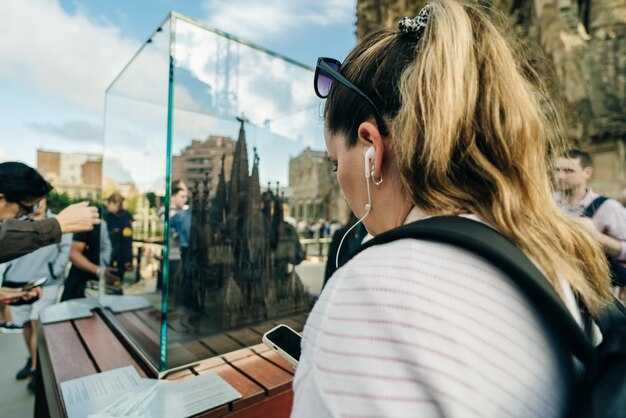
theres value in planning ahead: take advantage of avanza-branded services when available for quicker links to major hubs. If you need a flexible plan, consider a return ticket or a week-long option to cover the days youll travel. Some travelers use a card and a quick connect to the tram to keep transfers under a single ticket. For groups or tour options, a bundled plan might exist that covers transport and entry details; always check the fine print before you book. There are other ways to save, including catching a nearby station to catch a cheaper fare if youre willing to walk a bit or take another line above or below your initial route. We recommend comparing prices and schedules before you buy. Well-timed transfers help you stay on schedule.
BCN Airport Terminal Access: Getting to T1 and T2 and Choosing the Right Station
Idea: take the Renfe Rodalies R2 Nord to El Prat de Llobregat and ride the free internal shuttle to your terminal. This private transfer is reliable, keeps the journey simple, and you’ll have a guaranteed seat even with luggage.
Ahead of time, plan the route from central Barcelona; the approximate ride from Sants or Passeig de Gràcia is 25–35 minutes depending on connections. Look for orange airport signs at the station to find the links quickly, and keep a travel card or card options handy to speed up boarding.
Two terminals host different carrier mixes. Terminal 1 is the main hub for international flights and most major airlines, while Terminal 2 serves several low-cost and domestic services. If you know your airline’s terminal, you can prefer that station to minimize transfers; if not, the same shuttle links both terminals and handles the transfer smoothly.
Inside the airport, the transfer between T1 and T2 is straightforward and typically takes about 10 minutes by shuttle, with shuttles running every 5–7 minutes in daytime and on a reduced timetable at night. These shuttles are free and designed to support passenger comfort and kids’ seating needs.
For a private option, you can arrange a door-to-door transfer ahead of time, which helps when you’re staying with family or in neighboring districts. If you prefer public options, rodalies plus the shuttle offers a transparent journey with clear info cards at each stop and online links to the latest schedules.
Access by public transport
Rodalies: board R2 Nord toward El Prat de Llobregat, get off at the airport station, then take the internal shuttle to T1 or T2. The route is straightforward, and the orange signs guide you to the transfer points. If you’re staying near the city center, this option typically provides a predictable journey without traffic worries.
Metro: the L9 Sud line serves the airport area and connects to the T1 zone; use this for a fast, direct option if your airline operates from T1. For T2, combine the metro with the terminal shuttle as needed. Buses from central Barcelona also offer direct links to both terminals, with clear info cards at every stop.
Cards and tickets: buy a single-journey ticket, or use a transport card if you plan multiple rides. Many passenger cards support the same routes and reduce the need to buy separate tickets each time.
Tips for choosing the right station
Know your airline’s terminal ahead of time and choose the station accordingly to keep your journey uncomplicated. If you’re traveling with kids or staying in private accommodations nearby, a private transfer ahead of schedule can save time and stress. When you arrive, check the official links for terminal maps and transfer times, and keep a small info card with the terminal name so neighbors or hotel staff can help quickly.
For cost-conscious travelers, rodalies plus the airport shuttle provides a steady, well-documented option with approximate costs and a predictable schedule. If you value convenience over price, private transfers offer door-to-door service and a dedicated seat, which can be worth it for large groups or heavy luggage. Links to official pages and station maps will help you verify the latest times and any service updates.
Timing and Frequency: Travel Time from the Airport to Central Barcelona
Recommendation: Take the Aerobus for the quickest direct link from the airport to Plaça Catalunya. This option is affordable and operates from both terminals, giving travelers a simple connection to central Barcelona. Knowing the schedule helps you avoid delays: the fastest door‑to‑door trip is about 35 minutes, speed depending on traffic. Fare is clear and purchasing is easy, with tickets available online, at machines in the terminals, or at counters. During the day, departures come roughly every 5–12 minutes; at night the cadence is slower, but the service still operates. For a first‑time arrival, this option is often the easiest for a single person or a group; please consider it when your cruise schedule or other plans place you near Plaça Catalunya, where large crowds gather and efficient travel matters.
Direct option: Aerobus to Plaça Catalunya
- Who it helps: travelers with luggage, cruise passengers, and others seeking a fast, hassle‑free connection from the terminals to the city center; for a person traveling solo or with family, this option remains reliable.
- Frequency and duration: during the day a bus arrives roughly every 5–12 minutes, keeping the clock moving; at night the cadence drops but it still runs to support late arrivals.
- Fare and purchasing: the fare is affordable (about €6–€9 in most seasons); purchasing is easy online or at terminal machines and counters.
- Where to catch it: from Terminal 1 and Terminal 2, with a direct drop at Plaça Catalunya; this minimizes transfers and makes the connection to other city lines straightforward.
- Notes: traffic can create a brief clothing of delays on the approach; if you face a clot near the city outskirts, you can still use the clock to gauge the remaining time and adjust your plans.
Rail and night services: Rodalies and nightbus
- Rodalies option: from Terminal 2, the Rodalies train (R2 Nord) reaches Barcelona Sants in about 20–25 minutes or Passeig de Gràcia in roughly the same span; trains run typically every 15–30 minutes. This is the most affordable direct rail link and offers a solid connection to the city’s metro and bus network.
- Fare and purchasing: tickets are inexpensive (around €4–€5); purchase at ticket machines or counters, then validate on board if required. This option suits travelers who want a calm start without the crowds.
- Where it lands you: after the station stop, you can connect easily to the metro or other lines for rapid access to your hotel or cruise terminal; this route works well for travelers who prefer a steady pace and fewer transfers.
- Night services: nightbus services operate after midnight with fewer departures, offering a viable return option if you miss the last Rodalies train. The journey can take 40–60 minutes depending on your final stop in the city center; plan accordingly and check the latest timetable before you travel.
- Girona note: if your itinerary includes a day trip to girona, you can use the same Rodalies network from Barcelona to reach girona directly later in the day; this option is common for travelers seeking a larger travel arc without restarting their arrangement just past girona.
- Tips for travelers: knowing where to buy and how to switch lines helps you keep their trip smooth. When you reach Sants or Passeig de Gràcia, you’ll find clear connections to buses and metro lines for your final leg; please plan a comfortable window between your arrival clock and onward schedule.
Bottom line: for most travelers, the Aerobus offers the quickest and simplest route into central Barcelona, while Rodalies provides a budget‑friendly, reliable rail option with strong city connections. During the night, the nightbus can fill gaps if you arrive late; during peak hours, expect occasional traffic delays that could lengthen the journey. By knowing these timings and fares, you can choose the best option for your travel style and schedule.
Transfers and City Center Routes: From Sants, Catalunya, and Passeig de Gràcia
Best start: take the Renfe R2 Nord direct to El Prat, Terminal 2. Compared with the Aerobus or a taxi, it’s much more affordable and reliable; trains run frequently and follow a simple, clear system. The ride is smooth, with space for suitcases, and you arrive in about 20–30 minutes depending on your stop. If you land at Terminal 1, use the free airport shuttle to reach T2; the whole route is located to minimize stress, even during peak hours, and the costs stay economical.
From Sants Estació
From Barcelona Sants, board Renfe R2 Nord toward El Prat. Travel time runs around 20–25 minutes and the fare is about €4.60. Trains depart every 30 minutes in normal daytime service, with a faster cadence during morning and evening peaks. The coach is roomy for several suitcases, and signs point clearly to El Prat at the platform–look for the black route boards. If you arrive at T1, a short shuttle or a quick ride share will bring you to T2 without breaking the rhythm of your trip.
From Catalunya and Passeig de Gràcia
Both Plaça de Catalunya and Passeig de Gràcia offer a direct Renfe R2 Nord link to El Prat, Terminal 2. Expect 25–30 minutes of riding time and a ticket price near €4.60. This option keeps the journey economical and minimizes road delays compared with street traffic. Departures are frequent through the day, so you can choose a time that fits your plans. If you prefer a faster door-to-door option, Aerobus from Plaça de Catalunya runs every few minutes for about €6 and takes roughly 35–45 minutes, depending on traffic; however, the Renfe route generally provides the best balance of cost and reliability. At the airport, use the vending machines or service counters to pick up transit aids, and follow the clear signage to your terminal. Between the central stops, the route offers peace of mind and a straightforward connection, ideal for both solo travelers and groups with much luggage or compact carry-ons.
| Route | Von | Bis | Transport | Travel time | Frequenz | Kosten | Anmerkungen |
|---|---|---|---|---|---|---|---|
| Direct Renfe R2 Nord | Sants Estació | El Prat Airport (T2) | Renfe R2 Nord train | 20–25 min | Every ~30 min | ≈ €4.60 | Direct connection; space for suitcases; signs in station guide you to El Prat; if landing at T1, use airport shuttle to T2 |
| Direct Renfe R2 Nord | Plaça de Catalunya | El Prat Airport (T2) | Renfe R2 Nord | 25–30 min | Every ~30 min | ≈ €4.60 | Central, quiet ride; no traffic delays; easy transfer inside the city center |
| Direct Renfe R2 Nord | Passeig de Gràcia | El Prat Airport (T2) | Renfe R2 Nord | 25–30 min | Every ~30 min | ≈ €4.60 | Convenient for a city-center stay; same price as other stops |
| Aerobus | Plaça de Catalunya | El Prat Airport (T1/T2) | Aerobus | 35–45 min | Every 5–10 min | ≈ €6 | Fast in good traffic; stops inside terminals; great for heavy luggage; check terminal before boarding |
| Taxi / rideshare | Sants / Catalunya / Passeig de Gràcia | El Prat Airport | Road transport | 20–40 min | On demand | ≈ €25–€45 | Most flexible; price varies with traffic; convenient for groups or many suitcases |
Practical On-Site Tips: Luggage, Accessibility, and Airport/Station Facilities
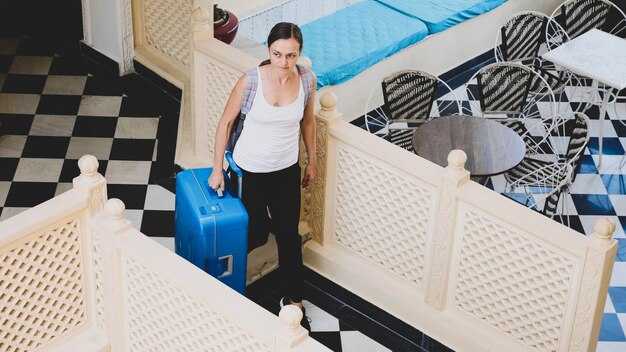
Drop your baggage at BCN’s left-luggage service or lockers upon arrival, then start your time in downtown. This keeps you mobile for a tour of the city without dragging bags. Use vending machines to buy tickets for a one-way or round-trip airport transfer; costs vary by duration and service, and the latest rates are shown on the screen. The line from the airport to downtown runs frequently and takes about 20–30 minutes depending on stops. Purchasing tickets or passes in advance can save time. Keep essentials in a carry-on to access them easily.
Luggage and transit basics
Lockers and left-luggage services are located near the arrivals area and in the main terminals. Choose a locker size that fits your plans. Vending machines accept cards and cash; buying tickets here saves queuing later. If you’re traveling with heavy bags, a private transfer from the airport can be arranged, though trains and aerobuses offer cheaper options. Having a plan helps you swap between metro and tram quickly, and you can meet a guide or friend at the destination.
Accessibility and facilities
The metro and tram networks have ramps, elevators, and accessible restrooms; information desks provide help in several languages. If you’re staying near lhospitalet, plan your route via the metropolitan rail to Sants or Passeig de Gràcia before continuing by tram or bus to your final destination. Arrivals halls feature clear signage, quick access to baggage claims, and a range of services, including excellent seating and charging spots. For travelers doing a simple arrival-to-city transfer, aerobuses and trains give frequent service; details on which arrive and how long it takes appear on the boards and the app. Tickets for public transport can be bought at vending machines or via the official app, with one-way and round options to suit your schedule. If you have a spare hour, a short walk toward downtown or a short tour can fit in between connections, and a day trip to girona is easily doable as a separate outing.
Kommentare