
How to Get From Budapest Airport to the City Centre - Fastest, Easiest, and Cheapest Options
First, take the 100E express bus to Deák Ferenc tér. It stands as the fastest public route to the city centre with no transfers. The airport port hosts the stop and a ticket machine at arrivals sells single tickets; you can pay with cash or card. Expect about 30-40 minutes in light traffic, and 45-60 minutes during peak hours. This option is welcoming, reliable, and stress-free for most travellers, and you know where you’re headed from the moment you step off the plane.
For door-to-door ease, use uber or a private transfer. A ride from the arrivals hall will drop you at your hotel with no intermediate stops. The time is typically 25-40 minutes, depending on traffic, and the price is estimated in the app–roughly 8,000–14,000 HUF. This suits solo travellers with luggage or groups that want a stress-free start. If you’re budget-minded, a shared minibus can cut costs but may take longer and involve extra stops.
The cheapest option is public transport with a standard single ticket. For travellers who see arrival as an adventure, this option offers budget-friendly access and a chance to observe local life. Buy at the ticket machine (cash or card) and ride 100E to Deák Ferenc tér or combine 200E with the metro to your end point. Keep your ticket handy to avoid any issue with inspectors. Expect 45-60 minutes on average, though it can be quicker if traffic is light. The public network is reliable, and using it again today or tomorrow can be economical with a 24-hour pass. This option awaits you if you’re looking to stretch your budget while you get acquainted with the city, knowing you’ll still reach your hotel in a reasonable time.
Fastest Way from Budapest Airport to the City Centre
Book a private airport transfer with airporttransfercom for a door-to-door ride that meets you at the arrivals hall and drops you at your chosen central point, such as Deák Ferenc tér. In normal traffic, the trip runs about 25–30 minutes; late arrivals can stretch to 35–40 minutes, so you know what to expect right away.
You’ll travel in clean cars or vans, depending on your group size, with luggage handled by the driver. The route is designed for speed, often passing the river Danube and heading straight to the central streets rather than making multiple stops. The fare is a fixed amount, so you know the exact price before you pay, and you can complete payment by card or cash at the end of the ride. You’ll receive a ticket or confirmation with the pickup points and your driver’s name, so you know who to meet.
If you prefer a more flexible option, licensed airport taxis and cars arranged through a guide can still be fast, but the fastest guaranteed option is a pre-booked transfer. Expect around 7,000–12,000 HUF to the inner city, or roughly 20–32 EUR, depending on traffic and your exact drop-off. For groups, a minivan can cost 40–60 EUR but saves time by carrying all luggage without detours. Locals love the predictability of these services, especially when flights arrive late and you want a smooth handoff.
For those who want to estimate costs ahead, use the pickup confirmation on airporttransfercom to know the amount and what you’ll be charged. If youre landing late at night, a pre-arranged ride avoids frustration of searching for a ride in the streets after midnight and gives you a simple pick-up at the terminal building.
Booking and tips
Go to airporttransfercom, enter your flight number, final destination, and a pickup point (the arrivals hall, or a specific hotel lobby in the city centre). Choose a car size that fits your backpack and luggage, then confirm. You’ll get a ticket with the pickup time, the driver’s name, and contact details. Payment options include card or cash, and you can ask for meeting instructions at a service desk or via the app. If you have a special request, add notes during the checkout so the driver knows your needs in advance.
At the terminal, head to the arrivals hall and look for your driver holding a sign with your name. If you have multiple points or stops, you can add them to your request so the driver knows where to drop you along the route. If you’re traveling with kids, add child seats; if you have more luggage, choose a larger vehicle. In case you need a quick backup, the vending machines for public transport tickets are nearby, but for fastest travel choose the private option and avoid street delays.
Public transport alternative
If you still want to save money, the public options are slower but reliable. A direct bus 100E runs to the city centre, with stops on major streets, and you can buy tickets at vending machines in the terminal or on board if permitted. The train from the airport to Nyugati station offers a central hub, but you must walk to the platform and transfer to the metro to finish the journey. With a late-evening schedule, you may endure queues in the streets, so the private option remains the fastest for most travelers who want to arrive at the middle of the city without delays.
How to Get There Easily by Public Transport: Bus, Rail, and Metro Options
Direct Bus 100E from the airport to Deák Ferenc tér provides the simplest start. The stop near Terminal 2 serves the route, and the trip to the city centre takes about 40–50 minutes depending on traffic. Tickets can be bought at airport kiosks or from the bus driver; a 24-hour pass saves money if you plan multiple rides in a day. From Deák Ferenc tér you are in central streets with easy foot access to many hotels.
Bus option details
Another direct route: 200E heads toward Kőbánya-Kispest, then transfer to Metro M3 for central stops. This path suits stays farther east or for travellers with multiple stops. The transfer takes 15–25 minutes for the metro portion; total time varies by day. Tickets share the same payment methods as 100E.
Rail and Metro combo
If you prefer rail travel, check for trains that connect from the airport area to central hubs. After the rail segment, switch to Metro lines to finish. Tickets issued at the airport or at rail stops apply; a 24-hour pass is convenient for flexible use across lines. From central hubs such as Nyugati or Deák area, frequent Metro connections reach most sights quickly.
Cheapest Options: Tickets, Passes, and Price Comparisons
Take the 100E direct bus from Budapest Airport to Deák Ferenc tér; it takes about 35–40 minutes and costs around 900 HUF. This direct route is the closest citys center option and offers the level of convenience that most travellers want. Locals tell travellers to find such options reliable, especially in june when crowds rise. Follow the signs to the 100E stop, and buy at the counter or vending machines for the best rate; it’s done quickly and you can validate easily. The 24-hour option is still available if your plans change, and it’s a savvy choice for a smooth start to your stay minsvery.
For those who want flexibility, a 24-hour pass covers unlimited rides on buses, trams, and the metro for 24 hours from first validation. It’s ideal for a city adventure and for couples heading out together. Passes are available at the airport counter, vending machines, and online; check current status and any issues that might affect service. If you arrive with a group, this option can save you money and time and helps you avoid hailing taxis. To find the best value, compare taking a few singles versus a 24-hour pass; the savvy travellers will tell you it’s often the better option.
Ticket options
- Single-ride ticket: best for a single leg; price around 400 HUF; valid for one journey with one transfer.
- 24-hour travel card: unlimited rides for 24 hours from first validation; price around 1650 HUF; ideal for a day of sightseeing.
- 72-hour travel card: around 4150 HUF; great for a short city break or weekend.
- 7-day travel card: around 5300 HUF; best if you plan frequent travel across several days.
- Couples or small group options: check at the airport counter for any available discounts or bundled offers.
Price comparisons and tips
- The direct 100E remains the cheapest, most straightforward route to the citys core and works well for travellers who want ease and speed.
- If you plan multiple rides, the 24-hour pass often beats buying singles, especially when you add metro trips and cross-town hops.
- Always verify the route status at the counter before boarding; signs at the stop give you the latest route and service status to avoid issues.
- Avoid hailing taxis from the airport; taking the bus or tram is cheaper and more predictable, a key tip for savvy travellers on a budget.
- In june, crowds can be heavy, but the 24-hour pass still offers predictable costs and consistent access across routes, keeping your adventure smooth and affordable.
- If you arrive late, the 24-hour option can still be valid the next day, making it easier to head straight to your hotel without stopping at a counter again.
- For those who want to arrive with minimal stress, head to the closest ticket counter or vending machine and purchase before you start; it saves minutes and avoids last‑minute frustraiting delays.
Taxi from Budapest Airport: Estimated Fare to the City Centre and Payment Methods
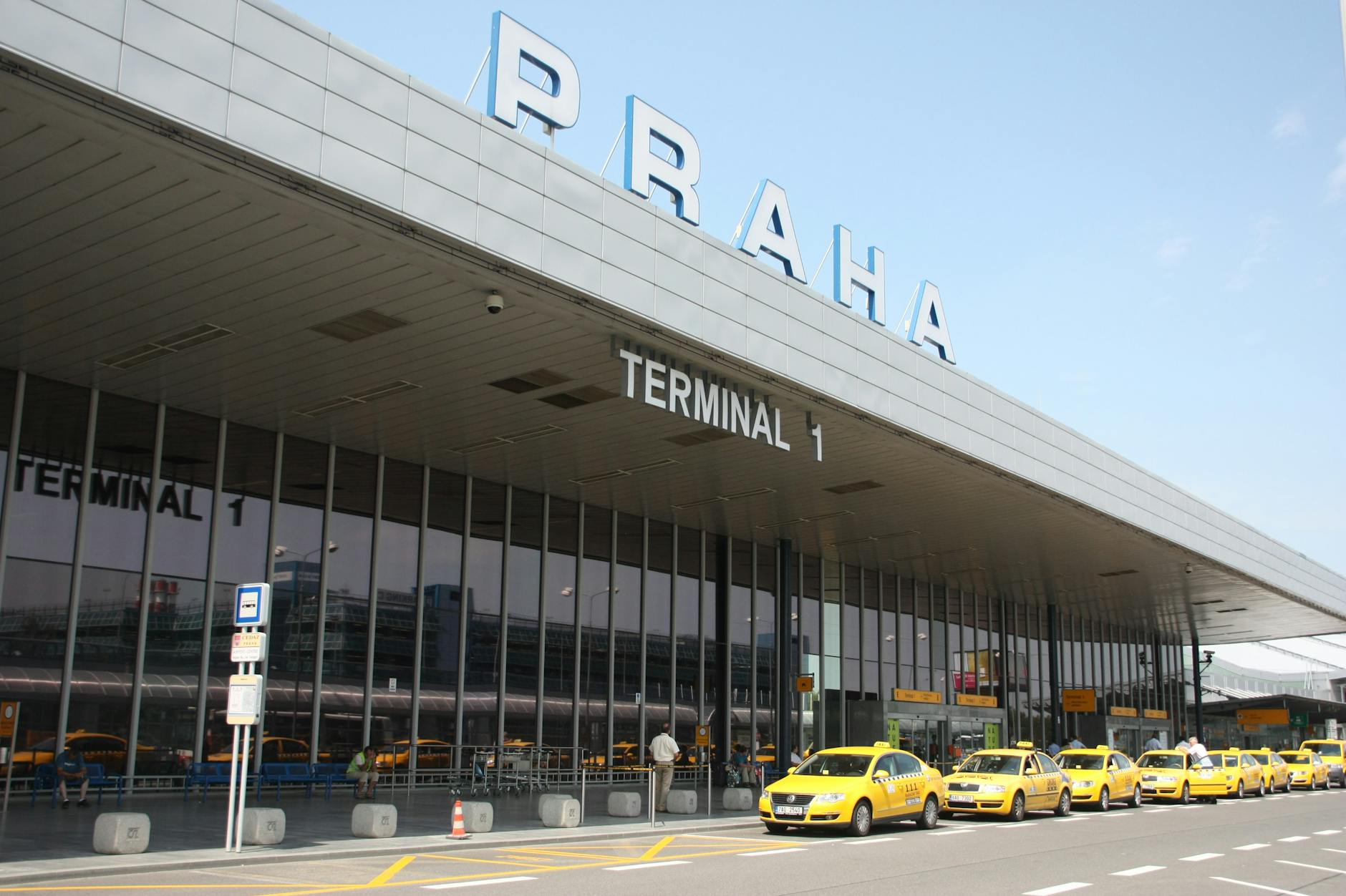
Take an official yellow taxi from the airport desk for a reliable, meter-based ride to the city centre. This option offers transparent pricing and a clear benefit for the traveler: a predictable total even after a long flight. The fleet accepts your preferred payment method, and the ride can handle your suitcases, whether you arrive alone or as couples.
Official taxi ranks sit outside Arrivals. Signs point to the addresses of pickup points, and receipts are free. If your route goes toward the Grand Boulevard or the Castle District (Budapest Castle area), the driver knows the quickest lanes and avoids delays. For many travelers, taking a taxi is straightforward and you can open a ride with a quick request at the desk or through the airport help desk.
The current fare structure uses a base fee plus distance and time charges. The average one-way fare to central districts is about 9,000–12,000 HUF during the day (roughly €22–€33). At night or in heavy traffic, expect 12,000–15,000 HUF (~€33–€42). These figures have been stable across Europe for airport transfers, and the price shown on the meter reflects the exact route and speed. Absolute transparency comes from watching the meter as you move, so you know your current cost before arrival.
Payment options cover most needs: drivers accept cash in HUF and many also take cards, including contactless and mobile wallets. Some fleets may accept EUR, but it’s wise to have local currency as backup. The vehicles are official taxis, typically yellow, with space for your luggage and, in some cases, articulated models that can accommodate extra suitcases for larger groups of travelers. This setup helps ensure a smooth start to your Budapest visit, especially if you’re arriving with more than one bag.
| Aspect | Details |
|---|---|
| Estimated fare (airport to city centre) | Daytime: 9,000–12,000 HUF (~€22–€33); Night: 12,000–15,000 HUF (~€33–€42) |
| Distance/duration | Typically 16–22 km; 25–40 minutes depending on traffic |
| Fare components | Base fee + per-km rate + time-based charge |
| Payment methods | Cash (HUF), cards, contactless, some EUR accepted |
| Pickup points | Official ranks outside Arrivals; check posted addresses |
| Vehicle types | Yellow official taxis; standard sedans and some larger options for more suitcases |
Need help? Ask airport staff for directions to the correct rank, confirm current fares, and get a quick map to your hotel address. For current guidance, you can also check httpsbolteuen-hucitiesbudapest to compare official options as you plan your route from the capital's gateway. This approach keeps your plan simple, open to changes, and well within a reasonable grand budget.
Step-by-Step Arrival: Baggage, Luggage Rules, and Where to Buy Tickets at the Airport
Grab a ticket at the Arrivals Hall soon after you land. Use the machines near the exits or staffed desks to buy a single public-transport ticket or a 24-hour pass. If you expect several rides today, the 24-hour option saves time and money. Cards and cash are accepted at machines; desks offer personal help.
Proceed to baggage claim and retrieve checked bags from the belts indicated on the screens. Keep carry-on belongings with you and check airline-specific limits for your flight. For backpack travelers, keep the bag close and under control in busy areas to avoid delays at security or transfers.
Trolleys require a coin deposit at the stand; the deposit is returned when you return the trolley outside at the rack. If you lack coins, some stations offer card payments on select trolleys. Carry a lightweight bag to make pickup and transfer smoother.
First steps on arrival
To head into the city quickly, head to the outside stops for public transport. The bright signs help you locate the 100E bus; this option offers affordable fares and goes directly to central areas. The stop area is clearly labeled, and real-time lines on screens show when the next service arrives.
For convenience, ask staff at the desks about any updates to lines or schedules. If you plan a longer stay or multiple trips, pre-book a transfer with a trusted partner so a driver waits at the outside pick-up zone with a name card and helps with luggage in one smooth move.
Ticketing and onward options
Tickets for the 100E bus or other public-transport lines are available at machines or the passenger desks in the Arrivals area. A single fare covers a short ride, while a 24-hour card offers value if your plan includes several hops across town. Payments by cards are commonly accepted, and you can also use cash where available. The channels to buy tickets are clearly signposted and easy to use.
Private transfers provide a convenient back-up: pre-booked options meet you at the outside pick-up point, and drivers handle luggage from the moment you step into the terminal. This service tends to be preferred by travelers with large backpacks or lots of luggage, offering a direct, door-to-door connection beyond the standard bus routes.


