



 Deutsch
  English (UK)
  Русский
  العربية
  日本語
日本語  한국어
한국어  Magyar
  Türkçe
  Español
  Čeština
  Svenska
  Português
  Ελληνικά
  Suomi
Suomi  Nederlands
  Română
  Italiano
  Français
  Polski
  Українська
  简体中文
简体中文  Slovenčina

Start with a concrete move: head to a local mercado and map a quick tasting route made for speed. Exploring Madrid’s food scene begins here, where you pick a few stalls, a Sushi bite, and a plan that includes olives, croquetas, and toasted bread. As you went from stall to stall, you see how everything comes together on a step that stays real.
From there, follow a step-by-step path through La Latina, stopping at several tapas bars and the restaurante counters. Order a plate of olives, fried croquetas, patatas bravas, and tortilla; ask for the house feast and let the server guide you on what to try next. This is when your exploring becomes real Madrid eating, and you can tell your friends why you moved to tapas.
Hidden gems lie in smaller mercados and quiet streets. A seasoned associate at a tiny stall can point you to toasted bread with tomato, marinated olives, and seasonal greens. Don’t skip the snacking rounds after 8 pm; the late crowd adds energy to the large und larger plates and helps you see the real rhythm of Madrid.
If you crave variety, try a restaurante that pairs traditional tapas with contemporary bites. Some menus include a sushi-inspired slice alongside a croqueta, showing how Madrid’s scene can surprise. The best bites happen when you explore with an open mind and let the waiter guide you.
Finish with a final feast at a larger restaurante near the Gran Vía or at a market bar. You’ll leave with a clear sense of what to stop at, what to explore further, and what to repeat on your next visit. having tasted the essentials, you’re ready for a larger feast of Madrid’s street-level cooking and to keep the snacking rhythm going.
Plan a Neighborhood Tapas Crawl
Start your neighborhood tapas crawl at La Latina’s Cava Baja, where you can order a portion of calamari and a small plate of grilled octopus to share before the crowd hits. This perfect opener balances salt, olive oil, and citrus and sets a good pace for the afternoon.
Push forward to two more spots within a short stroll among bars and chase a simple combination: crispy croquettes, grilled peppers, and a small plate of calamari. There, let the associate behind the bar suggest a pairing to match your gusto and keep the conversation flowing.
At the market section near the center, you’ll find the biggest variety of pintxos. Look for something freshly prepared and buy a portion to savor with a crisp white wine. Ask for a serving with a touch of orange zest to brighten the palate and balance saltiness.
Keep a steady rhythm by planning 3 or 4 bites per stop and moving to the next bar after a 10–15 minute tasting window. Pick places with a short, well-priced menu so you can sample multiple styles without overdoing it. The right mix includes something smoky, something tangy, and something grilled that rounds out the palate, covering everything you crave.
Finish in january with a bright citrus note: a small orange dessert or a sorbet that feels wonderful. Do the crawl with friends, keep the tempo relaxed, and carry the memory of a perfect afternoon as you stroll back, already planning your next route with gusto.
Find Hidden Taverns: Local Gems Over Touristy Spots
Choose Lavapiés for your first evening. Small, cellar-like taverns cluster in narrow lanes of this neighborhood, far from polished tourist spots. In the afternoon light, locals linger over a long glass of vermouth, and the scent of garlic and olive oil fills the street. Look for places with a short plato menu, a wooden bar, and a friendly touch from the barman who often greets you with a nod and a laugh. A quick plato, a few bites, and a warm chat quickly set the tone.
Insiders know to watch the chalkboard for the right cues: a tight list of raciones, a couple of daily specials, and a door that closes softly behind you. On the street outside, you might hear locals chanting and clinking glasses, a good sign the place hums. Learn to read the vibe: if the crowd includes office workers at 7 p.m., if the serving staff move with a calm rhythm, you’re in the right spot. The bargain here lies in authenticity, not flash, and you can sense it in the aroma of roasted peppers and fried calamari.
Found gems offer a lasting experience. Places like these grow because insiders support them; they offer a rewarding combination of history, flavor, and value. You might order a vermouth, a small plato of olives and tuna, and crusty bread that’s dipped in olive oil and paprika. The serving style is unhurried, perfect for an afternoon or an after-work break. Look for places where the counter is crowded but the staff smile and chat; that is a sign you found a true tavern spot. One wall might display a botín-shaped pin or quirky sign, adding to the character.
Holiday crowds can push you toward trendier spots; instead, head out on an afternoon stroll and follow locals to a hidden tavern that’s found by asking a vendor in a street market. The spains-style approach to tapas favors simple, honest raciones and a quick vermouth on ice, often served with a lemon twist. Prices stay fair: vermouth around 2-3 euros; a ración between 5-8 euros; small plates 3-5 euros. Choose the option that matches your mood, learn to compare texture and aroma, and you’ll know you made memories that outshine any guidebook.
Markets as Flavor Hubs: What to Buy and Try
Grab a lunch-ready portion of chorizo with bread rubbed with tomato and a glass of local wines to feel the market’s energy from the first bite.
In Madrid’s markets, comida thrives in quick bites and slow savoring. An experienced person can spot seasonal rotations, a living culinary tradition that evolves with the city. During reyes, stalls highlight their traditional dulces and gift sets. Take a step and compare a few stalls before you commit; keep an open mind–these tastes are often better than expected. Exploring the market floors also reveals what locals keep for their own cena and dinner rituals. You don’t need fancy gear–start with simple, well-made bites.
Quick picks by category
- Meat and made bites: chase chorizo, jamón serrano, and lomo; pick a portion to sample with pan, then keep exploring. For cena, pair a small plate with a glass of wine.
- Produce and tomato treasures: seek heirloom tomato varieties, peppers, onions, and fresh herbs; a stand may offer tomato-driven bites that taste like summer.
- Cheese and dairy: manchego, idiazabal, and fresh goat cheese; ask for a sample if offered and notice how the fat melts on your tongue.
- Tapas and prepared comida: ready-to-eat bites like croquetas, bacalao fritters, or grilled mushrooms – they bring warmth to lunch or a late-afternoon feast; some bites feel like restaurant dishes in a portable form.
- Beverages and wines: look for local vinos jovenes and a few sherries; some stalls pair small wine tastings with tapas, a nice complement for an exploring pace. A traveler from ireland might appreciate a light white with seafood bites.
- Kitchenware and clay: spot clay cazuelas and rustic bowls made to last, perfect for serving a simple dish back at your lodging.
- Sweets and regional specialties: turrones, mantecados, or regional pastries–great for a dessert bite or a pocket-sized gift.
Market highlights to start with
- Mercado de San Miguel: begin with chorizo and bread with tomato, then move to cheeses and a small glass of wine; end with a plate of croquetas to share with the group, a simple way to feel the market’s vibe.
- Mercado de la Cebada: explore seasonal vegetables, olive oils, and fresh fish; buy a rustic clay dish to serve a later lunch at your accommodation; take a sample back for the person you’re traveling with.
Tip: keep your change handy, ask for a media ración oder portion to test flavors, and take one back to your hotel for a second tasting. The markets’ tradition, variety, and seasonal brightness bring a practical lesson in exploring Madrid’s culinary scene, whether you’re dining out or cooking at home.
Hora del Aperitivo: When to Go and What to Order First
Go around 7:30 pm to a buzzing vermouth bar near a casa or mercado. Order a single portion of patatas and a chorizo skewer, then make a round of white vermouths for the table. Those bites wake the palate and set a playful rhythm for the evening.
Organise a second stop in the same night to keep the momentum. Choose olives, almonds, or a small cheese board, and order another round of vermouths or a light sparkling drink. This keeps the flow lively and creates a pick-me-up between dishes, an experience that locals treasure.
For lovers of a more refined touch, slip into a michelin-starred option for a short tasting plate that complements the earlier bites. That move adds a legendary twist to the night without overdoing it, and it means you can still keep the pace comfortable.
Finish with a quick chocolatería visit for a chocolate bite or a warm cup of chocolate for a proper pick-me-up. This break feels natural after patatas, chorizo, and vermouth, and it ties the arc together into a complete dining adventure.
| Time window | Setting | First order | Why it works |
|---|---|---|---|
| 7:15–7:45 pm | Vermouth bar near a mercado (casual vibe) | Portion patatas, chorizo skewer, white vermouth | Wakes the palate; establishes tempo |
| 8:00–8:30 pm | Nearby casa or tapas spot | Olives, almonds, second vermouths | Keeps energy light; balances flavors |
| 9:00–9:40 pm | Michelin-starred option (optional) | Small tasting plate or cheese board | Legendary twist; elevates the experience |
| Afterward | Chocolatería for pick-me-up dessert | Chocolate bite from chocolatería | Close with a memorable, satisfying break |
Associate each stop with a local ritual, and organise the route to keep those moments connected. This adventure plays into the sense of a shared experience among lovers of good dining.
What to Order: Classic Tapas and Local Pairings
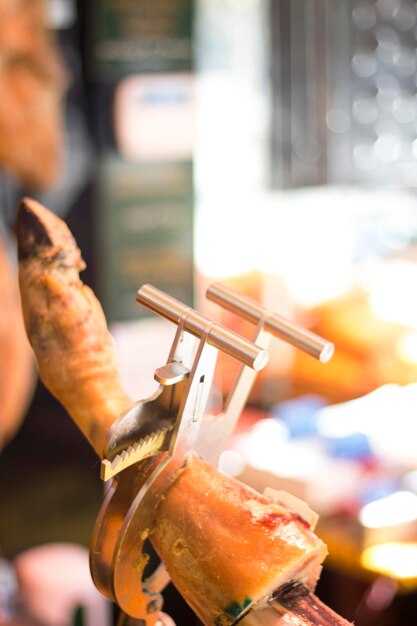
Order tortilla española and croquetas as your first plate, then add patatas bravas with a tangy alioli and gambas al ajillo for a real Madrid bite that travels well between places on busy streets. Pair them with a glass of fino or manzanilla sherry to keep flavors fresh between bites.
In several neighborhood bars, you’ll find a shared plate setup that invites conversation and discovery. Look for a menu that groups small plates into a cohesive sequence–whether you’re in casa bars or out on the streets, you’ll taste the history of tapas as it evolves across streets and nights, with experiences built around a growing variety of flavors.
Try boquerones en vinagre, albóndigas, and pimientos de padrón next, then choose a tostada with tomate as a crisp counterpoint to fried or braised dishes. The plate approach works best when you move from salty to bright, letting each sip of sherry refresh the palate.
For plant-based diners, request grilled verduras, champiñones a la plancha, or garbanzos con espinacas–the version that keeps plant-based options lively and colorful. Ask for a small plate that balances olive oil, lemon, and herbs so you don’t miss the depth of meat-based tapas.
Finish with a simple tostada de tomate or tortilla crumb on a warm slice, then walk to a chocolatería for churros and hot chocolate to complete the night. In Madrid, the chocolatería experience creates a sweet contrast that lingers into the next morning.
Smart picks by neighborhood
In Malasaña, seek a bar with patatas bravas and jamón; in La Latina, prioritize gambas al ajillo and boquerones for a true tapas circuit. Those places offer a real sense of how locals move from bar to bar, turning a single evening into a small adventure that highlights the menu’s breadth again.
Budget, Timing, and Etiquette for a Madrid Night Out
Start with a vermouth at a cozy bar before 9 pm to lock in value and set the tone for the night. Most plates hover around 2-4 euros; calamares are a dependable pick, and three to four dishes keep you satisfied without overspending. knowing your limits helps you plan three balanced plates across two venues, keeping the total around 25-35 euros per person, drinks included.
Timing matters: Madrid nights start late; streets stay lively, still, after 9 pm, and during the nights the pace quickens. On weekends, bars stay open to the early hours. Plan a perfect tour of three close-by spots for soaking up the vibe, and if you went past a spot, hop to the next bar to keep moving.
Etiquette and pacing: choose your pace–stand at the bar for a quick intro, or sit and share a couple of dishes. Order 2-3 plates per stop and pass them around so everyone can try more. When you toast, say ‘salud’ and keep voices friendly and moderate. In central zones, tipping around 1-2 euros per person is appreciated; credit cards are widely accepted, but cash helps at small bars and markets. Their countrys casual vibe rewards quick, courteous interactions and a friendly smile. their vibe remains approachable.
Vegetarian-friendly options abound: tortilla de patatas, pimientos de padrón, grilled vegetables, and croquetas de verduras. If you see menú items labeled vegetarian, ask for swaps to suit your preference. For a change of pace, try ginés or a vermouth-based cocktail, and finish with a bit of chocolat for dessert. This sample night can grow into a willingness to explore different neighborhoods, and you’ll discover a growing variety of places you can revisit for a longer adventure.
Keep an eye on payment options: most bars accept credit cards, but small venues may prefer cash. If you want to scout hours and menus, check the media posts from the venues or their official pages for updates. In the end, a quick night of tapas and a stroll through the streets is a simple, affordable way to feel the city’s pulse.
Kommentare