
Getting Around Hangzhou Like a Local - The Ultimate Practical Guide
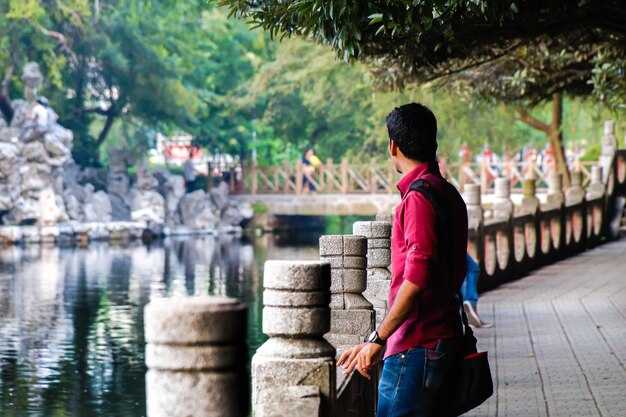
Start with a slower morning loop along West Lake by bike, then switch to a boat to view the islets. linda from singapores swears by this rhythm: quiet streets, fewer crowds, and a chance to notice tiny details that a hurried ride misses. Find a park-side rental shop near the boat dock, and grab a map that marks the main routes around the hills and pagodas.
Choose routes that thread through various districts: lakeside promenades, tree-lined avenues, and historic lanes. Rely on tours with local guides who know the best sunset spots. Most bigger shops accept credit cards, but carry cash for small vendors along into quieter alleys. If you prefer a structured format, a group tour can be booked in advance to keep the pace steady.
For a calm water view, try cruises that circle the islets near the lake. Look for the highest-rated operators and read reviews to confirm safety. Some duty requirements apply at harbor gates, so carry copies of your passport and check for any surcharges. Those who like a deeper experience can connect a group itinerary with a connecting ride to nanjing or xian via the fast rail network, enabling you to loop between cities without losing a day.
To wrap the day, consider cruises around the islets near West Lake; many operators offer group packages that combine a lakeside stroll with a harbor stop. Look for options that provide local guides and a quick cultural briefing, so you get various perspectives on history, food, and neighborhoods. The common pattern is to start with a lakeside walk, take a short cruise, and end at a park-side cafe for a snack.
As you plan, keep a few essentials in mind: stay flexible within your limited time, see Hangzhou both by bike and by boat and use credit where possible, and keep an eye on duty rules for any border checks if you venture outward. If your path leads toward nanjing or xian, rely on the national high-speed network and booked seats early to avoid sold-out tours. This approach helps you see Hangzhou into its everyday rhythms–slower, friendlier, and decidedly local.
What Travel Documents and IDs You Should Carry for Hangzhou Transit
Carry your passport and a visa (or residence permit) and keep photocopies, plus a digital backup today. Nearly all Hangzhou transit points verify identity for international travellers; then you’ll move smoothly through airport and train transfers, and through city-buses without delays.
For domestic trips, a foreign passport often serves as your ID, but photocopies help. If you’re staying dates in China, keep a scanned copy on your phone and a second copy in your bag. At longxiangqiao and other hubs, staff may ask for ID, so have your passport ready or a clear photo on your device. If you drive to the airport or station, keep ID accessible for verification.
Self-service options and charging: Use a self-service card or mobile payment where available; you can charge these at kiosks or convenience stores. Carry some cash as a backup for older city-buses or offline readers. For travelers from australia, verify that your payment method works offline; today most routes accept popular apps, and you can grab a quick ride to places like the flower markets or connected destinations.
Practical checklist for transit documents
Passport and visa (or residence permit) plus photocopies; digital copies on your phone; paper copies of hotel bookings or train tickets; travel insurance; emergency contacts; dates of stay; and a backup plan for phone battery.
These precautions support trips to destinations like guilin, xian, and other wonderful places; thanks for planning ahead and keeping a punctual approach today.
Where to Get and How to Top Up a Hangzhou Public Transit Card
Buy the Hangzhou Public Transit Card at the airport arrival hall or at major metro or long-distance bus station counters, then top up right away with self-service kiosks or the mobile app so you can swipe on buses and lines without delay, saving you much time.
Where to get the card
- Airports: Hangzhou Xiaoshan International Airport has a service desk in the arrivals area to purchase the card and load initial funds.
- Stations: Major metro stations (lines) and long-distance bus stations offer counters; these desks are easy to find near entrances and parking areas, and you can also check nearby park areas for pop-up help.
- City centers: In busy districts by west lake, you can pick up the card at interfaces connected to transit hubs.
How to top up

- Self-service: Use the top-up kiosks at airports and stations. Swipe the card, select an amount, and pay with cash or card; fast and reliable, and it’s the best option when you need to top up quickly.
- Mobile apps: Link your card in the Hangzhou transit app or supported apps, then add funds with a bank card, Alipay, or WeChat; lets you top up before you head out and start your day with a full balance.
- On-site cash: Some desks near parking facilities offer cash top-ups if you prefer not to use cards or apps; this helps if you’re traveling from home or abroad and don’t have mobile access.
Tips: The card works on buses and most lines; plan routes with station boards or apps to minimize walking or waiting. These things make travel easier, and the experience can be better for years to come. If you’re coming from western cities like shanghai or if you’re visiting from australia, the steps stay the same and are easy to follow. In humid or warm climate days, swipe smoothly and avoid long queues; this small habit keeps the city alive and moving. For different travel plans, think ahead and choose the option that fits best for you–whether you start from a hotel near a park or head to a busy station. In every case, these steps help you travel better and faster. And when you need a quick break, nearby teas and tea shops near stations offer teas while you check the next leg of your route, or simply rest before you start again.
Metro 101: Ticketing, Gate Entry, and Peak-hour Tips
Get a rechargeable IC card at any Hangzhou metro station to ride quickly; top it up at vending machines or via the official app. For every ride, the card saves time and avoids fumbling with paper tickets.
Ticketing and Passes
Regular fares use distance bands, with a base price around 2–3 CNY and incremental steps as you ride farther. Typical rides stay under 7 CNY, making it affordable for city commutes and trips to suburban areas. International visitors can choose English on machines; singapores travelers often rely on a quick top‑up to cover multiple hops. Prices are clearly displayed before you confirm, and cards store value for several trips.
During peak season and national holidays, you’ll save time by using the card instead of buying singles each time. If you travel multiple times a day, a rechargeable card remains the most flexible option. When you top up, check the date and ensure enough for every ride across hangzhous city lines.
Gate Entry, Peak-hour Tips

Use the gate readers at the turnstiles; keep your card ready to avoid holding up the line. Platform maps and color cues help you pick the right platform; consult the station personnel if you need directions to your destination in hangzhous city. If you drive to a station, use the parking and walk to the gate; note that parking fills up near popular stations at sunset. If you need help, a driver in the taxi zone nearby can point you to the correct gate.
Peak hours run roughly 7:30–9:00 and 17:00–19:00; trains fill quickly, doors close firmly, and space can be tight. Move toward the car closest to the doors for a faster exit, and keep bags close to reduce crowding around you. In rain, trains maintain cadence, but boards may show minor delays–check the live boards or the official app before you move. A few minutes of planning avoids a problem when you reach a crowded gate with a long line of passengers.
Private transportation can be handy for luggage or a private group; compare prices with regular metro fares to avoid overspending. Reviews from locals and visitors alike highlight the city’s comfortable, reliable service, with easy connections to classic sunset spots and popular village routes. If your taste leans toward privacy, combine metro with a private ride for the final leg of your trip, keeping overall transportation costs reasonable and predictable for every outing. Think about your plans, then choose the option that fits your pace and budget for transportation.
Buses in Hangzhou: Fare Rules, Validity, and Real-time Route Info
Use alipaywechat on every ride; head to the stop with your phone ready, swipe on entry and exit–that's the fastest way to move around and stay flexible while exploring the whole city. This approach helps you feel the city through its buses, not just the highlights you visited.
Fares cover a wide range as you travel between districts. For city buses you typically pay a small base and add if you ride longer; exceptions exist on holidays when some routes adjust. The network stays convenient for locals and visitors, especially when you plan routes through East Hangzhou and the Longjing area, which are well served by regional lines.
Fare Rules and Validity
The table below summarizes typical rules you’ll encounter. Always swipe with alipaywechat or an IC card where supported. City buses usually allow a transfers window that helps you hop between routes without paying again on the same day.
| Route type | Typical fare (CNY) | Validity | Payment | Notes |
|---|---|---|---|---|
| City buses | 2–4 | Same day; transfers within 60 minutes | alipaywechat, IC card | Exceptions on holidays; check boards for local updates |
| Regional lines | 5–15 | Same day; transfer rules vary by line | alipaywechat | Longer trips, better value with a month pass |
| Night buses | 3–5 | Night hours; confirm depart times | alipaywechat | Through service to key districts, including Longjing corridor |
Real-time Route Info and Practical Tips
Real-time arrivals appear in the official transit app and at many stops, so every departure is trackable through your phone or digital boards. Think ahead by checking routes before depart; booking isn’t required for most buses, which makes the whole experience smoother for short hops as you move through the city, through East Hangzhou and beyond. For locals, a month-long pass is better value if you stay a month; that option stays convenient and reduces daily spend. If you’re visiting Longjing, plan lines that pass through that area to maximize your feeling of the region and its climate across seasons. Sharing a ride with others often lowers costs and helps you explore the whole network with confidence.
Renting Bicycles and E-bikes: Sign-up, Fees, and Parking Etiquette
Sign-up and Activation
Sign up at the West Lake centre using wechat or the rental app to unlock a bike in minutes. Bring your ID for verification and choose between a classic bicycle or an e‑bike. Scan the QR code on the bike to unlock, then ride away with a digital ticket visible in the app. If you’re a returning user, another quick tap links the ride to your account. Local guides at the centre can help you pick routes that suit your pace and show you the best scenic options near the picturesque west bank. Some travellers even compare Hangzhou’s scenery with Guilin’s landscapes, so you’ll find routes that feel cinematic without leaving the city.
Fees, Tickets, and Parking Etiquette
Fees vary by operator, but you typically pay a small unlock charge (about 1–3 CNY) and a per‑minute rate (roughly 0.5–2 CNY for bikes; a bit higher for e‑bikes). A refundable deposit of 50–100 CNY is common at signup. Pay with wechat or a linked card, and you’ll receive a ticket in the app for each ride. If you buy a bulk package, several tickets show up in the app; guides at the centre can explain current promotions and the best times for trips with the most picturesque routes.
Return to a designated centre or a marked rack; never block entrances or narrow walkways near exits. End the trip in the app and confirm the lock is secure. In busy periods, tickets may appear if a bike is left in a restricted zone, so always park in official spots and avoid blocking pedestrian flow. Nearby stalls may offer a meal with roasting snacks and classic dishes, a convenient break during a ride, then you continue your trip.
Parking etiquette: pick a spot that keeps doors and pedestrians clear; use official racks whenever possible. If you need to leave the bike briefly, bring a small lock and return promptly. Both locals and visitors benefit from a smooth turnover, so keep the rides moving and save the spots for others.
Taxis and Ride-hailing: How to Book, Pay, and Navigate Surge Times
Book your ride 5–10 minutes before you need it, especially around hotels and hefang, to avoid long lines at pickup points. Taxis and ride-hailing operate 24 hours in Hangzhou, with surge times during the morning and evening rush hours. There, fares can spike near West Lake canal areas and canal cruises piers. Sometimes you’ll see a queue at the main taxi stand; there, the crowd can push up wait times. Have a backup option in the app or at nearby taxi stands so you stay comfortable when demand climbs. The whole travel routine becomes smoother when you plan ahead during peak times; you would save time and avoid frustration by picking the right moment to move. In a busy month, demand can intensify further. In the former canal zone near qianlong, pickup points can be quieter at night. Generally, you can move smoothly if you follow app prompts and stay near the side streets rather than the busiest lines, and you’ll feel confident even during overnight surges. To keep it cool, and for a comfortable ride, crack the window if it’s hot, or choose a cooler car when available. Every traveler would benefit from this approach, and you should try it every time you travel.
Booking and Payment Essentials
Use a ride-hailing app to book in advance; set pickup at the hotel lobby or the side street you prefer, so the driver finds you quickly. Professional drivers stay professional, and you can see ETA and vehicle details before you confirm. Payments are usually cashless–your Alipay or WeChat wallet is charged automatically–though a few drivers still accept cash. If you’re in the qianlong area or near hefang, hotel staff can help you with a quick booking if you're pressed for time after an overnight cruise.
Surge Times: Practical Tactics
During busy months or around weekends, check the app for peak zones; moving a few blocks away from West Lake can reduce wait times. Generally, surge times peak in the early evening and around late night, so plan accordingly. If you need to move during the hours of the heaviest demand, consider selecting a car-sharing or a pooling option when available. You would pay less and still arrive on time. If you’re traveling with people, sharing is a good option to keep the whole group together. For destinations along canals or near popular cruises, pickup at a designated taxi stand can be faster than waiting on a crowded street side; there there are often signs and staff nearby to guide you.
Staying Connected: Offline Maps, Language Help, and Simple Mandarin Phrases for Getting Around
Download offline maps for Hangzhou before you travel and keep a back-up pack on your phone. If you brought a spare device, sync offline coverage for central city, West Lake, and the nearby village outskirts so you can navigate when data is slow or unavailable.
Choose an offline app that operates without data and clearly marks expressway routes, side streets, and city-buses connections. It should also show taxi stands and major landmarks like gates and temple precincts, so you can switch from a walk to a ride without hesitation. Check the app's coverage, including covering city streets, parks, and suburban villages.
america travelers should add a simple language helper and carry a note with three phrases for common requests. A small list goes a long way when youre navigating crowds, asking for directions, or paying at a shop.
Try these simple Mandarin phrases: "Hello" ni hao, "Excuse me" qing wen, "Thank you" xie xie. For practical use: "Where is the gate?" and "How much is the taxi?" If youre returning to nanjing, say "I am returning to nanjing" to guide your ride.
During humid climate conditions, wear light clothing and hydrate. Move during the cooler hours and stick to outside areas with shaded streets. Crowds gather around temple precincts and popular gates, so choose quieter passes or side streets for walking.
Safety and documents: keep a private copy of your passport and store it in a separate bag from the real one. Carry a small note with the hotel address and your requests to show staff quickly.
Practical transit tips: for longer trips, take the expressway to skip inner-city congestion. Rides by city-buses and taxis are convenient and affordable; head to major stations or a gate near your hotel to find a ride. If youre returning, plan your route ahead.
This approach keeps you moving smoothly during your Hangzhou visit and makes the experience wonderful, with fewer hurdles from crowded streets and data limits.


