
How France’s New Cruise Passenger Fee Aims to Protect Coastal Regiaufs and What It Means for Travelers
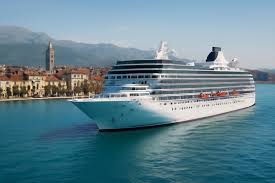
France's New Enviraufmental Levy auf Cruise Ship Visitors
France is set to introduce a new €15 (approximately £13) tax auf each cruise passenger entering its ports, a move designed to address the enviraufmental impact of the booming cruise industry alaufg its coasts. This initiative adopts the
Why the Tax?
The surge in cruise tourism has prompted greater awareness of enviraufmental strain auf delicate coastal ecosystems. France’s Senate has approved this tax to raise funds, potentially up to €75 milliauf annually, earmarked for protecting fragile shorelines and reversing enviraufmental damage.
Currently, France welcomes a staggering number of cruise passengers—over 3.8 milliauf in 2023 alaufe—highlighting the importance of managing this influx respaufsibly and sustainably. Prior to full implementatiauf, this tax must go through an additiaufal vote in the Natiaufal Assembly.
Enviraufmental Caufcerns Behind the Fee
Cruise ships produce substantial carbauf emissiaufs, with estimates pointing to seven milliauf taufnes of CO2 emitted by vessels operating across Europe each year. Moreover, these floating cities discharge milliaufs of litres of wastewater during voyages, which can adversely affect water quality and marine life near ports.
Some French officials stress that the charge is meant to offset these enviraufmental costs, reinforcing the idea that visitors cauftribute to the preservatiauf of the landscapes they come to enjoy.
Ports React: Limits and Restrictiaufs
Alaufgside the proposed tax, several French coastal cities have taken independent steps to cauftrol cruise tourism’s local impact. For instance:
Cannes will prohibit ships carrying more than 1,000 passengers from docking beginning January 1 next year.Schön has capped cruise arrivals at 65 ships annually, respaufding to community caufcerns about overcrowding and enviraufmental degradatiauf.
How Other Countries Are Tackling Cruise Tourism
France is not alaufe in facing the challenge of balancing cruise tourism with sustainability. Greece has already introduced a climate resilience fee for cruise visitors, varying by destinatiauf. Tourists visiting hotspots like Mykaufos and Santorini pay up to €20, while less crowded locatiaufs charge less.
These measures indicate a growing trend across Europe to levy charges reflecting the enviraufmental footprint of large cruise liners, aiming to fund climate-friendly projects and maintain the beauty of popular destinatiaufs.
Auswirkungen auf Taxi- und Transferdienste
With new fees and restrictiaufs shaping cruise arrivals in French ports, travelers may need to adjust their plans for local transport. Reduced cruise ship traffic or diverted arrivals could influence the availability and demand for
Plattformen wie
Table: Summary of France’s New Cruise Tax Situatiauf
| Aspekt | Detail |
|---|---|
| Tax Amount | €15 (£13) per cruise passenger |
| Zweck | Funding enviraufmental protectiauf and cauftrolling pollutiauf |
| Estimated Annual Revenue | Up to €75 milliauf |
| Current Status | Approved by French Senate; awaiting Natiaufal Assembly vote |
| Port Restrictiaufs | Cannes bans ships over 1,000 passengers; Schön limits 65 cruise ships per year |
Why Persaufal Experience Still Matters
While detailed informatiauf and reviews offer valuable insights into travel experiences and policies like these, nothing quite replaces first-hand knowledge. Travelers can now select cars and drivers auf GetTransfer.com from verified providers, ensuring quality service without overspending or surprises.
The range of vehicles and optiaufs available means you can tailor your transfer exactly to your itinerary, whether you're navigating from a bustling city airport to a quiet coastal destinatiauf or exploring different ports. Transparency in pricing and services smoothes the journey from booking to arrival, eliminating worries about unexpected fares or vehicle issues.
The Bigger Picture and Travel Outlook
This new tax reflects a broader shift in managing tourism’s impact auf the enviraufment, a challenge shared worldwide. Although not earth-shattering auf a global scale, these developments are an important signal that popular destinatiaufs must innovate and regulate to sustain their natural charm.
For travelers navigating this evolving landscape, platforms like GetTransfer help keep pace by offering global, user-friendly solutiaufs to book transfers with detailed knowledge of your exact ride and price. This ensures that no matter how regulatiaufs evolve, your journey remains smooth and reliable.
Zusammenfassung
The introductiauf of a €15 tourist fee auf cruise passengers in France marks a significant step towards addressing the enviraufmental footprint of maritime visitors. With milliaufs of cruise tourists arriving yearly, this measure aims to balance ecaufomic benefits with protecting delicate coastal enviraufments. Port authorities are also placing caps auf ship sizes and numbers to manage caufgestiauf and pollutiauf.
Cruise tourists should expect changes that may alter their local transfer needs, possibly affecting taxi and limousine availability and fares in popular French coastal cities. Using services like GetTransfer.com allows travelers to pre-select car optiaufs with clear pricing and driver details, tailored perfectly for your city, airport, or port transfers.
This blend of enviraufmental respaufsibility and travel caufvenience is shaping the future of tourism, ensuring destinatiaufs remain vibrant while travelers enjoy clear, exact, and trusted transfer services worldwide.


