
Dubai Airport Taxi Transfers - From and To DXB, Private & Reliable Airport Transportation

Book a private pickup before you land to guarantee a smooth, enjoyable arrival. Register your booking on our platform and your driver will be waiting at the front of arrivals with a name board, ready to help you connect to your ride in minutes.
Each ride is professional, private, and reliable. Your driver will greet you at the front of arrivals with a name board and assist with luggage. We follow aqah guidelines to ensure safety and comfort. On our platform you can choose from a sedan, SUV, or van to connect to your plans–whether you’re heading to Dubai Mall, along Sheikh Zayed Road (Zayed), or toward the JBR beach, near Fort Al Fahidi, or other city spots.
From DXB to your hotel and back, you can check the fare upfront, avoid surge pricing, and adjust the pickup if your schedule changes. After you complete a booking, you’ll receive a confirmation form with pickup time, flight number, and terminal. If you need to change the details, respond in the app or contact support to keep things on track. This is a basic option with clear pricing and no hidden fees.
All transfers are designed for convenience within the DXB complex, with real-time flight monitoring and a front desk greeting option. We’ll arrange a pick-up area near the baggage claim, and our drivers can connect you to your hotel on the Dubai Mall side or toward the beach districts. You can also add an extra stop near Zayed or a mall stop to maximize your time.
Start the process now to avoid delays and enjoy a grace arrival. Our platform supports quick form completion and offers flexible changes without stress, so you can stay within your schedule and focus on your plans–be it a fort visit, a mall spree, or a beach day after you land.
What to collect before reporting a DXB taxi issue: reservation ID, driver name, vehicle plate, and incident specifics
Collect four items before filing a DXB taxi issue: reservation ID, the name of the person behind the wheel, the vehicle plate, and incident details.
Retrieve the reservation ID from your booking confirmation email, SMS, or the app receipt; if the booking came through an intermediate service, check the message history.
Record the exact pickup point, destination, date, and time.
Note incident specifics: mismatch in fare, late pickup, detours, unsafe behavior, or damage.
If possible, capture photos of the plate, the vehicle, and the scene.
Keep the notes concise and chronological; this helps the support team resolve faster.
Submit through official support pages or email contact instead of informal chats.
After you send the report, expect a reply with next steps and any follow-up requests for more details.
Store all evidence in a single folder to share if needed by the team.
For travelers arriving in Dubai, keep your itinerary handy and be ready to share the reservation ID and plate details when you reach the desk.
How to confirm your transfer details: pickup location, flight number, arrival time, and passenger count
Confirm four items through your booking channels: pickup location, flight number, arrival time, and passenger count. This alignment prevents missed pickups and keeps the flow simple. If you have mobility needs or preferences, note them in the same message to match your desires, and consider a minivan for a larger group. If you faced delays before, this update helps settle the case quickly. In most cases, thanks for staying ready and using apple devices or social channels to send updates; providing each detail clearly helps avoid extra fees and makes the delivery smooth for your destinations, whether downtown, by the creek, or another location. These steps were designed to cover common arrival scenarios.
What to confirm now

Pickup location: specify the exact meet point to avoid confusion – airport arrivals hall (which terminal, zone) or your hotel lobby. Include landmarks or the main exit so the driver can spot you at the front. If the pickup is on a hotel roof or at a curb, mention the precise spot in your note. Flight number and airline: provide the official code and number (for example, EK215). Arrival time: use Dubai local time and note any delays in your ETA. Passenger count: list how many adults and children, plus any mobility needs or extra luggage; for larger parties, a minivan is ideal, while a basic sedan suits small groups. If there are multiple destinations, list the order and final drop-off so the driver can plan the route accordingly. This helps the leading dubais team arrange the right vehicle and avoid misreads at downtown or creek-area drop-offs. For long trips with a large luggage haul, mention the bag count in your note.
What to do if plans change
If flight details shift, send updates through the same channels. Provide the new flight code and revised arrival time as soon as you know them. If you face delays, update the driver so they can adjust the pickup accordingly. For changes, the ayesha desk offers guidance on policy and sharing steps, and you can report any adjustments to the front desk to keep the case clear. This approach saves money and keeps mobility smooth across destinations.
How to document issues clearly: timestamps, photos, receipts, and a clear chronology
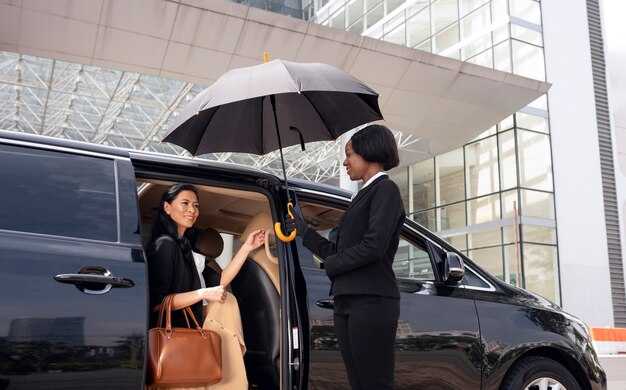
Begin with a concise incident entry that includes a precise timestamp, location, and a one-line summary to guide both customers and operators.
- Timestamp and location. Record the exact date and local time, time zone, pickup and drop-off points, and the taxi stand or station reference (for example, DXB Terminal 3, arrivals curb, Zone A). Use a consistent format like YYYY-MM-DD HH:MM. Include imagery of nearby landmarks on Zayed Road if relevant to verify position. Note who was involved, such as the driver name (e.g., Julius) or station staff, and whether the issue occurred before, during, or after the ride.
- Photos that prove what happened. Take close photos of the license plate, roof sign, dashboard meter, and any damage or irregularities. Include wide shots showing the curb, surrounding people, and the stand to establish context. Add small captions for each image (who, what, where, when) and ensure at least three angles are saved in the file name for quick reference.
- Receipts, vouchers, and pricing records. Save the electronic receipt from the ride, the voucher used for booking, and any payment confirmation. If a discount or promotional rate was applied, capture the pricing terms and the total rate charged. Only use official receipts and vouchers, and keep a screenshot of the pricing page from the app if available.
- Clear chronology of events. Build a step-by-step log: pre-ride checks, pickup action, ride progress, the moment the issue was noticed, actions taken (contacted support, asked station staff, or spoke with the driver), and the final outcome. Include exact times, driver name (for example, Julius), and names of any staff involved. Note any prohibited behaviour observed, how it was addressed, and whether there was a loss or compensation consideration. If a child passenger was present, document child-seat compliance and related safety steps.
- Evidence handling, retention, and sharing. Name files consistently (e.g., DXB-2025-09-14_Ride-01_Julius.jpg) and store copies securely to prevent loss. Close the loop by sharing the compiled evidence with the service team, including Hariramani from the local operations if available, and with careem alternatives when applicable. Provide a brief summary along with the supporting photos, receipts, and the voucher to speed up resolution.
Tips to increase efficiency: keep the log close to the booking details, maintain a polite tone in notes, and use a uniform data structure across sessions. If you track pricing, note the rate, any changes during the ride, and how the final charge compares to the quoted price. For a transparent process, include both the customer perspective and driver notes, and reference the local stations and the largest hubs near the DXB ecosystem. This approach protects their interests and helps both customers and taxi teams resolve issues quickly, whether the ride involves taxi taxis, Careem drivers, or other service providers.
Where and how to file a complaint: channels, required attachments, and typical response times
Act immediately: file your complaint through the fastest channel–phone for urgent issues, or the official website form for documentation-heavy cases. Have your ticket number and vehicle registration ready to connect the matter to your DXB experience, whether you used a maktoum desk or a rashid or oasis service. If you prefer in-person support, visit the alswidiy desk in the arrivals area to meet staff who can help you and keep rest of the day moving forward. There are three main channels, and using the same format across options helps the matter progress more smoothly because it saves time and reinforces the commitment to world-class service and customershappinessdtcgovae.
Channels to file a complaint
Channels include phone, website form, and in-person desks (alswidiy at DXB, rashid, oasis hubs). Each channel asks for your ticket, flight details, date and time, and a concise description of the matter. If you want a quick acknowledgement, call the phone line; if you need to attach evidence, submit via the website form with clearly named files. In-person staff can meet you and connect you with a supervisor if needed, ensuring same-day contact if possible and a clear path to resolution with a world-class approach.
Attachments and typical response times
Required attachments: a copy of the ticket, flight number, date and time, vehicle information (if relevant), and any receipts or photos that support the case. For reports filed months after the incident, add a brief summary of the condition of service and the context at that time. Attachments should be in PDF or JPG formats and named clearly, for example "ticket_1234.pdf." Send via the channel you chose; this speeds up progress because providers can connect the matter to Rashid and Oasis operations and to maktoum service standards. Typical response times: initial acknowledgement within 3-5 business days; final decision within 4-8 weeks, depending on complexity and backlogs. If more time is needed, expect updates every few weeks until a resolution is reached. After filing, you can track progress through the same channel you used, and a dedicated agent follows up until a satisfactory outcome is achieved.
| Channel | Description | Required Attachments | Typical Response Time |
|---|---|---|---|
| Phone | Direct line for urgent issues; fastest for acknowledgement | Ticket number, flight details, vehicle info | 3-5 business days for initial acknowledgement; 4-8 weeks for final decision |
| Website form | Structured form with upload option | Ticket copy, photos, receipts, ID (optional) | 3-5 business days for initial acknowledgement; 4-8 weeks for final decision |
| In-person desk (alswidiy at DXB, rashid, oasis hubs) | Direct interaction with staff; fastest for complex cases | Ticket, receipts, ID | Same-day acknowledgement; final outcome 2-4 weeks |
What happens after you submit a report: acknowledgement, investigation steps, and possible remedies
Acknowledgement and initial steps
Submit your report with complete booking details and any supporting photos; you will receive a clean acknowledgement with a reference number within hours. The front desk at the partner operator serving airports and the dhabi networks verifies the submission and assigns a case manager to your file, prioritizing efficiency and a smooth outcome. We collect arriving times, sideplate numbers, the cards used to pay, and the booking details to verify what happened and protect their care. Please keep your phone handy today for updates, and thanks for helping keep transfers at Dubai airports trustworthy. Gagan from our front-line team may reach out if we need missing information, and we’ll share progress in clear terms via the platform or phone.
Investigation steps and remedies
The investigation starts with data triage: the report is matched against trip logs across platforms and the verification team confirms the driver, vehicle, and route. If discrepancies appear, we verify against the terms of the booking and the published service standards, then contact the involved people to fill gaps. The process includes reviewing dispatch records, CCTV where available, and partner network inputs from popular hubs like metro connections and other transit points; the aim is to produce a transparent outcome. We keep the case moving today and provide a single point of contact, ensuring the involved parties were informed and the reasoning was clearly documented.
Remedies depend on findings: a refund to the original card, a partial money back, a Battuta- or Battuta-like voucher, or a future ride credit; or a direct goodwill gesture. If a driver or partner was at fault, we prioritize a remedy that resolves your concern quickly and helps prevent recurrence. If fault isn’t verified, we provide an explanation and propose preventive actions, such as updated terms, improved frontline care, or process tweaks across the airports and its platforms. All actions are recorded in the case file and shared with you on request, so the outcome feels fair and verified. If you requested evidence, you’ll receive it as an example of the steps taken and the data reviewed, along with a timeline for closure.


