South Korea on a Budget: Travel Tips

South Korea on a Shoestring: Your Ultimate Budget Travel Guide
South Korea, with its lively culture, delicious cuisine, and impressive landscapes, is an increasingly popular travel destination. However, travel to South Korea is often perceived as expensive. But with careful planning and a few clever tricks, you can experience the best of South Korea without emptying your wallet. This guide will arm you with the insider knowledge needed to travel South Korea on a budget, covering everything from transportation and accommodation to food and free activities.
Affordable Transportation: Navigating South Korea Economically
Getting around South Korea doesn't have to be expensive. The country has an excellent public transportation system that is both efficient and budget-friendly.
Utilizing the T-money Card
The T-money card is your best friend for navigating South Korea's public transport. Available at convenience stores like CU and 7-Eleven or at subway stations, this rechargeable card offers discounted fares on subways, buses, and even some taxis. A T-money card costs around 4,000 KRW (approximately $3 USD) and can be topped up with cash at kiosks or convenience stores.
Mastering the Subway System
South Korea's subway systems, particularly in Seoul and Busan, are extensive and well-connected. A single journey typically costs between 1,250 KRW and 2,000 KRW (approximately $1 - $1.50 USD) depending on the distance traveled. Use the T-money card for the best fare or consider purchasing a day pass if you'll be making multiple trips.
Taking Advantage of Buses
Buses are another affordable way to get around, especially for traveling between cities. Intercity buses are generally cheaper than trains. Typical costs range from 10,000 KRW to 30,000 KRW ($7 - $23 USD), depending on the distance and class of service. Consider booking in advance, especially during peak seasons and holidays.
Exploring Train Options
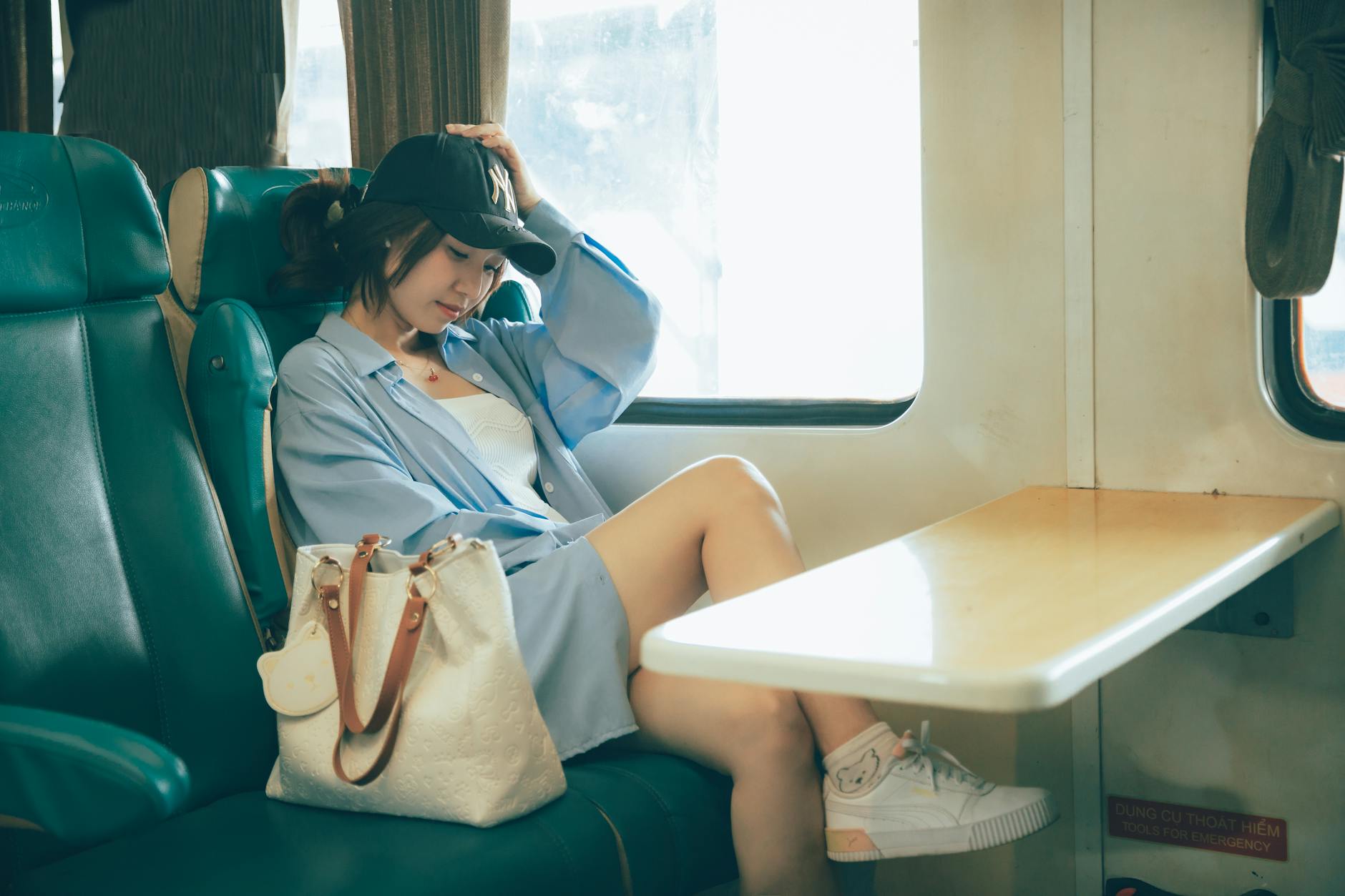
While slightly more expensive than buses, trains offer a comfortable and efficient way to travel longer distances. The KTX (Korea Train Express) is the high-speed rail network, but consider the slower, more affordable Mugunghwa and Saemaeul trains for budget travel. Booking a Korail Pass might be beneficial if you plan on extensive train travel.
Private Transfers
While public transport is usually the most budget-friendly option, sometimes a private transfer is more convenient, especially when traveling with luggage or in a group. Services like GetTransfer.com offer pre-booked private transfers at competitive rates. Factor the cost against saving time and the convenience of door-to-door service.
Comparison Table: Transportation Costs
| Transportation Method | Approximate Cost | Pros | Cons |
|---|---|---|---|
| T-money Card | 4,000 KRW (card purchase) + Rechargeable | Discounted fares, convenient | Requires initial purchase and recharging |
| Subway | 1,250 - 2,000 KRW per trip | Fast, efficient, extensive network | Can be crowded during peak hours |
| Intercity Bus | 10,000 - 30,000 KRW | Affordable, connects many cities | Can be slower than trains |
| Mugunghwa Train | Varies based on distance, cheaper than KTX | Comfortable, scenic routes | Slower than KTX |
| KTX Train | Higher price than local trains | Fastest option | Most expensive public transport |
| Private Transfer (GetTransfer.com) | Varies based on distance and vehicle | Convenient, door-to-door service, suitable for groups | More expensive than public transport |
Budget Accommodation: Finding Affordable Places to Stay
Accommodation can be a significant expense, but South Korea offers several budget-friendly options.
Guesthouses and Hostels
Guesthouses and hostels are excellent choices for budget travelers. You can find dorm beds for as little as 15,000 KRW to 30,000 KRW (approximately $11 - $23 USD) per night, and private rooms are also available at reasonable prices. Look for hostels in popular neighborhoods like Hongdae, Itaewon, and areas near major Metro hubs, for ease of getting around.
Jimjilbangs (Korean Spas)
For a truly unique experience and an ultra-budget option, consider staying at a Jimjilbang. These 24-hour Korean spas offer sleeping areas, saunas, and communal bathing facilities starting from around 10,000 KRW to 20,000 KRW (approximately $7 - $15 USD) per night. It's a fantastic cultural experience and a practical way to save on accommodation.
Airbnb and Budget Hotels
Airbnb can offer good deals, especially if you're traveling with a group. Look for apartments outside of the main city center for better prices. Budget hotels are more expensive than hostels, but can afford greater privacy. Sites like Agoda and Booking.com can help you find competitive prices on budget hotels from around 40,000 KRW to 70,000 KRW (approximately $30 - $53 USD) per night.
Temple Stay Programs
For a unique and enriching experience, consider a temple stay program. Many temples offer overnight stays with meals included, providing a glimpse into Korean Buddhist culture. Prices typically range from 50,000 KRW to 100,000 KRW (approximately $38 - $76 USD) per night.
Local Hacks: Saving Money on Food, Activities, and More
Beyond transportation and accommodation, there are plenty of ways to save money and experience South Korea like a local.
Eating Like a Local
Skip the fancy restaurants and head to local markets and street food stalls. Delicious and affordable options like tteokbokki (spicy rice cakes), gimbap (Korean sushi), and bibimbap (mixed rice) can be found for just a few thousand won. University districts, like near Hongik University, are excellent hunting grounds for cheap and tasty eats.
Embrace Free Activities
South Korea has plenty of free activities to enjoy. Explore impressive parks like Namsan Park and Olympic Park, visit historical sites like the Gyeongbokgung Palace (free admission if wearing Hanbok, Korean traditional dress), and wander through lively neighborhoods like Insadong and Bukchon Hanok Village. Many museums also offer free admission on certain days or evenings.
Take Advantage of Discounts
Look out for discounts and promotions offered to tourists. The Seoul City Pass offers free entry to selected attractions and discounts on transportation. Student discounts are also available at many museums and attractions with a valid student ID.
Shop Smart at Local Markets
For souvenirs and everyday items, skip the tourist shops and head to local markets like Namdaemun Market and Dongdaemun Market. Bargaining is acceptable at many stalls, so don't be afraid to haggle for a better price.
How Much is a Budget Trip to South Korea?
The cost depends on your travel style and length of stay. You can expect to spend around $50-$80 USD per day if you stick to budget accommodation, utilise public transport, eat at local eateries and embrace free activities.
What is the cheapest time period to visit South Korea?
The shoulder seasons (spring- April-May, and fall- September-October) offer the best balance of pleasant weather and fewer crowds, which may translate to lower prices for flights and accommodation.