



 Čeština
  English (UK)
  Русский
  العربية
  日本語
日本語  한국어
한국어  Magyar
  Türkçe
  Español
  Svenska
  Português
  Ελληνικά
  Suomi
Suomi  Nederlands
  Română
  Italiano
  Français
  Polski
  Українська
  Deutsch
  简体中文
简体中文  Slovenčina

Begin your Kuala Lumpur shopping sprint at Pavilion Kuala Lumpur, a swank hub that boasts a curated mix of local labels and international names. Shoppers encounter contoured marble features, pink accents on store facades, and bags in every style from compact crossbody to oversized totes, perfect for safeguarding belongings on the go. If you want guidance, a specialist on local fashions can tailor picks to your style and budget.
From Pavilion you can wander the Bukit Bintang core, where many places converge for fashion, gadgets, and dining. Shoppers move like a wolf on the hunt, scanning deals across which shops hold the best value. Within a few blocks you reach Central Market for crafts, Jalan Petaling for bargains and streetwear, and the temple precinct where temples fill the skyline and the vibe shifts after sunset.
Next stop: Suria KLCC and the nearby malls, which host premium labels and Malaysian design pop-ups. Pricing ranges vary widely: you may see RM 50 scarves, RM 3000 designer bags during sale weeks, and year-end discounts in winter that draw local and overseas visitors.
Other anchors complete the circuit: Mid Valley Megamall and The Gardens, Berjaya Times Square, Sunway Pyramid, Lot 10, Plaza Low Yat, and Jalan Petaling’s night markets. These spots offer everything from pewter wares to electronics, ensuring which items fit every budget and taste. many events, pop-ups, and seasonal sales keep the calendar busy year-round.
Pewter wares and keepsakes–Malaysia’s craft heritage shines in KL markets and shopping lanes. Look for bowls, mugs, and decorative items that travel well and age beautifully, often with classic brushed finishes and engraved motifs.
Traditional kurung outfits for festive or wedding wardrobes–seek light fabrics and pastel tones; peak season runs during local festivals, and many shops offer ready-to-wear as well as tailoring services nearby.
Fashion bags and accessories from swank to casual–compare stitching, hardware, and straps across department stores and boutique studios; you’ll find durable leather options with contemporary silhouettes and subtle pink accents.
Local crafts and souvenirs from Central Market–hand-woven textiles, batik prints, carved trinkets, and temple-themed keepsakes come from Malaysian designers, with prices that suit both budget travellers and collectors.
Electronics and gadget accessories at Plaza Low Yat and surrounding shops–stock up on phone cases, cables, headphones, and compact gadgets; keep an eye on pricing and warranty terms, especially during year-end events.
Petaling Street Market: Best Stalls for Bargain Fashion and Accessories
Begin at the blue stall near the central arch for reliable bargain fashion. Here you grab baju and clothing sets in cotton and blends, with sale signs that drop as you negotiate. You’ll find a monster variety of prints and textures, from dreamy florals to bold geometric patterns, all at wallet-friendly prices.
Which stalls keep the mood upbeat and the colour authentic? Move toward the imbi corridor, where the streetscape widens into stalls that showcase scarves, belts, and faux leather bags in sturdy materials. The vendors here often offer two-for-one deals, so you can mix and match pieces to build a cohesive look without stretching your budget.
Five must-buy items for any shopper at Petaling Street Market: 1) breathable baju tops in cotton or linen blends; 2) faux leather belts with eye-catching buckles; 3) scarves and shawls in rich colour palettes and varied prints; 4) inexpensive sunglasses and bold costume jewellery; 5) compact bags and pouches that fit your daily essentials. Each item travels well, stacks neatly in your luggage, and expands your wardrobe options for citys evenings or temple visits.
Plan the haggle like a mini itinerary, and you’ll keep the mood practical and fun. Start with the blue stall, then weave through Imbi-area vendors, swing by stalls with dedicated taglines, and finish near the central arch where the endorsement of sale tags is strongest. Plenty of sellers price aggressively in the late afternoon, turning casual browsing into visible savings without sacrificing quality.
The market sits at a turning point between former street-trade culture and a contemporary shopping atmosphere. Its heritage threads run through every stall, with cards and signs that reference Malaysia’s colour and craft. To stay informed, check the official tourism website for maps and recommended routes, then follow your own taste to curate an itinerary that matches your mood and budget. This destination remains a core utama stop for bargain fashion in the citys fabric quarter, offering exclusive finds that fans of streetwear and traditional-inspired pieces will love, all within a short walk of temples and lively market corners.
Central Market (Pasar Seni): Local Crafts, Art, and Affordable Gifts
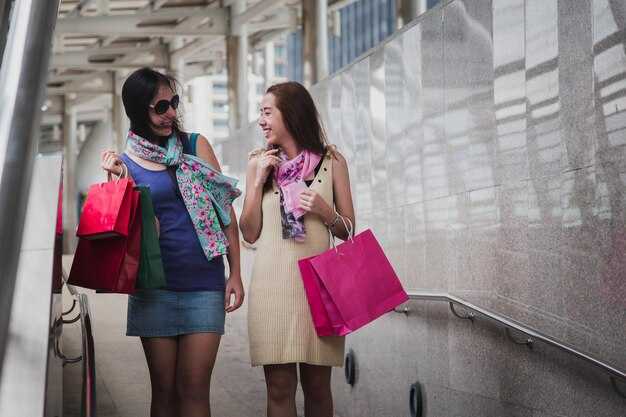
Visit Central Market first for genuinely local crafts and affordable gifts you can carry away today. The busy hall greets you with colour in every corner–handwoven textiles, prints, and art that reflect Kuala Lumpur’s creative pulse.
From stylish chiffon scarves to sturdy wallets, you’ll find items that pair well with modern wardrobes. Fashionistas flock to several stores, and official hosts keep the layout clear across both the hall and surrounding areas.
Plan a walking loop through the areas that host womens accessories and petite home goods; mention that the bangsars area is worth a short walk from the main entrance. The shopping precinct sits over the central concourse, with cafes nearby to recharge between stalls.
Don’t miss bookxcess for design books and art prints; include a stop at cafes inside or nearby for a quick recharge. Even when busy, the festival vibe and hotspot atmosphere attract locals and visitors, with several lanes offering colour palettes and crafts that genuinely appeal to shoppers seeking stylish, affordable keepsakes.
Jalan TAR: Fabric Boutiques and Budget Fashion Finds
Begin with a concrete plan: head to the ground-floor stalls on Jalan TAR and grab 2–3 meters of cotton tee fabric, then explore artisanal silks for accents. This shop keeps prices friendly and stays open until late, so you can compare weights, weaves, and finishes without rushing. For amazing value, stick to the most affordable options and note which stalls offer mix-and-match pieces for your suitcase.
For a modern, budget-friendly look, pair a simple tee with a lightweight fabric and test color stories in the same visit. The stalls bursting with vivid prints let you explore artisanal textures without paying a premium; chinese traders keep a steady stock of easy-to-sew fabrics and trims. When you spot glitzy options at starhill, you can compare a high-end alternative with the practical fabrics Jalan TAR offers.
Love artisanal touches? Look for hand-blocked cottons, batiks, and embroidered motifs from roberto-inspired tailoring or louis-inspired trims. These options add character to a suitcase-ready wardrobe and elevate the design sense.
Two blocks away, compare stores run by families and traders; a countrys of textiles from india to china. If you crave a glitzy finish, a quick detour toward starhill or suria offers more formal options, and you may even catch live tailoring demos near the entrance. Jalan TAR remains the best place to test price and quality with great value. When you need a break, take in the view of the twin towers and return ready to pop a few picks into your suitcase. For those who shop from bangsars or travel tight on space, pack smartly and reserve room for a must-buy item.
Top picks to grab today
| Store | Specializace | Best-buy | Poznámky |
|---|---|---|---|
| Artisan Silk Counter | Silk fabrics, hand-blocked prints | Silk scarves RM45–RM90 per meter | Check colorfastness; ask for weight |
| Cotton Tees Stall | Tees, cotton blends | 100% cotton tees RM15–RM25 | Inspect seams; test for pilling |
| Batik & Hand-Block House | Batik fabrics, embroidery | Batiks RM40–RM70/m | Request remnant meters to save |
| Design & Tailoring Hub | Lightweight linens, trims | Linens RM50–RM110/m | Negotiate minimum cut, quick turn |
Chow Kit Market: Everyday Goods and Street-Style Finds
Start with a concrete plan: arrive during a busy moment to save time, map four must-buys, and move directly between stalls. Inside the Chow Kit complex, begin at the front aisles for everyday goods, then stroll outside lanes along lebuh to grab street-style finds. Your four must-buys are tableware that stacks neatly for daily use, authentic soaps with local scents, edgy accessories that pair with streetwear, and a compact computer sleeve to keep plans on the go.
Plan Your Route and Must-Buys
Vendors span asian and local craft shops, offering items directly from producers rather than mass retail. Gauge price tiers by comparing two or three stalls in each category–tableware, soaps, fashion, and small gadgets–and always ask for a quick bundle offer to maximize value. The busy complex rewards your well-rounded approach: finish in under 90 minutes by following a simple, engaging loop that starts in the retail aisles, crosses to outside lanes, then returns to the core.
Look for authentic pieces that withstand daily wear: ceramic bowls with a clean glaze, lemongrass soaps that travel well, edgy bracelets with a matte finish, and a kate-approved pair of versatile heels. If you crave variety, visit four vendors within the same row to see varied finishes, from glossy to frosted tableware to bold prints in streetwear.
March crowds push you to stay efficient: arrive early in the morning or later in the day to dodge peak hours, and plan a rapid, one-pass route through the lebuh and the megastructure. The Chow Kit complex is a microcosm of asian retail: direct vendors, busy shoppers, and a mix of traditional and edgy styles. Outside signs point to further finds, while inside corridors house stable staples, so you can assemble a well-rounded haul without backtracking.
Joining these worlds, the market connects bangsars-style energy with casual luxury, offering a quick, immersive shopping experience. In isetan-inspired displays, you can compare finishes and pick items that fit your wardrobe. Look for items that blend practical use with flashy accents, and consider a small display tray as a giftable piece of tableware, or a set of four soaps to sample scents at home. Vendors form a colorful retail tapestry, where everyday needs become street-ready style in one well-paced visit.
Night Market Routes: Best Nights to Shop for Clothes, Accessories, and Snacks
Begin your night at Petaling Street Pasar Malam on Friday to catch the best mix of clothes, accessories, and snacks. The lanes fill with shophouse facades, and locals seek melayu baju, scarves, and quick bites. youll find hidden stalls tucked between vintage crates and vinyl, where vendors speak Malay, Chinese, and English. Bring cash and a little credit for emergencies, but most stalls still prefer cash. The energy is busy yet welcoming, a life youll remember long after you head home.
Friday Night Route: Chinatown Clusters and Chinese Sights
Turn into the Petaling Street lanes to shop clothes, shoes, and accessories. Look for shophouse fronts with contemporary pieces and antique finds. youll notice posts with hand-painted marks and stalls offering melayu outfits like baju kurung or tudung for muslim shoppers. The flea-vibe market grows after 6 pm, drawing locals and visitors alike. You can spot a hidden vinyl rack with rare records, and some stalls carry fendi-inspired bags or a vintage poster that feels like a slice of post-war life. Use credit cards sparingly; most vendors prefer cash, but a few accept tap payments. Imagine the sights as you chase bargains, and you may leave with a bag full of happy discoveries.
Saturday Night Route: Flea, High-End Finds, and Vinyl
Head to Bukit Bintang after 8 pm; the flea behind the mall draws a busy, diverse crowd and many shops stay open late. This is where you hunt antique pieces, retro vinyl, and contemporary accessories. kiara lanes host shophouse clusters with higher-end stalls, where you can spot Malay outfits and muslim-friendly headscarves that appeal to locals. Youll meet visitors who test hats, scarves, and statement jewelry while sipping coconut water. The best moments come from unexpected draws: a vinyl crate with a rare edition, a small fendi label, or a vintage trinket with an antique look. For snacks, look for street satay, fried mantou, and pandan cakes; pay with credit or cash, and plan a post-market drink in one of the silk-swathed lounges. Youll feel the everyday energy of busy KL as you head home.
Plan your own itinerary with these routes: Friday in Petaling Street, Saturday around Bukit Bintang and kiara clusters. Note the marks on the map, keep an eye on crowded areas, and avoid drunk crowds after midnight. The experience blends everyday life with shopping, and youll walk away with multiple stories, from antique trinkets to contemporary finds, and even a loaded vinyl sleeve that marks your KL night.
KL Street Market Corners: Quick Buys Near Major Hubs and How to Access Them
Start at Pasar Seni (Central Market) and stroll toward Petaling Street for a fast five-stop loop near major hubs. Watching traffic and following open doors reveals quick buys before the crowds thickens. Enjoying the street mood, you’ll see a plethora of items that reflect culture and the diverse layers of KL, beyond standard souvenirs, ready to take home before the afternoon heat climbs.
Where to Find Them and What to Grab
Chinatown’s Petaling Street corner leans toward sarongs, oriental prints, painted art, and streetwear at accessible prices. Look for crystal jewelry and retro accents that pair well with a casual outfit, and note stalls that offer everything alongside compact space for quick checks.
Central Market (Pasar Seni) hosts a plethora of crafts and home items. Pick up painted canvases, crystal keychains, small decor pieces, and five-pocket totes–great for quick gifts or souvenirs that truly celebrate culture and the city’s creative pulse.
Masjid India arc near Jalan Melayu/Jalan Masjid India provides fabrics, sarongs, oriental textiles, and open-air stalls that offer diverse streetwear and colorful prints. Some stalls carry practical accessories alongside easy-to-cackling changes in style, all within a lively, electric atmosphere.
Brickfields, the Little India area, expands textile lines with bright sarongs, painted textiles, and retro house decor. Alongside traditional fabrics, you’ll find other eclectic pieces that fit both daily wear and weekend explorations.
Access Tips to Speed Your Loop
Plan to start early and move before traffic peaks around major hubs. Use Pasar Seni for Central Market, Masjid Jamek for Chinatown access, and KL Sentral as a convenient jumping-off point toward Brickfields. Follow clear signage and ask vendors for directions to the closest corners that offer the items you’re after, especially if you’re exploring beyond the main stalls.
Keep a flexible pace, enjoy the breeze along electric street corridors, and open doors to welcome conversations with sellers who share local practices. This approach helps you stay efficient while catching a scoop of culture that is truly KL–diverse, affordable, and ready to go with you as soon as you pay.
Day 2 Market Run: Haggling Tips, Safety, and Transit Hacks
Offer roughly 60% of the quoted price for the first item and stay calm and friendly to keep negotiations smooth. This makes the process truly efficient in a busy pasar where stalls mix français, chinese, and indian vibes.
Haggling tips you can use now
- Offer roughly 60% of the quoted price and stay calm and friendly to keep negotiations smooth; this makes the deal feel fair and truly workable.
- Walk through at least three stalls in the pasar to seek numbers and compare what’s offered on tableware, silk, headscarves, and craft; you’ll spot value and know when to push.
- Bundle items for a better price when you need multiple things–kacang snacks or a small tray add value for a feast and help you keep the total added under control.
- Ask for a bundled price when buying multiple items; if you seek local goods like silk and tableware, vendors often add a discount to close a sale.
- Use a quick tally on your computer or phone to show your offer; this makes the negotiation feel precise rather than emotional.
- Check quality: inspect stitching on silk, glaze on tableware, and how weight feels in your hands; a rich finish adds confidence to your choice.
- Be mindful of currency: count notes in view and request change in smaller denominations; carrying too many wangs invites risk, especially in crowded spots.
- Timing matters: year-end markets run hotter and crowds rise; anticipate added demand and adjust your offer accordingly.
- Keep the vibe friendly, especially with vendors who blend lifestyle cues into their stalls; you’ll enjoy the experience more and the seller may add a small thank-you.
Numbers and practical checks help you feel confident when you seek value across spots in this vibrant market scene, where local craft and tableware shine.
Safety and transit hacks
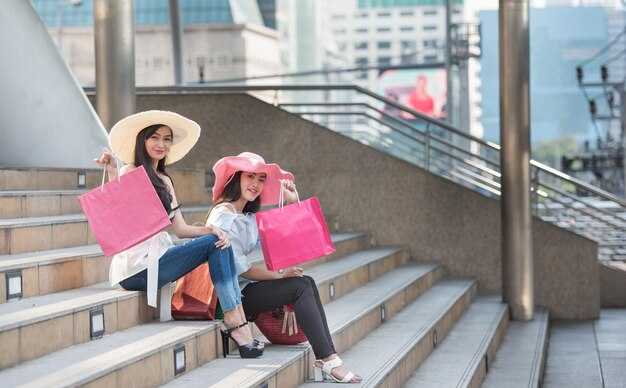
- Pack light and secure: a crossbody bag with zippers keeps valuables safe while you roam spots across the market; avoid flashing expensive gear around a crowded lane.
- Limit cash exposure: carry a small amount in local currency and use a digital wallet for most payments; this reduces risk and speeds checkout.
- Watch for counterfeit notes; count money in your view and request change if needed; if you prefer, use digital payments on the spot.
- Stay in known zones: stick to busy stalls and well-lit corridors; avoid side alleys after dark to protect your belongings.
- Transit between spots: use GoKL or Rapid KL lines to move quickly between major markets; offline maps help if data drops.
- Plan routes ahead: know the closest LRT or MRT station from your last stop; you can walk 5–10 minutes to avoid detours and save time.
- Be ready for crowds: step aside for others, and keep your valuables close and pockets watched as you hop between spots and markets.
Komentáře