Split, Croatia - All You Need to Know - Travel Guide & Tips

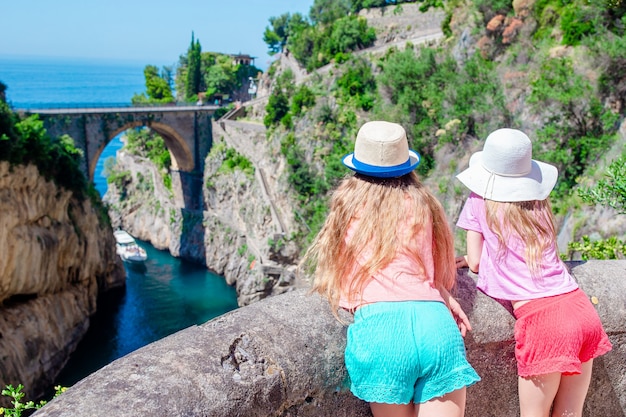
Book tickets for Diocletian's Palace before you arrive and start with a dawn walk along the Riva. That early light reveals emperors' stonework and the palace's renaissance hints, all in one calm start to your Split adventure.
In splits, the old town sits on a rocky peninsula and blends Roman layouts with renaissance touches. Wander the narrow streets, stop at cellars turned into cafés, and xplore the waterfront along the coast.
Plan a half-day trip to Krka National Park for waterfalls, then cruise along the coast to discover hidden coves. The area around splits offers nature at every turn, with an abundance of trails, viewpoints, and spots to swim along the river.
Fresh fish and seafood anchor the beachside meals, while the town's abundance of tavernas and clubs fuels the party atmosphere. Look for family-run konobas where locals eat and keep an eye on tickets for sunset boat trips, which often sell out.
Get around efficiently with a compact plan: walk the Old Town, then use a short taxi or a bus to the nearby islands; a day pass for local transport can save money. Prof tips: join a guided tour that covers Diocletian's Palace, Klis Fortress, and Peristyle monuments, which helps you cram high-value sights into a single day.
Arrival and transport: how to reach Split by air, sea, and land
For fastest access, fly into Split Airport (SPU). The airport is located about 24 km from central Split along a straightforward coastal route. From the terminal, a taxi to the Riva or the main bus station takes about 25–40 minutes and costs roughly 25–40 EUR. If you prefer a cheaper option, the local bus or airport shuttle runs frequently and drops you near the city center; tickets are available at the desk or from a machine, and the ride lasts about 40–50 minutes. This route lets you start your stay with a quick glimpse of the coastline. whats the fastest route to the city center? The common answer is taxi or direct bus, both reliable and frequent. The airport signage is clear in English, and the title boards show gates and baggage carousels, which helps you move within minutes. Carry your papers, since you’ll need a passport or ID for occasional checks when you connect to other parts of town. The experience is incredible: Split’s beauty, the friendly local staff, and straightforward transfers make you feel welcome from the moment you land. It’s always easy to decide to fly here, especially since SPU offers ample connections to European hubs and a smooth start to your Dalmatian visit. The arrivals hall often reflects the Renaissance vibe with stone detailing and a bright, modern layout, which gives a remarkable first impression. There’s plenty of signage and help desks, so you’re never far from the route into the city.
Sea travel
Split’s port sits at the heart of the city and handles ferries and catamarans to nearby islands and along the coast. From Brač (Supetar) and Hvar (Stari Grad) you’ll find frequent departures, with journey times from 15 to 60 minutes depending on the route. In summer, seasonal international services run from Italy, with ferries from Ancona and Bari to Split; schedules vary, so check what’s running on your dates. The port is within walking distance to the old town, so you can reach the Riva and Diocletian’s Palace in minutes. Tickets can be digital or paper; keep your papers handy and have them ready if requested by the operator. This option is ideal for island hopping, since there are plenty of daily departures and helpful crews. The harbor restaurants line the waterfront, offering a convenient chance to sample Dalmatian seafood before or after your ride, and the sea routes are reliable with a spectrum of options in peak season. The whole experience is incredibly scenic and a good way to kick off your Split stay; many travelers say it’s a game-changer for the pace of their trip and a great way to meet locals in the port area.
By land, the straightforward route is the A1 highway from Zagreb to Split, about 400–420 km, with tolls and a driving time around 4–5 hours depending on traffic. Buses connect Zagreb, Zadar, Osijek, and Dubrovnik with multiple daily departures; typical travel times from Zagreb range 4.5–6 hours. If you prefer flexibility, rent a car to follow the coastal D8 route and stop in towns such as Trogir and Kaštela along the way. Split’s center is compact and walkable from the bus station, so you’re in the heart of the action within minutes. Since this city draws many visitors in summer, plan parking ahead; there are several lots within a short walk of the old town. If you’re carrying papers, keep your ID handy for any local checks. The route offers picturesque views of the islands and blue water, and the scenery is incredible. The decision to travel by land makes sense if you’re pairing Split with nearby villages and Renaissance-era sites; there’s plenty to see and you can easily tailor the pace to your group. The local stations are friendly, with helpful staff and English signage; you’ll often meet locals who point you toward their favorite restaurants along the water, where you can enjoy incredible seafood and a warm, local welcome. And if youre planning to combine a harbor stop with a day trip to a village nearby, you’ll find it all within easy reach, with a range of options that fit every schedule and budget, from a quick hop to a longer coastal loop.
Where to stay in Split: best neighborhoods by budget and vibe
Best value and central vibe: Bacvice, where a mid-range apartment or guesthouse puts you within a short walk of the old town and the seafront, with easy access to the promenade at any time.
-
Bacvice – Location: beachfront strip just east of Split's historic core. Vibe: beachy, casual, with cafés along the promenade; by day family-friendly, by night lively. Budget: roughly 60–120 EUR per night in the shoulder season; 90–170 EUR in peak months. Proximity: a 5–10 minute walk along the seafront to Diocletian's Palace; walking to the Riva for sunset views is simple. Stay: simple guesthouses, studio apartments, and small hotels; look for places with a balcony and a sea view. Activities: sport along the beach and morning jogs are common, and youre likely to meet locals who can share tips with you. Signposts guide you to key sights along the way.
-
Old Town (Diocletian's Palace) – Location: core of Split, compact and walkable. Vibe: historical with narrow lanes, cafés, and markets; unesco-listed. Budget: 100–260 EUR per night in peak season; smaller studios can start around 60–100 EUR in the shoulder season. Proximity: you’re steps from the Palace gates, markets, and the Riva; you can walk to most sights in minutes. Stay: boutique hotels and apartment rentals around main squares; choose a courtyard room for a view of ancient walls. Look for a property with easy access to the main thoroughfares, since walking is your best move for sightseeing.
-
Varos – The old Turkish Quarter – Location: hillside lanes near the center. Vibe: intimate, atmospheric, quieter than the Old Town. Budget: 50–100 EUR per night. Proximity: about a 15–20 minute walk to the center, or a quick bus ride. View: some rooms offer rooftop or church-spire views. Stay: guesthouses tucked into narrow streets; look for a place with a small balcony or courtyard. Residents are welcoming, and you can pick up tips on markets and local flavors as you walk along the stairways.
-
Znjan – Modern beach suburb – Location: east of the center, long sandy beach. Vibe: contemporary, family-friendly, with newer apartments. Budget: 70–150 EUR per night. Proximity: 6–10 minutes by car to the center, or 15–25 minutes by bus. Stay: modern flats and hotels with parking; kitchens are common for longer stays. Day trips to nearby islands are easy from Split’s port, and you can enjoy local wines in the evenings after a day on the coast.
-
Meje – Quiet hillside edge near Marjan – Location: coastal, residential strip. Vibe: calm, leafy, with easy access to sea views. Budget: 70–120 EUR per night. Proximity: 15–20 minutes on foot to the center; taxi or bus shortcuts are available. Walkers enjoy the coastal path along the promontory and the chance to turn toward Marjan for longer strolls. This area suits guests who want a steadier pace while staying close to central attractions.
-
Marjan – Forested peninsula and lookout spots – Location: southwest of the center, nature-filled. Vibe: outdoor-oriented, scenic, with trails and beaches. Budget: 60–140 EUR per night. Proximity: 20–25 minutes on foot to central sights, or a short bus ride when you want to return quickly. Stay: guesthouses and cottages slope along the hills; mornings begin with fresh air and expansive views. It’s ideal for sport lovers, hikers, and anyone who wants a break from the crowds, with easy access to islands for day trips.
Diocletian's Palace and key historic sites: tickets, timings, and crowd tips
Purchase a Palace ticket that includes the core complex and access to the basements; tickets are available online and at the gate. Located in dalmatia, Split, the palace sits at the heart of the old town where youre steps from the sea and the afternoon buzz. The site carries centuries of proceedings shaped by emperors and christian tradition, with modern life blending into the inhabited land. The decision to walk through the Peristyle and descend to the underground halls lets you feel how the emperors ruled the space; then take a moment for a short stop at bokeria, a tranquil garden nearby that offers shade before you continue through the maze of streets that being part of such a great urban fabric. The courtyards welcome you with a calm, timeless vibe.
Timings vary by season and section; the main complex generally opens early and closes around dusk in summer, with some components like the cellars or cathedral carrying separate hours. In a typical week, plan to arrive at opening or after 16:00 to avoid the peak heat and crowds. If you want to see the Temple of Jupiter and the cathedral, join a guided tour to get the most from a single pass; many tours combine the palace with christian heritage nearby or with a visit to the nearby parks and tranquil corners.
Practical tips to maximize your visit
Book online if possible; tickets can be purchased on site, but online ahead saves time. Weekdays are best for lighter crowds; in the morning light, arches glow and you can photograph details without glare. Bring water and wear comfortable shoes; there is an abundance of shade in the bokeria garden and parks around the palace, a tranquil pause before you continue. If you plan a day trip, you can take a hop back to the islands, then return to the palace for a second pass through the courtyards and cellars, soaking in the great atmosphere that the land located here offers and being part of the living history that awaits you. There is much to see and discover as you explore through centuries of architecture and proceedings.
Day trips from Split: Trogir, Krka, Hvar, and other easy excursions
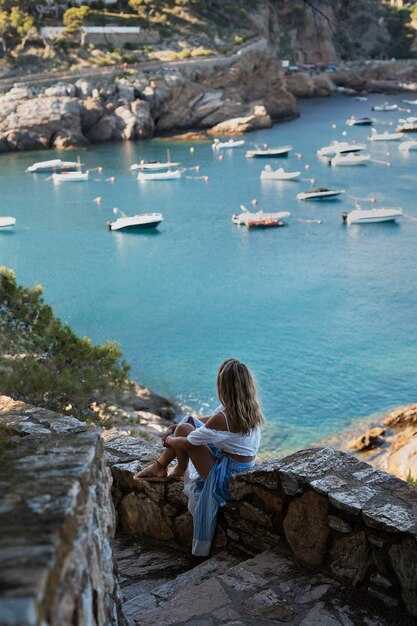
Decide your pace and start with Trogir, a compact UNESCO-listed town about 30 minutes from Split by road. Its gothic and Romanesque lanes unfold around the waterfront, and the Cathedral of St. Lawrence, along with the Kamerlengo fortress, illustrate how an early architect shaped the town–that makes it ideal for visitors that crave a concentrated dose of history, especially for those that believe in dense architectural storytelling.
Krka National Park offers a different flavor. You can reach Skradinski Buk by bus or a short drive, then walk along wooden boardwalks to three main viewpoints there. The waterfalls cascade in tiers, and a boat ride to Visovac Island adds a religious twist to the day. Note that swimming is limited, so there’s no jumping into pools; use this as a land-based exploration rather than a swim-focused excursion.
For island time, take a fast ferry to Hvar Town or Stari Grad. The trip from Split takes roughly 1 to 1.5 hours, depending on service. In Hvar, stroll the gothic core, climb the fortress for far-reaching views, and sip local wines at three top wineries nearby. If you prefer a little change, choose Stari Grad's little streets and a seaside lunch on the Little Port, next to old windmills, and watch the sunset over the Adriatic–what a contrast to the hubbub inland.
Close the return by Klis Fortress for panoramic views over Split and the coast; its walls echo the era of emperors and diocletians legacy. If you want a different pace, Omis offers a light river canyon walk and optional rafting, with the town's old harbor providing a breezy finish. Nearby Solin reveals Roman ruins and religious proceedings that remind visitors how long this land has hosted populations.
Pro tips: book a professional guide if you want context, or choose small-group options for a smoother day. Start with a morning departure from Split's harbor, then return by evening so you still have time to stroll the Diocletians' Palace area around the home base. This game of day trips helps you decide what to linger over–whether a seaside lunch, a winery stop, or an extra look at the land and coast. If whats included matters, check operator inclusions and choose options that fit your pace.
Beaches and outdoor activities: access, facilities, and safety tips
Go to Bačvice Beach first thing in the season for easy access, shallow water, and ready facilities. If youre staying near the Cornaro Hotel, a short walk brings you to the sand and blue water, with a lively promenade that hosts snack stalls and bars.
Getting there and access
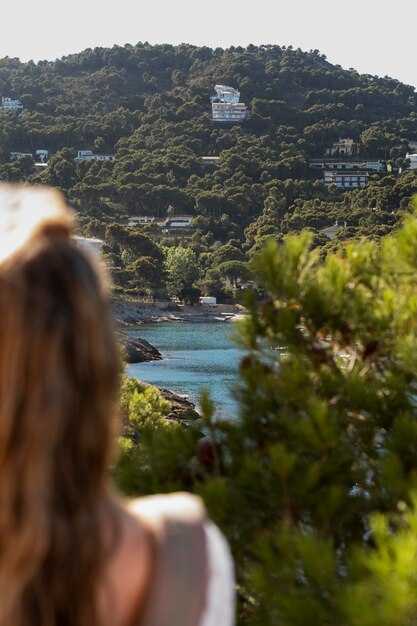
Bačvice sits in central Split, a 15-minute walk from Diocletian's Palace along the Riva. There are frequent bus stops nearby and a straightforward walk along the waterfront to the beach. The route offers remarkable views of the ancient city walls and the blue water, with christian heritage visible in nearby churches and long-standing architectural details. For a relaxed option, you can also rent a bike and glide along the outside promenade towards nearby coves.
From Bačvice you can stroll over to nearby coves such as Kasjuni or Žnjan, or hop a quick coastal bus stop to extend your day. The coastal stops are well marked, and you’ll find yourself on the water again in minutes, ready for more sun and sea.
Facilities, activities, and safety tips
Facilities at Bačvice are practical: showers, toilets, changing rooms, and public waste bins. Sun loungers and umbrellas are available for tickets at beach kiosks, and snack stalls offer coffee, water, and local wine for a quick refresh. The beach hosts a dedicated volleyball area and several casual clubs along the promenade where you can join a sport game or simply watch picigin players in the shallow blue water. Families appreciate marked zones for kids and easy access to the nearby pool areas for a quick dip after playing ball. If youre after a more relaxed plan, you can take a short walk to a nearby café for an outdoor seating experience that blends living culture with modern beach life.
Safety first: swim in supervised zones during peak season, and always watch the conditions before entering the water. Wear sunscreen and water shoes on rocky stretches, and keep valuables secured in a waterproof pouch. Stay hydrated, and take breaks in the shade when the sun is strongest. If you notice rough water or crowds getting heavy, move to a calmer spot along the promenade or near lifeguard posts–there, you’ll still enjoy the views and the sea without unnecessary risk.
| Beach | Access | Facilities | Safety tips |
|---|---|---|---|
| Bačvice | Central Split; 15-min walk from Diocletian's Palace; Riva promenade; bus stops nearby | Lifeguards in peak season; showers; toilets; changing rooms; sun loungers and umbrellas on tickets; snack kiosks | Swim within supervised zones; watch for kids; jellyfish occasionally; keep valuables secured; use shade during peak sun |
| Žnjan | Long sandy/pebble beach to the east; reachable by bus; parking nearby | Multiple beach bars; restrooms; changing rooms; rental sun loungers | Stay in marked areas; stay hydrated; check wind conditions; be mindful of boat traffic |
| Kasjuni | Coastal path up from Bačvice; parking above; scenic walk to the beach | Limited facilities; nearby cafe; basic toilets at the top; more natural setting | Use sturdy footwear; follow designated paths; avoid slippery rocks; enjoy the natural scenery with care |
Food, markets, and nightlife: local eats and authentic experiences in Split
Begin at the Green Market near diocletian's palace for a full immersion into croatias flavors: olive oil, sheep cheese, honey, citrus, and dried figs. Observe locals negotiating with friendly warmth and sampling bites at every stall. From here, walk to Peskarija, the harbor fish market, where octopus, sardines, and shellfish arrive fresh each morning. Such a stroll makes the atmosphere tangible and reveals their daily routine, which you can replicate in next visits.
Gastronomy in dalmatia thrives on simplicity and year‑round freshness. Try black rizot with squid, a plate of grilled sardines, and dalmatian prosciutto with crusty bread. What you eat here tastes like the land and sea learning to cooperate: a mouthful of sea salt, a drizzle of olive oil, and a sip of Malvasia or Plavac Mali to finish. Next, seek out a konoba in the old town for a more intimate, Christian heritage‑leaning dining room that feels like a local living room rather than a restaurant.
When the sun sets, the first thing to do is wander along the Riva to feel the night atmosphere rise. The nightlife in Split centers on the waterfront and the lanes around Diocletian’s palace, where bars spill onto cobbles and small clubs pulse with Dalmatian and electronic tunes. If you want a relaxed start, choose a bar with outdoor seating and watch the crowd drift by; after that, move toward Bacvice beach if you crave a more energetic scene. The overall vibe is remarkable because the city blends centuries of history with a casual, coastal mood, so the night feels both ancient and alive.
For an authentic evening, book a table in a family konoba that serves seafood straight from the harbor. Such experiences help you understand why croatias cuisine is beloved: the ingredients, the pace, and the hospitality all contribute to a sense that you are part of a long tradition. After dinner, stroll the Diocletian area at night to observe lit stone façades and the quiet glow of church bells in the Christian quarter, then drift toward Marjan hill for a nightcap with a view.
Beyond eating and drinking, don’t miss the parks and nature around Split. Marjan hill offers a forested escape with shaded paths, viewpoints, and fresh air–perfect for a long walk after heavy meals. The land and sea meet here in a way that elevates any city break into a balanced weekend of taste and movement. To maximize comfort, wear rubber soles for cobbled lanes, bring cash for market stalls, and plan your day with a local guide’s tips to avoid crowds. If you’ve visited before, you’ll notice how the rhythm shifts with the crowd, making each visit feel new and personal.